How Much Is an Alaska Fishing License for Residents
Trying to figure out the exact cost of an Alaska resident fishing license can feel like navigating a maze of regulations, different types, and those tricky little add-ons. It's not always as straightforward as just picking up a single permit, and nobody wants to get caught unaware or, worse, on the wrong side of the law. This guide is here to untangle all that complexity, giving you a clear, comprehensive breakdown of what an Alaska resident fishing license costs, what each type covers, and how to make sure you're legally ready for your next big catch.
Understanding the Alaska Resident Fishing License Categories
When you're a long-time Alaskan resident, or even a newer one who's established residency, you're fortunate to have access to fishing license rates that are significantly lower than those for non-residents. However, even with resident status, there are still several categories of licenses, each designed for different angling needs and situations. It's crucial to understand these distinctions because picking the wrong one could mean you're not fully covered for the fish you're targeting or the time you plan to spend on the water.
Annual Sport Fishing License
This is the bread and butter for most resident anglers. An annual sport fishing license covers you for a full calendar year, from January 1st through December 31st, regardless of when you purchase it. It grants you the privilege to fish for most freshwater and saltwater species within Alaska's extensive public waters. For many, this is the most economical and straightforward option, especially if you plan to fish multiple times throughout the year. It's the standard choice for weekend warriors, those who hit the Sockeye runs on the Kenai River every summer, or folks who enjoy ice fishing on local lakes in the winter.
The beauty of the annual license is its simplicity and comprehensive coverage for general sport fishing. You don't have to worry about daily or weekly limits on your license duration, allowing for spontaneous trips whenever the weather cooperates or a hot report comes in. This license is your primary ticket to enjoying all the incredible fishing opportunities Alaska offers, from chasing Rainbow Trout in the Interior to jigging for Rockfish in Southeast.
Combination Hunting and Fishing License
For Alaskans who embrace the full spectrum of the state's outdoor offerings, the combination hunting and fishing license is an incredibly convenient and cost-effective option. Instead of purchasing two separate annual licenses, this single permit bundles both privileges into one. It operates on the same calendar year basis as the annual fishing license, providing a full year of both hunting and fishing access.
This combined license is particularly popular among residents who might spend their spring chasing bears, their summer fishing for King Salmon, and their fall hunting moose or caribou. It streamlines the licensing process, requiring only one purchase transaction and consolidating your permits into one easy-to-manage document. If your outdoor plans include more than just wetting a line, exploring an Alaska Combination Hunting and Fishing License is definitely something to look into. It’s designed to reward residents who are truly immersed in the Alaskan way of life, offering a sensible solution for those who enjoy both pursuits.
Senior and Disabled Veteran Licenses
Alaska truly values its senior citizens and disabled veterans, offering special considerations when it comes to fishing licenses. This is a huge benefit and a well-deserved recognition for these groups. For senior residents, typically those aged 60 and above, there are often discounted or even free options available, though specific requirements must be met, such as residency for a certain number of years. It’s always best to check the latest regulations to confirm eligibility for these valuable concessions, as they can save a significant amount over many years of fishing.
Similarly, disabled veterans who are residents of Alaska also receive special provisions. These licenses acknowledge their service and sacrifice, providing access to Alaska's fisheries at a reduced cost or even free of charge, depending on their disability rating and other criteria. These programs are vital in ensuring that those who have given so much can continue to enjoy the therapeutic and recreational benefits of Alaska's natural bounty. Information on Alaska Fishing License for Seniors and Alaska Fishing License for Military provides more details on these specific programs.
Specific Costs for Resident Fishing Licenses
Let's get down to the brass tacks: what you'll actually pay. While the Alaska Department of Fish and Game (ADF&G) strives to keep costs reasonable for residents, there are variations depending on the type of license you need and any special stamps or permits required for certain species or areas. These fees directly contribute to the conservation and management of Alaska's robust fisheries, ensuring future generations can enjoy the same incredible opportunities.
Standard Annual Resident License Fees
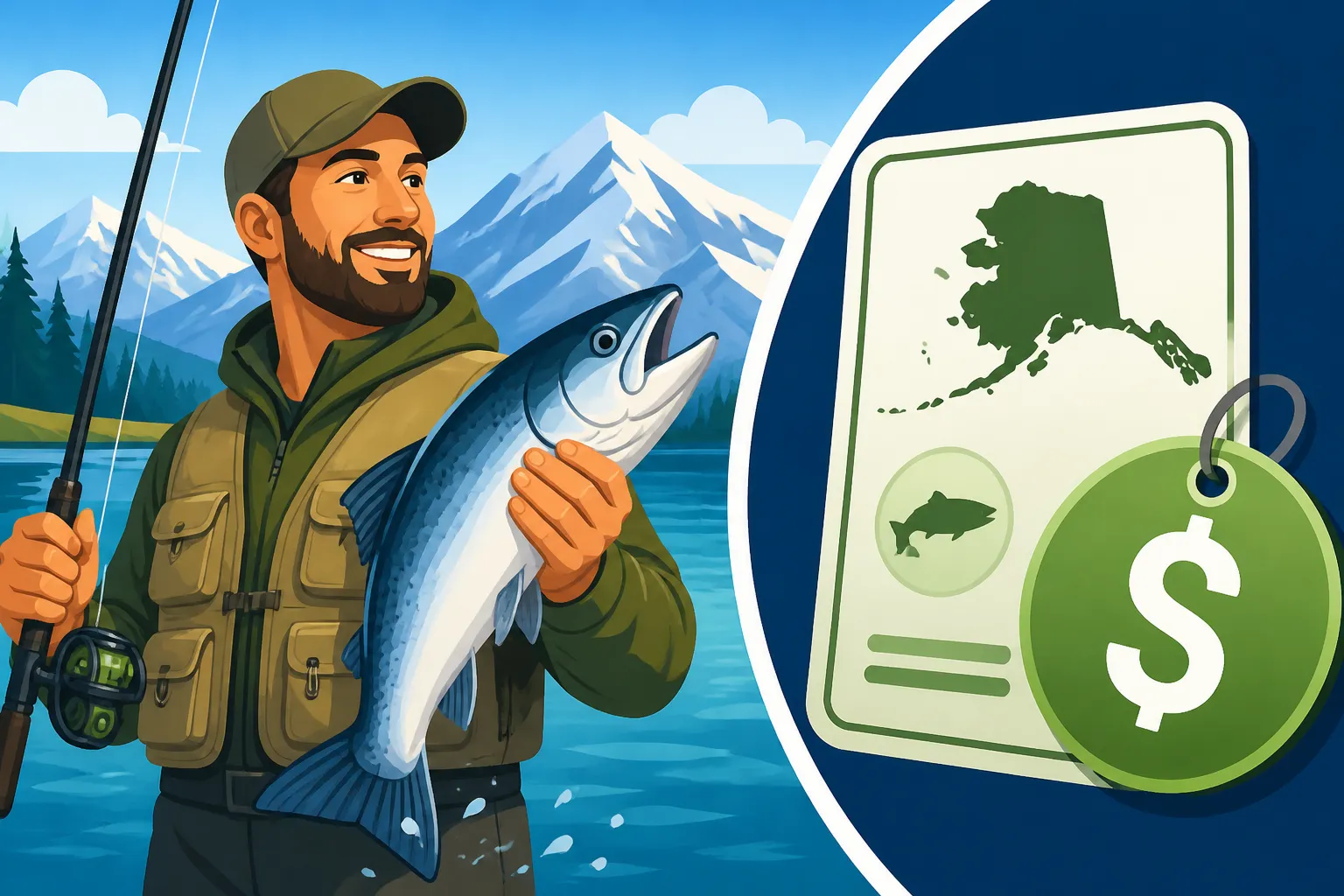
For most resident anglers, the annual sport fishing license is quite affordable. As of recent information, a standard annual resident sport fishing license typically costs around $20. This relatively small fee unlocks an entire year of fishing across the vast majority of Alaska's waters, making it an incredible value for local enthusiasts. Compare that to what a non-resident might pay for a short-term license, and you'll see why residency has its privileges!
This base fee covers your general sport fishing activities, whether you're casting for Dolly Varden in a clear stream, dropping a line for Halibut in Kachemak Bay, or trying your hand at the prolific Sockeye runs. It's the foundation of your legal angling presence in the state, and it’s usually the first and most important purchase you’ll make. Remember, this annual fee is for the calendar year, so if you buy it in September, it's still only valid until December 31st of that same year. Most savvy anglers buy theirs early in the new year to get the full value.
King Salmon Stamp Considerations
Ah, the King Salmon. Revered by many, they are often the prized target of anglers in Alaska. However, if you plan to target King Salmon, you'll need more than just your base sport fishing license. You'll also need to purchase an Alaska King Salmon Stamp. This isn't just an optional extra; it's a mandatory requirement for any angler, resident or non-resident, who wishes to catch or even attempt to catch a King Salmon, regardless of where or how you fish for them.
The cost of a resident King Salmon Stamp is generally much lower than the non-resident version, typically around $10 for an annual stamp. This stamp is crucial because it helps fund specific King Salmon conservation efforts, which are particularly important given the fluctuating populations of these magnificent fish. If you accidentally hook a King without a stamp, you're legally obligated to release it immediately and unharmed. Failing to do so can lead to significant fines. So, if you're planning to target these majestic fish, make sure to add the stamp to your license purchase. You can find more details on How Much Is the Alaska King Salmon Stamp to plan your budget accordingly.
Additional Permits and Special Area Fees
While the annual license and King Salmon Stamp cover most scenarios, there are a few niche situations or specific fisheries where additional permits or fees might apply. These are less common for general resident sport fishing but are worth being aware of, especially if you're venturing into particular types of fishing. For instance, certain personal use fisheries, like dipnetting for Sockeye Salmon on the Kenai or Chitina rivers, require a separate permit in addition to your sport fishing license. These permits are usually very affordable for residents, often just a few dollars, and are essential for participation in these popular, subsistence-style fisheries.
Furthermore, some land management agencies, like national parks or military bases, might have their own supplementary permits or regulations on top of state requirements. While not typically a "fee" collected by ADF&G directly for your fishing license, they are an additional cost or step to consider when planning your trip. It's always a good habit to check local regulations for your specific fishing destination, especially if it's in a protected or managed area. Staying informed will ensure your fishing adventure is enjoyable and compliant.
Here's a quick overview of typical resident fishing license costs and common stamps:
| License Type | Typical Resident Cost (Annual) | Notes |
|---|---|---|
| Sport Fishing License | $20 | Required for general sport fishing activities |
| King Salmon Stamp | $10 | Required in addition to license for targeting King Salmon |
| Combination Hunt/Fish License | $30-$40 | Combines annual hunting and fishing, often a better value |
| Senior Fishing License | Free or Reduced | For eligible residents 60+; specific residency rules apply |
| Disabled Veteran Fishing | Free or Reduced | For eligible disabled residents; specific disability ratings apply |
| Personal Use Dipnet Permit | $25 | Required for personal use dipnetting (e.g., Kenai, Chitina) |
Note: Prices are approximate and subject to change by the Alaska Department of Fish and Game. Always verify current fees before purchasing.
Where and How to Purchase Your Resident License
Once you know which license and stamps you need, the next step is actually acquiring them. The Alaska Department of Fish and Game has made this process quite accessible, offering both convenient online options and traditional in-person retail points. Choosing the right method often depends on your preference for digital versus physical, and how immediately you need your license.
Online Purchase Process
For many modern anglers, purchasing an Alaska fishing license online is by far the easiest and most preferred method. The ADF&G website provides a user-friendly portal where you can select your license type, add any necessary stamps, and complete the transaction with a credit card. The biggest advantage here is convenience: you can do it from the comfort of your home, any time of day or night. You can print your license immediately, or simply save a digital copy on your phone to show proof if asked by a Fish and Wildlife Trooper.
The online system also often allows you to view your license history, reprint lost licenses, and even purchase licenses for family members. This method is incredibly efficient and cuts out the need to visit a physical store, which can be a real time-saver, especially if you live in a more remote area or have a busy schedule. If you want to dive deeper into the steps, this guide on How to Get an Alaska Fishing License Online walks you through everything. Just make sure your printer is working, or you have a reliable way to display the digital version!
In-Person Retailers and Vendors
For those who prefer a tangible license in hand, or who might not have easy access to a printer, buying your fishing license in person is still a widely available option. There are hundreds of license vendors scattered across Alaska, typically found in sporting goods stores, tackle shops, general stores, and sometimes even gas stations, especially in smaller communities. Places like Fred Meyer, Carrs-Safeway, and independent tackle shops often serve as official license vendors. This allows you to combine your license purchase with picking up some last-minute bait, tackle, or even some snacks for your fishing trip.
The benefit of purchasing in person is the immediate gratification of having a physical copy of your license. You can also ask any last-minute questions about regulations or local hot spots from the store staff, who are often knowledgeable anglers themselves. This method is a tried-and-true way to get your license and is a great option for those who like to support local businesses while getting ready for their adventure. You can usually find a list of local vendors on the ADF&G website if you're unsure where to go. Exploring Where to Buy an Alaska Fishing License can help you find a convenient spot near you.
Important Information for First-Time Purchasers
If this is your very first time purchasing an Alaska resident fishing license, there are a few extra things to keep in mind. First and foremost, you'll need to prove your residency. This typically means having lived in Alaska for a continuous 12 months immediately preceding your license purchase. You'll need to present valid identification, such as an Alaska driver's license or state ID, and potentially other documents that establish your physical presence in the state (like utility bills or rental agreements). Don't just show up expecting to buy a resident license if you just moved here last month; the system is designed to prevent non-residents from taking advantage of resident prices.
Secondly, always double-check the dates and species endorsements on your license before you leave the counter or close the browser window. Ensure that your King Salmon Stamp, if needed, is properly affixed or linked to your license. It's a small detail that can save you a big headache down the line. Finally, remember that your license is a privilege, not a right. Always carry it with you while fishing, and be ready to present it to a Fish and Wildlife Trooper if requested. Understanding Alaska Fishing License Age Requirements is also important, particularly if you're purchasing for younger family members.
Why Resident License Costs Matter Beyond the Price Tag
The cost of an Alaska resident fishing license is more than just a fee you pay to cast a line. It's a fundamental component of a much larger system that protects and sustains the very fisheries we all love. Understanding where your money goes and the role it plays can help you appreciate the importance of compliance and the value these licenses bring to the state's natural resources.
Funding Alaska's Fisheries Conservation
Every dollar spent on an Alaska fishing license, whether by a resident or a non-resident, goes directly back into the management, research, and conservation of the state's fish populations and their habitats. These funds are vital for the Alaska Department of Fish and Game to conduct essential work, such as:
- Fish Stock Assessments: Monitoring fish populations, determining migration patterns, and forecasting future returns, which directly informs fishing regulations and bag limits.
- Habitat Protection: Safeguarding spawning grounds and critical nursery areas from degradation, ensuring healthy environments for fish to thrive.
- Fisheries Enforcement: Funding the efforts of Fish and Wildlife Troopers who patrol rivers and coastal waters, ensuring compliance with regulations and preventing poaching.
- Hatchery Programs: In some areas, license fees may support hatchery operations that supplement wild fish stocks, particularly for species like King Salmon, to enhance fishing opportunities.
Without these funds, the robust, sustainable fisheries Alaska is famous for simply wouldn't exist in the same way. When you buy a license, you're not just buying permission to fish; you're investing in the future of Alaska fishing.
Avoiding Costly Violations and Fines
This is a big one, and it's where the initial cost of a license truly pales in comparison to the potential expenses of non-compliance. Fishing without a valid license, or without the required King Salmon Stamp, is a serious violation in Alaska. The fines can be substantial, often hundreds of dollars, and sometimes even lead to the confiscation of your gear or catch. Imagine having to pay a $300 fine for a $20 license you could have easily purchased online – it's a frustrating and completely avoidable situation.
Beyond the monetary penalties, a violation can also tarnish your record, potentially impacting future outdoor recreational privileges. Fish and Wildlife Troopers are diligent, patrolling popular fishing areas like the Kenai River, Russian River, and Ship Creek in Anchorage. They are highly trained and experienced in identifying violations, and they prioritize the sustainability of Alaska's resources. It’s far better to spend a few minutes ensuring you have the correct and valid licenses than to face the embarrassment and expense of a citation. Learn more about Alaska Fishing Violations and Fines to understand the full scope of potential issues.
Planning Your Fishing Budget Effectively
Knowing the exact cost of your resident fishing license and any required stamps allows you to budget effectively for your Alaska fishing adventures. For a resident, the annual license is a relatively small fixed cost, making it easy to factor into your yearly expenses. This predictability is a huge benefit, especially when compared to the variable costs of tackle, travel, or potentially booking a charter.
By securing your license early in the season, you remove a major item from your checklist and can focus on the more exciting aspects of planning: where to go, what bait to use, and when the runs are strongest. Whether you're planning a week-long trip to Bristol Bay, or just a few afternoon trips to your local lake, having your license squared away ensures peace of mind and allows you to truly relax and enjoy the incredible experience of fishing in Alaska.
Disclaimer
Please remember that fishing regulations and license costs in Alaska are subject to change. Always consult the official Alaska Department of Fish and Game (ADF&G) website or their current Sport Fishing Regulations Summary booklet for the most up-to-date and accurate information before heading out on your fishing trip. This guide provides general information and should not be considered a substitute for official regulations.