Best Alaska Fishing Lodge for Sockeye
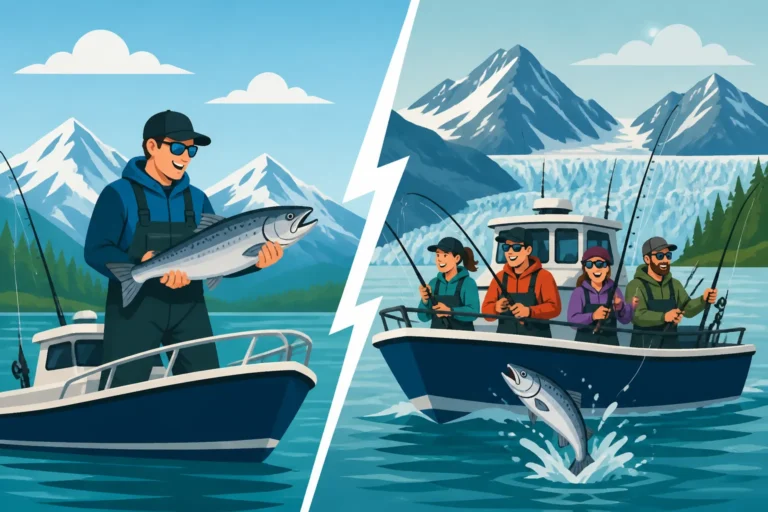
If you've ever dreamt of battling a chrome-bright sockeye salmon as it surges upstream, you know the allure of Alaska fishing. But finding that perfect fishing lodge, the one that truly specializes in sockeye and puts you right in the heart of the action, can feel like searching for a needle in a haystack. There are so many options, and it's tough to know which ones genuinely deliver. This comprehensive guide is here to help you navigate the choices, understand what makes a sockeye lodge truly shine, and ultimately find your ideal basecamp for an unforgettable red salmon adventure.
Understanding What Makes a Lodge Premier for Sockeye Fishing
When you're looking for an Alaska fishing lodge with a focus on sockeye, it's not just about finding a place with a comfy bed and good food (though those are certainly bonuses!). It's about access, expertise, and the entire experience tailored to this incredible species. Sockeye are notoriously challenging to catch in many areas, requiring specific techniques and precise timing. A premier lodge understands this deeply.
Proximity to Prime Sockeye Runs
The absolute cornerstone of a great sockeye lodge is its location. You want to be right where the action is, not spending hours commuting to and from the fishing grounds. This means lodges situated directly on, or very close to, rivers and streams known for their strong sockeye salmon returns. Think about how frustrating it would be to pay for a fantastic lodge only to discover you're still driving an hour each way just to wet a line.
A top-tier sockeye lodge will often boast about its "walk-in" access or short boat rides to legendary sockeye stretches. For instance, lodges along the Kenai River or its tributaries, or those offering fly-out access to remote Bristol Bay rivers, are often considered prime. This isn't just a convenience; it's a strategic advantage. Being close allows you to hit the water early, stay late during peak runs, and even sneak in an extra session if the mood strikes. It also minimizes travel time, maximizing your actual fishing time which is precious when you've traveled all the way to Alaska. Knowing the Alaska Sockeye Salmon Run Timing for your chosen region is critical here, as even a perfectly located lodge needs to align with when the fish are actually there.
Expert Guides and Tailored Techniques
Sockeye salmon fishing isn't always about casting a lure and reeling it in. In many popular fisheries, especially those with high concentrations of fish like on the Kenai River, specific techniques are required. This often involves "flossing" or "lining" – a method where the line passes through the sockeye's mouth, and a quick set of the hook snags them in the jaw. This requires skill, practice, and the right gear. A top lodge for sockeye will have guides who are not only masters of these techniques but are also patient teachers.
Imagine arriving with dreams of catching sockeye, only to find your guide is more comfortable with king salmon techniques. That's a recipe for disappointment. The best guides will be intimately familiar with sockeye behavior, river conditions, and the most effective presentations for the day. They'll have a deep understanding of How to Catch Sockeye Salmon in Alaska, adapting their approach based on water levels, clarity, and the fish's mood. They should be able to teach you the nuances, from the proper weight and leader length to the precise angle of your cast and the feel of the take. These guides are your frontline teachers, and their expertise can make or break your sockeye experience.
Specialized Gear and Equipment
While you can bring your own gear, a superior sockeye lodge will provide high-quality, sockeye-specific equipment. This typically includes longer, medium-heavy action spinning rods (often 9-10 feet), matched with durable spinning reels spooled with strong braided line. The terminal tackle — leaders, weights, and hooks — will also be optimized for sockeye fishing.
This attention to detail means you don't have to worry about whether your gear is up to snuff or if you've brought the right size weights. When you're trying to consistently hit the strike zone in a fast-moving river with thousands of sockeye, having the right setup makes a huge difference. They’ll also often provide waders and boots, which are essential for navigating riverbanks safely and comfortably. For river-based adventures, having good quality waders is non-negotiable, and it's a huge plus if the lodge has gear specifically sized for you. Many lodges understand that not every angler travels with their full arsenal, and providing reliable equipment is part of their service.
Top Regions for Sockeye Salmon and Their Lodge Offerings
Alaska is vast, and sockeye salmon run in many different regions. However, a few areas stand out as true meccas for sockeye anglers, each offering distinct experiences and types of lodges.
The Kenai Peninsula: Roadside Access and Legendary Runs
The Kenai Peninsula, particularly the Kenai River and its tributaries like the Russian River, is arguably the most famous sockeye destination in Alaska. Its accessibility, with many areas reachable by car from Anchorage, makes it incredibly popular. The sockeye runs here are colossal, drawing anglers from around the world.
Lodges on the Kenai Peninsula often range from rustic cabins to more luxurious all-inclusive resorts. Many are situated directly on the river or within a short drive to popular access points. They typically cater to a high volume of anglers during peak season, focusing on guided drift boat trips or bank fishing opportunities. On the Kenai, guides are experts at techniques like "flossing" or using beads for trout that often follow the salmon. For those seeking the ultimate Kenai experience, understanding the nuances of Kenai River Fishing: Complete Guide is key. You'll find lodges in towns like Soldotna, Cooper Landing, and Sterling, each offering different vibes and proximity to various fishing holes. For example, Cooper Landing is great for access to the upper Kenai and Russian River confluence, while Soldotna offers closer access to the middle and lower river sections. Given the popularity, many lodges book up a year or more in advance, especially during the peak July sockeye runs.
| Region | Primary Sockeye Months | Typical Fishing Style | Accessibility | Lodge Vibe | Key Advantage |
|---|---|---|---|---|---|
| Kenai Peninsula | June, July, August | Bank fishing, Guided Drift Boat | Road Accessible | Varied, from rustic to upscale | Massive runs, diverse amenities, family-friendly |
| Bristol Bay | June, July | Fly-out, Walk-wading, Boat fishing | Fly-in Only | Remote, All-inclusive | Wilderness experience, pristine fisheries |
| Kodiak Island | July, August | Boat access, Stream wading | Fly-in/Boat access | Rustic, Adventure-focused | Less crowded, excellent bear viewing |
| Southeast Alaska | July, August | Stream fishing, Saltwater trolling | Ferry/Floatplane | Quaint, Coastal | Beautiful scenery, diverse fishing options |
Bristol Bay: Remote Wilderness and Untouched Fisheries
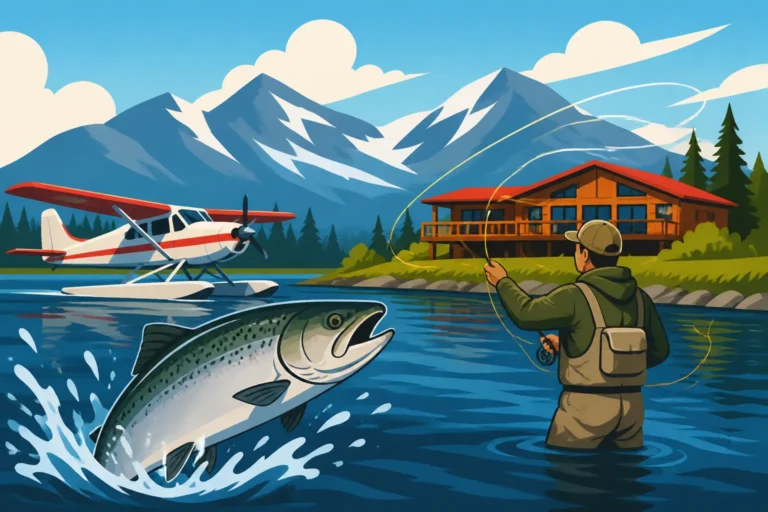
For those seeking a more remote, wilderness-centric sockeye experience, Bristol Bay is unparalleled. This region, encompassing rivers like the Nushagak, Naknek, and Alagnak, is home to the largest sockeye salmon runs on earth. Access is primarily by floatplane, leading to remote fly-in lodges that offer all-inclusive packages.
These lodges typically provide daily fly-out trips to different rivers and streams, ensuring you're always fishing fresh water and experiencing diverse landscapes. The emphasis here is on a true Alaskan wilderness adventure, often combining sockeye fishing with opportunities for rainbow trout, char, and even bear viewing. The guides at these lodges are often bush pilots themselves, or work closely with them, coordinating your daily excursions to pristine waters. While the cost is generally higher due to the logistics and remoteness, the experience is often described as once-in-a-lifetime. If you're looking to dive deep into this region, our Bristol Bay Fishing Guide offers more insights into what to expect. These lodges are perfect for anglers who want to escape the crowds and immerse themselves in untouched nature, with incredible numbers of sockeye.
Other Notable Sockeye Destinations
While the Kenai and Bristol Bay are powerhouses, other regions also offer fantastic sockeye opportunities, often with a slightly different flavor.
- Kodiak Island: Known for its bears and rugged beauty, Kodiak also has strong sockeye runs in rivers like the Karluk and Ayakulik. Lodges here often combine fishing with wildlife viewing, offering a truly wild Alaskan experience.
- Prince William Sound: Accessible from towns like Valdez and Whittier, certain rivers in Prince William Sound see strong sockeye returns. Lodges in this region might offer a mix of saltwater and freshwater fishing, with sockeye being a prime target in season.
- Southeast Alaska: Rivers near communities like Sitka, Juneau, and Ketchikan also have sockeye runs, though often on a smaller scale than the Kenai or Bristol Bay. Lodges here may combine sockeye fishing with targeting other salmon species or bottomfish, all amidst stunning coastal scenery.
When considering these alternative locations, be sure to research the specific river systems and their sockeye populations, as well as the types of fishing experiences offered by local lodges.
Factors to Consider When Choosing Your Sockeye Lodge
Selecting the right lodge involves more than just knowing where the fish are; it's about matching the experience to your preferences, budget, and desired level of comfort.
Budget and Inclusions
Alaska fishing lodges, especially those specializing in sockeye during peak season, can vary significantly in price. This is often the first and most crucial factor for many anglers. A high-end, all-inclusive fly-in lodge in Bristol Bay will naturally cost more than a cabin rental on the Kenai River.
When comparing prices, make sure you understand what's included. Does the price cover your flights to the lodge (if fly-in)? All meals? Guided fishing? Gear rental? Fish processing and packaging for your trip home? Many lodges offer comprehensive packages, but some might have hidden costs for things like additional guided days, alcoholic beverages, or specialized equipment. For instance, knowing the typical Alaska Fishing Charter Cost Explained can help you compare daily guided rates if you opt for a lodge that allows you to book guiding separately. Always ask for a detailed breakdown of what your package includes and what optional extras might incur additional charges. A good way to compare options and see what's included across different regions is to check platforms like FishingBooker, which often list out package details clearly. Don't be shy about asking pointed questions before you commit!
Group Size and Experience Level
Are you traveling solo, with a partner, or bringing a larger group or family? Some lodges are better suited for intimate groups, while others can accommodate larger parties with multiple guides and boats. Similarly, consider your fishing experience level. If you're a seasoned angler, you might prefer a lodge that offers more independence or opportunities for advanced techniques. If you're a beginner, a lodge with patient, hands-on guides and instructional opportunities will be invaluable.
For families, look for lodges that cater to diverse interests, not just hardcore fishing. Some might offer other activities like wildlife viewing, hiking, or even kid-specific programs. On the other hand, a lodge focused solely on trophy sockeye might not be the best fit for a family with young children who might lose interest after an hour. A good lodge should be able to tailor the experience to your group's dynamic. If you're considering taking children, it's worth checking out "Alaska Fishing License Age Requirements" to understand what permits they might need.
Amenities and Comfort Level
After a long day of battling sockeye, where you lay your head matters. Lodge amenities can range from basic, rustic cabins with shared facilities to luxurious private rooms with gourmet meals and hot tubs. Think about what level of comfort you desire. Do you want a chef-prepared meal every night, or are you happy with hearty, home-cooked fare? Do you need Wi-Fi and cell service, or are you looking to truly disconnect?
Consider services like daily room cleaning, laundry facilities, and social areas. Some lodges foster a communal atmosphere with shared dining tables and evening campfires, while others offer more privacy. The "best" lodge for sockeye isn't just about the fishing; it's about the overall experience and how well it matches your personal comfort preferences. Reading reviews on sites like FishingBooker can give you a good sense of the lodge's atmosphere and amenities from previous guests' perspectives.
Booking Your Dream Sockeye Adventure
Once you've narrowed down your choices, the booking process itself requires careful planning to ensure a smooth and successful trip.
Timing Your Trip
Sockeye salmon runs in Alaska are migratory, meaning they arrive and peak at specific times. While runs can fluctuate year to year due to various environmental factors, there are general patterns. Generally, the first major sockeye runs on the Kenai and in Bristol Bay start in mid-June and continue strongly through July. Later runs might extend into August in some areas.
It's crucial to align your trip dates with the peak sockeye run for your chosen region. While you can certainly catch sockeye on the fringes of the run, hitting the sweet spot dramatically increases your chances of success. Many lodges will provide detailed information on historical run timing. You can also consult resources like the Alaska Department of Fish and Game (ADF&G) for current and forecasted run data. Remember, the best lodges for sockeye book up incredibly fast, often a year or more in advance, especially for prime July dates. Don't wait until the last minute! To get a detailed understanding of the seasonal shifts, consider reading Alaska Fishing Seasons: Month-by-Month Guide.
Asking the Right Questions
Before you put down a deposit, have a thorough conversation with the lodge owner or booking manager. Don't leave any stone unturned. Here are some key questions to ask:
- Specific Sockeye Focus: How much of the guiding time is dedicated specifically to sockeye? What techniques do their guides primarily use for sockeye?
- Fish Processing: What is their process for handling, cleaning, freezing, and packaging your catch? Is it included in the price? Can they arrange shipping? Knowing Alaska Fish Transport and Shipping Rules is vital if you plan to take your catch home.
- Guide-to-Guest Ratio: What is the typical guide-to-guest ratio? This impacts the amount of personalized instruction you'll receive.
- Weather and Contingency Plans: What happens if weather makes fishing impossible? Do they have alternative activities or a refund/reschedule policy? Look into their "Alaska Charter Cancellation and Weather Policies" for clarity.
- References: Can they provide references from past guests who specifically targeted sockeye?
- License and Stamps: Do I need a specific license or stamp for sockeye? For example, while not usually for sockeye, it's good to be aware of requirements like the Do You Need a King Salmon Stamp in Alaska for other species.
These questions will give you a clearer picture of what to expect and help you avoid any unpleasant surprises. Websites like FishingBooker can sometimes help by listing FAQs or allowing direct communication with lodge representatives before booking.
What to Expect Upon Arrival
When you finally arrive at your chosen sockeye fishing lodge, whether by floatplane in a remote wilderness or by driving up to a riverfront property, be prepared for an immersive experience. You'll typically have an orientation, meet your guides, and settle into your accommodations. Your gear will be provided or checked, and you'll get a rundown of the daily schedule.
The days usually start early, with breakfast before heading out to the fishing grounds. You'll spend the day on the river or lake, focusing on sockeye, with breaks for lunch, often packed by the lodge. Evenings are for hearty dinners, sharing stories with fellow anglers, and relaxing. Many lodges also offer amenities like drying rooms for wet gear, tackle shops for any forgotten items, and comfortable common areas for socializing. This is where the long days under the midnight sun truly blend into an unforgettable adventure, leaving you with memories that last a lifetime, and hopefully a cooler full of delicious Alaska sockeye. For a more general overview of what to expect on a guided trip, consider reading What to Expect on an Alaska Fishing Charter.
Disclaimer
Please note that fishing regulations in Alaska can change frequently due to emergency orders issued by the Alaska Department of Fish and Game. Always verify current regulations, limits, and license requirements before you go fishing. This guide provides general information and should not be considered a substitute for official sources.