How to Combine Salmon and Halibut in One Alaska Trip
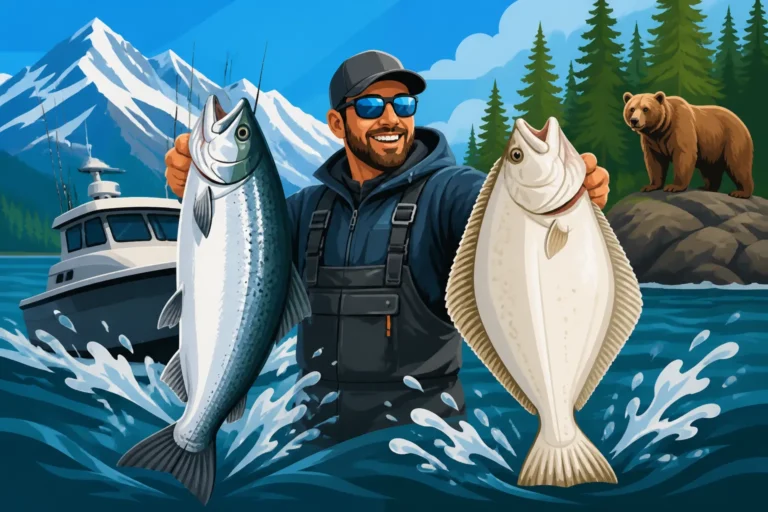
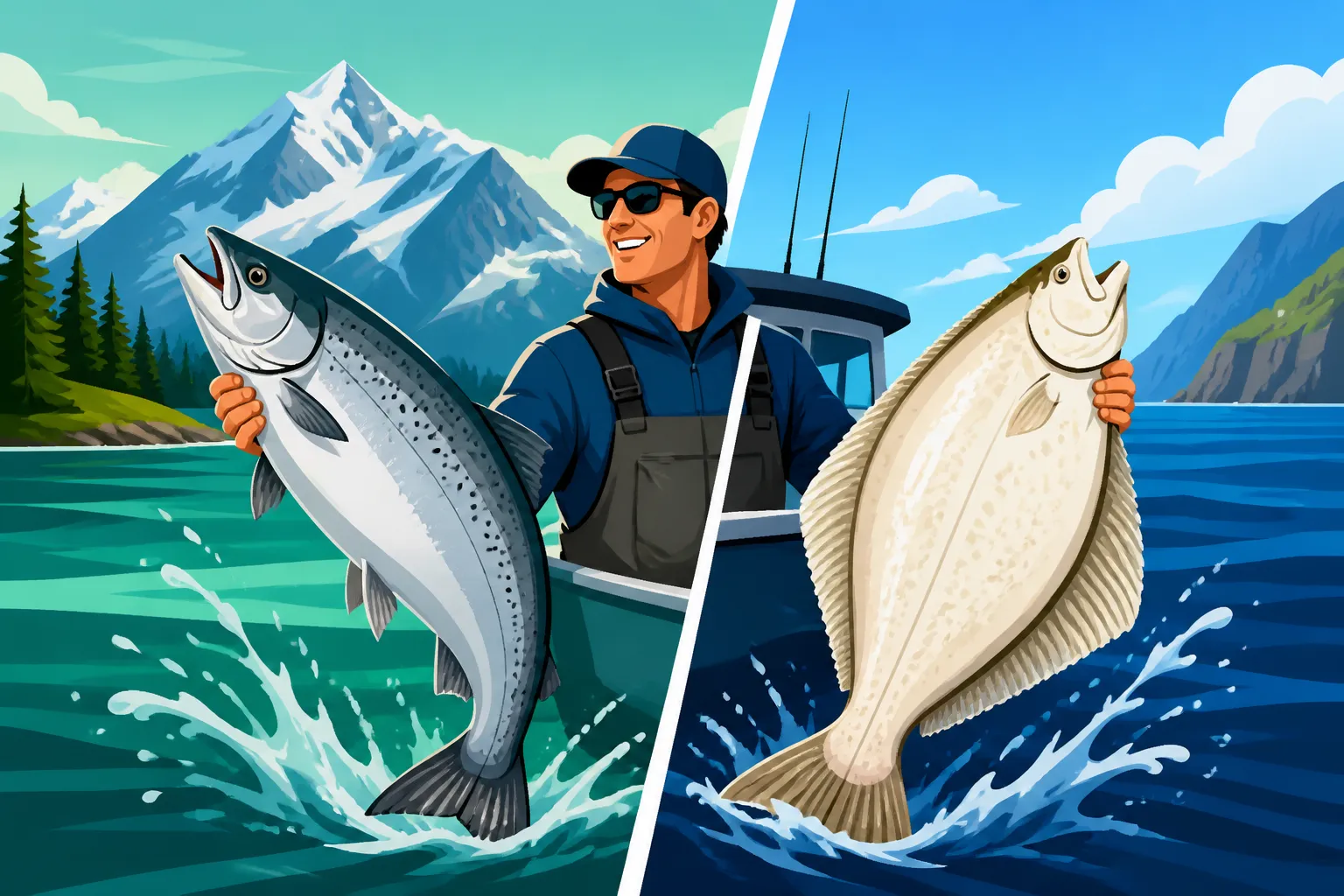
Planning an Alaska fishing trip can feel like a daunting puzzle, especially when you're dreaming of landing both a monstrous halibut and a powerful salmon. Many anglers arrive eager for both experiences but quickly realize that coordinating seasons, locations, and logistics is far more complex than a simple Google search might suggest. This guide is here to untangle that complexity, providing you with a clear roadmap to successfully combine salmon and halibut fishing into one unforgettable Alaskan adventure.
Why Combine Salmon and Halibut on Your Trip
Let's be real, if you're coming all the way to Alaska, you want to experience as much of its legendary fishing as possible. Salmon and halibut represent the pinnacle of Alaskan sportfishing, each offering a distinct challenge and reward. Combining them isn't just about maximizing your catch; it's about experiencing the diverse ecosystems and fishing cultures that make Alaska so special.
The Allure of Salmon and Halibut
Salmon fishing in Alaska is an electrifying experience. Whether it's the acrobatic jumps of a silver salmon (coho) or the sheer power of a king salmon (Chinook) stripping line, these fish provide an adrenaline rush unlike any other. You'll often find yourself amidst stunning river landscapes, casting into crystal-clear waters or fighting fish from a drift boat. There are five species of Pacific salmon found here – kings, sockeye (reds), coho, pinks (humpies), and chums (dogs) – each with its own fighting style and culinary qualities.
Then there's halibut. Oh, the halibut! These massive bottom dwellers are often called "barn doors" for a reason. Hooking into a large halibut feels like trying to reel in a submarine. It's a test of strength and endurance, often taking place on the vast, open waters of Cook Inlet, Prince William Sound, or the Gulf of Alaska. The satisfaction of hauling up a colossal flatfish from the deep, knowing it will provide countless delicious meals, is truly unparalleled. The challenge lies in that they typically inhabit different environments and have different peak seasons, leading to the common dilemma of which one to prioritize.
The Challenges of a Combo Trip
While the dream of a salmon and halibut combo is strong, it presents some logistical hurdles. First, you're often dealing with different fishing methods and gear. Salmon fishing often involves lighter tackle, casting, trolling, or back-bouncing in rivers, while halibut fishing requires heavy-duty rods, electric reels, and deep-sea jigging or bait fishing in saltwater. This means either bringing a lot of gear or relying heavily on your charter operator to provide the right equipment for each outing.
Second, the prime seasons for different salmon species don't always perfectly align with the peak halibut season, and even when they do, you need to be in the right place. For example, early June might be fantastic for king salmon on the Kenai River but still a bit early for the absolute best halibut action further south. Conversely, late August offers incredible coho salmon fishing, but the halibut bite might be tapering off from its mid-summer peak. Plus, you need to be mindful of constantly changing regulations, especially for species like king salmon and halibut, which often have specific daily and annual limits, size restrictions, or even weekly closures. You can find detailed information on these fluctuating rules by checking resources like the guide on Alaska Halibut Charter Regulations Explained or specific salmon species like Alaska King Salmon Fishing Regulations and Limits.
Strategic Planning: When and Where to Go
Successful combination trips hinge on meticulous planning, primarily around timing and location. Alaska is immense, and fish runs are highly localized and seasonal. You can't just show up anywhere and expect to catch both.
Optimal Timing for Salmon and Halibut
The sweet spot for combining salmon and halibut fishing generally falls between late June and early September. This window offers the best overlap for multiple salmon species and the robust halibut season.
Here’s a general breakdown to consider:
- Late June to Early July: This is prime time for the first run of Kenai River sockeye salmon, and often good for king salmon (though king runs can be unpredictable). Halibut fishing is usually excellent by this point, especially in the central and southern Gulf Coast waters. If you're targeting those prized early-season king salmon, this is your best bet for a multi-species river experience while also getting into halibut.
- Mid-July to Early August: This period often sees the peak of the sockeye salmon run on many rivers, including the famous Kenai, and king salmon fishing might still be an option in certain areas if regulations allow. Silver salmon (coho) are also starting to show up in some areas by late July. Halibut fishing remains strong, making this a fantastic window for a diverse catch.
- Mid-August to Early September: This is widely considered the peak for silver salmon, with many rivers absolutely teeming with these aggressive, hard-fighting fish. Chum and pink salmon are also abundant. Halibut fishing is still very productive, though the biggest "barn doors" might become a bit more spread out as the season progresses. This is an excellent time for those who prioritize silvers and don't mind a slightly cooler fishing experience.
To help visualize this, here's a rough seasonality table for major species in key combo regions:
| Species / Month | June | July | August | September |
|---|---|---|---|---|
| King Salmon | Good | Fair | Fair | Sparse |
| Sockeye Salmon | Good | Peak | Good | Sparse |
| Coho Salmon | Fair | Good | Peak | Peak |
| Halibut | Good | Peak | Peak | Good |
Remember, these are general guidelines. Alaska Fishing Seasons: Month-by-Month Guide provides a much deeper dive into what's biting throughout the year.
Prime Locations for Combo Trips
Certain regions in Alaska are naturally better suited for combining these two fantastic fisheries due to their geography, proximity to both freshwater and saltwater, and infrastructure.
- Kenai Peninsula (Homer, Seward, Ninilchik, Soldotna, Cooper Landing): This is arguably the most popular and accessible region for a combo trip.
- Homer: Known as the "Halibut Fishing Capital of the World," Homer boasts exceptional halibut fishing in Kachemak Bay and the deeper waters beyond. From Homer, you can easily book a halibut charter for a full or half-day trip.
- Seward: Located on Resurrection Bay, Seward is another excellent base for saltwater charters targeting halibut, rockfish, and lingcod. It also offers incredible silver salmon fishing in late summer in the surrounding bays and rivers.
- Soldotna/Cooper Landing: These towns are centrally located on the Kenai River, providing access to world-class salmon fishing for kings, sockeye, and coho. From here, you can drive a short distance (1-2 hours) to Homer or Seward for your halibut excursion. Many outfitters in the Soldotna area, like those found through services like FishingBooker, specialize in packaging these multi-species adventures. The Kenai River Fishing: Complete Guide offers extensive details for this area.
- Southeast Alaska (Sitka, Juneau, Ketchikan): This region is also fantastic for combos, albeit with a different feel, as it's typically accessed by plane or ferry rather than the road system.
- Sitka: Renowned for its phenomenal saltwater fishing, Sitka offers abundant king salmon, coho salmon, and halibut opportunities. Many lodges here run dedicated combo trips.
- Juneau/Ketchikan: These cities also provide excellent access to both saltwater salmon (kings, coho) and halibut, often on the same charter trip that might move between offshore and nearshore waters. The fishing here is predominantly ocean-based, with salmon often caught by trolling in saltwater rather than river casting.
When choosing a location, consider how much travel you're willing to do between fishing grounds. The Kenai Peninsula offers excellent road-accessible options for switching between river and ocean. For Southeast, a lodge-based trip often simplifies the logistics, as they coordinate all aspects.
Crafting Your Itinerary: Day Trips vs. Multi-Day Adventures
Once you've decided on your general timeframe and region, the next step is to structure your actual trip. This usually boils down to whether you prefer a series of distinct day trips or a more immersive, multi-day experience.
Booking Day Charters Separately
This is often the most flexible and budget-friendly approach, especially for independent travelers. You would typically base yourself in a central location, like Soldotna on the Kenai Peninsula, and then book individual charters.
- Example Itinerary (Kenai Peninsula – 5 Days):
- Day 1: Arrival & Setup. Arrive in Anchorage, pick up your rental car, and drive to Soldotna. Settle into your lodging.
- Day 2: Kenai River Sockeye/King Salmon. Early morning guided trip on the Kenai River. You'd focus on species like sockeye or king salmon, depending on the season. Guides often provide all necessary gear.
- Day 3: Travel to Homer & Halibut. Drive down to Homer (about 1.5-2 hours) for a full-day halibut charter. You might depart very early in the morning and return late afternoon. You could stay overnight in Homer or drive back to Soldotna.
- Day 4: Kenai River Coho/Trout. Another guided river trip, perhaps targeting silver salmon (coho) or even rainbow trout if available. This allows for a different river experience.
- Day 5: Departure. Enjoy a relaxed morning, perhaps visit a local attraction, then drive back to Anchorage for your flight.
This approach gives you control over your schedule and allows for downtime. You can use platforms like FishingBooker to easily find and book various charters in different locations, comparing options and reviews. For instance, you could book a halibut trip out of Homer and a salmon trip on the Kenai River with different operators, all from one convenient platform.
All-Inclusive Lodge Packages
For a truly seamless and often luxurious experience, an all-inclusive lodge package is the way to go. These lodges typically handle all your logistics: accommodations, meals, transportation (including flights to remote locations), and daily guided fishing trips that often include both salmon and halibut.
- Example Lodge Experience (Remote Lodge – 7 Days):
- Day 1: Arrival. Fly from Anchorage to a remote lodge, often via a small bush plane. Settle into your cabin.
- Days 2-6: Guided Fishing. Each day, you'll embark on fully guided trips. This might include:
- 2-3 days of saltwater fishing: Targeting halibut, king salmon (if in season), and coho salmon, often on offshore boats.
- 2-3 days of freshwater fishing: Fly-out trips to different rivers for sockeye, coho, or trophy rainbow trout.
- Day 7: Departure. Fly back to Anchorage with your processed catch.
While more expensive, these packages eliminate all the planning stress and often put you in incredibly productive, less-fished waters. The lodge staff are experts at maximizing your chances for diverse species. It's truly a bucket-list experience for those who want everything taken care of.
Essential Itinerary Considerations
No matter your chosen approach, keep these points in mind:
- Flexibility: Alaskan weather can be fickle, especially for ocean charters. Be prepared for potential delays or rescheduling. A good charter company, like those you can find on FishingBooker, will communicate openly about weather conditions.
- Fish Processing: How will your catch be handled? Most reputable charters and lodges offer fish processing, vacuum sealing, and freezing services. Many also assist with shipping your fish home. This is a critical detail that's often overlooked but crucial for enjoying your bounty later. Learn more about Fish Processing After an Alaska Charter.
- Licensing and Stamps: Don't forget your fishing license and any required stamps, such as the King Salmon stamp, which is mandatory for retaining king salmon. You can usually purchase these online through the Alaska Department of Fish and Game website before your trip or at local sporting goods stores. Make sure to understand Alaska Fishing License: Complete Guide and Do You Need a King Salmon Stamp in Alaska.
Gear, Guides, and Getting Your Catch Home
Even with the perfect itinerary, the success of your combo trip relies heavily on the right gear, expert guidance, and proper handling of your precious catch.
What Gear to Expect and What to Bring
One of the greatest advantages of booking with reputable charters or lodges is that they provide the specialized gear needed for Alaska's diverse fisheries.
- Halibut Fishing Gear: For halibut, expect heavy-duty conventional rods, often paired with level-wind or electric reels spooled with strong braided line (80-150 lb test). They'll also provide substantial weights (1-5 lbs), large circle hooks, and bait like herring, salmon heads, or squid. Good rain gear is non-negotiable on a halibut charter.
- Salmon Fishing Gear (River): For river salmon, expect medium-heavy spinning or baitcasting rods and reels. Line test typically ranges from 15-30 lb monofilament or braid, depending on the species and technique. Lures, flies, and bait (like cured salmon roe) will be provided by your guide. You will also likely need chest waders and wading boots for river fishing, though some bank fishing spots don't require them.
- What You Should Bring: While charters provide the main fishing equipment, you'll still need personal items. Layers of warm clothing are key; Alaska weather can change on a dime. Waterproof outer layers (rain jacket and pants), waterproof boots, polarized sunglasses, a brimmed hat, gloves, and sunscreen are essential. Don't forget your camera, and bring a small backpack for personal items. Many anglers also bring their own small tackle box with their favorite lures or flies, but discuss this with your guide beforehand.
The Value of Professional Guides and Charters
Trying to navigate Alaska's fisheries independently for a combo trip is incredibly challenging for a first-timer. This is where professional guides and charters shine.
- Expert Knowledge: Guides possess invaluable local knowledge about current fish runs, productive spots, and effective techniques. They track Alaska Fishing Emergency Orders Explained and know how to adjust to changing conditions or regulations. This expertise dramatically increases your chances of success.
- Safety: Whether battling rough seas for halibut or wading swift rivers for salmon, safety is paramount. Guides are trained in first aid, carry appropriate safety equipment, and know how to navigate dangerous waters.
- Equipment: As mentioned, they provide all the specialized gear, saving you the hassle and expense of transporting heavy or delicate equipment.
- Efficiency: Guides optimize your time on the water, ensuring you're fishing where the action is and employing the most effective methods. When you're trying to fit both salmon and halibut into one trip, this efficiency is crucial. Choosing the right guide is key, so don't hesitate to check out advice on How to Choose an Alaska Fishing Charter.
Handling Your Catch: From Boat to Freezer to Home
After a successful day, the work isn't over. Proper fish handling is vital to preserve the quality of your catch.
- On the Boat: Good charters will bleed your fish immediately and place them on ice. This is crucial for flavor and texture preservation. For larger halibut, they'll often be filleted on the boat or at the dock.
- Processing Facilities: Many towns with active fishing ports have dedicated fish processing facilities. Companies like Homer Fish Processing or Coal Point Seafood Company in Homer, or J-Dock Seafood Company in Seward, offer professional services for filleting, portioning, vacuum-sealing, and flash-freezing your fish. They'll pack it into airline-approved freezer boxes, ready for transport.
- Shipping Home: Most processing facilities can also arrange to ship your frozen fish directly to your home via FedEx or UPS. While this can be costly, it ensures your catch arrives safely and frozen solid. Alternatively, you can check your fish boxes as luggage on your flight. Be sure to confirm airline policies on frozen seafood and weight limits. Understanding Alaska Fish Transport and Shipping Rules is highly recommended. The cost of these services is an important part of your overall trip budget, so research it alongside your Alaska Fishing Charter Cost Explained.
Combining salmon and halibut into one Alaska fishing trip is an ambitious but entirely achievable goal. By carefully considering the timing, choosing the right locations, planning your itinerary, and leveraging the expertise of local guides and processors, you can create a truly legendary angling adventure that yields both the fight of a lifetime and a freezer full of delicious Alaskan bounty.
Disclaimer
The information provided in this guide is for general informational purposes only and does not constitute professional advice. Fishing regulations, seasons, and local conditions in Alaska can change rapidly. Always consult the most current regulations published by the Alaska Department of Fish and Game (ADF&G) and communicate directly with your chosen fishing charter or guide service before and during your trip. Fishing inherently involves risks; please prioritize safety and exercise caution in the Alaskan wilderness.