Do Alaska Charters Fish in the Rain
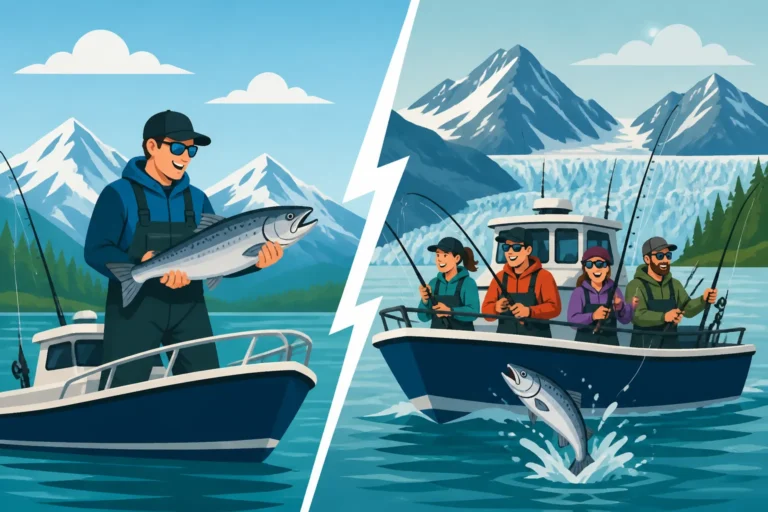
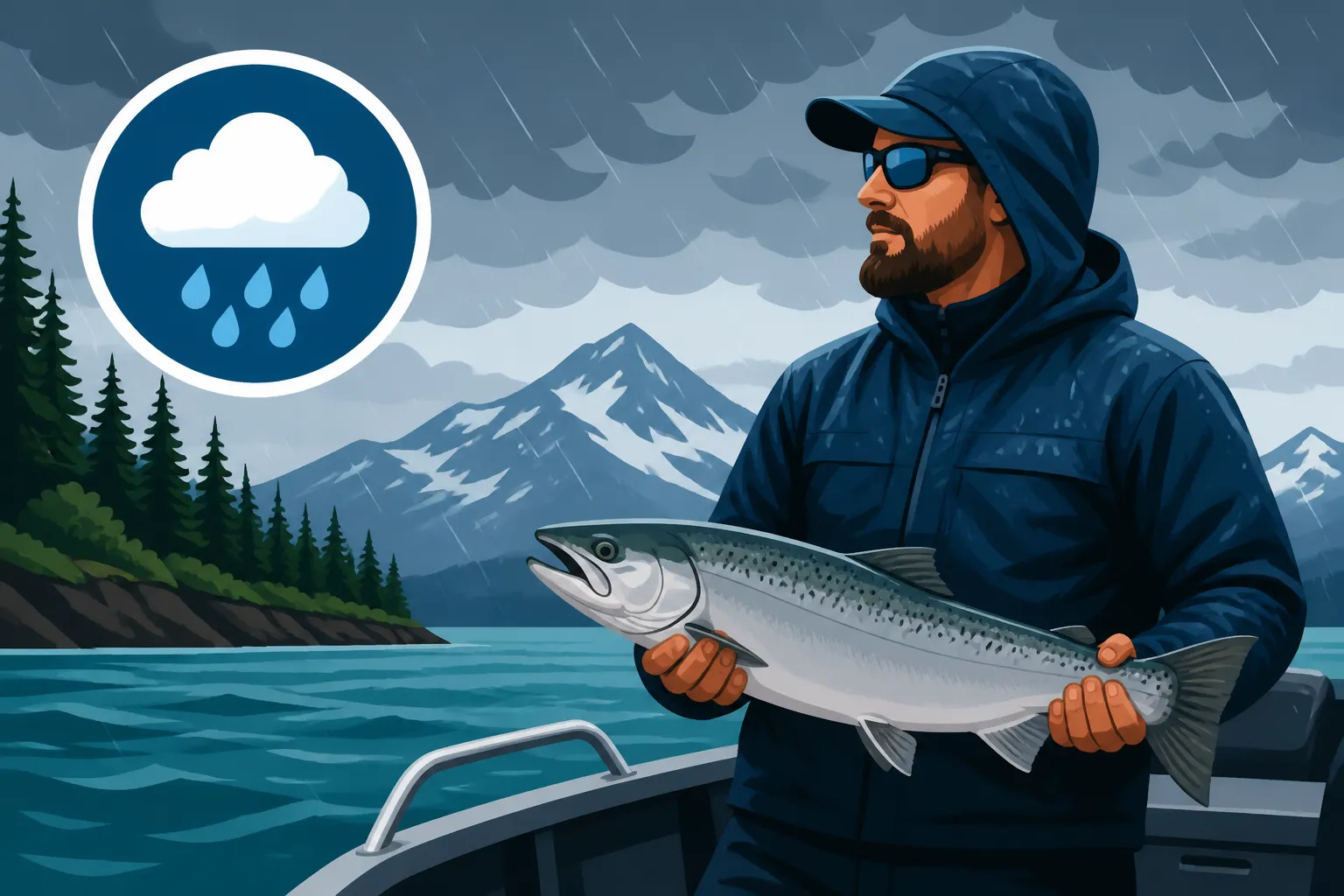
It’s a common worry, isn't it? You’ve planned this incredible, once-in-a-lifetime fishing trip to Alaska, picturing blue skies and glassy waters, only to start checking the forecast and see… rain. A lot of rain. The immediate thought is usually, "Will my charter even go out?" or "Is my trip ruined?" Let me put your mind at ease: yes, Alaska fishing charters absolutely fish in the rain, and often, it's nothing to worry about. This guide will walk you through what to expect, how charters prepare, and how you can still have an incredible experience, even if the skies open up.
The Reality of Alaskan Weather and Fishing
Alaska's reputation for wild, untamed beauty often comes with a side of unpredictable weather, and rain is a very common visitor, especially during the peak summer fishing months. It’s not a question of if it will rain, but when and how much. Many anglers, particularly those from drier climates, might see a rainy forecast and immediately panic, thinking their adventure is doomed. But seasoned Alaskans and experienced fishing guides know better.
Why Rain is Often a Friend, Not Foe
You might be surprised to hear that rain can actually be a good thing for fishing in Alaska, particularly for salmon and trout. When those raindrops start falling, especially after a dry spell, they can trigger several positive changes in the aquatic environment.
First, rain often means cloud cover. Overcast skies reduce the amount of direct sunlight penetrating the water, making fish feel more comfortable and less exposed. This can encourage them to move into shallower areas or feed more actively throughout the day, rather than just during dawn and dusk. Think about it: would you rather be out in the open under a blazing sun or beneath a cloudy sky? Fish often feel the same way.
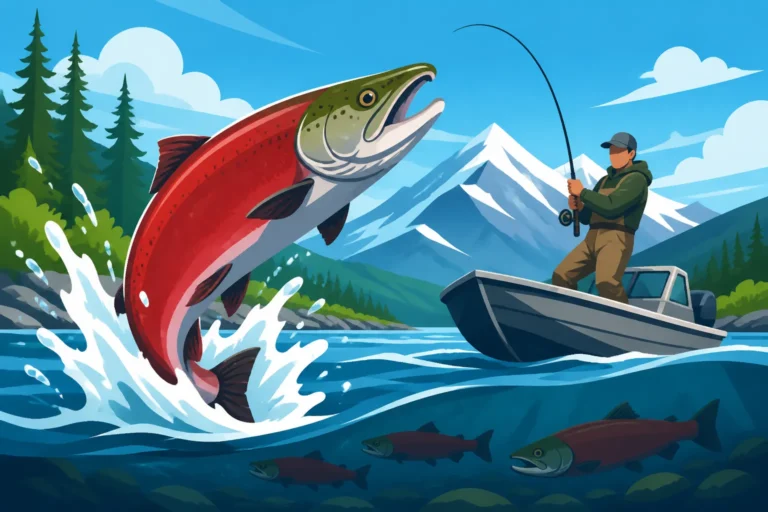
Secondly, rain can increase river levels and turbidity. While excessive flooding isn't ideal, a moderate increase in water flow can stir up insects, dislodge bait from the riverbanks, and generally make the aquatic buffet more appealing. It also provides more cover for fish, allowing them to travel upstream with less risk from predators like eagles or bears. This is especially true for salmon making their annual spawning runs; higher water can ease their journey, and they're less likely to be "spooked" by the presence of a boat or angler when the water is a bit murkier. If you're targeting species like Sockeye Salmon, a little rain can really get them moving.
Dispelling the Myth of Fair-Weather Fishing
The idea that fishing only happens on sunny days is largely a misconception, especially in a place like Alaska where weather systems can change in an instant. Professional fishing charters operate on schedules, and unless conditions become genuinely unsafe, they will go out. Cancelling a trip for light or moderate rain would mean losing a significant portion of their business, and frankly, many of their most successful fishing days would never happen.
Imagine booking a flight and expecting it to be cancelled due to a light drizzle; it just doesn't happen. The same principle applies to these dedicated guides. They've invested heavily in their boats, gear, and expertise, and they know how to navigate all but the most extreme weather conditions. Their livelihood depends on getting clients out on the water, safely and successfully. So, if your forecast shows rain, don't despair – just prepare!
How Alaska Fishing Charters Prepare for Rain
Alaska fishing guides and charter operators are professionals who have seen it all. They understand that rain is part of the Alaskan experience, and they plan for it meticulously. Their preparedness is a huge part of why you can still have an amazing trip even when it’s drizzly or downright pouring.
Gear and Equipment Provided
One of the biggest advantages of fishing with a reputable charter is the quality of gear they provide. This often extends beyond just rods and reels to crucial foul-weather protection. Many top-tier charters will offer high-quality rain gear, typically including heavy-duty waterproof jackets and pants. Brands like Grundéns, Helly Hansen, or Simms are common, known for their durability and ability to keep you dry in even persistent downpours.
It's always a good idea to confirm what exactly is provided when you book your trip. A quick call or email to the charter operator, or checking their website (which you can often do through platforms like FishingBooker), will clarify their offerings. Some might provide full rain suits, while others might just offer jackets, assuming you'll have your own waterproof pants. Remember, this isn't just about comfort; staying dry helps prevent hypothermia, which is a real concern in cold Alaskan temperatures.
In addition to personal rain gear, their boats are usually equipped to handle wet conditions. This can mean covered or enclosed cabins on saltwater boats for halibut and salmon fishing in places like Homer or Seward, providing a warm, dry respite when needed. For river trips, guides often use large, stable drift boats with plenty of storage to keep your personal bags and extra layers out of the elements. They might also have partial covers or bimini tops to offer some overhead protection.
Guide Expertise and Safety Protocols
Your guide's expertise truly shines when the weather turns. They aren't just experts at finding fish; they are masters of navigating Alaskan waters in all conditions. This includes understanding how rain affects river currents, tide patterns, and fish behavior. They know which fishing spots might become more productive in the rain and which ones to avoid if conditions make them unsafe.
Safety is always the paramount concern for any legitimate charter. They will have comprehensive safety protocols in place, including:
- Weather Monitoring: Guides constantly monitor marine forecasts, river levels, and immediate atmospheric conditions using satellite weather radios or onboard navigation systems.
- Emergency Equipment: All boats are equipped with necessary safety gear, including PFDs (personal flotation devices), first-aid kits, communication devices (VHF radio, satellite phone), and emergency signaling equipment.
- Decision-Making: The guide has the final say on whether it's safe to go out or to continue fishing. They'll consider factors like wind speed, wave height, visibility, and water temperature. A steady rain might be fine, but a combination of heavy rain, high winds, and lightning will likely lead to a delay or cancellation.
It's important to trust your guide's judgment. They are the local experts, intimately familiar with their fishing grounds and the fickle Alaskan weather. They want you to have a great time and, more importantly, a safe one.
Tips for Anglers: Making the Most of a Rainy Alaska Fishing Trip
Even with the best charter and the most experienced guide, your attitude and preparation play a huge role in enjoying a rainy fishing day. Don't let a little water dampen your spirits!
Dressing for Success
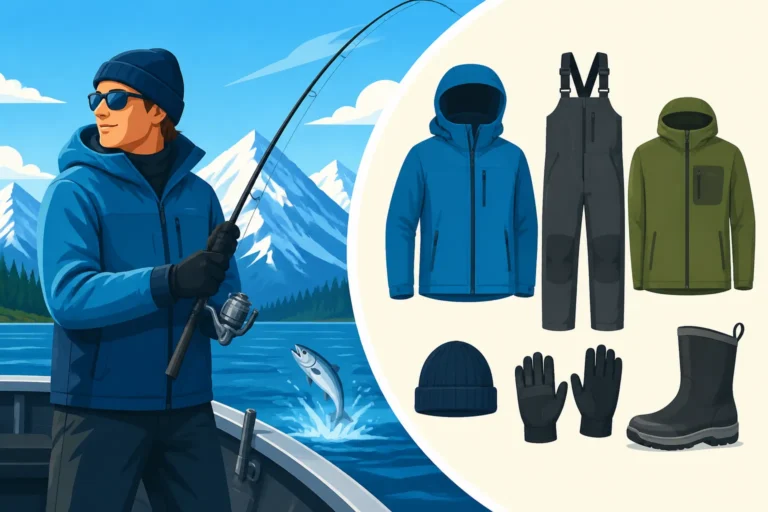
Layering is the golden rule for Alaskan weather, and it’s even more critical when rain is in the forecast. You need to be able to add or shed layers to regulate your body temperature as conditions change.
Here’s a breakdown of what to wear:
- Base Layers: Start with moisture-wicking synthetic or merino wool base layers. Avoid cotton, which absorbs moisture and stays cold, potentially leading to hypothermia.
- Mid-Layers: Fleece jackets, wool sweaters, or down vests provide insulation. Bring a couple of options so you can adjust.
- Outer Layers: This is where the serious waterproofing comes in. Even if your charter provides rain gear, having your own high-quality waterproof and windproof jacket and pants is a great backup, or simply better for your personal comfort. Look for GORE-TEX or similar breathable waterproof materials. You can find excellent options from reputable outdoor brands.
- Headwear: A waterproof hat with a brim is essential for keeping rain off your face and out of your eyes. A warm beanie under the hat can add extra warmth.
- Gloves: Waterproof gloves are a game-changer. Cold, wet hands are miserable and make handling gear difficult. Neoprene or insulated waterproof gloves are ideal.
- Footwear: Waterproof boots are a must. Whether it's tall rubber boots (like XTRATUFs, a common sight in Alaska) or sturdy waterproof hiking boots, ensure your feet stay dry. Wool socks are highly recommended, as they retain warmth even when damp.
| Layer Type | Recommended Materials | What to Avoid |
|---|---|---|
| Base Layer | Merino Wool, Synthetic Wicking | Cotton (jeans, t-shirts) |
| Mid Layer | Fleece, Wool, Down (insulated vest) | Heavy, non-breathable sweaters |
| Outer Layer | Waterproof/Breathable (GORE-TEX) | Water-resistant only, non-breathable plastic |
| Headwear | Waterproof hat with brim, Beanie | Baseball cap alone (no rain protection) |
| Hands | Waterproof/Insulated Gloves | Thin knit gloves |
| Feet | Waterproof Boots (XTRATUFs), Wool Socks | Sneakers, cotton socks |
For a more detailed packing list, you might find an article on what to bring on an Alaska fishing charter or how to dress for Alaska fishing helpful.
Protecting Your Valuables and Electronics
Rainy days mean extra precautions for anything that can't get wet. Bring dry bags or waterproof stuff sacks for your phone, camera, wallet, and any extra clothing layers. Most guides will have some dry storage on their boat, but it’s always best to be self-sufficient. A small waterproof backpack can be incredibly useful for keeping your personal items secure and dry.
Adjusting Your Mindset
This might be the most important tip of all. Go into your trip with an open mind and a flexible attitude. If you expect perfect sunshine every day, you're setting yourself up for disappointment. Embrace the wildness of Alaska, rain and all.
- Focus on the Fishing: Remember why you're there – to catch incredible fish! The fish don't care about the rain, and often, they're more active. Keep your focus on your technique, listen to your guide, and enjoy the fight when a fish takes your line.
- Appreciate the Atmosphere: Rainy days in Alaska can be incredibly atmospheric. The mist rising off the water, the vibrant greens of the forest, the smell of damp earth – it's a unique beauty you won't experience on a sunny day.
- Pack Snacks and Warm Drinks: A thermos of hot coffee, tea, or cocoa can do wonders for morale on a chilly, wet day. High-energy snacks also help keep your spirits and energy up.
- Take Photos (Carefully): While protecting your camera, don't miss the opportunity to capture the unique beauty of a rainy Alaskan landscape. Just ensure your gear is truly waterproof!
When Rain Might Actually Impact Your Trip
While regular rain isn't typically a reason for cancellation, there are specific conditions related to precipitation that can genuinely affect or even halt a fishing trip. These are usually due to safety concerns or regulatory impacts.
Extreme Weather Conditions
This is the primary reason a reputable charter would cancel or postpone a trip. It's not the rain itself, but what the rain is accompanied by.
- High Winds: Heavy rain combined with strong winds (often gale-force or higher) can create dangerous waves and whitecaps, especially on large bodies of water like Cook Inlet or Prince William Sound. These conditions make it difficult and unsafe to navigate, anchor, or even stand up in the boat.
- Lightning: Any presence of lightning means immediate cessation of fishing and seeking shelter. Being on the water with metal rods during an electrical storm is incredibly risky.
- Freezing Rain/Ice: While less common during peak summer fishing, freezing rain or ice can make boat decks slick and create hazardous conditions.
- Blizzard Conditions: Again, rare in summer, but in shoulder seasons, a severe winter storm would obviously halt operations.
Your guide will always prioritize safety. If they decide to cancel or turn back early, it's for a very good reason. Understand and respect their judgment; they know these waters intimately. Many charter operators, like those found through FishingBooker, will clearly outline their cancellation and weather policies upfront, so you know exactly what to expect if severe weather strikes. It's a good idea to review policies regarding Alaska charter cancellation and weather policies before you book.
Emergency Orders and Regulations
Sometimes, heavy or prolonged rain, particularly in river systems, can lead to emergency orders issued by the Alaska Department of Fish and Game (ADF&G). These orders are put in place to protect fish stocks, especially during periods of stress. For example, extremely high water levels and turbidity might make it difficult for fish to migrate, or conversely, exceptionally low water levels after a drought might cause fish to stack up, making them vulnerable.
Emergency orders can include:
- Gear Restrictions: Mandating bait bans, single-hook only rules, or other changes to fishing methods.
- Reduced Bag Limits: Lowering the number of fish you can keep for specific species.
- Time Restrictions: Closing a fishery during certain hours or days.
- Full Closures: In extreme cases, a section of a river or an entire fishery might be closed to protect struggling runs, particularly for species like King Salmon. This can happen on popular rivers like the Kenai River.
While rain itself might not cause these, the conditions created by excessive or prolonged rain (or lack thereof) can lead to these changes. Your guide will be the first to know about any emergency orders, as they are legally required to operate within these regulations. It's also wise to check Alaska fishing emergency orders explained before your trip.
Final Thoughts on Fishing in the Alaskan Rain
So, to answer the question directly: yes, Alaska fishing charters absolutely fish in the rain. It’s part of the landscape, part of the adventure, and often, part of what makes for an excellent fishing day. Don't let a little rain deter you from experiencing the incredible fishing opportunities Alaska offers.
With proper preparation, the right gear (whether provided by your charter or brought by you), and a positive mindset, you can have a comfortable and highly successful fishing trip. Embrace the elements, trust your guide, and focus on the thrill of hooking into a powerful Alaskan salmon or a massive halibut. The memories you make will be less about the weather and more about the incredible fish and the wild beauty surrounding you.
The key is to be prepared. Researching what to wear on an Alaska fishing charter, understanding Alaska fishing seasons: month-by-month guide, and knowing how to choose an Alaska fishing charter are all steps that will contribute to a fantastic experience, come rain or shine.
Table: Benefits and Challenges of Fishing in the Rain
| Aspect | Benefits of Rainy Day Fishing | Challenges of Rainy Day Fishing |
|---|---|---|
| Fish Behavior | Increased feeding activity, reduced spookiness, easier migration for salmon, more cover. | Extreme high/low water levels can disrupt fish patterns, visibility issues for sight fishing. |
| Angler Comfort | Cooler temperatures, fewer crowds in some areas. | Staying dry and warm requires proper gear, reduced visibility, potential for slipping. |
| Guide Ops | Familiarity with conditions, well-equipped boats, opportunities to access new spots. | Increased navigation challenges in heavy rain/wind, constant monitoring of weather. |
| Atmosphere | Unique, dramatic Alaskan scenery, sense of "earning" the catch. | Can feel less "picturesque" for some, potentially muddy banks or trails. |
| Safety | Generally safe in light-moderate rain with proper gear/guide. | Severe weather (lightning, high winds) poses significant safety risks, potential for hypothermia. |
Disclaimer
The information provided in this guide is for general informational purposes only and does not constitute professional advice. Always consult with your chosen fishing charter and the Alaska Department of Fish and Game for the most current regulations, safety guidelines, and trip-specific information. Fishing in Alaska carries inherent risks, and it is crucial to prioritize safety and follow all instructions from your guide.