How Much Does an Alaska Fishing Charter Cost
The dream of fishing in Alaska often comes with a looming question: how much is this going to set me back? You've heard the stories, the epic catches, but also the whispers about the expense. It's true, an Alaskan fishing charter can be a significant investment, and navigating the costs can feel overwhelming. This guide demystifies the price tag, breaking down everything you need to know about how much an Alaska fishing charter costs, helping you plan your adventure without sticker shock.
Understanding the Base Cost of an Alaska Fishing Charter
When you first start looking into an Alaskan fishing trip, you might find prices that seem to swing wildly. This isn't because guides are pulling numbers out of a hat, but because there are so many variables at play. The "base cost" of a charter typically refers to the price you pay for the boat, the guide's expertise, and the core fishing experience itself, usually for a set duration. This baseline varies dramatically depending on where you're fishing, what you're targeting, and for how long you plan to be out on the water. It’s crucial to understand these foundational elements before diving into the additional expenses.
Think about it like booking a flight – a cross-country ticket costs more than a regional hop, and first class is pricier than economy. Similarly, a full-day, remote fly-out trip targeting trophy rainbow trout will naturally have a higher base cost than a half-day halibut charter out of a well-established port. Many anglers get sticker shock when they see the initial numbers, but once you break down what goes into that price, it often makes more sense. It’s about more than just the boat; it's about the decades of experience, the specialized gear, the fuel, the maintenance, and the sheer logistics of operating in Alaska's wild environment.
Location Matters for Charter Pricing
Just like real estate, location is a huge factor in the cost of your Alaska fishing charter. Popular destinations, particularly those easily accessible by road or with major tourist infrastructure, tend to have a wider range of options and competitive pricing, but can also command higher rates for prime spots. Conversely, more remote locations might involve additional travel expenses to even reach the starting point, driving up the overall cost.
For example, a charter operating out of Homer, known as the "Halibut Fishing Capital of the World," might have different pricing structures compared to a salmon charter on the Kenai River in Soldotna or a multi-species trip from Seward. Homer and Seward, being major saltwater hubs, offer abundant opportunities for halibut and various salmon species, drawing large numbers of anglers. The sheer volume of operations can sometimes keep prices competitive, but peak season demand in these bustling ports can also push rates higher. River systems like the Kenai and Kasilof, while still popular, often operate with smaller boats and different logistics, impacting their pricing models.
Furthermore, access to certain fishing grounds plays a role. If a charter needs to travel a significant distance, burn a lot of fuel, or navigate particularly challenging waters to get to the best spots, those operational costs will be reflected in the price. Remote fly-out lodges, for instance, factor in the cost of bush plane transportation to pristine, less-pressured waters, making them a higher-end option. When you're comparing charters, always note the port of departure and consider the travel time and cost to get there. Many reputable charters list their availability and prices on sites like FishingBooker, making it easy to compare options by location.
Trip Duration and Target Species
The length of your fishing excursion is another primary driver of cost. Charters are typically offered in half-day, full-day, or even multi-day packages. Naturally, the longer you're out on the water, the more you'll pay, reflecting the guide's time, fuel consumption, and operational expenses. A half-day trip might get you a taste of the action, but a full-day or extended trip offers more fishing time and a better chance at hitting various tide changes or moving to different honey holes.
Beyond duration, the species you're targeting significantly impacts the price. Some fish require specialized gear, longer travel times, or a more intense fishing experience. Halibut charters are often full-day excursions to deep offshore waters, requiring heavy-duty rods and reels, substantial bait, and considerable fuel. Salmon charters can vary; a drift boat trip for sockeye on the Kenai might be different in cost from a trolling trip for king salmon in a larger river or saltwater bay. Targeting trophy rainbow trout in a remote river might mean a fly-in trip with a higher price point due to air transport and specialized fly-fishing guides.
Consider an Alaska Halibut Daily Limit for Charter Anglers might involve a different strategy and thus a different charter structure compared to pursuing multiple species. Combo trips, which allow you to target both salmon and halibut in one day, are incredibly popular, but they also tend to be among the more expensive single-day options because they combine the challenges and resources of two distinct fishing styles into one ambitious outing.
Private vs. Shared Charter Costs
One of the biggest decisions you'll make that affects your budget is whether to book a private charter or join a shared charter. Each option has its distinct advantages and, of course, different price tags. Understanding these differences can help you determine which experience aligns best with your preferences and wallet.
A shared charter, sometimes called an "open boat" or "head boat," means you're buying a single spot on a boat with other anglers you likely don't know. This is generally the most economical way to experience guided fishing in Alaska. You share the cost of the boat and guide among everyone on board, which significantly reduces your individual expense. While you might not have as much say in the exact fishing spots or methods, shared charters are fantastic for solo travelers, couples, or small groups looking to keep costs down while still benefiting from a professional guide and a safe, equipped vessel. It’s also a great way to meet fellow fishing enthusiasts and share stories.
On the other hand, a private charter gives you the entire boat and the guide's undivided attention. This option offers maximum flexibility: you can often choose your target species, fishing locations (within reason and safety limits), and even the start and end times, to some extent. Private charters are ideal for families, larger groups, or anglers who prefer a more personalized and exclusive experience. However, this exclusivity comes at a higher price. You're covering the full operational cost of the boat and guide yourself, or splitting it among your private party. While the per-person cost might be higher for a small private group than a shared charter, for a larger family or group of friends, it can sometimes become competitive, offering more value for the tailored experience. When booking a private charter, always confirm the maximum number of people allowed on board and whether there's a minimum charge.
Average Charter Costs by Trip Type
When you look at the raw numbers, it's clear that there's no single price for an Alaska fishing charter. The costs are a spectrum, influenced by all the factors we just discussed. To give you a clearer picture, let's break down some typical price ranges you might encounter for different types of trips. Keep in mind these are averages, and actual prices can vary based on the specific outfitter, time of year, and current fuel costs.
Generally, for a single day on the water, you can expect prices to range from a few hundred dollars per person for a shared river trip, up to well over a thousand dollars per person for a specialized full-day private saltwater charter or a fly-out experience. The average cost for a shared full-day saltwater charter (think halibut or salmon) often falls in the $300-$500 per person range, while a shared river trip might be $250-$400 per person. Private charters will naturally multiply these base costs by the number of anglers or simply present a flat boat rate that works out to a higher per-person cost for smaller groups.
It's also worth noting that prices can fluctuate seasonally. Peak season (mid-June through August) typically sees the highest demand and thus the highest prices. If you're looking for ways to save, consider fishing during the shoulder seasons in May or September, when opportunities can still be excellent, and charter rates might be slightly lower. However, always check the Alaska Fishing Seasons: Month-by-Month Guide to ensure your target species are running during those times.
Here’s a general overview of typical price ranges for popular Alaska fishing charter types:
| Trip Type | Duration | Typical Per-Person Cost (Shared) | Typical Flat Boat Cost (Private, up to 6 anglers) | Common Locations | Target Species |
|---|---|---|---|---|---|
| Halibut Charter | Full-Day (8-10h) | $350 – $550 | $1,800 – $3,000 | Homer, Seward, Valdez, Sitka | Halibut, Lingcod, Rockfish |
| Salmon Charter | Full-Day (6-8h) | $300 – $450 | $1,500 – $2,500 | Seward, Homer, Ketchikan, Juneau | King, Silver, Sockeye, Pink Salmon |
| River Salmon (Drift) | Full-Day (8h) | $275 – $425 | $1,200 – $1,800 (for 2-4 anglers) | Kenai, Kasilof, Russian River | King, Sockeye, Silver Salmon |
| Combo Halibut & Salmon | Full-Day (10-12h) | $450 – $650 | $2,500 – $4,000+ | Seward, Homer, Valdez | Halibut, King/Silver Salmon |
| Fly-Out Trout/Salmon | Full-Day (8-10h) | $800 – $1,500+ | N/A (often priced per person due to flight) | Bristol Bay, Katmai, Remote Rivers | Rainbow Trout, Sockeye, Grayling |
| Half-Day Salmon/Rockfish | Half-Day (4-5h) | $200 – $350 | $1,000 – $1,800 | Anchorage (Ship Creek), Homer, Seward | Pink, Chum Salmon, Rockfish, Cod |
Halibut Charter Costs Explained
Halibut charters are a quintessential Alaskan fishing experience, and they generally represent a mid-to-high price point for a single-day trip. The cost reflects the significant operational expenses involved in chasing these "barn doors" in often challenging ocean conditions.
A full-day, shared halibut charter out of major ports like Homer or Seward will typically run you anywhere from $350 to $550 per person. These trips usually last 8 to 10 hours, allowing for travel time to offshore fishing grounds, ample fishing time, and the return journey. The boats are typically larger, well-equipped vessels, capable of handling ocean swells and accommodating 6 to 12 anglers comfortably. The price covers the boat, the captain and deckhand, all necessary fishing gear (heavy-duty rods, reels, and tackle), and bait. When you embark on a Homer Halibut Fishing Guide or a Seward Halibut Fishing Guide trip, you're not just paying for fishing; you're paying for expertise in locating these elusive bottom dwellers and the robust equipment needed to reel them in.
For those seeking a more exclusive experience, a private halibut charter can cost between $1,800 and $3,000+ for the entire boat, accommodating up to 6 anglers. While this sounds like a lot, if you have a group of 4-6 people, the per-person cost can become comparable to a shared charter, with the added benefit of privacy and flexibility. Remember, these prices usually don't include your fishing license, King Salmon stamp if you decide to target Kings on the way out or back, fish processing beyond basic filleting, or gratuities for the crew, so make sure to factor those in.
Salmon Charter Costs Detailed
Salmon fishing in Alaska offers a wider range of charter options and, consequently, a broader spectrum of costs. This is largely due to the diverse environments where salmon are pursued – from large ocean bays to vast river systems.
For saltwater salmon charters, often focusing on King (Chinook) or Silver (Coho) salmon, you can expect prices similar to halibut charters, typically in the $300 to $450 per person range for a full-day, shared trip. These charters might involve trolling in waters near Seward, Ketchikan, or Juneau, utilizing specialized downriggers and lures. The boats are usually smaller than dedicated halibut boats but still comfortable and fast. The cost covers the boat, guide, and all fishing gear. If you're specifically targeting the prized King Salmon, you might also need to factor in the cost of an Alaska King Salmon Stamp, which is an additional fee required for all resident and non-resident anglers to retain King Salmon. Checking out a Kenai River King Salmon Fishing Guide will give you an idea of the unique challenges and regulations associated with that specific pursuit.
River salmon charters, particularly for Sockeye or Silver salmon, often operate on a slightly different model and can sometimes be a bit more budget-friendly. A guided drift boat trip on the Kenai River or Kasilof River might cost between $275 and $425 per person for a full day. These trips are typically for 2-4 anglers in a drift boat or power boat designed for river use. The focus is often on specific techniques like "flossing" for sockeye or back-trolling for kings. While the gear is provided, the experience is often more intimate and hands-on. For those interested in Alaska Sockeye Salmon Limits by Species on famous rivers like the Kenai, a guided river trip is often the best way to navigate the often-complex regulations and specific techniques required.
Combo and Multi-Day Trip Expenses
Many anglers visiting Alaska want to experience the best of both worlds: the thrill of offshore halibut fishing and the excitement of salmon action. This desire gives rise to combo charters, which are incredibly popular but also tend to be the most expensive single-day options.
A full-day combo halibut and salmon charter can range from $450 to $650 per person for a shared trip. These trips are typically longer, often 10-12 hours, to allow sufficient time to travel to both the halibut grounds and salmon fishing areas. They require larger, versatile boats and a highly experienced crew capable of switching gears between different fishing styles and locations. The higher price reflects the extended duration, increased fuel consumption, and the specialized gear needed for both bottom fish and pelagic salmon. It’s a fantastic way to maximize your fishing diversity in a single outing, but it demands a higher investment. Understanding Alaska Halibut Charter Regulations Explained is particularly important for combo trips, as rules for each species must be meticulously followed.
For the ultimate immersive experience, multi-day fishing packages or lodge stays are available, often ranging from $1,500 to $5,000+ per person, depending on the duration, remoteness, and level of luxury. These packages typically include multiple days of guided fishing, accommodations, meals, and sometimes even transfers to and from local airports. They are designed for serious anglers who want to dedicate several days to exploring Alaska's rich fisheries, often targeting different species or fishing in various locations. While the upfront cost is significant, these packages often offer excellent value by bundling services and providing a truly comprehensive, hassle-free adventure. If you're considering a multi-day trip, researching Alaska All-Inclusive Fishing Lodges can give you a clearer picture of what these higher-end experiences entail.
What's Included and What's Extra
Understanding the "sticker price" is only half the battle. Many first-time visitors to Alaska are surprised by the additional costs that can quickly add up, turning an already substantial investment into something even larger. It's really important to know what's typically included in your charter fee and, more importantly, what you'll need to budget for separately. Transparency is key here, and a good charter company will be upfront about these details. Don't be shy about asking questions when you're booking.
The base charter fee almost always includes the boat, the captain, and a deckhand (on larger vessels). It also covers the primary fishing gear: rods, reels, tackle, and typically bait. For saltwater charters, safety equipment like life vests and emergency signaling devices are also included. Some charters might even provide snacks and non-alcoholic beverages, but this is less common for standard day trips. What you're really paying for with the inclusion of gear and guide is the expertise and the convenience – you don't need to haul your own specialized rods or worry about having the right lures.
However, a slew of other expenses are almost always not included. These often overlooked items can significantly increase your total trip cost if you haven't budgeted for them. These can range from mandatory state licenses and permits to optional but highly recommended services like fish processing and shipping. Thinking through these extras beforehand will save you from any unwelcome surprises when you're trying to enjoy your hard-earned catch.
Required Licenses and Stamps
This is probably the most commonly overlooked expense, and it's absolutely non-negotiable. Every angler, resident or non-resident, generally needs an Alaska fishing license to legally fish in the state, with very few exceptions (like youth under a certain age). The cost of an Alaska Fishing License: Complete Guide varies significantly depending on your residency status and the duration of your trip. Non-resident licenses are considerably more expensive than resident ones.
For instance, a non-resident annual license might cost around $145, while a 7-day non-resident license typically runs about $70. If you're planning to catch and keep King Salmon, you'll also need to purchase an additional King Salmon Stamp, which can cost around $30 for non-residents, depending on the license duration. These must be purchased before your trip, and while some tackle shops sell them, it's often easiest to buy your Alaska Fishing License Online. Your charter captain cannot sell you these on the boat; you must have them in hand. Always check the current regulations and costs with the Alaska Department of Fish and Game (ADF&G) before your trip. This small upfront investment ensures you're fishing legally and contributing to the conservation efforts that keep Alaska's fisheries thriving.
Fish Processing and Shipping
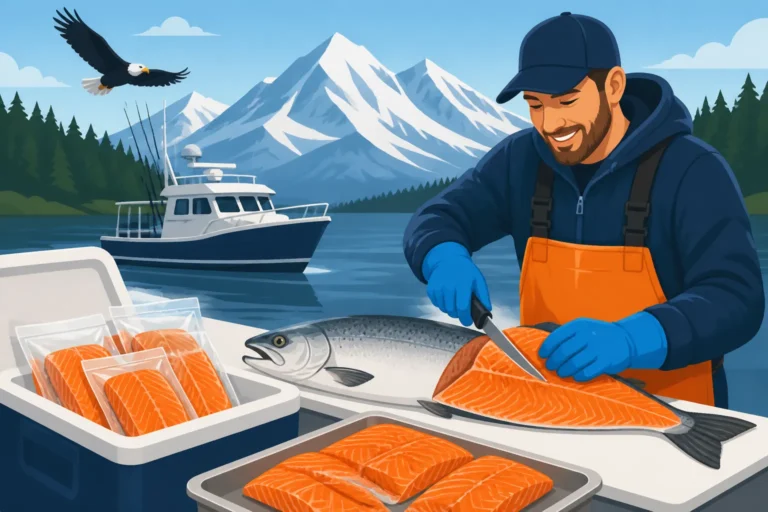
After you've landed your amazing catch, the next logical question is, "How do I get this home?" Unless specified, your charter will usually provide basic filleting services on the boat or dock. This means your fish will be cut into manageable portions. However, going from fillets to freezer-ready, flight-safe packages is an entirely separate service that comes with its own costs.
Professional fish processing services, available at most major fishing towns like Homer, Seward, and Valdez, will cut, vacuum seal, and flash freeze your fillets. They can also smoke or portion your catch to your specifications. These services typically charge by the pound, often ranging from $1.50 to $3.00 per pound, depending on the service level. After processing, you'll need to transport your fish. This usually involves buying insulated, airline-approved fish boxes, which can cost $20-$50 each. If you're flying, you'll pay airline baggage fees, or you can opt for shipping your catch home from Alaska via air cargo, which can be quite expensive, easily adding another $150-$500+ depending on the weight and destination. Always get clear pricing for fish processing and shipping upfront from your chosen processor.
Gratuities and Other Incidentals
Tipping is a common practice in the service industry, and fishing charters are no exception. Your captain and deckhand work incredibly hard, often starting before dawn and finishing long after sunset, to ensure you have a safe, enjoyable, and successful trip. They clean the boat, bait hooks, gaff fish, untangle lines, and provide invaluable local knowledge.
Standard practice for tipping on an Alaska fishing charter is 15-20% of the total charter cost. For a shared trip, this would be 15-20% of your individual per-person cost. For a private charter, it's 15-20% of the total boat cost. While this isn't mandatory, it's highly customary and a direct reflection of your appreciation for their service. This can easily add another $50-$150+ per person to your total. Besides tips, don't forget incidentals like buying extra snacks, drinks, motion sickness medication, sunscreen, or any specific lures you might want to try. These small purchases can add up, so it's wise to carry some extra cash or have a debit card handy.
Strategies for Finding Value in Alaska Fishing Charters
Let's be real, an Alaska fishing trip is an investment, often a once-in-a-lifetime adventure. But that doesn't mean you have to break the bank. With a little smart planning and flexibility, you can absolutely find great value and make your dream trip more affordable without sacrificing the quality of the experience. It's all about knowing where to look, when to go, and what questions to ask.
Many anglers feel pressured to book the first charter they find, or they simply go with the most expensive option, assuming it's the "best." But value isn't always about the lowest price or the highest price; it's about the right balance of cost, experience, and what you get for your money. Don't be afraid to compare different outfits and look at what other anglers are saying in reviews.
Off-Peak Season Opportunities
One of the most effective ways to save money is to consider fishing during the shoulder seasons. While the prime months of July and August see peak salmon runs and halibut activity, May, early June, and September can offer fantastic fishing opportunities with potentially lower charter rates and fewer crowds.
For example, early May can be excellent for King Salmon in certain rivers like the Kasilof or for "feeder" Kings in saltwater. Late August and September often bring prolific Silver (Coho) Salmon runs, as well as continued great halibut fishing. These months are often characterized by more favorable weather than early spring and significantly less pressure on the water. Many charter operators will offer slightly discounted rates during these periods to fill their boats. Plus, travel costs, including flights and accommodations, might also be lower. You'll want to carefully research the Best Time to Fish in Alaska for your target species if you're considering a shoulder-season trip, but the potential savings can be substantial.
Group Bookings and Shared Charters
We touched on this before, but it's worth reiterating: booking a shared charter is almost always more cost-effective per person than a private charter, especially for smaller groups. If you're traveling solo or as a pair, an open boat trip allows you to split the cost with other anglers, making a guided experience much more accessible.
If you're traveling with a larger family or a group of friends, filling a private boat to its maximum capacity can also provide excellent value. For example, if a private charter costs $2,000 for up to 6 people, that's roughly $333 per person – which is often comparable to, or even less than, some high-end shared trips, but with the added benefits of privacy and customization. Don't underestimate the power of numbers when it comes to charter fishing. Many platforms, including FishingBooker, allow you to easily see whether a charter offers shared or private trips, and what their per-person or boat rates are, making it simpler to compare costs for different group sizes.
Package Deals and Early Booking
Many lodges and some charter operators offer package deals that bundle fishing trips with accommodations, meals, and sometimes even local transportation. While the upfront cost of these packages can seem high, they often provide significant savings compared to booking each component separately. These are particularly popular for multi-day trips and can simplify your travel planning immensely.
Booking your charter well in advance, especially for peak season dates, is also crucial for securing the best rates and availability. Popular charters and prime dates, particularly for King Salmon or prime halibut seasons, can book up a year or more in advance. Waiting until the last minute might leave you with fewer (and potentially more expensive) options. Look for guides who offer clear pricing and consider early bird discounts. Additionally, always inquire about what's included in any package deal to ensure you're getting true value – things like Fish Processing After an Alaska Charter or Alaska Fishing License Cost and Types might still be extra.
Comparing Guided vs. Unguided Fishing Expenses
Many anglers, especially those with some fishing experience, ponder the age-old question: "Should I book a guided trip, or can I just do it myself?" It's a valid question, and the answer largely depends on your budget, experience level, and what you hope to get out of your Alaskan fishing adventure. While guided trips undeniably come with a higher price tag, they offer a host of benefits that often justify the expense. On the flip side, unguided trips can save you money, but they require a lot more planning, local knowledge, and self-reliance.
The most obvious difference is the upfront cost. An unguided trip, where you simply buy a license, rent a car, and fish from shore or rent a small boat, will almost always be cheaper on paper. You're cutting out the guide's fee, which is a significant portion of a charter's cost. However, it's essential to look beyond the surface and consider the hidden costs and potential frustrations of going it alone in a place like Alaska.
The Value Proposition of a Guided Trip
A guided trip offers immense value, especially for those new to Alaska or targeting specific, challenging species. First and foremost, you get local expertise. Alaskan waters, both fresh and saltwater, can be complex, and fish runs can be highly dynamic. A good guide knows the currents, the hot spots, the right tides, and the exact techniques that are working that day. They save you countless hours of trial-and-error, ensuring you spend more time fishing and less time searching.
Secondly, guided trips provide all the necessary gear. For species like halibut, this means heavy-duty rods, reels, and tackle that most recreational anglers don't own. For river salmon, it might mean specialized drift boats or jet boats and the specific rigs needed to legally target species like sockeye. This alone can save you hundreds, if not thousands, of dollars in equipment purchases. Finally, there's the safety aspect. Alaskan weather can change rapidly, and navigating unfamiliar waters can be hazardous. Guides are licensed, insured, and experienced in operating safely in these conditions, providing peace of mind. For many, the peace of mind and higher chance of success make the Is a Guided Alaska Fishing Trip Worth It question a resounding yes.
Unpacking Unguided Fishing Costs and Challenges
Going unguided can certainly be cheaper if you plan meticulously and are comfortable with a higher degree of self-reliance. Your main costs will include your fishing license, travel expenses (flights, rental car, fuel), accommodations, food, and potentially gear rental or purchase. You might also rent a small skiff for lake fishing or bank fish on accessible rivers.
However, challenges abound. You'll need to spend significant time researching Alaska Fishing Regulations Explained for your specific region and target species, which can be incredibly complex and change frequently via emergency orders. You'll have to find your own fishing spots, which means navigating potentially crowded public access points or venturing into remote areas. Having the right gear, bait, and tackle becomes your responsibility, and if you don't already own it, rental costs or purchases can quickly eat into your savings. Furthermore, without a guide, you'll be responsible for fish care, from filleting to proper storage, which requires knowledge and supplies. While a Best Bank Fishing in Alaska approach can be rewarding and affordable, it requires a significant time investment and a good understanding of local conditions to be truly successful.
When to Book and How to Find Value
Booking an Alaska fishing charter isn't like reserving a hotel room a few days before your trip. The best charters, guides, and prime dates get snatched up far in advance, sometimes a year or more out. Procrastination can lead to limited choices, less experienced guides, or settling for less-than-ideal dates, and potentially higher prices.
To ensure you get the trip you envision, with a reputable outfitter and on dates that work for you, early booking is paramount. This is especially true if you're planning to visit during the peak season (July-August) or if you're targeting specific, highly sought-after fish like King Salmon during their prime runs. Planning ahead allows you to research thoroughly, compare options, and secure your spot without feeling rushed or compromised.
Optimal Booking Timelines
For peak season trips (mid-June through August), it's highly recommended to book your charter 6 to 12 months in advance. Many top-tier guides have loyal repeat clients who book their next trip before even leaving the dock. By acting early, you get your pick of dates and can often lock in current year's pricing before potential increases. This lead time also gives you ample opportunity to coordinate with your travel companions, arrange flights, and secure accommodations.
If you're targeting shoulder seasons (May, early June, or September), you might find more flexibility, but 3-6 months in advance is still a good guideline. While these months might have slightly less competition, popular charters still fill up. Last-minute bookings are rarely advisable unless you're extremely flexible with dates, times, and target species. Even then, you might end up paying a premium or having to compromise on the quality of the experience. Thinking about How to Book an Alaska Fishing Trip should start as soon as you decide Alaska is your destination.
Researching and Comparing Charters
With so many options, how do you even begin to choose? Start by identifying your priorities: what species do you want to target? How long do you want to fish? What's your budget? Do you prefer a private or shared experience? Once you have a clear idea, you can begin researching.
Online platforms like FishingBooker are excellent resources for comparing different charters in specific regions (e.g., Homer, Seward, Kenai River). These sites often provide detailed descriptions of the trips offered, pricing structures, boat specifications, and, crucially, customer reviews. Reading reviews from previous anglers can give you invaluable insights into the guide's personality, fishing success, and overall experience. Look for charters with consistent positive feedback, especially regarding safety, professionalism, and fish-finding ability. Don't just focus on the lowest price; look for value. Sometimes, paying a little more for an experienced, highly-rated guide can make all the difference between a memorable trip and a disappointing one. You can find more tips on How to Choose an Alaska Fishing Charter in our comprehensive guide.
Asking the Right Questions Before Booking
Once you've narrowed down your choices, it's time to communicate directly with the charter operators. Don't be afraid to ask detailed questions. A reputable charter will be happy to provide clear answers.
Here are some key questions to ask:
- What is the all-inclusive price per person, or for the boat? Make sure you understand exactly what the base price includes.
- What isn't included? Specifically ask about licenses, stamps (like the Alaska King Salmon Stamp), fish processing, lunch, drinks, and gratuities.
- What is your cancellation policy? Especially important for Alaska's unpredictable weather. What happens if the weather makes the trip unsafe?
- What kind of gear do you provide? Is it well-maintained?
- What are the average catch rates for my target species during my planned dates? A good guide will give you realistic expectations, not guarantees.
- How do you handle fish storage and filleting on the boat?
- What should I bring and wear on the trip? (e.g., What to Wear on an Alaska Fishing Charter)
By asking these questions upfront, you'll avoid surprises and ensure you're comparing apples to apples when looking at different charter options. This diligence will not only help you manage your budget but also ensure you have a clear understanding of What to Expect on an Alaska Fishing Charter, leading to a much more enjoyable and successful trip.
Disclaimer
The information provided in this guide is for general informational purposes only and does not constitute professional advice. Fishing regulations, prices, and availability can change rapidly in Alaska. Always consult the official Alaska Department of Fish and Game (ADF&G) website for the most current regulations and license requirements. Prices mentioned are estimates and can vary significantly based on individual charter operators, season, fuel costs, and demand. It is always recommended to contact charter operators directly for exact pricing and availability.