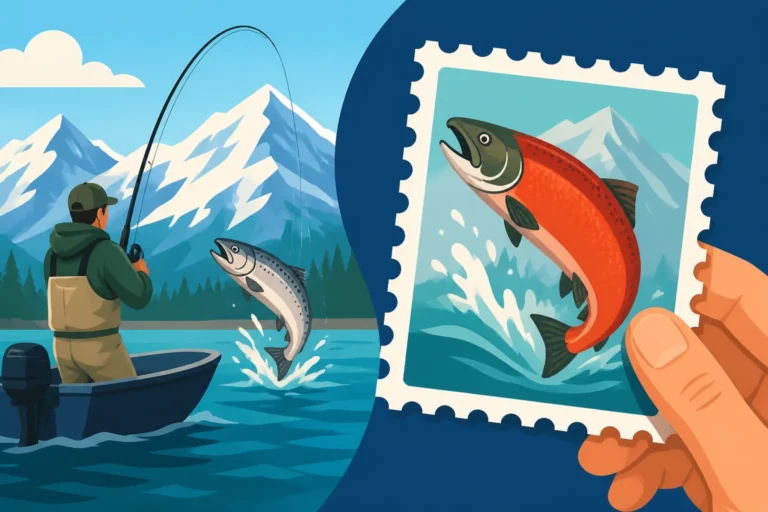
Alaska King Salmon Stamp Requirements
Oh, the King Salmon stamp! It’s one of those little details that can trip up even seasoned anglers heading to Alaska, and honestly, who wants a headache when you're dreaming of reeling in a magnificent Chinook? It feels like you've already navigated the labyrinth of general licenses, gear lists, and travel plans, only to find yet another piece of paper (or digital confirmation) you need. But trust me, understanding these specific requirements for King Salmon isn't just about avoiding a fine; it's about protecting these incredible fish and making sure the runs continue for generations. This guide is here to untangle the nuances of the Alaska King Salmon Stamp, covering who needs it, how to get it, and why it's such an important part of your Alaskan fishing adventure.
Understanding the Alaska King Salmon Stamp
When you think about fishing in Alaska, the mighty King Salmon (also known as Chinook salmon) often comes to mind first. These fish are iconic, prized for their size, strength, and incredible taste. But their popularity also means they face unique conservation challenges, which is where the Alaska King Salmon Stamp comes into play. It's not just an arbitrary fee; it's a critical component of the state's efforts to manage and sustain one of its most valuable natural resources.
More Than Just a Sticker: Its Purpose
At its heart, the King Salmon stamp is a special endorsement required in addition to your general Alaska fishing license if you plan to fish for, or retain, King Salmon. Think of it as a dedicated fund. The revenue generated from the sale of these stamps goes directly towards King Salmon research, habitat restoration projects, and management programs. This includes everything from assessing stock health and migration patterns to enhancing spawning grounds and implementing conservation measures like catch-and-release protocols or specific gear restrictions. Without these funds, the data needed to make informed management decisions, and the physical work required to support the salmon, would be severely limited.
The state of Alaska, through the Alaska Department of Fish and Game (ADF&G), meticulously monitors King Salmon populations across various river systems and saltwater areas. When you purchase a stamp, you're directly contributing to these efforts. It's a way for every angler who dreams of catching one of these magnificent fish to play an active role in their long-term survival. This commitment ensures that the legacy of King Salmon fishing can be passed down, much like the stories of record catches are passed between anglers. For more on the bigger picture, you might want to explore the comprehensive guide to Alaska Fishing Regulations Explained.
The Vital Role in Conservation
King Salmon populations can fluctuate dramatically due to a myriad of factors, including ocean conditions, freshwater habitat changes, and fishing pressure. In recent years, many King Salmon runs, particularly in Southcentral Alaska rivers like the Kenai and Kasilof, have faced significant challenges. This has led to tighter regulations, reduced bag limits, and even closures in some areas to protect returning spawners. The funds from the King Salmon stamp are instrumental in allowing ADF&G biologists to study these declines and implement strategies to reverse them.
Consider the ongoing efforts to restore runs in systems that have struggled. Money from the stamp might fund studies on juvenile salmon survival, evaluate hatchery programs, or support projects that remove barriers to fish passage. It’s a tangible investment in the future of the species. When you're out on a river like the Nushagak or the Kenai, casting for Kings, you're experiencing the direct result of decades of conservation work, much of which is supported by these very stamps. This conservation mindset is deeply embedded in Alaskan fishing culture, ensuring sustainable practices for all species.
Differences from a Standard Fishing License
It’s crucial to understand that the King Salmon stamp is an add-on, not a standalone license. You first need a valid Alaska fishing license. This could be a 1-day, 3-day, 7-day, 14-day, or annual license, depending on the length of your trip and your residency status. Once you have that, if your fishing plans include targeting or keeping King Salmon, you then purchase the additional stamp. It’s like buying your main ticket to the fair, and then a special ride pass for the big roller coaster.
The regular fishing license covers your right to fish for most other species – Sockeye Salmon, Halibut, Rainbow Trout, and so on. But King Salmon, because of their unique status and conservation needs, require this extra layer of permitting. This distinction is important because it means you could technically fish for other salmon species, like Silver Salmon, without a King Salmon stamp, even if Kings are present in the same waters. However, if you accidentally hook a King and intend to keep it, or even just target them, you must have that stamp. Always err on the side of caution! If you're wondering about the initial hurdle, a good place to start is our comprehensive guide on the Alaska Fishing License: Complete Guide.
Who Absolutely Needs an Alaska King Salmon Stamp
The rules around fishing licenses and stamps can sometimes feel like a maze, especially with all the nuances of residency, age, and species. When it comes to the Alaska King Salmon Stamp, clarity is key. It's not a universal requirement for everyone who casts a line in Alaska, but if you have your sights set on King Salmon, paying attention to these details is critical.
Navigating Resident vs. Non-Resident Requirements
The short answer is: almost everyone who wants to fish for King Salmon in Alaska needs the stamp, regardless of residency. Both residents and non-residents are required to purchase the King Salmon stamp if they intend to fish for or harvest King Salmon. However, the price for the stamp, much like the general fishing license, differs significantly between residents and non-residents. This is a common practice in many states, giving a break to those who live and contribute to the state year-round.
For non-residents, the King Salmon stamp is an additional expense on top of what is already a higher-priced general fishing license. This often comes as a surprise to visitors who might have only budgeted for the standard license. However, given the exceptional experience of catching a King Salmon, most anglers consider it a worthwhile investment. For a detailed breakdown of what you might expect to pay, our article on How Much Is the Alaska King Salmon Stamp provides all the current cost information. Remember, your residency status for fishing licenses in Alaska is determined by strict criteria, generally requiring a continuous period of physical presence in the state with the intent to remain, and often a valid Alaska driver's license or state ID.
Age Exemptions and Youth Anglers
Here's where a small but significant exemption comes into play: youth anglers. If you are under the age of 16, you generally do not need to purchase an Alaska King Salmon stamp, even if you are targeting or harvesting King Salmon. This is a fantastic initiative to encourage younger generations to get involved in fishing and experience the thrill of Alaska's waters without the added cost burden. It allows families to introduce kids to the sport more easily, focusing on the fun and education rather than the paperwork.
However, while they don't need the stamp, younger anglers are still subject to all other regulations, including bag limits, size restrictions, and gear rules. For instance, if a 12-year-old catches a King Salmon, it still counts towards the daily and annual limits, and any specific recording requirements, such as those for the Alaska Harvest Record Card, would still apply to their catch. Always double-check the current regulations, especially if you're fishing in a specific area, as emergency orders can sometimes introduce temporary changes. More details on youth requirements can be found in our guide on Alaska Youth Fishing License Rules.
When Not to Bother with a Stamp and Why
There are specific scenarios where you absolutely do not need a King Salmon stamp. If your fishing plans explicitly exclude targeting King Salmon, and you won't retain one if you happen to catch it, then you can skip the stamp. For example, if you are strictly planning to fish for Sockeye Salmon on the Kenai River during its peak run, or bottom fishing for Halibut off Homer, and you have no intention of keeping a King, the stamp isn't necessary. This also applies if you plan to solely pursue species like Rainbow Trout in a dedicated trout fishery.
However, a word of caution: if you are fishing in waters known to have King Salmon, and you hook one, you are generally required to release it immediately if you do not possess a valid stamp. Some specific regulations might also require immediate release of King Salmon during certain closures, regardless of whether you have a stamp. It's always best to review the specific regulations for the waters you plan to fish. You can find up-to-date information in the annual Alaska Sport Fishing Regulations booklet, or often on the ADF&G website. When in doubt, it's safer to get the stamp if there's any chance you might encounter and want to retain a King.
How and Where to Acquire Your King Salmon Stamp
Getting your Alaska King Salmon stamp is usually a straightforward process, but knowing your options can save you time and hassle, especially if you're traveling. Whether you prefer the convenience of online purchases or the traditional feel of a physical stamp, Alaska offers several ways to secure this important endorsement.
Online Purchase: Convenience at Your Fingertips
The easiest and most common way to purchase your King Salmon stamp, along with your general fishing license, is online through the Alaska Department of Fish and Game (ADF&G) website. This digital portal is incredibly user-friendly and accessible 24/7, making it ideal for planning your trip well in advance or even making a last-minute purchase from your hotel room. You'll typically navigate to the licensing section, select your resident or non-resident status, choose the duration of your main fishing license (e.g., a 7-day non-resident license), and then have the option to add the King Salmon stamp as an endorsement.
Once purchased, you’ll usually receive an email confirmation with a printable license and stamp. You must carry proof of your license and stamp while fishing. This can be the physical printout, or increasingly, a digital copy on your smartphone or tablet. Just make sure your device is charged! This method not only offers convenience but also ensures you have all your necessary documentation before you even arrive at the fishing grounds. For a complete walkthrough of this process, check out our guide on How to Get an Alaska Fishing License Online. Many anglers also find useful items like robust waterproof phone cases or regulation guides available on platforms like Amazon to keep their digital licenses safe and accessible.
In-Person Options: Local Vendors and ADF&G Offices
If you prefer a physical transaction or find yourself needing a stamp after arriving in Alaska, there are numerous in-person options. Fishing licenses and King Salmon stamps are sold at hundreds of vendor locations across the state. These typically include:
- Sporting Goods Stores: Shops like Bass Pro Shops in Anchorage, or smaller local gear shops in towns like Soldotna or Homer, are primary vendors. They often have knowledgeable staff who can help clarify any last-minute questions about regulations or even suggest local hot spots.
- Grocery Stores and General Stores: Many larger grocery stores, particularly in remote areas, and even small general stores in fishing communities, carry licenses and stamps. It's a convenient stop while picking up groceries for your trip.
- ADF&G Offices: Official Alaska Department of Fish and Game offices, located in major cities, are also places where you can purchase licenses and stamps directly. While less common for tourists who might not be near an office, it's an option.
- Charter Operators: Some fishing charter operators may offer the convenience of purchasing licenses and stamps directly from them, though this isn't universal. Always confirm this in advance if you're relying on your charter to provide it.
When purchasing in person, you'll typically need to provide some form of identification (like a driver's license) and verify your residency status. Having a physical copy printed on durable paper, or even a credit card-sized hard card (available at some vendors), can be a comforting feeling for many anglers, knowing they won't run out of phone battery. You can find a list of official vendors and more information on Where to Buy an Alaska Fishing License.
Combining with Your Main Fishing License
The King Salmon stamp is always an add-on to your base fishing license. When you go through the purchase process, either online or in person, you'll first select the type and duration of your main sport fishing license. After that, you'll be prompted to add any necessary endorsements, and the King Salmon stamp will be one of the options. You cannot purchase a King Salmon stamp without first having a valid base fishing license for the same period.
For instance, if you purchase a 3-day non-resident fishing license, your King Salmon stamp will also be valid for those same three days. It's important to synchronize the validity periods. If you later decide to extend your fishing trip or return for another salmon run, you would need to purchase a new base license for the extended period and, if still targeting Kings, a new King Salmon stamp for that duration as well. Always ensure your documents are current and cover the entire period you plan to fish for King Salmon.
When and Where the King Salmon Stamp Applies
Understanding the geographical and temporal specifics of when and where your King Salmon stamp is required can be a bit tricky, but it’s vital for staying within the law and ensuring a smooth fishing experience. Alaska's regulations are dynamic, often changing based on scientific data and emergency orders, making constant vigilance a necessity.
Targeting King Salmon in Fresh and Saltwater
The Alaska King Salmon stamp is required regardless of whether you are targeting King Salmon in freshwater rivers or saltwater marine environments. This means if you're casting a line in a famous river like the Kenai or the Nushagak for trophy Kings, you need the stamp. Similarly, if you're out on a charter boat in Cook Inlet or Resurrection Bay, jigging for King Salmon, that stamp is equally mandatory. The type of water doesn't change the requirement; the species you are targeting or retaining does.
This unified requirement simplifies things in some ways, as you don't have to worry about different rules for different water types. However, it means you always need to be prepared if a King Salmon is on your target list. Even if you're primarily fishing for halibut, but your charter captain says, "Hey, we're going to try for Kings for an hour on the way back," you'd better have that stamp ready. It reinforces the idea that the stamp is tied to the species of fish, not the specific fishing location or method.
Navigating Emergency Orders and Closures
This is perhaps one of the most challenging aspects of Alaskan fishing regulations: emergency orders. King Salmon runs are closely monitored, and if projections or actual returns indicate that escapement goals (the number of fish needed to spawn successfully) might not be met, the ADF&G can issue emergency orders to restrict fishing. These orders can change bag limits, implement catch-and-release rules, prohibit certain gear, or even completely close a fishery to King Salmon retention.
Even if you possess a valid King Salmon stamp, an emergency order closing a fishery to King Salmon retention means you cannot keep any Kings. In some cases, it might even require immediate release of all King Salmon caught, regardless of whether you have the stamp. This means you might have the stamp, but the regulations prevent you from exercising the right it usually grants. It's crucial to check for emergency orders frequently, especially just before and during your trip. The ADF&G website and local sporting goods stores are excellent resources. Knowing How to Check Alaska Emergency Orders Before Fishing is arguably as important as having your license itself.
Recording Your Catch: The Harvest Record Card Connection
The King Salmon stamp is intrinsically linked to the Alaska Harvest Record Card, which is issued with your general fishing license. This card is a mandatory component for recording your catches of specific species, and King Salmon are at the top of that list. Every time you retain a King Salmon, you are legally required to immediately record it on your harvest card. This means noting the date, location, and species.
The harvest record card is a critical tool for ADF&G biologists to gather data on angler effort and harvest rates, which directly feeds into their management decisions. It helps them track how many King Salmon are being kept, and from which areas. Misrepresenting or failing to record your catch can lead to significant penalties, just like fishing without a license or stamp. For non-resident anglers, there are often annual limits on the number of King Salmon they can retain, and the harvest card is how these limits are enforced. So, having your King Salmon stamp means you're not just ready to catch; you're ready to contribute to vital data collection. Our guide on What Is the Alaska Harvest Record Card provides all the essential details for this process.
| Requirement | Resident Angler | Non-Resident Angler | Youth (Under 16) | Purpose |
|---|---|---|---|---|
| General Fishing License | Required (Annual, 1-day, 3-day, 7-day, 14-day) | Required (Annual, 1-day, 3-day, 7-day, 14-day – higher cost) | Not Required | General right to sport fish in AK |
| King Salmon Stamp | Required (If targeting/retaining King Salmon) | Required (If targeting/retaining King Salmon – higher cost) | Not Required (but subject to limits) | Supports King Salmon conservation/management |
| Harvest Record Card | Required (Issued with license, must record Kings) | Required (Issued with license, must record Kings) | Not Required (but catches count towards limits) | Data collection for management/enforcement of limits |
| Emergency Orders | Always Applicable (can override license/stamp privileges) | Always Applicable (can override license/stamp privileges) | Always Applicable | Dynamic adjustments to protect fish populations |
The Cost of Your King Salmon Stamp
Let's talk dollars and cents. The cost of fishing in Alaska can add up quickly, especially for visitors, and the King Salmon stamp is another line item to consider. However, understanding the pricing structure and why it varies can help you budget appropriately and appreciate the value of your contribution.
Resident vs. Non-Resident Pricing Breakdown
Just like the general Alaska fishing license, the King Salmon stamp has different price points for residents and non-residents. This differentiation is based on the principle that residents, through their taxes and continuous presence, already contribute to the state's infrastructure and conservation efforts.
For Alaska Residents:
A resident King Salmon stamp is significantly less expensive. For example, a typical annual resident King Salmon stamp might cost around $10. This makes it an affordable add-on for local anglers who enjoy pursuing Kings throughout the season. When combined with an annual resident fishing license, it’s a very reasonable annual investment for year-round fishing opportunities.
For Non-Residents:
Non-residents pay a higher price for the King Salmon stamp, reflecting their temporary use of state resources. The cost typically depends on the duration of your general fishing license. For example:
- A 1-day King Salmon stamp might be around $15.
- A 3-day stamp might be around $30.
- A 7-day stamp might be around $45.
- A 14-day stamp might be around $75.
- An annual stamp for non-residents can be around $100.
These figures are approximate and can change, so always check the current ADF&G website for the most up-to-date pricing. While these costs might seem high, especially if you're stacking them on top of a non-resident general license, they are a direct investment in the very resource you've traveled so far to experience. You can find a detailed breakdown of all associated costs in our article on Alaska Fishing License Cost and Types.
Is It Included in Guided Trips?
This is a common question, and the answer is almost universally: no, fishing licenses and King Salmon stamps are typically not included in the price of guided fishing trips or charters. Most reputable charter operators and fishing guides will explicitly state this in their booking information. They are professional service providers, not official licensing agents (though some larger operations might be authorized vendors, allowing you to purchase from them).
You, as the individual angler, are responsible for purchasing and possessing your own valid Alaska fishing license and any necessary stamps, including the King Salmon stamp. Before your trip, your guide or charter company will often remind you to secure these documents. They might even provide links to the ADF&G website or suggest local stores where you can purchase them upon arrival. Expect to handle this personal responsibility, just as you would bring your own clothing or personal items. Don't assume anything is included unless explicitly stated in your trip package, and always confirm directly with your operator if you're unsure. This topic is also covered in our detailed article Do Charters Include Alaska Fishing Licenses.
The Value of Your Investment
While the cost of an Alaska King Salmon stamp might feel like just another fee, it’s important to see it as an investment. Every dollar contributed directly supports the management, research, and enhancement of King Salmon populations. This isn't just about ensuring there are fish to catch next year; it's about safeguarding an entire ecosystem and a cultural heritage. The data collected from harvest records, funded by these stamps, helps biologists understand migration patterns, spawning success, and the overall health of different runs.
Without these dedicated funds, the state's capacity to monitor and protect King Salmon would be severely diminished, potentially leading to long-term declines and even more restrictive fishing opportunities. So, when you purchase that stamp, you're not just buying the right to fish; you're buying into the future of King Salmon fishing in Alaska. It’s a small price to pay for the chance to reel in one of the most magnificent freshwater fish on the planet, knowing you’ve contributed to its preservation.
Avoiding Common Pitfalls: Violations and Fines
Nobody wants their dream Alaska fishing trip to turn into a legal nightmare. Understanding and adhering to regulations, including the King Salmon stamp requirement, is paramount. Alaskan fish and game enforcement officers take their duties seriously, and ignorance of the law is generally not considered an excuse.
The Risks of Fishing Without a Stamp
The primary risk of fishing for or retaining a King Salmon without the required stamp is receiving a citation. This isn't just a slap on the wrist. Alaskan fishing violations can carry significant penalties, including substantial fines, confiscation of your catch, and even the forfeiture of your fishing gear. Imagine catching the fish of a lifetime, only to have it taken away and face a hefty fine because you overlooked a small, yet critical, piece of paperwork.
Beyond the immediate legal consequences, there's also the disappointment and embarrassment. Nobody wants to be the person delaying a charter trip while an enforcement officer processes a citation. It can sour the entire experience for you and your fishing companions. Moreover, repeated or severe violations can lead to the suspension of your fishing privileges in Alaska, and potentially even other states through interstate compacts. It's simply not worth the gamble. Always ensure you have your Alaska King Salmon Stamp Requirements met before you even cast your line for a King.
Understanding the Penalties
Fines for fishing without a King Salmon stamp or violating other related regulations (like bag limits or recording requirements) vary depending on the severity of the offense and whether it's a first-time or repeat infraction. A standard first-time violation for fishing without a required license or stamp might cost several hundred dollars. For example, typical fines can range from $150 to $500 or more, plus potential court costs. If you are caught with illegally retained fish, the fines can escalate, and the fish themselves will be seized.
In more egregious cases, or for repeat offenders, penalties can include thousands of dollars in fines, jail time, and the loss of hunting and fishing privileges for extended periods. Enforcement officers are often present on popular rivers like the Kenai or during busy saltwater charter seasons, meticulously checking licenses, stamps, and harvest cards. They are highly visible and proactive in protecting Alaska's resources. So, that $10-$100 stamp suddenly looks like a bargain compared to the potential financial and legal headaches of a violation. Our article on Alaska Fishing Violations and Fines dives deeper into these repercussions.
Why Compliance is Always the Best Policy
Ultimately, complying with the King Salmon stamp requirement, and all other fishing regulations, is simply the smartest approach. It protects you from legal trouble, contributes to the conservation of a magnificent fish species, and ensures you can fully enjoy your Alaskan fishing adventure without any lingering worries. Think of it as part of the preparation, just like packing your rain gear (which you'll definitely need in Alaska!) or ensuring your reel has fresh line. Many useful outdoor gear items, including regulation books or waterproof document holders, can be found on Amazon, helping you stay compliant and prepared.
Being compliant also sets a good example for others, especially younger anglers. It fosters a culture of responsible fishing and respect for the environment that makes Alaska so special. By understanding and adhering to regulations like the King Salmon stamp, you become a part of the solution, helping to ensure that the incredible King Salmon fisheries remain vibrant and accessible for future generations of anglers. Always take the time to read the full Alaska Sport Fishing Regulations booklet, which you can often pick up for free at licensed vendors or view online, to be fully informed.
Disclaimer
The information provided in this guide is intended for general informational purposes only and is not a substitute for official legal advice or current regulations. Alaska fishing regulations, including those pertaining to King Salmon stamps, can change frequently due to emergency orders and annual updates. Always consult the official Alaska Department of Fish and Game (ADF&G) website and the current Alaska Sport Fishing Regulations booklet for the most accurate and up-to-date information before you go fishing. Failure to comply with regulations can result in significant fines and penalties.