Best Fish for Beginners to Catch in Alaska
Stepping into the vast and breathtaking world of Alaska fishing can feel incredibly overwhelming, especially when you're just starting out. With so many species, regulations, and legendary fishing tales, it's easy to get lost in the sheer scale of it all and wonder where a beginner even fits in. This comprehensive guide is here to cut through the noise, helping first-time anglers confidently identify the best, most approachable fish species to target in the Last Frontier, ensuring your inaugural Alaskan adventure is filled with excitement and success, not frustration.
The Allure of Alaska for the Novice Angler
Alaska holds a special mystique for anglers worldwide, and for good reason. It's a place where wildness still reigns, and the fishing opportunities are unlike almost anywhere else on Earth. But for someone new to the sport, or new to Alaska-sized fishing, it can seem daunting. Rest assured, Alaska isn't just for seasoned pros wrestling monster halibut in deep offshore waters or expert fly casters stalking elusive trout in pristine wilderness. There are countless accessible fisheries and species that offer incredible action and a genuine taste of the Alaskan fishing experience for absolute beginners.
Why Alaska is Surprisingly Beginner-Friendly
You might picture remote cabins and bush planes, but much of Alaska's best fishing is surprisingly accessible, often just a short drive from major towns like Anchorage, Soldotna, or Homer. This means you don't need a huge budget or a lifetime of experience to cast a line here. Many species are abundant, relatively easy to catch with basic techniques, and provide consistent action that keeps spirits high. The sheer number of fish in certain runs, like the Sockeye Salmon on the Kenai River, can lead to exhilarating, fast-paced fishing that's perfect for building confidence. Plus, the surrounding scenery alone is worth the trip, even if the fish aren't biting every second.
The fishing culture in Alaska is also incredibly welcoming. Locals are often happy to share tips, and charter guides specialize in helping newcomers have a successful and enjoyable day. They understand that not everyone comes with years of experience and are adept at teaching the ropes. You’ll find that many of the essential gear items for these beginner-friendly fisheries aren't overly complicated or expensive either, which is a huge relief when you're just dipping your toes in.
Setting Realistic Expectations for Your First Trip
It's important to understand that while Alaska offers incredible fishing, it's still fishing! There will be days when the bite is slow, the weather is challenging, or the fish just aren't cooperating. This is a natural part of the sport. The key for beginners is to focus on the experience, the adventure, and the learning process, rather than solely on the size of your cooler at the end of the day.
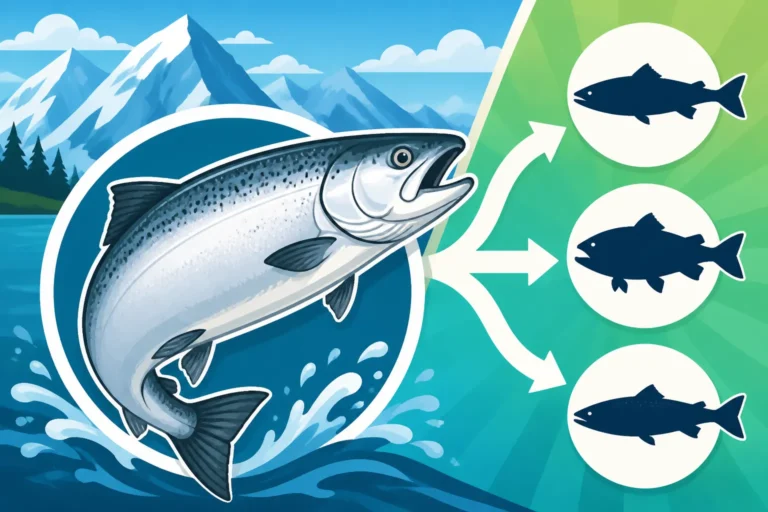
Your first trip to Alaska is about soaking in the environment, understanding the rhythms of the rivers and tides, and practicing fundamental techniques. Don't go in expecting to break world records on day one. Instead, aim for consistent action, learn how to identify Alaska Salmon Species, and get comfortable with your gear. Hiring a guide for your first outing can be immensely beneficial, as they can provide gear, instruction, and local knowledge that dramatically increases your chances of success and enjoyment. Remember, every seasoned Alaskan angler started somewhere, and your first trip is just the beginning of your own incredible journey.
Top Fish Species for First-Time Alaska Anglers
When you're trying to decide what to target on your first Alaska fishing trip, the best approach is to pick species that are plentiful, relatively easy to catch with straightforward methods, and don't require highly specialized gear or advanced techniques. Luckily, Alaska has several fantastic options that fit this bill perfectly. These fish offer a high probability of success, which is crucial for keeping new anglers engaged and excited.
Sockeye Salmon: The Ultimate Numbers Game
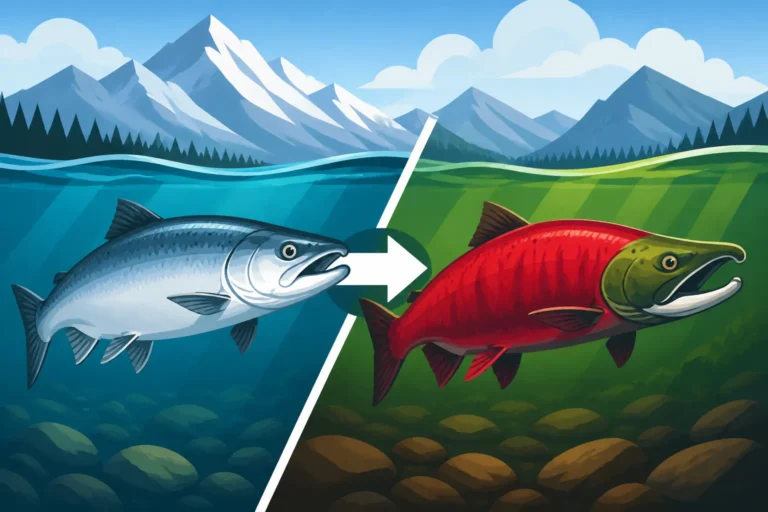
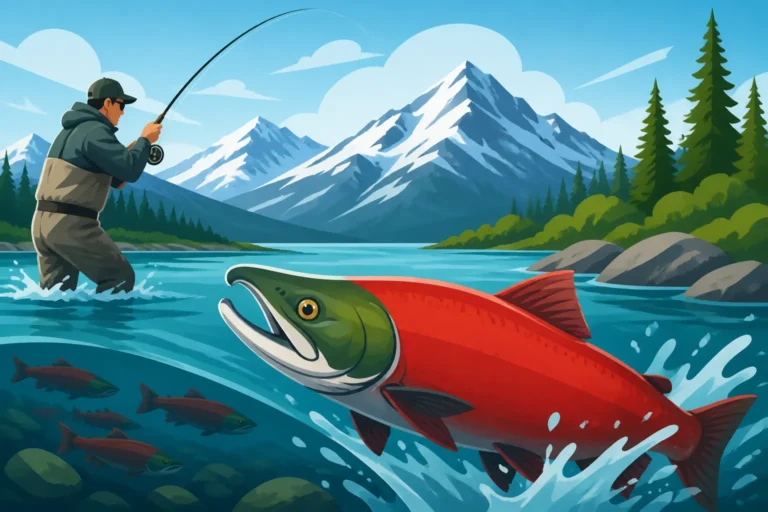
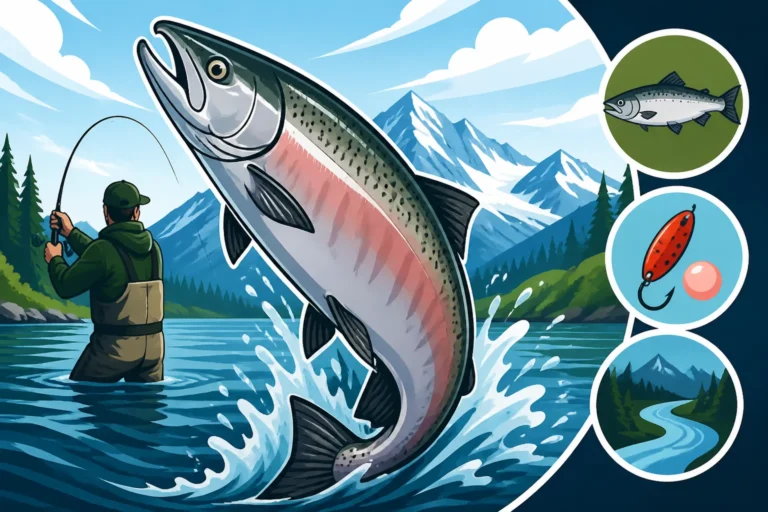
Sockeye salmon, often called "red salmon" due to their brilliant crimson spawning colors, are an absolute powerhouse for beginner anglers, especially during their massive runs. On rivers like the Kenai or Russian River, Sockeye return in astounding numbers, often packing the riverbanks with anglers during peak season. What makes them so beginner-friendly isn't just their abundance, but also the specific technique often used to catch them.
While Sockeye don't typically bite on traditional lures or bait once they enter freshwater to spawn, they can be "flossed" or "drift fished" effectively. This involves using a weighted leader and a bare hook or a small, brightly colored fly (often a bead or a small yarn fly) to drift the line through the schools of fish. When the line makes contact with a fish, you set the hook. This technique, while sometimes requiring a bit of practice to perfect the drift, allows for a lot of action, and you'll often have multiple opportunities to hook up once you get the hang of it. If you're looking for sheer numbers and a guaranteed workout, the Sockeye run is an unparalleled experience for any first-timer. You can learn more about specific tactics in our guide on How to Catch Sockeye Salmon in Alaska.
Pink Salmon: The Energetic "Humpies"
Pink salmon, affectionately known as "humpies" because of the pronounced hump males develop during spawning, are another excellent choice for beginners. They are the most abundant salmon species in Alaska, returning to rivers and streams in staggering numbers every even-numbered year, though there are often respectable runs in odd years too, especially in certain regions. What sets them apart for new anglers is their aggressive nature and willingness to strike a variety of lures and flies.
Unlike Sockeye, Pink salmon actively bite once they're in freshwater. They'll readily chase small spinners, spoons, and flies, making them a blast on light tackle. Their smaller size, typically 3-5 pounds, makes them manageable to fight for anglers of all strengths, but they put up a surprisingly spirited fight for their size. This combination of abundance, aggressive biting, and manageable fight makes them ideal for building confidence in casting, retrieving, and fighting a fish. You can find them in virtually every coastal region of Alaska, often close to shore or in accessible river mouths, providing many options for a first-timer's trip.
Pacific Halibut: A Taste of Saltwater Excitement
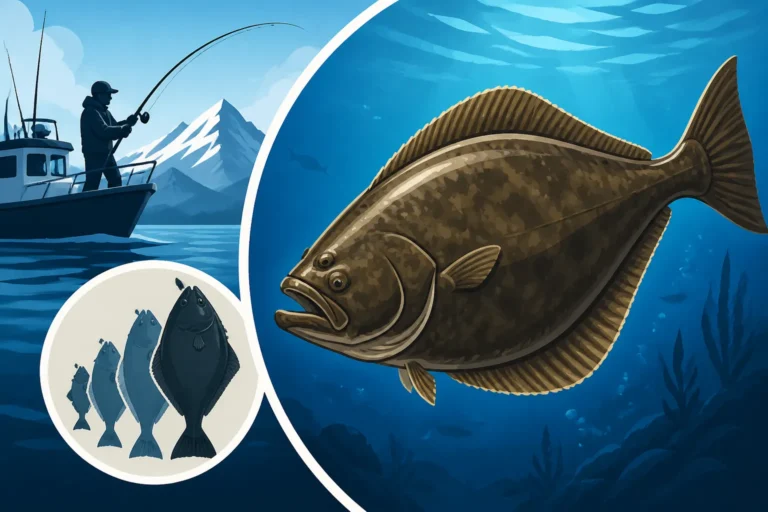
While some might consider Pacific Halibut a more advanced target, certain situations make them incredibly accessible and rewarding for beginners. If you're fishing from a guided charter boat, especially in areas known for abundant "chicken halibut" (smaller, but still delicious, halibut typically under 40 pounds), the experience is remarkably beginner-friendly. Guides provide all the heavy-duty gear, bait, and expertise, essentially putting you on the fish.
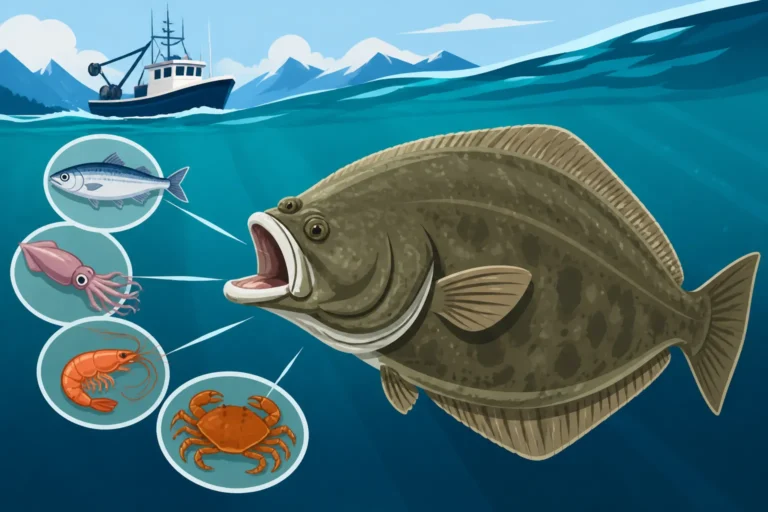
Halibut are bottom dwellers, and the primary technique involves dropping a heavy weight with a baited hook (often herring or squid) down to the seafloor. It's often less about intricate casting and more about feeling the bite and setting the hook, then cranking in your prize. The initial bite can feel like a gentle tap or a sudden thud, but once hooked, even a smaller halibut offers a solid, satisfying pull. Fishing for halibut also often provides stunning ocean views and the chance to see other marine wildlife. Just make sure to check the Alaska Halibut Charter Regulations Explained before you go, as rules can vary.
Rainbow Trout and Dolly Varden: Accessible Freshwater Fun
If river fishing for trout and char sounds appealing, Alaska offers fantastic opportunities that can be very approachable for beginners, especially in stocked lakes or easily accessible streams. Rainbow trout, particularly in Southcentral Alaska's stocked lakes, are eager biters and can be caught using simple spinning gear with bait like PowerBait, worms, or small spinners. These lakes are often roadside, requiring minimal effort to reach.
Dolly Varden, a type of char often confused with Arctic Char, are also widely distributed and aggressive feeders. They often follow salmon runs, gorging on loose eggs, making them prime targets for anglers using egg patterns or beads, especially in late summer and fall. These fish are beautiful, fight hard, and are often plentiful. While fly fishing for trout can be a more involved skill, spin fishing with basic lures or bait makes them very accessible. For those interested in pursuing trout, understanding Alaska Rainbow Trout Regulations is a good first step.
Essential Gear and Techniques for Beginner Success
One of the biggest anxieties for new anglers heading to Alaska is figuring out what gear to bring. The good news is, for the beginner-friendly species mentioned above, you don't need a boatload of highly specialized equipment. Many guides provide gear, but if you're venturing out on your own or prefer to have your own setup, a few versatile items will get you a long way.
Basic Rod and Reel Setup
For most beginner-friendly salmon (Sockeye, Pink, Coho) and freshwater trout/char, a medium-heavy spinning rod (7-9 feet) paired with a reliable spinning reel (size 3000-4000) spooled with 20-30 pound braided line is an excellent all-around choice. This setup offers enough backbone to handle a fighting salmon, but is sensitive enough to feel the bites of smaller trout. Brands like Ugly Stik offer durable, affordable rods perfect for beginners. For bottom fishing for smaller halibut from a boat, a stout conventional rod and reel combo might be provided by a charter, but a heavy spinning setup can sometimes suffice for smaller fish.
Having a good quality fishing line is crucial. Braided line offers superior sensitivity and strength for its diameter, making it easier to feel subtle bites. You'll want to attach a fluorocarbon leader (15-25 pound test) for its invisibility and abrasion resistance. Remember, you can easily find most of these items on Amazon or at local sporting goods stores before your trip. Getting comfortable with your reel's drag system and basic casting techniques before you arrive will also make a huge difference.
Lures, Bait, and Terminal Tackle
The specific lures and bait you'll need will depend on your target species and where you're fishing. For Pink and Coho salmon, a variety of spinners (like Blue Fox Vibrax or Mepps) and spoons (like Pixee Spoons or a Kastmaster) in bright colors (chartreuse, pink, orange) are highly effective. For Sockeye, small unbaited flies or beads that mimic salmon eggs are key, often used in a "flossing" setup with heavy pencil lead or slinky weights.
When it comes to freshwater trout and Dolly Varden, salmon egg imitations (beads, flies, or even cured eggs) are fantastic, especially during or after salmon spawns. Small spinners or spoons work well too. For halibut, fresh bait like herring, squid, or pieces of salmon will be your best bet, typically provided by your charter captain. Always ensure you have a selection of swivels, lead weights (pencil weights, cannonball weights), and appropriate hooks (single barbless hooks are often required in freshwater salmon fisheries; check current Alaska Fishing Regulations Explained). A tackle box with a few essential tools like pliers, line clippers, and a hook remover will also be invaluable.
| Fish Species | Recommended Gear & Tackle | Best Season | Typical Size (lbs) | Ease for Beginners |
|---|---|---|---|---|
| Sockeye Salmon | Medium-heavy spinning rod/reel, braided line, fluorocarbon leader, unbaited flies/beads, pencil lead | June-August | 6-12 | Excellent |
| Pink Salmon | Light-medium spinning rod/reel, braided line, fluorocarbon leader, small spinners/spoons (pink, chartreuse) | July-September (peak even years) | 3-5 | Excellent |
| Pacific Halibut | Heavy conventional rod/reel (charter provides), bait (herring, squid), heavy weights | May-September | 10-40 (chicken size) | Good (with guide) |
| Rainbow Trout | Light spinning rod/reel, mono/braided line, PowerBait, worms, small spinners/spoons, egg patterns | May-September | 1-5 | Very Good |
| Dolly Varden | Light-medium spinning rod/reel, mono/braided line, small spinners, egg patterns/beads | June-October | 2-8 | Very Good |
Essential Apparel and Accessories
Alaska's weather can be notoriously unpredictable, often shifting from sunny to rainy to windy in a single day. Layering is absolutely critical. Start with a moisture-wicking base layer, add a warm fleece or wool mid-layer, and top it off with waterproof and windproof outer layers. Good quality rain gear is not just a suggestion; it's a necessity. Companies like Grundens or Simms are popular choices among Alaskan anglers, but even more affordable options available on Amazon can suffice for a beginner's trip.
Waterproof boots or waders are also highly recommended, especially for river bank fishing. You’ll want comfortable, sturdy footwear with good grip. Don't forget a warm hat, gloves, polarized sunglasses (to spot fish and protect your eyes), and plenty of bug spray, particularly if you're fishing in stagnant areas or during calm evenings. A small backpack to carry snacks, water, and extra layers will also come in handy. Being prepared for the elements will significantly enhance your comfort and enjoyment, regardless of how the fish are biting.
Planning Your First Alaska Fishing Adventure
Deciding where and when to go can feel like a monumental task, but with a focus on beginner-friendly options, the choices become much clearer. Alaska's vastness means different regions offer distinct experiences, and timing your trip with the peak runs of your target species is essential for success.
Choosing Your First Fishing Destination
For an accessible and rewarding first trip, the Kenai Peninsula in Southcentral Alaska is often recommended. Towns like Soldotna, Cooper Landing, and Homer offer a wide array of options, from world-class river fishing to productive saltwater charters. The Kenai River is famous for its massive Sockeye Salmon runs, providing unparalleled bank fishing opportunities. Many of these spots are easily reachable by road, reducing logistical complexities.
Homer, known as the "Halibut Fishing Capital of the World," is an excellent base for a guided halibut charter. The Kachemak Bay area provides both saltwater and some freshwater opportunities. If you're staying near Anchorage, there are even roadside lakes and streams within a short drive, like those on the Parks Highway, offering accessible trout and sometimes salmon fishing. Check out our guide on the Best Fishing Spots in Alaska for Beginners for more specific locations that cater to new anglers.
Timing Your Trip for Optimal Success
The "best time to fish in Alaska" depends entirely on what you want to catch. For beginner-friendly species:
- Sockeye Salmon: The peak runs on the Kenai River typically occur from late June through July. This is a fantastic time for action, but also the busiest.
- Pink Salmon: These fish generally run from late July through August, especially strong in even-numbered years. Many coastal rivers and streams will be full of them.
- Pacific Halibut: The prime season for halibut runs from May through September. Charter availability will be good during these months.
- Rainbow Trout and Dolly Varden: These freshwater species can be caught from spring (May) through late fall (October), with some of the best fishing occurring during and after salmon spawning runs (August-September) when they feast on eggs.
Consulting an Alaska Fishing Seasons: Month-by-Month Guide can help you pinpoint the best window for your preferred species. Remember that early season can offer less crowded fishing but potentially fewer fish, while peak season means more fish but also more anglers. Consider what kind of experience you're looking for when making your choice.
Guided Trip vs. DIY Adventure
For a true beginner, joining a guided fishing trip is highly recommended. A professional guide provides all the necessary gear, knows exactly where the fish are, and can teach you the techniques on the spot. This significantly reduces the learning curve and greatly increases your chances of catching fish, making for a much more enjoyable and less stressful first experience. While there's an investment involved, it often pays dividends in terms of success and education. Our guide on Alaska Fishing Charter Cost Explained can help you budget for this option.
If you're more adventurous or on a tighter budget, a do-it-yourself (DIY) trip is certainly possible, especially for Sockeye and Pink salmon bank fishing or accessible trout lakes. However, you'll need to do more research on regulations (like whether you need an Alaska Fishing License: Complete Guide, and if you need an Alaska King Salmon Stamp Requirements), gear, and locations. Many anglers start with a guided trip for one or two days, then use that knowledge to explore some DIY options on subsequent days. This hybrid approach can be a great way to learn and still have some independent exploration. Consider whether you prefer the convenience and expertise of a charter or the freedom and potential challenge of going it alone.
Navigating Regulations and Ethical Practices
Fishing in Alaska isn't just about catching fish; it's about respecting the incredible resource and following the rules that keep it healthy for future generations. For beginners, understanding the regulations can seem daunting, but it's a critical part of a successful and legal fishing trip.
Understanding Alaska's Fishing Regulations
Alaska has some of the most complex, yet well-managed, fishing regulations in the world. These rules are designed to protect fish populations and ensure sustainable fisheries. Before you even cast a line, you must purchase an Alaska Fishing License: Complete Guide, and any necessary stamps, such as a King Salmon Stamp if you plan to target King Salmon. These can be purchased online through the Alaska Department of Fish and Game (ADF&G) website or at various vendors throughout the state.
Beyond the license, each region and often each specific river or body of water will have its own set of rules regarding bag limits, possession limits, legal gear (e.g., single hook, barbless hooks), bait restrictions, and open/closed seasons. These can change rapidly via emergency orders, so it's vital to check the latest regulations for your specific fishing area just before your trip and even daily. A good resource is the ADF&G website or their physical regulation booklets available at most sporting goods stores and fishing camps. Don't be afraid to ask local guides or tackle shop owners for clarification; they are usually a wealth of up-to-date information.
Responsible Angling and Conservation
As a beginner, adopting responsible angling practices from day one is essential. This means knowing your regulations, but also practicing ethical fishing. If you're going to keep fish, know your bag limits and adhere to them strictly. Only take what you need and what is legally allowed. For fish you intend to release, practice proper catch-and-release techniques to minimize stress and injury to the fish. This includes using appropriate gear (barbless hooks make releases easier), minimizing fight time, and handling fish gently with wet hands, keeping them in the water as much as possible. Our guide on Alaska Catch-and-Release Best Practices offers more detail.
Additionally, be mindful of your surroundings. Alaska is wild country, and that means respecting wildlife, especially bears. Keep a clean camp, properly store food, and carry bear spray if you're hiking into fishing spots. Leave no trace of your visit, packing out everything you pack in, including fishing line and other waste. These practices ensure that the incredible fishing opportunities Alaska offers will remain vibrant for years to come, allowing countless more beginners to experience the magic of their first Alaskan catch.
Disclaimer
Please note that fishing regulations in Alaska can change frequently due to emergency orders and biological assessments. Always consult the official Alaska Department of Fish and Game (ADF&G) website or local offices for the most current regulations before you go fishing. This article is intended for informational purposes only and should not be considered a substitute for official regulations.