Alaska Arctic Char: Facts and Fishing Tips
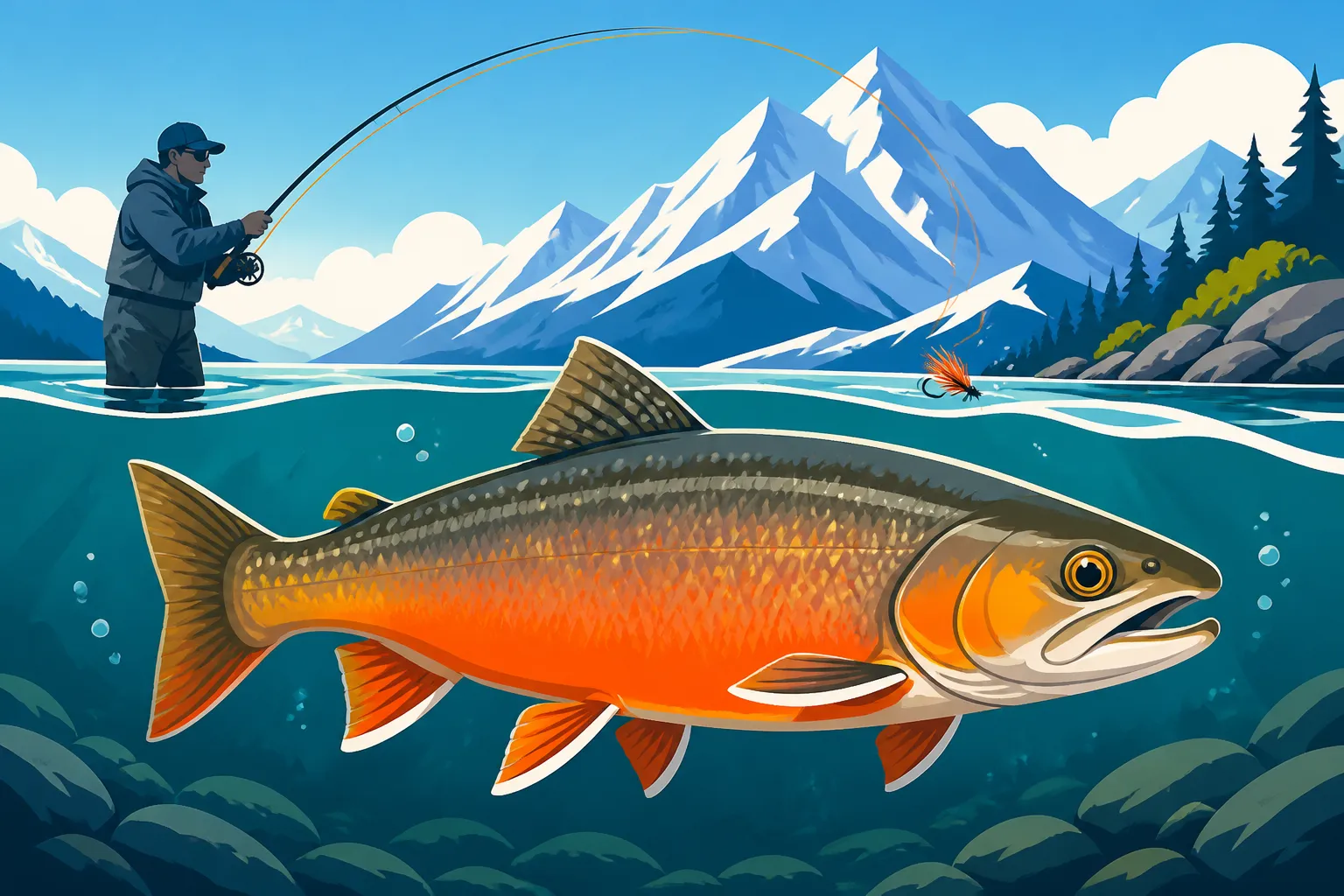
Oh, the Arctic Char! If you've ever dreamt of battling a fish that looks like a jewel, glittering with vibrant reds, oranges, and greens against the stark, wild backdrop of Alaska's northern reaches, then you've set your sights on a truly magnificent creature. Many anglers arrive in Alaska hoping to catch all five species of Pacific salmon or a barn-door halibut, but the Arctic Char offers a unique challenge and a breathtaking reward, often shrouded in a bit of mystery due to its close resemblance to its Dolly Varden cousins. This guide will unravel the facts and offer practical fishing tips to help you conquer the challenge of catching Alaska's stunning Arctic Char.
Understanding Alaska's Arctic Char
Let's dive deep into what makes the Arctic Char so special and why it holds such a revered place in the hearts of those who venture far north. This isn't just another fish; it's a testament to the resilience and beauty of Alaska's wild ecosystems.
What Exactly is an Arctic Char?
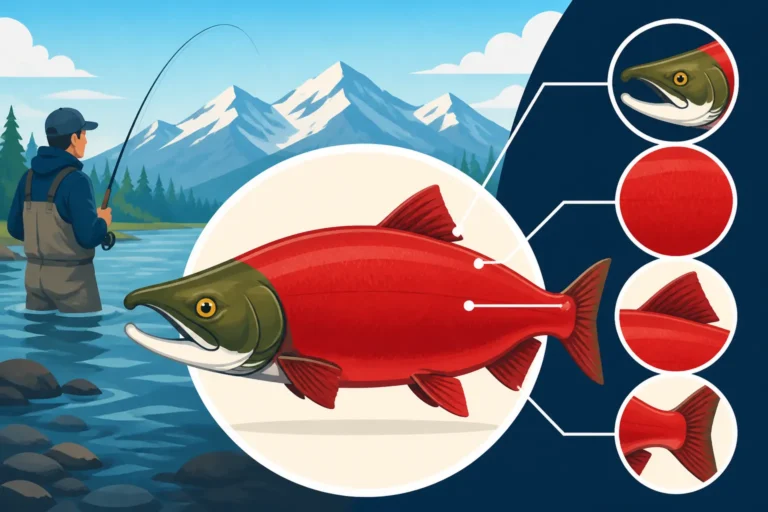
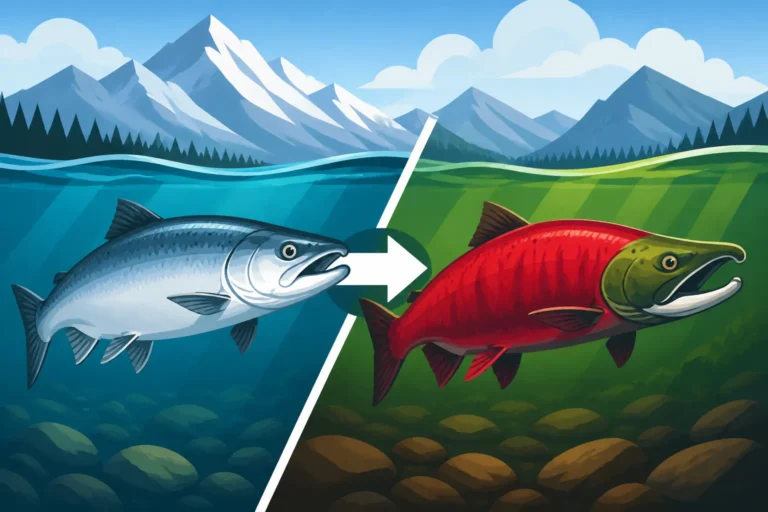
The Arctic Char, scientifically known as Salvelinus alpinus, is a member of the salmonid family, but it belongs to the Salvelinus genus, which includes other char species like Dolly Varden and lake trout. What sets the Arctic Char apart is its incredible adaptability and stunning coloration. While young char might be silvery, as they mature, especially during spawning season, they explode with a riot of colors—deep reds, brilliant oranges, and even purplish hues, often with distinctive pink or red spots on their flanks. Their bellies can turn a fiery red, making them truly unforgettable. They are native to the Arctic and subarctic regions around the globe, making Alaska one of their premier strongholds in North America.
Imagine casting your line into a pristine, icy lake or river, surrounded by tundra or towering mountains, and then pulling out a fish that looks like it was painted by an artist. That's the Arctic Char experience. These fish thrive in cold, clean, oxygen-rich waters, often found in remote lakes and rivers that drain into the Arctic Ocean or the Bering Sea. They can grow quite large, with some specimens reaching over 20 pounds, though a more common size for a trophy char in Alaska might be in the 5-10 pound range. Their robust bodies and powerful fights make them a true sport fish.
Arctic Char vs. Dolly Varden: Clearing Up the Confusion
One of the most common points of confusion for anglers in Alaska is telling the difference between an Arctic Char and a Dolly Varden. For years, they were even considered the same species, and even now, many people mistakenly refer to Arctic Char as "Dolly Varden" or vice-versa. While they are indeed closely related members of the Salvelinus genus, they are distinct species with different characteristics. Understanding these differences isn't just for scientific curiosity; it's crucial for understanding their habitat preferences, behavior, and even local regulations.
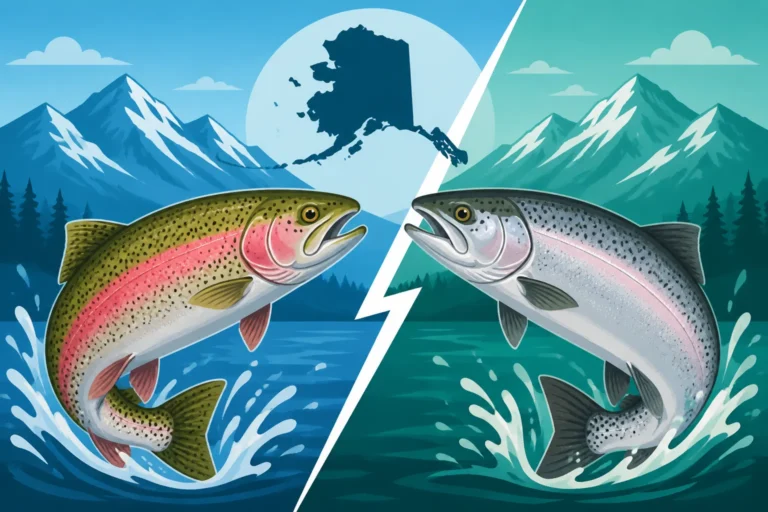
The simplest way to differentiate them often comes down to geography and spot patterns. Generally speaking, true Arctic Char are found in more northerly, colder watersheds, primarily above the Alaska Range, and in specific deep, cold lakes south of it. Dolly Varden, on the other hand, are widespread throughout coastal Alaska, often found in systems alongside salmon, ranging from Southeast Alaska all the way to the Aleutians and the Bering Sea coast. Visually, while both have light spots on a darker body, Arctic Char spots tend to be larger and more widely spaced, often varying in color from yellow to pink to red. Dolly Varden typically have smaller, more numerous pale yellow or greenish spots. Furthermore, Dolly Varden often have a more tapered body shape, while Arctic Char tend to be chunkier and more robust. The mouth of a Dolly Varden is usually smaller, not extending past the eye, whereas an Arctic Char's mouth can extend back beyond the eye, especially in larger males. For a deeper dive into these distinctions, you might find our guide on Alaska Dolly Varden vs Arctic Char incredibly helpful. It really boils down to paying attention to the details once you've seen a few of each.
The Unique Life Cycle and Habitats
The life cycle of the Arctic Char is fascinating and contributes significantly to their allure and distribution. They exhibit two main life history patterns: anadromous (sea-run) and lacustrine (lake-dwelling).
Anadromous Arctic Char migrate to the ocean to feed and grow, similar to salmon, but unlike salmon, they can make multiple spawning migrations throughout their lives. They typically spend winters in freshwater lakes or deep river pools, migrate to the ocean during spring breakup, feed voraciously on smaller fish and crustaceans in the nutrient-rich coastal waters, and then return to freshwater in late summer or fall to spawn. These sea-run char can grow to impressive sizes, capitalizing on the abundant marine food sources. Their spawning occurs in the fall, usually in clear, gravel-bottomed areas of lakes or rivers where water flows through the substrate.
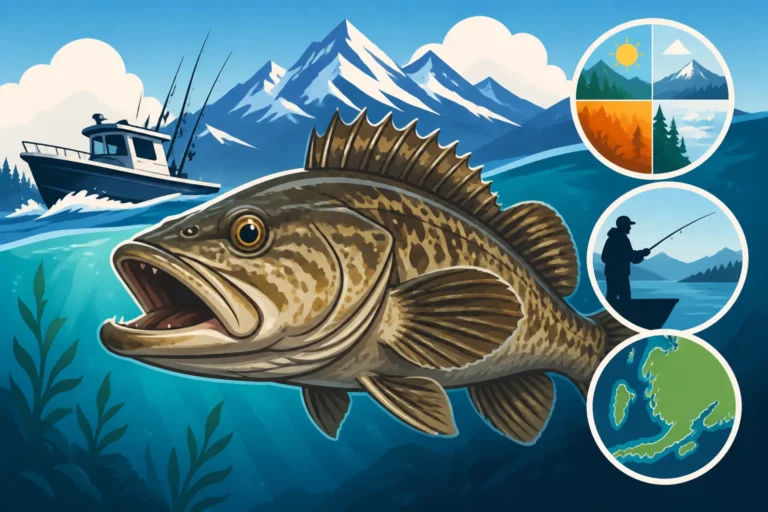
Lacustrine Arctic Char spend their entire lives in freshwater, typically deep, cold lakes. These populations often become specialized, feeding on zooplankton, insect larvae, and sometimes smaller fish, including their own young. They often inhabit the deeper, cooler parts of lakes during the warmer months, moving to shallower areas to feed or to spawn. These lake-dwelling char can also grow quite large, especially in lakes with ample food resources. The sheer diversity in their life histories means that Arctic Char can be targeted in various environments and seasons, from vast, remote lakes on the Alaska Peninsula to the pristine rivers of the Arctic Slope. Understanding these different life cycles helps you pinpoint where and when to target these magnificent fish.
Where to Find Arctic Char in Alaska
Finding Arctic Char in Alaska is often about embracing the journey to some of the state's most remote and breathtaking landscapes. Unlike salmon that surge into crowded river mouths, char fishing often means solitude and true wilderness immersion.
Prime Arctic Char Fishing Locations
Alaska's vast and diverse geography offers several prime locations for Arctic Char, each with its own character and challenges. The most famous char fishing destinations are often in the state's northern and western regions, particularly above the Arctic Circle.
The rivers and lakes of the Arctic Slope, draining into the Arctic Ocean, are legendary for their Arctic Char populations. Rivers like the Sagavanirktok, Canning, and Colville offer incredible opportunities, especially for sea-run char during their summer and fall migrations. Access to these areas typically requires a bush plane or extensive overland travel, making it a true wilderness experience. The fish here are often robust and plentiful, thriving in the cold, pristine waters.
Further south, but still in remote settings, the vast drainages of Bristol Bay are also home to excellent char fishing. While famous for their salmon, many of the lakes and rivers in this region, such as those connected to the Naknek, Nushagak, and Alagnak Rivers, hold strong populations of both lake-dwelling and anadromous Arctic Char. These char often feed on salmon eggs and fry, growing large and fat. Remote lodges in this area, like those around Lake Iliamna or the Wood-Tikchik State Park, often feature char fishing as a highlight.
Lastly, don't overlook the deep, cold lakes of the Alaska Peninsula and some areas in Southcentral Alaska, though these populations are often more lacustrine. Places like Lake Clark National Park and Preserve or various remote lakes accessible by floatplane offer fantastic char fishing, sometimes for truly massive, old lake-dwelling char. These fish spend their entire lives in these deep, glacial lakes, presenting a different kind of angling challenge. The common thread across all these locations is clean, cold water and a generally remote, wild setting, ensuring an unforgettable fishing adventure. If you're looking for the absolute Best Fishing Spots in Alaska, many of these remote char fisheries would certainly make the list!
Identifying Ideal Habitats Within a System
Once you're in a known Arctic Char fishery, the next step is to understand where these fish prefer to hang out within that particular lake or river system. Their habitat preferences are closely tied to water temperature, oxygen levels, and food availability.
In lakes, Arctic Char will often be found in the deeper, cooler sections during the warmest parts of summer. Look for drop-offs, underwater points, and submerged structures where they can ambush baitfish or feed on invertebrates. If the lake has an inlet or outlet river, char will frequently stage or feed near these transitions, especially if salmon are spawning nearby, offering a readily available food source of eggs. During spring and fall, they might move into shallower bays or along shorelines as water temperatures become more uniform. In winter, during ice fishing season, they’ll still seek out deeper pockets but can be found cruising shelves near structure.
In rivers, sea-run Arctic Char will utilize deep pools, slower runs, and areas with good current breaks, especially near obstructions like large rocks or fallen trees. They often stage in these areas before moving upstream to spawning grounds or downstream to the ocean. During salmon runs, they'll congregate behind spawning salmon, eagerly feeding on loose eggs. Look for them in the "tail-outs" of pools where salmon are actively spawning, or in deeper, slower water just downstream of rapids. For lake-dwelling char in river systems, they'll favor colder tributaries and deep holding water. Always remember that char, like most trout, are opportunistic feeders, so finding their food source is key to finding them.
Seasonal Movements and Best Times to Target
Understanding the seasonal movements of Arctic Char is paramount to planning a successful fishing trip. Their patterns can vary significantly between anadromous and lacustrine populations, and even within specific regions.
For anadromous (sea-run) Arctic Char, the best time to target them is typically during late summer and early fall, from late July through September. This is when they are returning from the ocean, often in stunning spawning colors, and moving into freshwater systems. They are actively feeding during this migration and can be quite aggressive. Many anglers time their trips to coincide with salmon runs, as char will feast on the abundant salmon eggs, making them easier to locate and entice. Earlier in the season, after spring breakup (May-June), you might catch them as they exit freshwater for their ocean migration, though they might be less concentrated.
For lacustrine (lake-dwelling) Arctic Char, fishing can be good throughout the open-water season, from June through October, and often extends into the ice fishing season from late fall through spring. In early summer, they might be found shallower as the lake warms up, but by mid-summer, they'll generally retreat to deeper, cooler waters. Fall is an excellent time as they prepare for spawning, becoming more active and aggressive. During the depths of winter, they are a prime target for ice anglers, often found near deep structure. The specific timing will depend heavily on the latitude of the fishing location and the local climate. Consulting a detailed Alaska Fishing Seasons: Month-by-Month Guide can provide more localized insights into the best windows of opportunity for different regions.
Effective Fishing Techniques for Arctic Char
Catching Arctic Char requires a blend of skill, patience, and adapting to the conditions of their unique habitats. Whether you prefer the elegance of fly fishing or the versatility of spin gear, there's a technique that will bring these beautiful fish to hand.
Fly Fishing for Arctic Char
Fly fishing for Arctic Char is a truly rewarding experience, often preferred by anglers who appreciate the finesse and challenge of the sport. Their preference for cold, clean water and varied diets makes them excellent targets for a range of fly patterns.
When char are actively feeding on aquatic insects, especially in lakes or slower river sections, nymphs and wet flies can be incredibly effective. Patterns like Prince Nymphs, Hare's Ears, and even simple Pheasant Tails, often in larger sizes (size 8-12), can imitate the insect larvae or pupae that char consume. During sporadic insect hatches, a well-presented dry fly can sometimes entice a char to rise, though this is less common than with rainbow trout or grayling.
However, the real excitement often comes when char are feeding on baitfish or salmon eggs. Streamers are king in these situations. Patterns imitating sculpins, juvenile salmon, or small minnows, such as Dolly Llamas, Clouser Minnows, or various leech patterns (black, olive, or purple), can be incredibly effective. Often, weighting these flies or using a sink-tip line is crucial to get them down to where the char are holding. During salmon spawning, egg patterns are absolutely deadly. Glo-Bugs, beads (often pegged a couple of inches above the hook), and Flesh Flies can mimic the eggs and decaying flesh that char gorge on. A 5-7 weight fly rod with a matching reel, often spooled with a floating line for general use and a sink-tip or full sinking line for deeper presentations, provides excellent control and fighting power for these strong fish. Presentation is key; a natural drift or a subtle retrieve that mimics a wounded baitfish often yields the best results.
Spin Fishing Strategies for Arctic Char
Spin fishing is an incredibly effective and versatile method for catching Arctic Char, especially when covering large areas, fishing deeper water, or dealing with windy conditions. It's often the go-to for those who want a direct, no-fuss approach.
One of the most popular and productive techniques involves using spoons and spinners. Classic Alaskan spoons like the Pixee Spoon (often with an added piece of colored yarn in the treble hook for extra attraction), and various sizes of Vibrax Spinners (in silver, gold, or brass finishes, sometimes with fluorescent blades) are incredibly reliable. The key is to vary your retrieve speed and depth until you find what the fish are reacting to. Char often hit aggressively, so be ready! Small jigs tipped with a piece of bait (if legal, always check Alaska Bait Restrictions Explained) or a soft plastic grub can also be highly effective, especially when char are holding in deeper pools or near structure. Tossing these out and slowly jigging them back along the bottom can elicit strong strikes.
When char are actively feeding on salmon eggs, especially in rivers, drift fishing with a bead or a cured salmon egg imitation under a float can be deadly. The setup is simple: a small weight, a swivel, and a leader with your bait or bead, allowed to drift naturally with the current through likely holding water. A medium-light to medium action spinning rod, paired with a reliable reel spooled with 6-10 pound monofilament or braided line, provides the ideal combination of sensitivity and power. For remote trips, having a couple of different rods and reels, perhaps a spare reel spooled with different line types, is a smart move. Remember, char can be found from the surface to the bottom, so being able to adjust your depth quickly is a huge advantage.
Ice Fishing for Arctic Char: A Winter Adventure
When the lakes and rivers freeze over, the angling adventure for Arctic Char doesn't stop; it simply changes form. Ice fishing for char offers a unique, often serene, experience, allowing access to parts of lakes that are unreachable during open water.
The primary technique for ice fishing char is jigging. Small, flashy spoons (like Northland Tackle's Buck-Shot Rattle Spoons or similar brands available on Amazon), jigging Rapalas, or even small lead jigs tipped with a piece of cut bait (such as herring or a shrimp, again, check regulations for specific waterbodies) are excellent choices. The idea is to drop your lure to the desired depth, then gently lift and drop it, creating an enticing action that mimics a wounded baitfish or a struggling insect. Char will often hit on the fall or just after you pause the jig.
A portable fish finder or "flasher" is an invaluable tool for ice fishing char. Devices like the Vexilar FL-8 or FL-12 allow you to see your lure and any fish that approach it in real-time, helping you identify the char's preferred depth and react to their curiosity. This takes a lot of the guesswork out of finding them in a large, frozen lake. Char often hold near deep structure, drop-offs, or submerged points in lakes during the winter. A light to medium-light action ice fishing rod, paired with a small, sensitive spinning reel spooled with 4-8 pound monofilament or fluorocarbon line, is ideal for detecting subtle bites. Dressing warmly is non-negotiable for ice fishing. Insulated boots, a warm parka, and layers are crucial to staying comfortable in the often frigid Arctic conditions.
Essential Gear and Tackle for Arctic Char Fishing
Heading into the Alaskan wilderness for Arctic Char means being prepared. The right gear can make all the difference between a frustrating trip and a memory-making adventure. Let's break down what you'll need.
Rods, Reels, and Line Recommendations
Selecting the appropriate rods, reels, and line is fundamental for a successful Arctic Char fishing trip. Given the potential size and fighting prowess of these fish, coupled with often challenging fishing conditions, durability and performance are key.
For spin fishing, a medium-light to medium action rod, typically 6 to 7.5 feet in length, is a versatile choice. This range offers enough backbone to handle a spirited char while still being sensitive enough to detect subtle bites. Pair this with a reliable spinning reel in the 2500-3000 size range, known for its smooth drag system. Brands like Shimano or Daiwa offer excellent options that can be found readily on Amazon. For line, 6 to 10-pound test monofilament is a classic choice, offering good knot strength and shock absorption. Alternatively, 10 to 15-pound braided line, with a fluorocarbon leader (6-10 pound test) for stealth and abrasion resistance, is increasingly popular. The braid offers superior sensitivity and casting distance, which can be a huge advantage when fishing vast lakes or rivers.
For fly fishing, a 5 to 7-weight fly rod is generally recommended. A 6-weight is often considered the sweet spot, providing enough power to cast larger streamers and handle char up to 10 pounds, yet still offering sensitivity for smaller patterns. A reputable large arbor fly reel with a smooth, reliable drag is essential, as char can make strong runs. Spool your reel with a weight-forward floating line for general nymph and dry fly work, and consider bringing a spare spool with a sink-tip or full sinking line for targeting deeper-holding char with streamers or in faster currents. Backing should be at least 100 yards of 20-pound dacron, as you never know when you might hook into a monster. Ensuring your gear is robust enough to handle the elements and the fish will prevent frustration and ensure you can fully enjoy the fight.
Lures, Flies, and Bait That Work
The diet of Arctic Char can be incredibly diverse, ranging from tiny aquatic insects to large baitfish. This means a varied tackle box is your best friend.
For spin anglers, a collection of spoons and spinners in various sizes and colors is crucial. Pixee Spoons, particularly in chartreuse, orange, or silver, are consistent producers. Blue Fox Vibrax spinners in size #3 to #5, with silver, gold, or black blades, are also excellent. Small, brightly colored jigs (1/8 to 1/4 ounce) in pink, white, or chartreuse, often tipped with a gulp minnow or a piece of bait (where legal), can be deadly when retrieved slowly near the bottom. Don't forget a few small crankbaits or swimbaits that imitate juvenile salmon or minnows, especially if you're targeting larger char.
For fly anglers, your fly box should be well-stocked. During salmon runs, egg patterns (like Glo-Bugs or beads in pink, orange, or red) and flesh flies are indispensable. For targeting char feeding on baitfish, large streamers such as Dolly Llamas, Clouser Minnows, Sculpzillas, or various Zonker patterns in white, olive, black, or natural baitfish colors are highly effective. For insectivorous char, a selection of nymphs (Prince, Hare's Ear, Stonefly patterns) and even a few mouse patterns can provoke explosive strikes. Always check the local regulations for specific areas, as some waters may have Alaska Bait Restrictions Explained or other tackle limitations.
Here's a quick reference table for popular char lures and flies:
| Category | Lure/Fly Examples | Key Characteristics | Best Use |
|---|---|---|---|
| Spoons | Pixee Spoon (chartreuse, orange, silver), Little Cleo | Wobbling action, flashy, durable | General spin fishing, varying depths |
| Spinners | Blue Fox Vibrax (#3-5, silver, gold, black) | Vibrating blade, good for current | Covering water, shallower retrieves |
| Jigs | Lead head jigs (1/8-1/4 oz) with grubs/plastics (pink, white) | Vertical presentation, versatile | Deeper pools, bottom structure, ice fishing |
| Streamers | Dolly Llama, Clouser Minnow, Sculpzilla (white, olive, black) | Imitates baitfish, large profile | Aggressive char, larger fish, with sink-tip line |
| Egg Patterns | Glo-Bugs, Beads (pink, orange, red) | Mimics salmon eggs | During salmon spawn, downstream of redds |
| Nymphs | Prince Nymph, Hare's Ear, Stonefly patterns | Imitates aquatic insects | Softer currents, opportunistic feeding |
Dressing for Success in Arctic Environments
Alaska's Arctic and subarctic environments are notoriously unpredictable. Even in summer, clear skies can give way to cold rain, wind, or even snow. Proper clothing isn't just about comfort; it's about safety.
The key to dressing for Alaska is layering. Start with a good base layer of moisture-wicking synthetic or merino wool, which pulls sweat away from your skin. Avoid cotton at all costs, as it retains moisture and loses its insulating properties when wet, leading to rapid cooling. Your mid-layers should provide insulation, such as fleece jackets or down/synthetic puffy jackets. For your outer layer, invest in high-quality waterproof and windproof rain gear. This is non-negotiable, as you will likely encounter precipitation and strong winds, especially in open tundra or on the water. Look for durable, breathable fabrics like Gore-Tex or similar technical materials.
Footwear is equally critical. Waterproof wading boots are essential for river fishing, paired with good neoprene waders that will keep you dry and add an insulating layer. For boat-based or bank fishing, sturdy, waterproof hiking boots with good ankle support are a must. Don't forget warm, waterproof gloves or mittens, a warm hat that covers your ears, and polarized sunglasses to reduce glare and protect your eyes. Even on sunny days, the reflection off the water can be intense. Always bring more layers than you think you'll need; it's easier to shed a layer than to be shivering miles from warmth. You might find our comprehensive guide on How to Dress for Alaska Fishing invaluable for a more detailed packing list. Prepare for all four seasons in a single day, and you'll be ready for anything Alaska throws at you.
Conservation and Responsible Fishing Practices
The allure of Alaska's wild fisheries lies in their pristine nature and abundant fish populations. To ensure these resources remain healthy for generations to come, practicing responsible angling is not just encouraged, it's essential. Arctic Char, with their often slow growth rates and remote habitats, are particularly sensitive to fishing pressure.
Understanding Regulations and Bag Limits
Before you even make your first cast, the absolute most important step is to familiarize yourself with the current fishing regulations for the specific area you plan to fish. The Alaska Department of Fish and Game (ADF&G) is the governing body, and their regulations can vary significantly by region, river system, and even time of year. What's legal on one river might be strictly prohibited on another, even a neighboring one.
For Arctic Char, regulations often include specific bag limits (the number of fish you can keep per day) and possession limits (the total number of fish you can have in your possession). Some areas may have size restrictions, such as a slot limit where you can only keep fish within a certain size range, or a maximum size limit to protect larger, reproductively valuable fish. There might also be gear restrictions, such as limits on the number of hooks, types of bait allowed, or the requirement for barbless hooks. For instance, in some highly sensitive char fisheries, a strict catch-and-release policy might be in effect. Remember that emergency orders can change regulations mid-season, so always check the latest updates on the ADF&G website or through their local offices. Our comprehensive guide to Alaska Fishing Regulations Explained can help you navigate these complexities, but always cross-reference with the official ADF&G booklet or website for the most up-to-date information for your chosen fishing spot. Ignorance of the law is never an excuse for a violation.
Catch-and-Release Best Practices
Many Arctic Char fisheries operate under catch-and-release guidelines, either by regulation or by angler choice, to protect these vulnerable populations. Even if retention is allowed, practicing responsible catch-and-release methods is paramount, especially for larger, older fish.
The goal of catch-and-release is to minimize stress and injury to the fish, giving it the best possible chance of survival. Here are some key practices:
- Use Barbless Hooks: This is perhaps the easiest and most effective way to reduce harm. Barbless hooks (or hooks with the barb crimped down) are much easier to remove, causing less tissue damage and reducing handling time.
- Minimize Handling: Keep the fish in the water as much as possible. If you must lift it for a photo, do so quickly, supporting its body horizontally, especially the belly. Avoid squeezing the fish, particularly around its gills or internal organs.
- Wet Your Hands: Always wet your hands thoroughly before touching a fish. Dry hands can remove the fish's protective slime coat, which is crucial for preventing infections.
- Use Proper Tools: Long-nosed pliers or a hemostat are essential for quickly and safely removing hooks. A rubber-mesh net is also ideal, as it's gentler on the fish's fins and slime coat than traditional nylon nets.
- Revive the Fish: If a fish appears lethargic, hold it gently upright in the water, facing into a mild current, allowing water to flow over its gills. Don't move it back and forth, as this can force water the wrong way. Release it only when it swims away under its own power.
Following these practices, as detailed in our Alaska Catch-and-Release Best Practices guide, ensures that future generations of anglers can also experience the thrill of catching these magnificent fish. Every effort you make contributes to the health and sustainability of Alaska's wild char populations.
Protecting Arctic Char Habitats
Beyond direct fishing practices, anglers have a crucial role in protecting the pristine habitats that Arctic Char depend on. These fish thrive in some of the most untouched and fragile ecosystems on the planet, and our actions, even seemingly small ones, can have a significant impact.
Leave No Trace principles should be your guiding philosophy. Pack out everything you pack in, including all trash, food scraps, and fishing line. Even biodegradable items can take a long time to decompose in cold environments and can attract wildlife, leading to unintended consequences. Avoid disturbing stream banks or lake shores, which can lead to erosion and siltation of spawning beds. When traveling, stick to established trails or avoid sensitive vegetation. If you're fishing from a boat, be mindful of prop wash and anchor carefully to avoid damaging underwater habitat.
Furthermore, be aware of the potential for invasive species. Always clean your waders, boots, and gear thoroughly between different bodies of water to prevent the spread of aquatic invasive species, which can devastate native fish populations and their ecosystems. A simple scrub with a stiff brush and drying your gear completely can make a huge difference. By being a vigilant steward of the environment, you're not just protecting the Arctic Char; you're preserving the wild beauty and ecological integrity of Alaska for everyone.
Disclaimer
Please remember that fishing regulations in Alaska can change frequently due to emergency orders and biological assessments. Always consult the most current Alaska Department of Fish and Game (ADF&G) regulations for the specific region and waterbody you plan to fish before heading out. This guide provides general information and recommendations, but it is not a substitute for official regulations. Stay safe, respect the wilderness, and fish responsibly.