Alaska Arctic Grayling Explained
Alaska Arctic Grayling biology, distinctive physical features, life cycle, habitat preferences, and prime fishing locations in interior and remote waters.
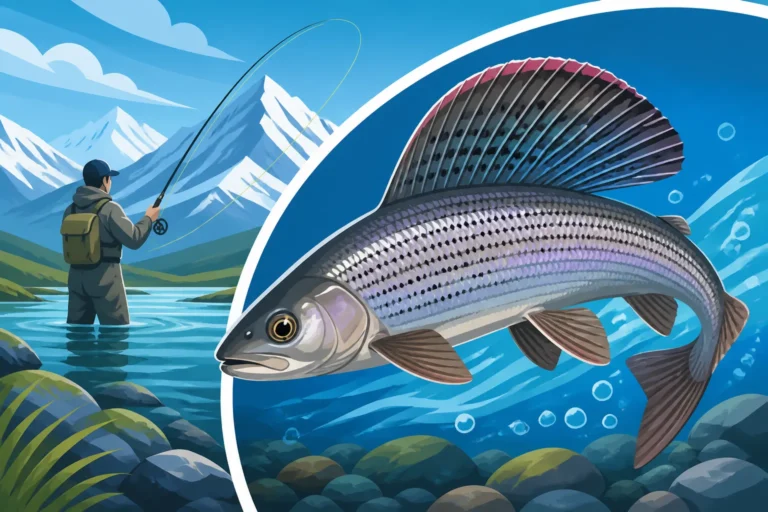
Alaska Arctic Grayling biology, distinctive physical features, life cycle, habitat preferences, and prime fishing locations in interior and remote waters.
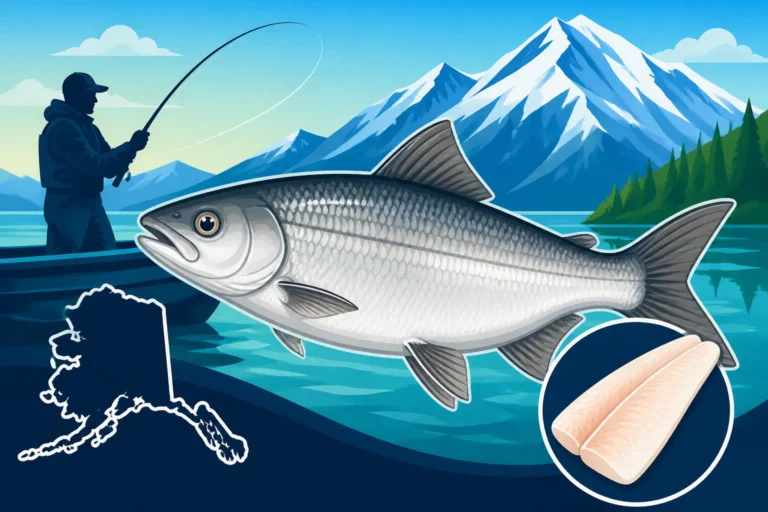
Alaska Sheefish identification, seasonal migration routes, and proven river fishing tactics for targeting this large predatory game fish.

Dolly Varden identification and Arctic Char comparison help anglers distinguish these Alaskan fish species using spots and physical traits.
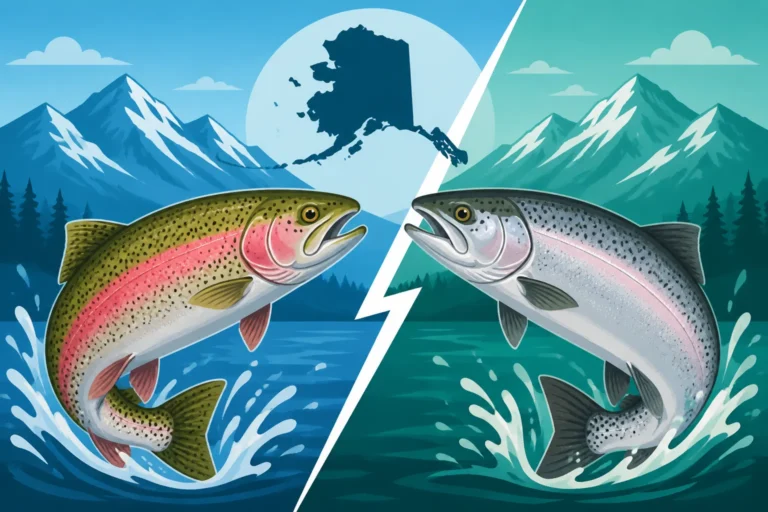
Alaskan rainbow trout and steelhead differences include distinct life cycles, coloration, sizes, habitats, and fishing methods for anglers.
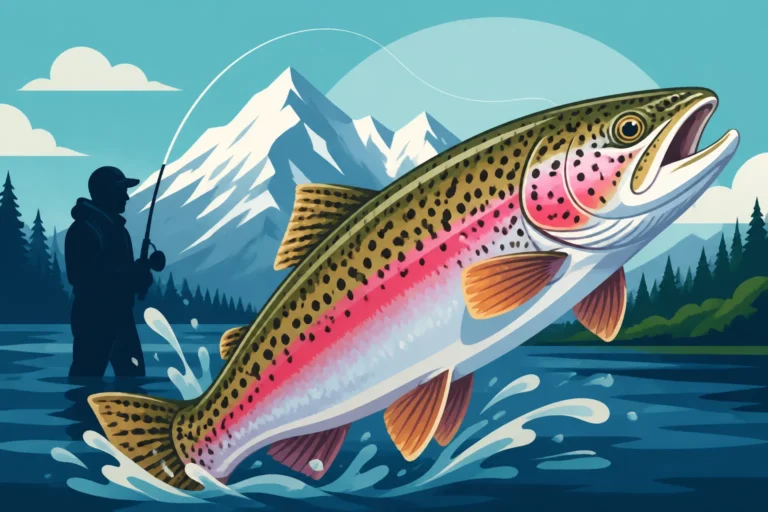
Wild Alaska leopard rainbow trout feature heavy dark spots and thrive in cold rivers throughout the Bristol Bay watershed.

Pacific halibut size nicknames distinguish ten-pound chickens from hundred-pound barn doors, affecting fighting styles, regulations, and cooking qualities.

Barn door halibut are massive Pacific flatfish weighing over 150 pounds in Alaska waters, representing decades of growth and vital spawning females.

Pacific halibut records in Alaska, including the 459-pound world record, explain the biology and fishing strategies behind catching massive flatfish.

Alaska salmon sizes vary by species, with King salmon averaging twenty to fifty pounds and Sockeye typically reaching six to twelve pounds.
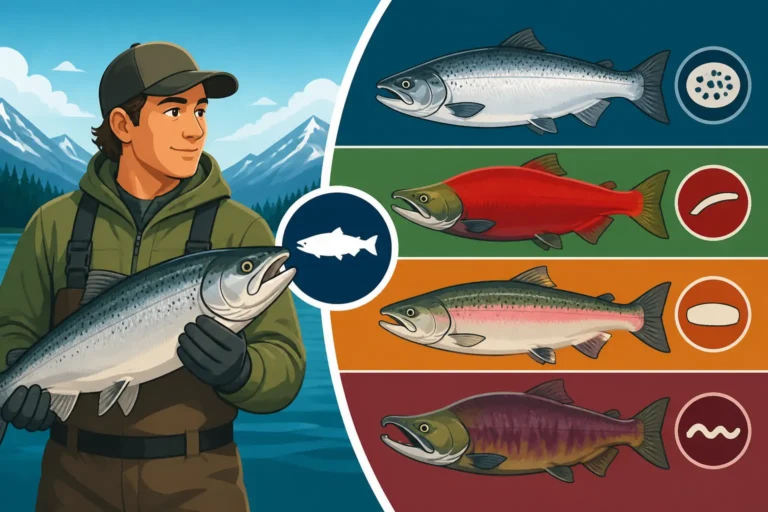
Alaska Pacific salmon identification features for King, Sockeye, and Coho species help anglers correctly distinguish their catches on rivers.