Best Alaska Halibut Charter for Big Fish
The dream of hooking into an enormous Alaska halibut is a powerful one, but finding the right charter to make that dream a reality can feel like searching for a needle in a haystack. Many charters offer halibut trips, but if your heart is set on wrestling a true "barn door" — a fish that will challenge your strength and fill your freezer with prime fillets — you need a guide specifically geared for monster fish. This comprehensive guide will walk you through everything you need to know to identify, choose, and book the best Alaska halibut charter for an unforgettable big fish experience.
Understanding the Quest for a "Big Fish" Halibut
Let's be honest, everyone wants to catch a big fish, but what exactly constitutes a "big fish" when we're talking about Alaska halibut? It's more than just a number on a scale; it's about the experience, the fight, and the sheer awe of pulling a massive flatfish from the depths.
What Qualifies as a "Big Fish" in Alaska Halibut Fishing?
In Alaska, halibut sizes are often informally categorized to manage expectations and celebrate success. A "chicken halibut" might be anywhere from 10 to 40 pounds, perfect for eating and relatively common. A "medium" halibut often falls in the 40-80 pound range, offering a good fight and plenty of meat. But when anglers talk about "big fish" or "trophy halibut," they're typically looking for something much larger.
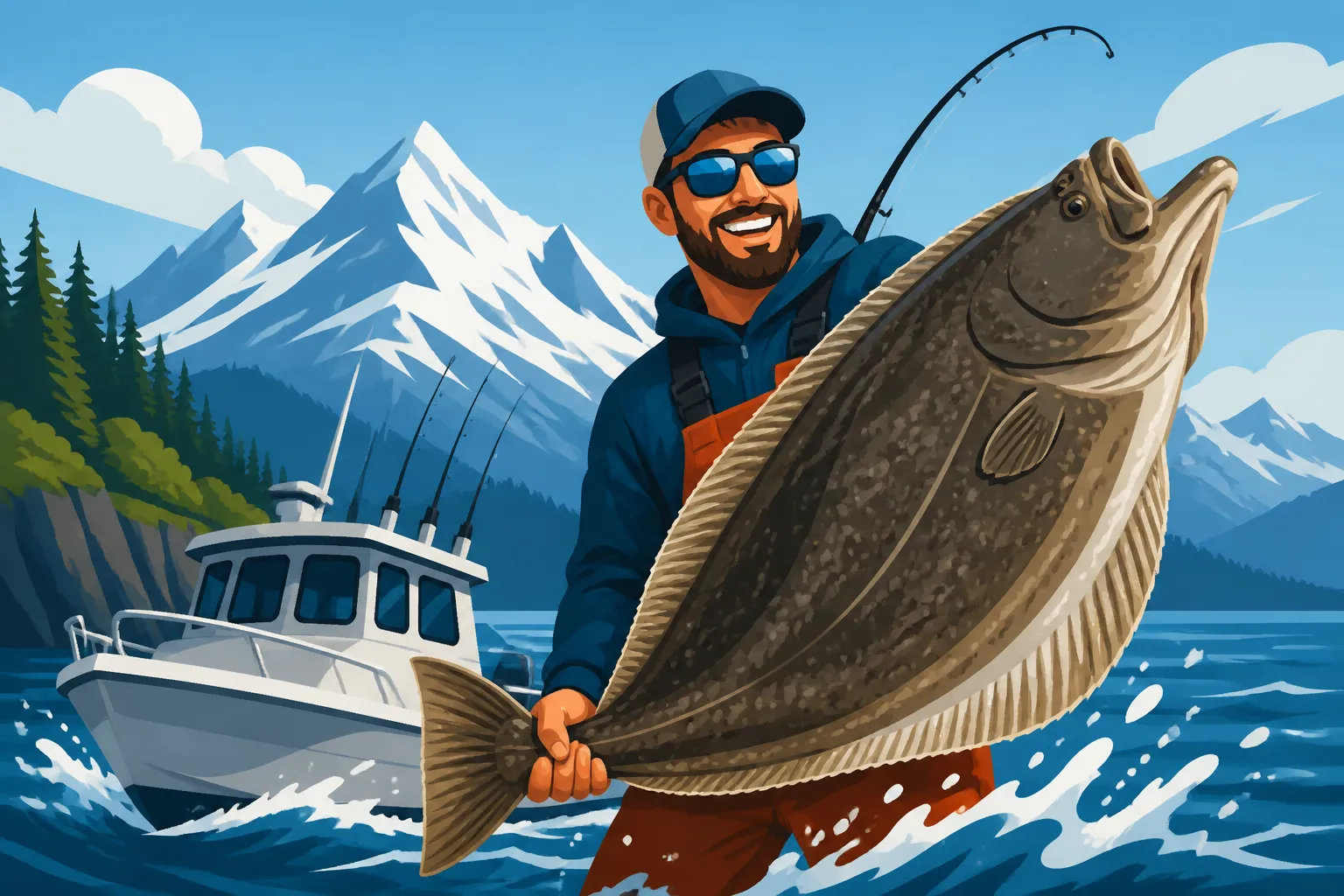
We're talking about halibut pushing well over the 100-pound mark, often referred to as "sows" or "barn doors." A true barn door halibut is usually over 200 pounds, and while legendary, fish exceeding 300 or even 400 pounds have been landed. Landing one of these giants is a rare and incredible feat, requiring specialized gear, immense patience, and often, a bit of luck. It's important to set realistic expectations; while a 100-pound halibut is certainly a trophy, consistently targeting fish over 200 pounds is a different game entirely.
Factors Influencing Halibut Size and Location
Halibut are opportunistic bottom feeders, and their size is directly related to their age, the abundance of food, and the conditions of their habitat. Big halibut need deep, nutrient-rich waters with strong currents that bring a steady supply of prey, like cod, pollock, crabs, and octopus. They are often found in specific areas that serve as natural feeding grounds.
These prime spots typically include deep channels, underwater plateaus, rocky pinnacles, and the edges of abrupt drop-offs where baitfish congregate. Locations like the waters around Homer, Seward, and Kodiak Island are renowned for their robust halibut populations and the potential for monster fish. The sheer volume of available food in these areas allows halibut to grow to immense sizes. Strong tidal flows often sweep food past these hungry predators, making areas with significant current changes particularly productive. Knowledge of these specific underwater topographies and feeding patterns is absolutely crucial for any charter captain aiming for a big fish.
The Elusive "Barn Door" Halibut: Reality vs. Myth
The image of a massive "barn door" halibut being hoisted onto the dock is iconic, but the reality of catching one is often more challenging than it appears. While these colossal fish do exist, they are not an everyday occurrence, even in Alaska's most prolific waters. Many charters will advertise "trophy halibut fishing," and while they can certainly put you on large fish, consistently targeting only barn doors is a different proposition.
Modern regulations, especially the Alaska Halibut Charter Reverse Slot Limit, can also impact the pursuit of the absolute biggest fish. For instance, in some areas, charter anglers might be restricted to keeping one halibut of any size and one under a certain size (like 40 inches). This means that while you might hook a truly massive fish, there could be a regulatory incentive to release it if you’ve already retained a fish in a certain slot, or if the larger fish exceeds a maximum length, ensuring sustainability. Understanding these nuances and discussing them with your chosen charter before your trip is essential to align your expectations with what's legally and practically achievable. Remember, even if you can't retain the biggest of the big, the fight itself is often the real trophy.
Key Characteristics of a Top Halibut Charter for Trophy Fish
Catching a truly massive halibut isn't just about luck; it's about putting yourself in the best possible position with the right resources and expertise. This is where a specialized charter comes into play.
Specialized Gear and Techniques for Giants
If you're serious about landing a "barn door," the standard gear for catching chicken halibut simply won't cut it. Trophy halibut charters invest in heavy-duty equipment designed to withstand the brutal power of a fish weighing hundreds of pounds.
Expect to see stout rods with heavy actions, matched with large, high-capacity reels spooled with strong braided line, often in the 80 to 130-pound test range. Many top charters employ electric reels for big halibut. While some traditionalists might scoff, electric reels are invaluable for hauling up giant fish from depths of 300 to 800 feet, saving anglers from hours of back-breaking cranking and ensuring they can focus their energy on the fight itself. The bait and rigs are also supersized: whole salmon heads, large pieces of herring, cod, or even octopus are used on heavy-duty circle hooks, often paired with massive lead weights (2-5 pounds or more) to get down to the bottom in strong currents. Jigging with large, heavy metal jigs (16-32 oz) is another effective technique, often requiring specialized jigs like those from the Nomad Design or P-Line brands, which are built tough enough to handle massive strikes and deep-water encounters.
Experienced Captains and Crew
The captain and crew are your most valuable assets when hunting for trophy halibut. An experienced captain isn't just someone who knows how to drive a boat; they are a seasoned angler with an intimate understanding of the local waters, currents, and halibut behavior. They know where the big fish tend to hide based on years, sometimes decades, of firsthand experience. They track migratory patterns, understand the impact of tides and moon phases, and can interpret sonar readings to pinpoint prime halibut territory.
A top captain will often have specific "big fish spots" that they visit when conditions are right. They know how to position the boat optimally, manage drifts, and ensure everyone's lines are in the strike zone. The crew, likewise, should be highly skilled, assisting with baiting, netting, gaffing, and providing coaching during the fight. Their seamless teamwork and deep local knowledge are critical for transforming a good fishing day into an epic big fish hunt. When researching, ask about the captain's years of experience specifically targeting large halibut.
Vessel Capabilities and Comfort
The vessel itself plays a significant role in a successful big fish halibut charter. You'll want a boat that's stable, spacious, and equipped for long days on potentially rough Alaskan waters. A larger, wider vessel provides a more stable platform, reducing seasickness and offering more room for anglers to move around and fight a fish without tangling lines.
Look for boats with heated cabins, essential for comfort during chilly Alaskan mornings or unexpected weather changes. Ample deck space and sturdy railings are crucial for safely battling a powerful halibut. Critically, the boat must have sufficient fish holds with good refrigeration or ice capacity to properly preserve your potentially massive catch. Some top-tier charters might even have specialized gear like hydraulic gaffs or custom-built lifting systems to safely bring truly enormous halibut aboard without damaging the fish or injuring the crew. The best vessels are not just transportation; they are purpose-built platforms for serious fishing.
How to Research and Book the Right Charter for Trophy Halibut
Finding the perfect charter for a trophy halibut isn't a task to be rushed. It requires careful research and clear communication to ensure your expectations align with what the charter can deliver.
Questions to Ask Before Booking
When you're shelling out good money and planning a significant trip, you need to ask precise questions to filter out the general charters from the truly specialized big fish outfits. Don't be shy!
- "What's your track record for halibut over 100 pounds, or even 200 pounds?" Ask for recent photos or testimonials specifically mentioning large fish.
- "Do you use electric reels for big halibut, and is that an extra cost?" Many charters include them, but confirm.
- "What tackle and bait do you typically use for trophy halibut?" This will give you an idea of their commitment to big fish.
- "What specific areas do you target for big halibut, and how far out do you usually go?" Longer runs often mean accessing less-pressured, deeper grounds.
- "How do you handle the current Alaska Halibut Charter Regulations Explained and bag limits, especially the Alaska Halibut Daily Limit for Charter Anglers and reverse slot limit, when targeting big fish?" This is crucial to avoid disappointment.
- "Is fish processing and packaging included or available, and how do you handle very large fish?" You'll need a plan for a barn door!
- "What's your typical group size, and do you offer private charters if we want a more focused big fish hunt?" Smaller groups often mean more individualized attention.
Reading Reviews and Seeking Recommendations
Online reviews are a goldmine, but you need to read between the lines. Look specifically for reviews that mention large halibut, the captain's expertise in finding them, and the quality of the gear. Generic "we caught fish" reviews are fine, but for a big fish quest, you need specifics. Platforms like FishingBooker are excellent resources for comparing charters, reading verified reviews, and seeing photos of recent catches. Search for terms like "trophy halibut," "monster halibut," or "barn door" in the reviews to see what other anglers are saying about a particular charter's big fish capabilities.
Beyond online reviews, consider reaching out to reputable fishing forums, local tackle shops in Alaska (especially in towns like Homer or Seward), or even asking friends who have fished in Alaska for their personal recommendations. Word-of-mouth from a trusted source can often be more valuable than dozens of anonymous online reviews. A charter that consistently gets recommendations for big fish is likely doing something right.
Prime Locations and Seasons for Big Halibut
While big halibut can be caught throughout the Gulf of Alaska, certain locations and times of year offer a higher probability of encountering true monsters.
Homer, Alaska: Often called the "Halibut Fishing Capital of the World," Homer boasts exceptional halibut fishing thanks to the rich waters of Kachemak Bay and Cook Inlet. Deep channels and strong currents create ideal feeding grounds. If you're looking for a Homer Halibut Fishing Guide focused on big fish, this is a prime starting point.
Seward, Alaska: Located on Resurrection Bay, Seward offers access to equally productive waters in the Gulf of Alaska. Charters here often head out to deeper offshore banks and pinnacles known for holding large concentrations of halibut. A Seward Halibut Fishing Guide can take you to these hot spots.
Kodiak Island: For truly adventurous anglers, Kodiak offers some of the most remote and productive halibut fishing in the state. Less fishing pressure often translates to larger, older fish. However, charters from Kodiak can be more expensive and require more extensive travel.
Best Time to Fish: Generally, the peak season for halibut fishing in Alaska runs from May through September. However, for the biggest halibut, many veteran captains will tell you that late spring (May-June) and late summer (August-September) can be particularly productive. During these shoulder seasons, larger, migratory fish are often moving into feeding grounds, and the fishing pressure might be slightly less intense than in the absolute peak of July. Always consult a specific charter for their expert opinion on the Best Time to Catch Halibut in Alaska.
| Charter Type | Target Fish Size | Typical Gear | Depth Fished | Price Range (per person) | Crew Experience (Big Fish) | Focus |
|---|---|---|---|---|---|---|
| General Halibut | 10-80 lbs (Chicken/Med) | Conventional rod & reel, 50lb line | 100-300 ft | Moderate | General knowledge | Consistent catch, good eating |
| Trophy Halibut Focused | 80-200+ lbs (Big/Barn Door) | Heavy rods, 80-130lb braid, electric reels | 200-800+ ft | Higher | Specialized, deep water | Landing a giant, fewer fish |
| Combo Halibut/Salmon | 10-60 lbs Halibut | Versatile tackle | Mixed depths | Moderate-High | Varied | Diversified fishing day |
Maximizing Your Chances on an Alaska Halibut Charter Trip
Booking the right charter is a huge step, but your own preparation and mindset also play a crucial role in increasing your odds of landing that once-in-a-lifetime halibut.
Preparing for a Successful Big Fish Hunt
Hunting for trophy halibut isn't a leisurely afternoon outing. It can be physically demanding, requiring endurance and resilience, especially if you're battling a true monster from deep water. Get yourself in decent physical shape before your trip; strong core muscles and stamina will be your best friends.
Beyond physical prep, make sure you pack appropriately for Alaska's notoriously unpredictable weather. Even on a summer day, temperatures can fluctuate wildly, and rain is always a possibility. Layers are key: waterproof and windproof outerwear (jacket and pants) are essential, along with warm base layers, a good hat, and waterproof boots. Many charters recommend quality rain gear from brands like Grundéns or Helly Hansen for maximum comfort. Don't forget motion sickness medication if you're prone to seasickness, as offshore halibut grounds can be exposed to significant swells. Bring plenty of snacks, water, and perhaps some electrolyte drinks to stay hydrated and energized throughout a long day on the water.
Understanding Halibut Regulations and Limits
Alaska's fishing regulations are complex and can change frequently, especially for halibut, which are a highly managed species. Before your trip, ensure you're up-to-date on the current rules. Your charter captain will certainly be knowledgeable, but it's always good for you to have a basic understanding. The Alaska Halibut Charter Regulations Explained document from the Alaska Department of Fish and Game (ADF&G) is your best friend.
Crucially, pay attention to the specific rules for charter anglers. As mentioned, the "reverse slot limit" for halibut is a common regulation in many areas, meaning there are limits on both the minimum and maximum size of fish you can retain. For example, you might be allowed to keep one halibut of any size and one under 40 inches. This is different from unguided anglers. These regulations are designed for sustainability, ensuring healthy populations for future generations. Don't be surprised if your captain encourages the release of certain fish to comply with regulations or to protect larger breeding females. Respecting these rules is paramount.
The Role of Patience and Persistence
Fishing, by its very nature, requires patience. Big fish don't always bite on command, and a day targeting trophy halibut can sometimes mean fewer bites overall, but with the potential for much larger rewards. There will be times when you're just soaking bait in deep water, waiting. This is where persistence comes in. Trust your captain's expertise; they're putting you in the best possible spots.
Keep your bait fresh, pay attention to your rod tip, and be ready to react quickly when that massive thump signals a halibut strike. Sometimes, moving the bait slightly or jigging it gently can entice a bite. Don't get discouraged if the action is slow. The moment a giant halibut hits your line, all the waiting and effort will instantly become worth it. The fight can be prolonged and intense, testing your strength and gear, so be prepared for a marathon, not a sprint.
What Happens After You Land a Trophy Halibut
So, you've battled and landed a magnificent "barn door" halibut! Congratulations! The work isn't quite over yet. Proper handling of your catch is crucial, both for ethical fishing practices and for ensuring the quality of your fillets.
Ethical Handling and Photography
When you finally get that giant halibut to the surface, the captain and crew will employ the safest methods to bring it aboard, often using a gaff and potentially a specialized lift. If the fish is within legal retention limits and you choose to keep it, the crew will typically bleed it out immediately. This is a critical step for quality, as it helps preserve the meat and ensures the best flavor.
If you plan on releasing a fish (perhaps due to the slot limit or simply because you've already kept your quota), the charter should have tools like de-hookers to minimize harm. For photography, be quick and efficient. The fish's health is paramount. Get your celebratory shots, but don't prolong the process, especially if it's going back in the water. Listen to your crew's instructions on how to safely hold and pose with such a large, powerful fish.
Fish Processing and Shipping Your Catch Home
Landing a huge halibut means a lot of delicious meat! Reputable charters will typically offer on-board filleting for immediate quality, or they will direct you to a professional fish processor in port. Many towns like Homer and Seward have excellent processing facilities that can handle everything from filleting and portioning to vacuum-sealing, freezing, and even shipping your catch directly to your home. Companies like Coal Point Seafood Company in Homer or J-Dock Seafood Company in Seward are well-known for their expertise.
The cost for Fish Processing After an Alaska Charter is usually extra but is well worth it for the convenience and peace of mind. Discuss these options with your charter when booking, and factor the processing and potential shipping costs into your overall trip budget. This way, you can enjoy your trophy catch for months to come, sharing the bounty of Alaska with friends and family. FishingBooker listings often specify if charters offer fish processing services or can recommend local providers.
Disclaimer
Please note that fishing regulations in Alaska can change frequently. Always consult the latest regulations from the Alaska Department of Fish and Game (ADF&G) before heading out. The information provided here is for general guidance and educational purposes only.