Alaska Pink Salmon Run Timing
One of the most common frustrations for any angler planning a trip to Alaska is trying to pinpoint the exact timing of those legendary salmon runs. You hear stories, you see incredible photos, but when it comes to pink salmon, often called "humpies" due to the distinct hump males develop, their appearance can feel a bit more elusive than their larger cousins. Missing the peak can mean the difference between epic, non-stop action and a disappointing day on the water. This guide is here to demystify the Alaska pink salmon run timing, helping you understand their unique life cycle, regional variations, and how to best plan your angling adventure to intercept these feisty, abundant fish.
The Unique Life Cycle and Run Patterns of Alaska Pink Salmon
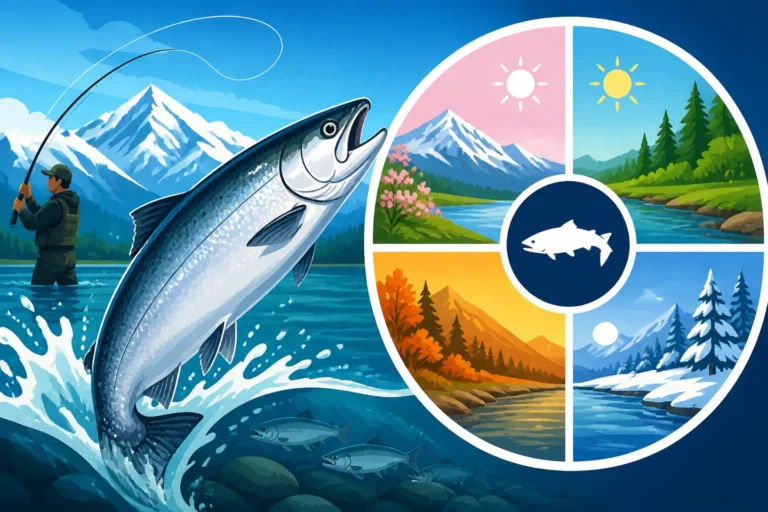
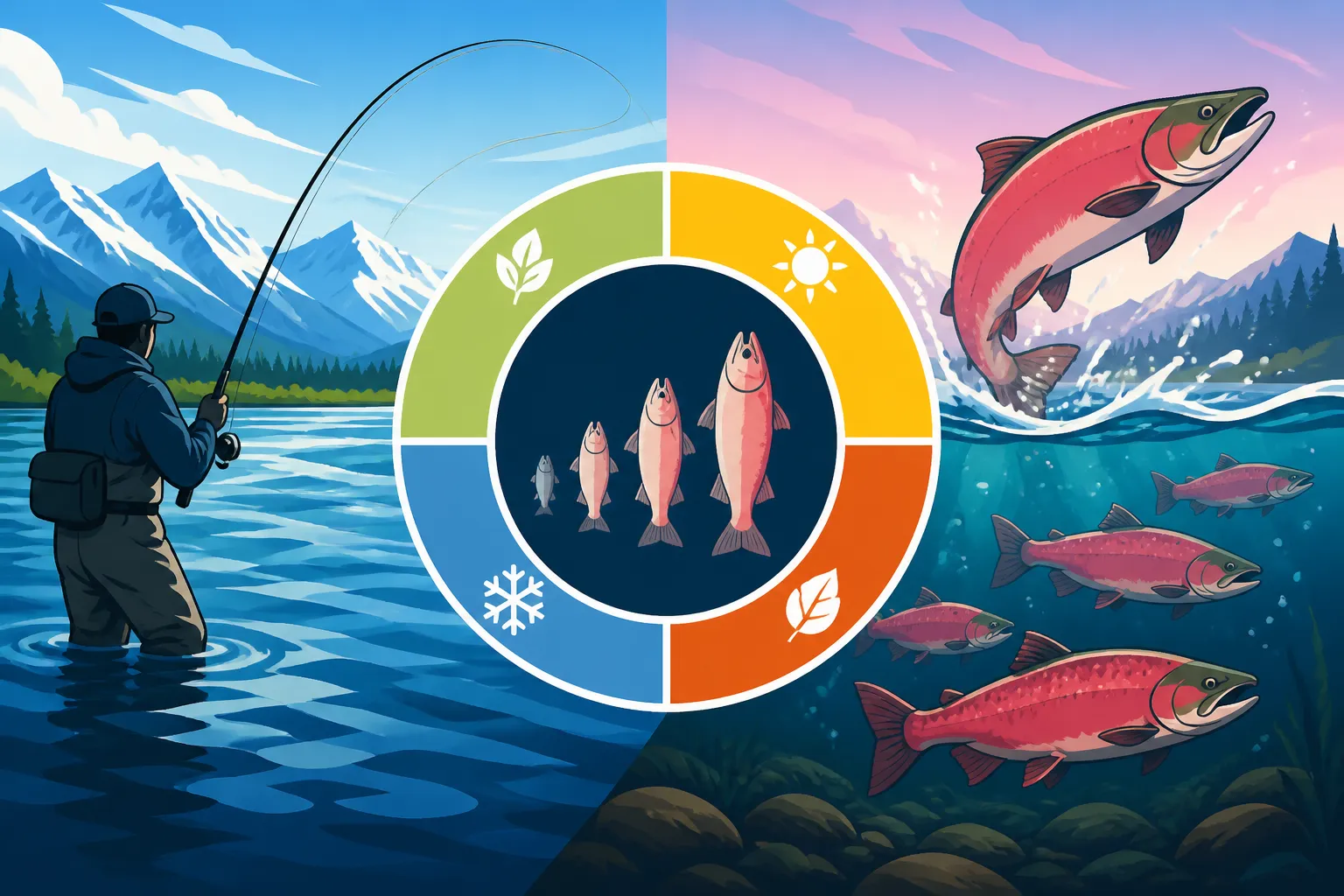
Pink salmon (Oncorhynchus gorbuscha) stand out from other Pacific salmon species with their remarkably short, fixed two-year life cycle. This biological quirk fundamentally dictates their run patterns and makes them incredibly predictable in some ways, yet subject to environmental shifts in others. Understanding this cycle is the first step to unlocking successful pink salmon fishing in Alaska.
The Biennial Cycle: Odd vs. Even Year Dominance
Unlike king, sockeye, or coho salmon which can have varying life spans and return ages, pink salmon almost exclusively return to spawn exactly two years after hatching. This rigid two-year cycle creates a fascinating phenomenon: certain regions of Alaska will have significantly stronger pink salmon runs in either "odd" or "even" numbered years. It's a fundamental aspect of their biology that profoundly impacts fisheries management and angler expectations.
For instance, many streams in Southeast Alaska and certain parts of Prince William Sound often experience massive returns during odd-numbered years, almost like a switch is flipped. The numbers can be staggering, with rivers literally teeming with fish. Then, in the subsequent even-numbered year, the return to those same streams might be dramatically smaller, sometimes just a fraction of the odd-year abundance. Conversely, other regions, notably much of Southcentral Alaska, particularly areas like Kodiak Island and parts of Cook Inlet, tend to have their stronger, more dominant pink salmon runs during even-numbered years. It’s almost as if nature has established two separate, genetically distinct populations returning in alternating years to different basins. This biennial dominance is a critical piece of information for planning your trip, as fishing in an "off-year" can mean considerably fewer fish to target. Always check the long-term trends for your desired fishing location; local knowledge is gold here.
General Timing Across the Last Frontier
While the biennial cycle dictates the volume of the run, the actual timing of when pink salmon enter fresh water to spawn remains relatively consistent year after year, typically falling within the heart of the Alaskan summer. Pinks are generally the first salmon species to arrive in substantial numbers after the early king salmon, making their presence felt from mid-July through early September.
The earliest arrivals often start showing up in late June to early July, particularly in some of the more southerly regions like Southeast Alaska. However, these are usually just the vanguard, with the main thrust of the run typically hitting its stride from mid-July through August. By early September, most pink salmon have completed their spawning journey, though some stragglers might still be encountered. This makes them a fantastic target for summer visitors, often overlapping with the tail end of the sockeye runs and the beginning of the coho season, offering a diverse angling experience. Their sheer numbers during peak times can make for an incredibly exciting and productive day on the water, especially for those looking for consistent action.
Key Environmental Influences on Pink Salmon Runs
Even with their predictable two-year life cycle and general summer timing, pink salmon runs are not entirely immune to the whims of Mother Nature. Several environmental factors can subtly, or sometimes dramatically, influence the precise timing, duration, and even the overall success of a run. These factors can vary from oceanic conditions to freshwater dynamics, adding a layer of complexity to predicting the perfect fishing day.
Ocean temperatures play a significant role in the marine survival and growth rates of pink salmon. Warmer or colder waters in the Gulf of Alaska and Bering Sea can affect the food sources available, impacting the number of fish that ultimately survive to return. Changes in ocean currents can also influence their migratory paths and, consequently, their arrival times at specific river mouths. Once they enter fresh water, factors like water temperature and river levels become paramount. Prolonged hot weather can raise river temperatures, sometimes causing fish to hold in cooler saltwater estuaries longer or to push through rivers more rapidly. Conversely, low water levels, perhaps due to a dry summer or minimal snowmelt, can make it difficult for pinks to navigate shallower sections of streams, concentrating them in deeper pools or delaying their upstream migration. Heavy rains, on the other hand, can quickly raise water levels and increase turbidity, which might temporarily slow fishing but also allows fish to spread out more efficiently. Anglers often find that understanding these local conditions, which can change rapidly in Alaska, is just as important as knowing the general run timing. Keeping an eye on weather forecasts and current river conditions can give you a significant advantage in finding the most productive fishing spots.
Navigating Regional Pink Salmon Run Timings
Alaska is an enormous state, and while pink salmon generally arrive in summer, their specific run timings can vary quite a bit depending on the region. What might be peak season in Southeast could be weeks away in the far north. Understanding these regional nuances is crucial for planning a successful trip.
Southeast Alaska: Ketchikan to Juneau's Pink Boom
Southeast Alaska, a region characterized by its myriad islands, deep fjords, and abundant rainfall, is renowned for its immense pink salmon runs, particularly in odd-numbered years. Towns like Ketchikan, Sitka, and Juneau are often at the epicenter of this pink salmon explosion. In this part of the state, the first pinks typically start showing up in late June, signaling the impending arrival of the main wave.
By mid-July, the runs are usually building quickly, and throughout August, rivers and saltwater estuaries in Southeast Alaska can become absolutely choked with pink salmon. It's a spectacle to behold, with thousands upon thousands of fish pushing upstream. This region benefits from a vast network of smaller, relatively short river systems that provide ideal spawning grounds for pinks. Popular spots include the Ketchikan Creek, the various streams and bays around Sitka, and the Mendenhall River system near Juneau. Anglers targeting pinks here often find incredible success casting small spinners, spoons, or flies in protected saltwater bays as the fish stage, or in the lower reaches of rivers as they begin their upstream migration. These runs can be so prolific that even a novice angler can often find consistent action. The sheer abundance in odd years makes Southeast Alaska a top destination for targeting these fish, and it’s why many anglers plan their trips specifically for those dominant years. Don't forget to review the specific regulations for the region you plan to fish, as rules can vary.
Southcentral Alaska: Prince William Sound and Kenai Peninsula Hotspots
Moving north to Southcentral Alaska, the pink salmon timing shifts slightly and the biennial dominance pattern can become even more pronounced, albeit sometimes with a reverse cycle compared to Southeast. Prince William Sound, with its countless coves, inlets, and streams, and the Kenai Peninsula, particularly around Seward and Resurrection Bay, are major hubs for pink salmon activity.
In Prince William Sound, often accessed from towns like Valdez or Whittier, the pink salmon usually begin to show up in early to mid-July. The runs in this vast, fjord-like environment tend to hit their peak from late July through the third week of August. Popular spots include the mouths of rivers flowing into Passage Canal near Whittier, and various stream mouths around Valdez like Allison Creek or Lowe River. These areas are frequently accessible by boat, offering anglers opportunities to target pinks as they school up in saltwater before entering their spawning streams. For many years, even-numbered years have been historically stronger for pink salmon returns in much of Southcentral Alaska, including Prince William Sound and parts of the Kenai Peninsula. On the Kenai Peninsula, specifically in the saltwater around Seward, pink salmon start arriving in mid-July, peaking through August. Shore-based fishing from the Seward Lagoon or along Resurrection Bay can be highly productive during these times, especially during strong even-year runs. While the Kenai River is famous for its king and sockeye salmon, pinks do make their way into its lower stretches and tributaries, often providing an alternative target for anglers after the primary sockeye push. The ease of access from Anchorage to many of these Southcentral locations makes pink salmon a popular target for local and visiting anglers alike.
Western Alaska and Kodiak Island's Distinct Pinks
Western Alaska, including the vast Bristol Bay watershed, and Kodiak Island off the Southcentral coast, also experience significant pink salmon runs, each with its own timing nuances. Kodiak Island, in particular, is a powerhouse for pink salmon, typically seeing its major returns during even-numbered years.
On Kodiak Island, pink salmon begin to arrive in mid-July, with the peak of the run extending throughout August. The island’s numerous rivers and streams, such as the Buskin River near Kodiak city or the various waterways accessible by bush plane or boat, become alive with pinks. The sheer volume of fish can be astounding, making it a fantastic destination for anglers looking for consistent action and a chance to experience true Alaskan wilderness fishing. Similarly, in Western Alaska, pink salmon runs typically ramp up from late July and continue through August, often providing a robust fishery in between the much-celebrated sockeye runs of Bristol Bay. While sockeye often steal the spotlight in this region, pinks offer a fun and abundant alternative. Rivers flowing into Bristol Bay and the Bering Sea often see large numbers of these "humpies" during their specific run years. The timing here can sometimes be slightly later than in the more southerly regions due to colder northern waters. For anglers seeking a less crowded experience, or those looking to combine a trip with other species, understanding these specific regional timings for pink salmon is invaluable. When considering a trip to a remote lodge, for example, it's wise to consult their specific run calendars, which are usually tailored to the local fisheries.
| Region | Primary Dominant Year (General) | Typical Run Start | Peak Run Period | Notable Locations (Examples) |
|---|---|---|---|---|
| Southeast Alaska | Odd | Late June | Mid-July – August | Ketchikan Creek, Sitka streams, Mendenhall River |
| Prince William Sound | Even (often) | Early July | Late July – August | Valdez (Allison Creek), Whittier (Passage Canal) |
| Kenai Peninsula | Even (often) | Mid-July | Late July – August | Seward (Resurrection Bay), Kenai River (lower) |
| Kodiak Island | Even | Mid-July | Late July – August | Buskin River, numerous island streams |
| Western Alaska (Bristol Bay) | Mixed/Varies (Check local) | Late July | August | Various rivers flowing into Bristol Bay and Bering Sea |
Note: This table provides general guidance. Actual run timing and strength can vary year to year based on environmental factors.
Decoding Peak Runs: When and How to Be There
Knowing the general window for pink salmon is a great start, but truly hitting the "peak" of the run can elevate your fishing experience from good to absolutely phenomenal. It requires a combination of early planning, staying informed, and being observant once you're on the water.
Early Arrivals, Main Waves, and Lingering Opportunities
Pink salmon runs, like all salmon runs, don't arrive all at once. They typically unfold in distinct phases: the early arrivals, the main wave, and the lingering fish. The early arrivals, often showing up a week or two before the bulk of the run, are usually smaller in number but can offer some of the freshest, most pristine fish. These are the fish that haven't spent long in fresh water, are bright silver, and still quite active. Catching these early birds can be incredibly rewarding, though you might have to work a bit harder for them.
The "main wave" is what most anglers dream of – when the run is at its absolute peak, and rivers and estuaries are thick with fish. This is when the action can be non-stop, and you might feel like you can almost walk across the fish. This period usually lasts for a couple of weeks, sometimes extending to three or four in very strong years. This is when you'll find the most consistent bites and the highest likelihood of reaching your Alaska Salmon Bag Limits by Species. Following the main wave, there will be lingering opportunities. These are the fish that are still pushing upstream, or those that have already started spawning. While still catchable, these fish will often be darker in coloration, more lethargic, and less desirable for eating, though they can still provide excellent sport. Understanding these phases allows you to tailor your expectations and tactics. If your primary goal is fresh table fare, target the early to main wave. If it's simply for the joy of catching and releasing, the entire run provides opportunities.
The Critical Role of Forecasts and Emergency Orders
In the world of Alaska fishing, relying solely on historical timing is never enough. The Alaska Department of Fish and Game (ADF&G) provides invaluable resources through their annual forecasts and in-season emergency orders. These are absolutely critical tools for any serious angler planning a pink salmon trip. The ADF&G typically releases pre-season forecasts for pink salmon, often broken down by region and sometimes by specific rivers. These forecasts use complex models, escapement data from previous cycles, and oceanic conditions to project the expected strength of the upcoming run. While not always 100% accurate, they provide the best available scientific estimate and can guide your decision on whether to target an odd or even year in a specific location. You can find detailed information on these forecasts through their official channels.
Even more crucial are the in-season emergency orders. These are real-time updates issued by ADF&G that can drastically change regulations, open or close fisheries, or adjust bag limits based on how the actual run is developing. A strong, early return might lead to expanded limits or longer fishing hours, while a weaker-than-expected run could result in closures or reduced limits to protect the spawning population. For example, a river in Southcentral Alaska might have an excellent sockeye run, but emergency orders could suddenly be issued for pink salmon if their numbers are lower than anticipated. Checking these updates daily, or even multiple times a day if you're already in the field, is non-negotiable. Many local tackle shops, charter operators, and lodges will also have the latest information, but always verify with official ADF&G sources. Understanding How to Check Alaska Emergency Orders Before Fishing is paramount to avoiding potential violations and ensuring you're fishing legally.
Spotting Local Indicators and Adapting on the Water
Even with the best forecasts and diligent monitoring of emergency orders, sometimes the most valuable information comes from your own observations and local knowledge once you're on the ground. Pink salmon, especially when they arrive in large numbers, tend to give themselves away.
One of the clearest indicators is simply seeing the fish. Look for jumpers, ripples, or schools of fish in the shallows, particularly in saltwater estuaries or tidal river mouths. If you're fishing a river, observe other anglers. Are they catching fish? What are they using? A sudden increase in angler success often means the fish have arrived in force. Pay attention to bird activity as well; diving gulls or terns can indicate baitfish, which might be associated with schooling salmon. Additionally, the presence of bears can be a strong indicator of a healthy salmon run, as they are drawn to abundant food sources. Local tackle shops, fishing guides, and even friendly locals can be incredible sources of up-to-the-minute information. They've often seen years of runs and can tell you if the fish are "in" or if you're a bit early/late. Water conditions are also key: clear water might make fish more skittish, while a slight stain after a rain could make them bolder. Being adaptable with your gear and technique based on what you observe—for example, switching from a bright spoon to a subtle fly if the water is clear and the fish are holding—can make all the difference. This active observation and willingness to adapt are hallmarks of a successful Alaska angler.
Gearing Up and Techniques for "Humpy" Success
Pink salmon might not be the largest or most prized salmon species for their fighting ability, but their sheer abundance and willingness to bite make them an absolute blast to target. Plus, when caught fresh and handled well, they can be surprisingly good on the grill! Having the right gear and knowing the most effective techniques will greatly enhance your success.
Rods, Reels, and Lures Tailored for Pinks
You don't need heavy-duty tackle to enjoy pink salmon fishing. In fact, a lighter setup often makes the experience more sporting and enjoyable. A medium-light to medium-action spinning rod, typically 7 to 9 feet long, paired with a reliable spinning reel spooled with 8 to 12 lb monofilament or braided line, is perfectly adequate. The longer rod helps with casting distance and shock absorption for those surprisingly strong runs. If you're planning on How to Fly Fish in Alaska for pinks, a 6 or 7-weight fly rod with a floating or intermediate line is ideal.
When it comes to lures, pink salmon are not particularly picky, but they do have preferences for bright, flashy, and often pink-colored presentations (go figure!). Small, brightly colored spinners are incredibly effective. Think Mepps Aglia, Blue Fox Vibrax, or similar brands in sizes #2 to #4. Colors like chartreuse, pink, orange, or silver with a hint of pink are often deadly. Small spoons, such as the Pixee Spoon or a standard casting spoon, in similar colors and sizes, are also excellent choices. For fly anglers, pink or chartreuse Clouser Minnows, Pink Bunnies, or small poppers can entice aggressive strikes. Many anglers will also add a small piece of cured salmon roe to their spinner or spoon for added scent and appeal. You can find a fantastic selection of these effective lures on Amazon, ensuring you're well-stocked before your trip. Always check local regulations, as some areas may have specific restrictions on bait or hook types. For a comprehensive overview, consult a broader Alaska Fishing Gear and Tackle Guide.
Effective Fishing Methods for Abundant Catches
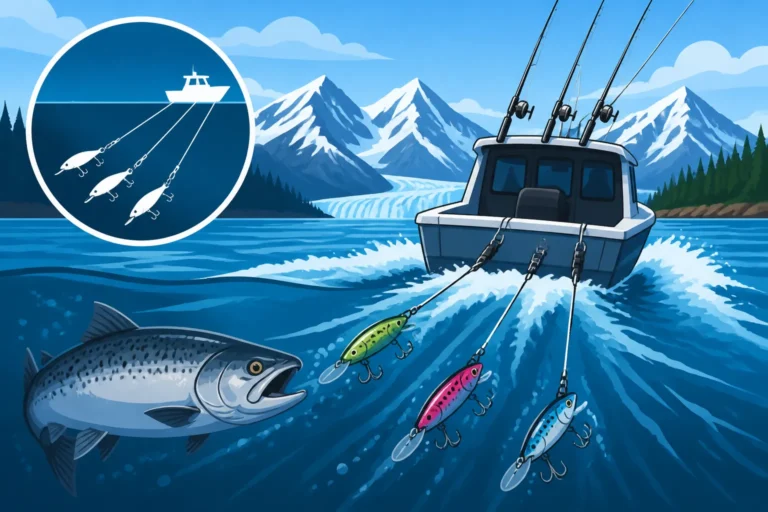
Pink salmon are often caught using a variety of methods, both in saltwater and freshwater, due to their aggressive nature and large numbers. In saltwater, as pinks stage before entering rivers, casting and retrieving spinners or spoons can be incredibly effective. Look for areas where currents concentrate fish, or where they are visibly jumping and rolling. A steady retrieve, occasionally punctuated with a twitch or pause, can often trigger a strike. Trolling small spoons or hoochies behind a dodger or flasher is also a popular and successful technique for boat anglers in estuaries and protected bays.
Once pinks enter rivers, drift fishing with a small spinner or spoon, allowing it to tumble naturally through pools and runs, is very productive. For fly anglers, swinging a streamer across the current or stripping in a fly through shallower runs can provide constant action. In areas with higher concentrations of fish, a technique often called "flossing" or "flipping" can be employed, particularly if legal in that specific fishery. This involves using a weighted leader and a bare hook to snag the fish in the mouth as it swims into the line. However, it's crucial to understand Alaska Snagging Regulations Explained and ensure it is legal and practiced ethically within the designated "terminal harvest areas." For most anglers, a straightforward cast-and-retrieve with a flashy lure will yield plenty of success. The key with pinks is often not finesse, but rather getting your lure in front of as many fish as possible.
Responsible Catch-and-Release and Retention
Given the sheer numbers of pink salmon during peak runs, it’s entirely possible to catch dozens of fish in a single outing. This makes it crucial to practice responsible angling, whether you plan to keep your catch or release it. If you intend to retain pink salmon for consumption, remember that they are best eaten fresh, ideally caught bright in saltwater or the lower reaches of rivers. Their flesh quality deteriorates rapidly once they enter fresh water and begin the spawning process.
For fish you plan to keep, dispatch them quickly and humanely, bleed them immediately, and get them on ice as soon as possible to preserve meat quality. A cooler filled with ice is an essential piece of equipment for any pink salmon fishing trip. For those you plan to release, use barbless hooks to minimize harm, handle the fish as little as possible, and keep them in the water during hook removal. Avoid dragging them onto banks or boats. Support the fish upright in the current until it swims away under its own power. Even though pinks are abundant, treating each fish with respect is part of ethical angling. You will need to carefully track your catch on an Alaska Harvest Record Card Explained if required by regulations for specific species or areas, though pink salmon usually don't require individual recording unless they are part of a species group count. Adhering to bag and possession limits is also critical for sustainable fishing, ensuring these abundant runs continue for future generations.
Maximizing Your Pink Salmon Fishing Experience
While pink salmon can be a primary target, their predictable summer timing and abundance often allow for multi-species trips and offer a fantastic introduction to Alaskan angling. Strategic planning can turn a good trip into an unforgettable adventure.
Combining Pink Salmon with Other Species Pursuits
One of the great advantages of targeting pink salmon is that their run timing often overlaps with other highly sought-after Alaskan species. This presents a fantastic opportunity to diversify your catch and experience more of what Alaska's waters have to offer. As pinks begin to arrive in mid-July, particularly in Southcentral Alaska, you might still find strong sockeye salmon runs in rivers like the Kenai or Russian. This means you could spend your mornings flipping for sockeye and your afternoons casting for pinks in nearby estuaries or smaller streams.
Later in the season, as the pink salmon runs start to taper off towards late August and early September, the coho (silver) salmon runs are just beginning to hit their stride. Many of the same saltwater areas and river systems that hold pinks will soon be teeming with silvers, allowing for a seamless transition between species. Additionally, while deep-sea fishing, particularly for Alaska Halibut: Complete Guide, is a separate pursuit, many coastal communities like Homer or Seward offer both saltwater charter fishing and nearby river or shore fishing for salmon. This opens up the possibility of a "combo trip" where you spend one day battling a barn door halibut offshore and another experiencing the non-stop action of a pink salmon run. Planning for such a multi-species approach requires careful attention to the Alaska Fishing Seasons: Month-by-Month Guide and specific regional run timings for each species you hope to target, ensuring you hit the sweet spot for multiple opportunities.
Practical Tips for Planning a Productive Trip
Planning an Alaska fishing trip, especially one centered around a specific run like pink salmon, requires more than just knowing when the fish are supposed to be there. Logistics, accommodation, and staying flexible are key to a productive and enjoyable experience. First and foremost, decide on your target region and whether you're aiming for an odd or even-year dominant run. If you're hoping for huge numbers, align your trip accordingly. Book accommodations and any guided trips well in advance, especially for peak season in popular areas like the Kenai Peninsula or Prince William Sound. Many of the best Alaska Fishing Charters: Complete Guide fill up a year or more out.
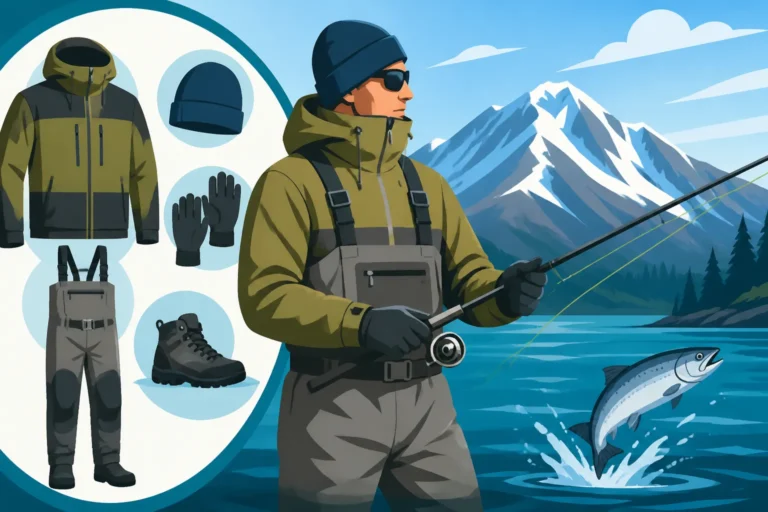
Consider the type of experience you want: roadside fishing for easy access, or a remote fly-out adventure? Each comes with its own costs and planning needs. Pack appropriate gear, including plenty of layers, good rain gear (an absolute must in Alaska!), and waterproof boots, regardless of the forecast. While many lures can be purchased locally, having a good selection bought from reputable online retailers like Amazon before you arrive can save you time and ensure you have your preferred brands and colors. Bring plenty of water, snacks, and a reliable first-aid kit. Finally, embrace flexibility. Alaska weather is notoriously unpredictable, and river conditions or fish movements can change rapidly. Be prepared to shift your plans, try a different spot, or even switch techniques if the fish aren't cooperating where you initially intended. A positive attitude and willingness to adapt will go a long way in making your pink salmon adventure a success.
Understanding and Respecting Regulations for Sustainable Fishing
Fishing in Alaska, particularly during salmon runs, comes with a responsibility to understand and adhere to the regulations designed to protect these vital resources. The rules can be complex and are subject to change, sometimes daily, through emergency orders. Before you even cast a line for pink salmon, ensure you have the correct Alaska Fishing License: Complete Guide for your residency status and age. Non-residents, for example, have different requirements than residents, and children often have specific age exemptions.
Beyond the license, familiarize yourself with the specific regulations for the body of water you'll be fishing. These regulations cover everything from daily bag and possession limits for pink salmon, to allowed gear (e.g., single hook, no bait restrictions in some areas), time of day restrictions, and whether snagging is permitted in designated "terminal harvest areas." For example, Alaska Pink Salmon Regulations and Limits will vary by management area. It's not uncommon for a stream to have different rules than a nearby bay. Always carry a copy of the current Alaska Sport Fishing Regulations booklet, either physical or digital, and know how to interpret it. Don't rely solely on what you hear from other anglers, as information can be outdated or inaccurate. When in doubt, call the local ADF&G office. By being a responsible angler, you contribute to the sustainability of Alaska's incredible pink salmon runs, ensuring that these "humpies" continue to provide exciting fishing opportunities for generations to come.
Disclaimer
The information provided in this guide is for general informational purposes only and is subject to change. While we strive to offer accurate and up-to-date advice, fishing regulations, run timings, and environmental conditions in Alaska can change rapidly. Always consult the official Alaska Department of Fish and Game (ADF&G) website for the most current regulations, emergency orders, and forecasts before planning or undertaking any fishing activity. It is the angler's responsibility to know and follow all applicable laws and regulations.