Best Wilderness Fishing in Alaska
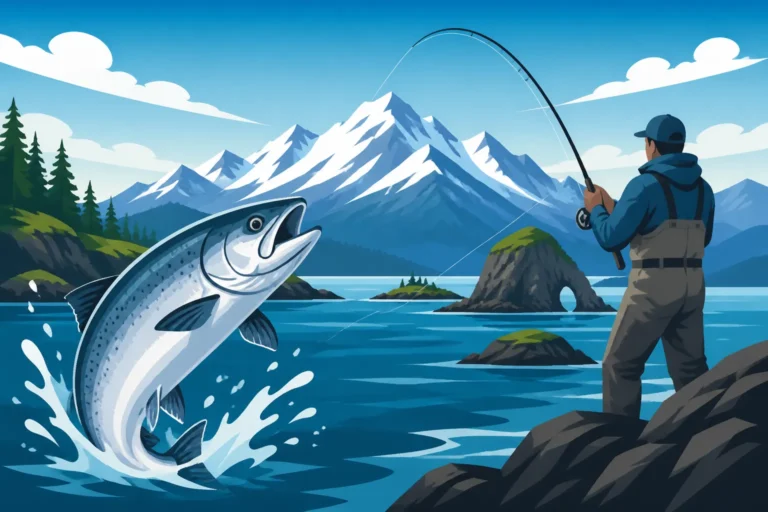
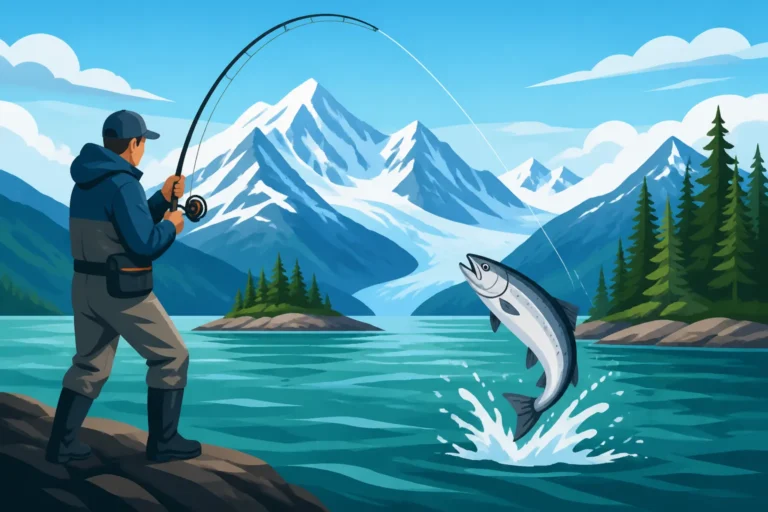
There’s a unique call to the wild that only Alaska can truly answer, especially for those anglers who dream of casting lines in waters untouched by crowds, where the only sounds are the rush of the river and the cry of an eagle. While popular spots offer fantastic fishing, the real magic, the true Alaskan experience, often lies off the beaten path, deep within the state's vast wilderness. This guide is for those who crave that profound solitude and the thrill of pristine fishing, offering insights into finding and preparing for the best wilderness fishing adventures Alaska has to offer.
Embracing the Untamed: What Defines Wilderness Fishing in Alaska?
When we talk about "wilderness fishing" in Alaska, we're not just talking about a quiet spot on a river. We're talking about an immersive experience, a journey into areas where human impact is minimal, and nature reigns supreme. This isn't your roadside pull-off; it's a commitment to truly wild landscapes.
Beyond the Road System: Accessing Remote Angling Havens
The quintessential characteristic of Alaskan wilderness fishing is its remoteness. Most of these prime locations are simply inaccessible by car. You won't find paved roads leading to these honey holes. Instead, access typically involves a significant logistical effort, which is precisely what preserves their untouched quality.
Think about bush planes, for example. Small, rugged aircraft like a De Havilland Beaver or Cessna 185 are the workhorses of Alaskan wilderness travel. They can land on short gravel strips, remote lakes, or even river bars, dropping you and your gear into the heart of an isolated fishing paradise. This often means flying out of small towns like King Salmon, Iliamna, or even remote airstrips on the Alaska Peninsula. These planes aren't just transport; they're your lifeline, connecting you to civilization and delivering you to waters that might see only a handful of anglers all season. Floatplanes, taking off and landing on water, can put you right on the shore of a secluded lake teeming with lake trout or an isolated section of a river where rainbow trout grow to incredible sizes. For those embarking on multi-day river floats, jet boats or rafts might be used for access, particularly in rivers like the Alagnak or sections of the Nushagak where you can drift downstream for days without seeing another soul.
The Allure of Pristine Waters and Untouched Habitats
The effort to reach these wilderness spots is handsomely rewarded. What you find are rivers, lakes, and coastal areas that are ecologically intact, supporting incredibly healthy fish populations. The fish here are often larger, more vibrant, and certainly more eager to bite, having seen far fewer lures and flies.
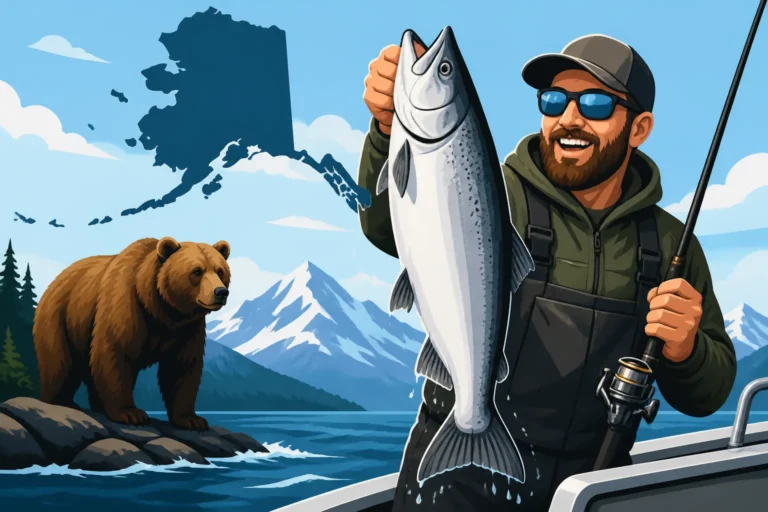
Imagine a crystal-clear stream in the Bristol Bay region, where sockeye salmon are so numerous during their run that the water literally churns with them, or a remote tributary of the Susitna River where feisty rainbow trout readily rise to a dry fly. These environments are ecosystems in their purest form, where wildlife interactions are common. It's not uncommon to share your stretch of river with brown bears fishing for salmon, moose browsing on the riverbanks, or bald eagles circling overhead, all reminders that you are a visitor in their world. This pristine quality extends to the water itself—often glacier-fed and remarkably clean, supporting the entire food chain that makes these fisheries so rich. The solitude also allows for a deeper connection with the natural world, a chance to truly unplug and immerse yourself in the rhythm of the wild.
Top Regions for Unforgettable Wilderness Fishing Experiences
Alaska is immense, and its wilderness is scattered across diverse landscapes. While many spots offer solitude, some regions are legendary for their unparalleled remote fishing opportunities.
Bristol Bay Watershed: The Salmon and Trout Mecca
When anglers dream of Alaskan wilderness fishing, the Bristol Bay region often comes to mind, and for good reason. This vast watershed, located in Southwest Alaska, is home to the largest sockeye salmon run in the world, along with incredible runs of king, coho, chum, and pink salmon. But it's not just salmon; the rivers and lakes here also hold some of the biggest and most aggressive rainbow trout, Dolly Varden, and Arctic grayling.
The Nushagak River is a prime example, renowned for its massive king salmon runs. While some parts are accessible by larger boats, many of its upper reaches and tributaries are true wilderness, only reached by air. Anglers often fly into remote camps or lodges to target these chrome beauties, experiencing intense battles with fish that can easily exceed 30 or 40 pounds. The sheer volume of fish is astounding. Similarly, the Naknek River, originating from Naknek Lake, is famous for its massive rainbow trout, which often grow to trophy size feeding on salmon eggs and flesh. Fishing here means wading through pristine waters, often seeing more bears than people, and experiencing the raw power of Alaska's apex freshwater predators. The Alagnak River, a National Wild and Scenic River, offers an equally wild experience, perfect for multi-day float trips targeting all five species of Pacific salmon and robust resident trout. Many choose to explore these areas with experienced guides who navigate the complex network of braids and channels. If you're looking for an unforgettable adventure, delving into a Bristol Bay Fishing Guide is a great place to start your research.
The Alaska Peninsula and Aleutian Range: Steelhead and Char Paradise
Southwest of Bristol Bay, stretching into the Bering Sea, lies the rugged and volcanic Alaska Peninsula and the beginning of the Aleutian Islands. This region is a true frontier, characterized by dramatic landscapes, strong winds, and countless short, wild rivers emptying into the Pacific Ocean or Bering Sea. These aren't the broad, sprawling rivers of Bristol Bay, but rather smaller, more intimate systems that offer incredibly unique fishing experiences.
This area is particularly famous for its incredible runs of steelhead, often referred to as sea-run rainbow trout. These powerful anadromous fish return from the ocean to spawn in the pristine, glacier-fed streams of the peninsula. Targeting them requires skill and often patience, but the reward is a hard-fighting fish in a breathtakingly wild setting. The remote nature of these rivers means light angling pressure, allowing these fish to thrive. Beyond steelhead, these streams and lakes are also fantastic for enormous Dolly Varden and resident rainbow trout. Access here is almost exclusively by bush plane, often to remote lodges or primitive camps. The weather can be challenging, but the fishing is legendary.
Remote Southeast Alaska Inlets: Uncrowded Coastal Gems
While Southeast Alaska is well-known for its vibrant fishing communities like Sitka and Ketchikan, the vast majority of its coastline remains wild, deeply carved by fiords and dotted with thousands of islands. Away from the main towns and cruise ship lanes, you can find incredible saltwater and freshwater fishing that feels truly remote.
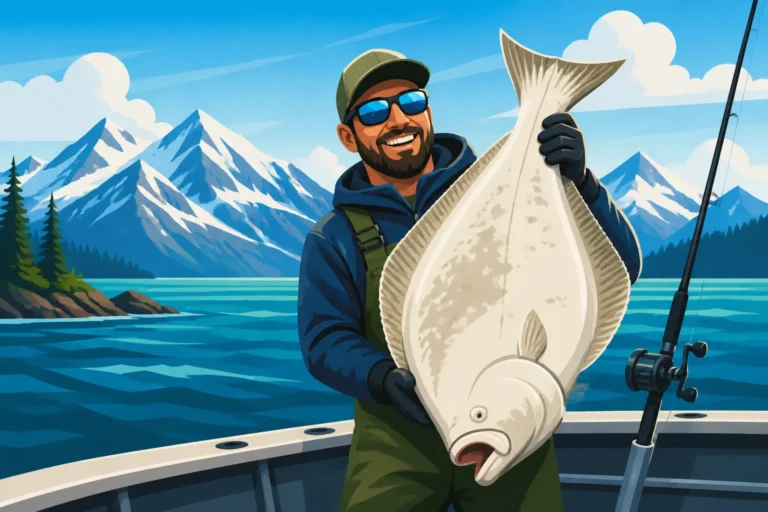
Picture deep, sheltered inlets and bays that are only reachable by boat or floatplane, where you can troll for king salmon, silver salmon, or halibut without another boat in sight. The nutrient-rich waters of the Tongass National Forest support a staggering diversity of marine life. Kayak fishing or small-boat excursions into these remote coves can yield excellent results for various rockfish species and lingcod. For freshwater enthusiasts, many of the smaller islands and mainland fiords have short, punchy rivers and lakes that host runs of salmon and resident cutthroat trout. These areas offer a different kind of wilderness experience—one where the mountains plunge directly into the sea, and marine wildlife like whales, sea otters, and seals are constant companions. FishingBooker can be a useful platform to scout out charters or lodges that specialize in these more isolated parts of Southeast Alaska, away from the more commercial operations.
Interior Alaska's Lesser-Known Rivers: Grayling, Pike, and Sheefish Adventures
Beyond the coastal and salmon-rich regions, Interior Alaska offers a different, equally wild angling frontier. This vast, often flatter, and heavily forested region is crisscrossed by countless rivers and lakes, many of which are rarely fished.
Here, the focus shifts from salmon and halibut to incredible opportunities for Arctic grayling, northern pike, and even the unique sheefish. Fly-fishing for Arctic grayling in a pristine stream, with their sail-like dorsal fins catching the light, is an iconic Interior Alaska experience. Rivers like the upper reaches of the Koyukuk, Kobuk, or even remote tributaries of the Yukon River offer abundant grayling populations. For those seeking a thrill, the shallow, weedy lakes and sloughs of the Yukon-Kuskokwim Delta and the Susitna Valley drainage can be phenomenal for northern pike, some of which grow to monstrous sizes, ambushing prey from the lily pads. And then there’s the sheefish, often called the "Tarpon of the North," a powerful predator found in the clear, large rivers of western and interior Alaska. These fish offer an exhilarating fight and can be found in places like the Kobuk River system, accessible primarily by remote air taxi. These Interior wilderness trips often involve truly rustic camps or multi-day river floats, immersing you completely in the boreal forest ecosystem.
Planning Your Wilderness Fishing Expedition
Embarking on a wilderness fishing trip in Alaska requires meticulous planning and a healthy respect for the wild. It’s an adventure that demands preparation, but the rewards are immeasurable.
The Essential Role of Fly-In Lodges and Air Charters
For most true wilderness fishing experiences in Alaska, you'll be relying on air transport and potentially the services of a remote lodge or outfitter. These aren't just conveniences; they're often necessities for safe and effective access.
Fly-in lodges are typically all-inclusive operations located in incredibly remote areas. They provide comfortable accommodations, delicious meals, experienced guides, boats, and air transport to and from the lodge. While they can be a significant investment, they offer a seamless and often luxurious way to experience the wilderness without sacrificing comfort or safety. They handle all the complex logistics, allowing you to focus purely on the fishing. Places like those detailed in an Alaska Fly-In Fishing Lodges Guide are designed for this very purpose. When you're trying to line up a reliable air charter or a reputable fly-in lodge, services like FishingBooker can be an invaluable resource. They list many specialized operations and allow you to compare options and read reviews from other adventurers.
Air charters (or air taxis) are for those who prefer a more independent or DIY approach. You hire a pilot and plane to drop you off at a pre-arranged remote site—a lake, river bar, or designated airstrip—and pick you up days later. This requires a much higher level of self-sufficiency, as you'll be responsible for all your gear, food, shelter, and safety. This option is often more budget-friendly than a full lodge package but demands more planning and experience. Always ensure your air charter operator is reputable, experienced in bush flying, and holds all necessary permits and insurance. Verify their safety record and communication protocols.
Gear, Safety, and Survival Considerations
The Alaskan wilderness is unforgiving, and proper preparation is paramount. Your gear choices can make or break your trip, and a strong understanding of safety protocols is non-negotiable.
Essential Gear: You'll need durable, waterproof, and warm clothing, even in summer, as weather can change dramatically. High-quality rain gear is an absolute must – think layers, not bulk. Waders and wading boots (felt soles are often restricted in some rivers; check local regulations) are crucial for river fishing. A sturdy fishing setup appropriate for your target species is key. For King Salmon, you'll need heavy rods and reels. For trout, lighter fly rods or spinning gear. Consider bringing a backup rod, reel, and line. Don't forget a comprehensive first-aid kit, insect repellent (mosquitos can be brutal), and a reliable water filtration system. A detailed Alaska Fishing Gear and Tackle Guide can help you select the right equipment.
Safety and Survival: Bear safety is a primary concern. Always carry bear spray (and know how to use it) and consider carrying a firearm if you're experienced and licensed. Store food properly in bear-resistant containers or hung from trees. Make noise when hiking to avoid surprising bears. Communication is vital in remote areas; cell service is non-existent. Carry a satellite phone or a satellite messenger device (like an inReach or Spot device) for emergencies. Let someone know your itinerary and expected return time. Be prepared for self-rescue; even a small injury can become a major problem when help is days away. Know basic first aid and survival skills. The ability to build a fire, shelter, and signal for help could save your life.
Navigating Regulations in Remote Areas
Even in the most remote corners of Alaska, fishing regulations are strictly enforced. It's easy to assume that because no one is around, the rules might be lax, but that's a dangerous misconception. Alaska Fish and Game (ADF&G) diligently manages these precious resources.
Before you even think about packing your bags, you need to purchase an Alaska Fishing License: Complete Guide, and if you're targeting king salmon, understand the nuances of the King Salmon Stamp Requirements. More importantly, you must thoroughly review the Alaska Fishing Regulations Explained for the specific region and waters you'll be visiting. Regulations can vary wildly from one river drainage to another, and even within different sections of the same river. Pay close attention to bag limits, annual limits, slot limits, gear restrictions (e.g., single hook, barbless hooks, bait prohibitions), and season dates. Emergency Orders are frequently issued, especially during salmon runs, to adjust limits or close fisheries based on run strength. You must know how to check Alaska Emergency Orders Before Fishing, as these can change daily and affect your plans. Furthermore, for species like King Salmon and Halibut, you'll need to accurately record your catch on an Alaska Harvest Record Card Explained, a critical part of sustainable management. Finding the right guide for a remote adventure can be tough, and platforms like FishingBooker specialize in connecting anglers with vetted operations, often including those serving truly wild locations, who will be experts in local regulations. Always communicate directly with your outfitter or air taxi about the most current regulations for your specific destination.
Wilderness Fishing Destinations and Their Prime Catches
Choosing your wilderness adventure often comes down to what species you dream of catching in an untouched setting. Here's a quick look at some key targets:
| Wilderness Region | Primary Target Species | Best Time to Visit | Typical Access Method | Unique Challenges/Notes |
|---|---|---|---|---|
| Bristol Bay Watershed | King Salmon, Sockeye Salmon, Silver Salmon, Trophy Rainbow Trout | June – September | Floatplane, Jet Boat | Intense bear activity, variable weather, remote logistics. |
| Alaska Peninsula | Steelhead, Dolly Varden, Coho Salmon | Late August – October | Floatplane | Strong winds, often challenging weather, smaller river systems. |
| Remote SE Inlets | Halibut, King Salmon, Silver Salmon, Rockfish, Cutthroat Trout | May – September | Boat, Floatplane | Deep fiords, strong currents, marine weather considerations. |
| Interior Rivers | Arctic Grayling, Northern Pike, Sheefish | June – August (grayling); May-Sept (pike/sheefish) | Wheel Plane, Boat | Mosquitos, vast distances, limited infrastructure. |
Note: Always verify current regulations and run timings for your specific destination and travel dates.
Connecting with the Wild: The Deeper Meaning of Wilderness Fishing
Beyond the thrill of the catch, wilderness fishing in Alaska offers something profound: a chance to reconnect with nature and ourselves. It strips away the distractions of modern life and forces us to be present.
Imagine spending days on a river where your biggest decision is what fly to tie on next, or whether to cast to that shadowy spot under the overhanging bank. The rhythm of the river becomes your clock, the sun your calendar. You learn to read the water, to anticipate the movements of the fish, and to appreciate the intricate dance of the ecosystem. You might witness a mother bear teaching her cubs to fish, or a lone wolf traversing the distant tundra. These are moments that stay with you long after the trip is over.
This deep connection also fosters a stronger sense of stewardship. When you see a pristine river, unmarred by pollution or development, you understand the importance of preserving these places. You learn that fishing here isn't just about taking; it's about respecting the resource, practicing catch-and-release where appropriate, and leaving no trace behind. It’s about becoming a temporary, humble part of the landscape, rather than simply a consumer of its bounty. For many, this transformative experience is the true trophy of an Alaskan wilderness fishing trip. If you're considering a truly wild adventure, remember that platforms like FishingBooker can help you find reputable guides and lodges who share this ethos and can facilitate an unforgettable journey into the heart of Alaska's angling paradise.
Disclaimer
The information provided in this guide is for general informational purposes only and does not constitute professional advice. Alaska fishing regulations are complex and subject to change frequently, often via emergency orders. Always consult the official Alaska Department of Fish and Game (ADF&G) website and relevant regulation booklets before planning or embarking on any fishing trip. Safety in the Alaskan wilderness is paramount; proper preparation, equipment, and knowledge of survival and bear safety protocols are essential. Fishing in remote areas carries inherent risks, and individual judgment is always required.