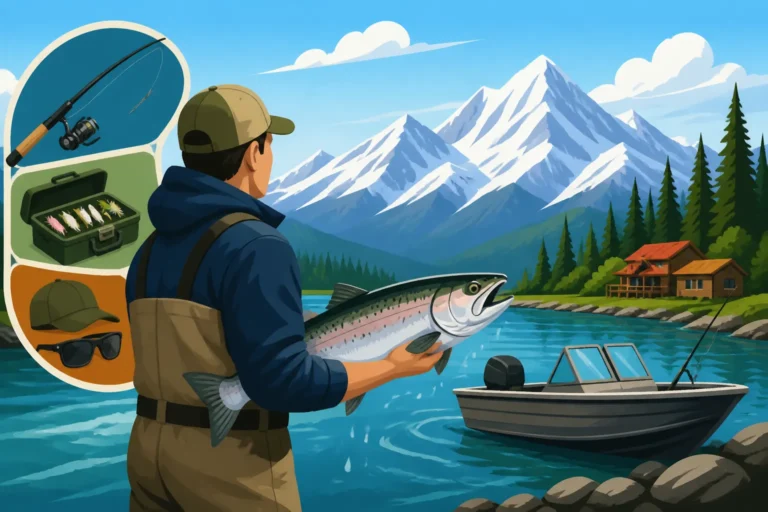
Ship Creek Fishing: What to Know Before You Go
Many aspiring anglers dream of fishing in Alaska, picturing vast, untouched wilderness, pristine rivers, and boundless solitude. But what if I told you that some of the most exciting salmon fishing can be found right in the bustling heart of Alaska's largest city? Ship Creek in downtown Anchorage offers a truly unique, accessible, and often overlooked angling experience. It's not your typical remote Alaskan adventure, and it comes with its own set of quirks, challenges, and incredible rewards that this guide will help you navigate.
The Unique Charm of Urban Fishing at Ship Creek
Fishing on Ship Creek is an experience unlike almost any other in Alaska. You’re not flying out to a remote lodge or trekking miles into the backcountry; you’re casting a line with the Anchorage skyline as your backdrop. This accessibility is a huge draw, but it also means dealing with a different kind of fishing environment than what most people envision for the Last Frontier. It's a fantastic spot for those who want a taste of Alaskan fishing without venturing too far off the beaten path, or for locals looking for a quick after-work fix.
Right in Downtown Anchorage
Imagine stepping off a plane at Ted Stevens Anchorage International Airport, checking into your hotel, and being just a few minutes away from a prime salmon stream. That's the reality of Ship Creek. It flows right through the heart of downtown Anchorage, under bridges, past office buildings, and alongside parks. This incredible proximity means you can enjoy world-class fishing without needing bush planes or extended travel. For tourists, it's an easy add-on to a city visit, allowing you to combine urban exploration with genuine Alaskan angling. You can literally walk from your downtown hotel, rod in hand, to a salmon-filled riverbank.
This urban setting means convenience is king. You’ll find plenty of nearby parking, restrooms, and even a local tackle shop or two where you can pick up any last-minute gear or get current fishing reports. This convenience, however, also sets it apart from the serene, untouched beauty often associated with Alaskan fishing. It’s an energetic, vibrant atmosphere where you’re sharing the river with many other eager anglers, creating a community feel that many find surprisingly enjoyable.
A Different Alaska Experience
While many come to Alaska for the solitude and vast wilderness, Ship Creek offers a different flavor entirely. It’s a bustling, social fishing scene, especially during the peak salmon runs. Think less "man versus wild" and more "community celebration of the salmon run." You'll often find families, experienced locals, and bewildered tourists all casting side-by-side, united by the common goal of landing an Alaskan salmon. This can be a refreshing change for some, offering opportunities to share tips, celebrate catches, and soak in a truly local Anchorage vibe.
However, this also means managing expectations. If your ideal fishing trip involves absolute quiet and miles of river to yourself, Ship Creek might not be your first choice. It can get crowded, particularly on sunny summer weekends or during prime King Salmon runs. Patience and good fishing etiquette become even more crucial here. But for those who embrace the lively atmosphere, the chance to catch a majestic King or Silver salmon with the city lights twinkling in the background is an unforgettable experience. It's a testament to Alaska's wildness that such an urban fishery can thrive, offering a fantastic opportunity for quick, exciting angling sessions.
Prime Species and When to Target Them
Ship Creek is primarily known for its salmon runs, but it also offers opportunities for resident trout and Dolly Varden. Understanding the timing of these runs and the behavior of each species is key to a successful outing. The seasons here are fairly distinct, so knowing what’s biting and when will significantly improve your chances.
King Salmon Season
The King Salmon (Chinook) run in Ship Creek is a huge event, typically kicking off in late May and running through mid-July. These are truly magnificent fish, renowned for their size and powerful fights, and catching one in downtown Anchorage is an absolute thrill. The excitement around the King run is palpable, drawing anglers from all over. It’s a bit of a gamble, though, as King Salmon runs can fluctuate dramatically year to year, and emergency orders often come into play, sometimes closing the fishery or limiting retention to protect the species. This means staying vigilant and checking regulations right before you head out is absolutely crucial.
When the Kings are in, the creek banks are packed. Anglers use a variety of techniques, from casting large spinners and spoons to soaking cured salmon roe. They require heavy tackle and a strong will, as these fish put up an incredible fight in the relatively narrow confines of the creek. Remember, if you’re targeting Kings, you’ll not only need a standard Alaska Fishing License: Complete Guide but also an Alaska King Salmon Stamp Requirements if you plan to retain one. It's a special experience to hook into one of these beasts so close to the city, making it a bucket-list item for many.
Silver Salmon Action
After the King Salmon season winds down, typically from late July through September, the creek comes alive again with the return of Silver Salmon (Coho). These fish might not reach the sheer size of Kings, but they are incredibly acrobatic and feisty fighters, often providing more consistent action. Silver Salmon are known for their aggressive strikes and aerial displays, making for an exhilarating fishing experience. This run is often less crowded than the King season, offering a slightly more relaxed atmosphere while still providing plenty of thrills.
Coho will readily hit a variety of lures, from bright spinners and spoons to twitching jigs. They also respond well to cured salmon roe under a bobber or drift setup. Many anglers find the Silver Salmon run to be a more productive and enjoyable experience overall due to the higher numbers and sustained action. If you're planning a late summer trip to Anchorage, the Silver Salmon fishery on Ship Creek is an absolute must-try. For more detailed insights into tactics, check out our guide on how to Catch Silver Salmon in Alaska.
Resident Trout and Dolly Varden
While the salmon runs steal the spotlight, Ship Creek also holds a healthy population of resident Rainbow Trout and Dolly Varden throughout the year. These fish are often overlooked by salmon-hungry anglers, which can mean less competition and some truly peaceful fishing opportunities. While they won't reach the trophy sizes found in some of Alaska's more remote waters, they offer consistent action, especially for those who enjoy fly fishing or light tackle. These native species feed on insect larvae, small fish, and salmon eggs, especially after the salmon have spawned.
You can target trout and Dollies with small spinners, spoons, or by nymphing with fly gear. Egg patterns are particularly effective during and after the salmon runs when natural eggs are abundant. For anglers looking for a less intense experience, or a way to pass the time between salmon runs, these resident fish provide a delightful challenge. They are also excellent indicators of the overall health of the creek's ecosystem. Many locals enjoy the solitude of targeting these smaller, but still very spirited, fish outside of the chaotic salmon seasons.
Ship Creek Prime Fishing Seasons & Target Species
| Fish Species | Prime Season | Key Characteristics | Common Techniques | Expected Size |
|---|---|---|---|---|
| King Salmon | May – Mid-July | Large, powerful, strictly regulated | Spin fishing (lures/bait), drift | 15-40 lbs, sometimes larger |
| Coho Salmon | Late July – September | Aggressive, acrobatic, excellent eating | Spin fishing (lures), twitching jigs, bait | 6-12 lbs, up to 15 lbs |
| Rainbow Trout | Year-round (best post-salmon runs) | Smaller, feisty, often overlooked | Fly fishing (nymphs/egg patterns), small spinners | 10-20 inches |
| Dolly Varden | Year-round (best post-salmon runs) | Streamlined, predatory, good indicator fish | Fly fishing (streamers/egg patterns), small lures | 12-20 inches |
Navigating Ship Creek's Specific Regulations
Fishing in any Alaskan water requires a solid understanding of the rules, but Ship Creek, being an urban fishery with significant fishing pressure, often has some unique regulations and nuances. It's not enough to just have a license; you need to be aware of the specific gear restrictions, emergency orders, and catch limits that are frequently updated. Ignoring these details can quickly turn a fun day into a frustrating or even costly experience.
Licenses and Stamps are Non-Negotiable
Just like anywhere else in Alaska, you absolutely need an Alaska fishing license to fish Ship Creek if you are 16 years of age or older. This isn't just a suggestion; it's the law, and Alaska Department of Fish and Game (ADF&G) wardens do patrol the area. You can easily purchase your license online through the ADF&G website or at local vendors in Anchorage. Depending on your stay, you can opt for a 1-day, 3-day, 7-day, 14-day, or annual license. For non-residents, these costs can add up, so plan accordingly.
Furthermore, if you are specifically targeting King Salmon and intend to keep one, you must also purchase a King Salmon Stamp in addition to your regular fishing license. This stamp is vital for funding King Salmon management and conservation efforts across the state. Without it, even if you legally catch a King Salmon, you cannot retain it. Make sure you understand all the requirements by reading our comprehensive guide on the Alaska King Salmon Stamp Requirements. It’s always better to be over-prepared than to risk a fine or lose your catch.
Understanding Emergency Orders
This is perhaps the most critical aspect of fishing Ship Creek, especially for King Salmon. Due to fluctuating fish runs and conservation concerns, the Alaska Department of Fish and Game frequently issues "Emergency Orders" that can change regulations overnight. These orders might close a fishery entirely, reduce bag limits, change legal fishing hours, or implement specific gear restrictions. For example, a King Salmon run might be open one week and closed the next if conservation goals aren't being met.
It’s your responsibility as an angler to check for these emergency orders before every fishing trip. You can find this information on the ADF&G website, usually under the "Southcentral" region, or by calling their local offices. Local tackle shops are also an excellent resource for the latest updates. Ignoring an emergency order, even unintentionally, can lead to significant fines and penalties. This is why we stress checking the Alaska Fishing Emergency Orders Explained before you even consider heading out. Staying informed is paramount to legal and ethical fishing in this dynamic environment.
Gear and Bait Restrictions
Ship Creek often has specific gear and bait restrictions that are important to heed. For instance, during certain salmon runs, particular areas may be designated for "single-hook" use only, or bait might be prohibited entirely, especially when targeting King Salmon or during periods of low returns. These rules are put in place to reduce mortality on sensitive fish stocks. In the main fishing lagoon and lower sections of the creek, snagging is sometimes permitted during designated "personal use" periods for species like Sockeye, but this is a highly localized and time-sensitive allowance, and generally, snagging is illegal in sport fisheries.
The use of weighted treble hooks or excessive weight to intentionally foul-hook fish is strictly illegal in sport fisheries. Anglers are expected to be actively fishing with legal gear. If you are unsure about the legality of your setup, it's always best to ask a local tackle shop employee or consult the ADF&G regulations booklet. Understanding these nuances, especially when combined with information from our Alaska Bait Restrictions Explained or Alaska Barbless Hook Requirements guides, will ensure you're fishing within the bounds of the law and contributing to responsible fisheries management.
Essential Gear and Effective Techniques
Fishing Ship Creek effectively requires more than just a rod and reel. It demands the right tackle, appropriate bait or lures, and a good understanding of the techniques that work best in a confined, urban river system. Given the varied species and potential crowds, being prepared can make all the difference between a frustrating outing and a memorable one.
Rods, Reels, and Line Choices
For King Salmon, you'll want a stout rod and reel combo capable of handling powerful fish in tight quarters. A medium-heavy to heavy action spinning rod, 8-10 feet in length, paired with a reliable spinning reel spooled with 25-40 lb monofilament or braided line, is a solid choice. The longer rod helps with casting distance and managing fish around other anglers and snags. For Silver Salmon, a medium-heavy rod, 7-9 feet, with a 20-30 lb line is usually sufficient. These fish are spirited but don't require the same heavy-duty setup as Kings.
When targeting Rainbow Trout and Dolly Varden, a lighter setup is ideal. A medium-light to medium action spinning rod, 6-7 feet, with a 6-10 lb line will provide plenty of sport. Many fly anglers also enjoy targeting these species with a 5 or 6-weight fly rod. The key is to have tackle that matches the size and fighting power of the fish you're after while still allowing you to cast effectively in the creek's varied conditions. Investing in quality gear, even for a single trip, will prevent headaches and increase your enjoyment.
Go-To Lures and Baits
For King Salmon, popular choices include large, brightly colored spinners (like Mepps Aglia or Pixie spoons), Kwikfish or FlatFish plugs back-trolled or back-bounced, and most effectively, cured salmon roe (eggs) fished on a drift rig or under a bobber. The scent and visual appeal of natural bait can be irresistible to migrating Kings. For Silver Salmon, smaller, brighter spinners and spoons (e.g., #4 or #5 Blue Fox Vibrax, size 60-90mm Mepps Syclops), twitching jigs, and again, cured salmon roe, are highly effective. Silvers are often more aggressive and will chase flashy lures.
When it comes to Rainbow Trout and Dolly Varden, small spinners, spoons, and bait imitations work wonders. In the fall, after salmon have spawned, bead fishing is incredibly productive, mimicking the salmon eggs that these resident fish gorge on. Fly anglers will find success with egg patterns, flesh flies, and various nymph and streamer patterns. Always remember to check for any bait restrictions or single-hook rules that may be in effect, as these can change quickly depending on the season and specific emergency orders. Having a versatile tackle box with a range of options for each species is a smart move.
Mastering Ship Creek Techniques
The most common and effective technique for salmon in Ship Creek is drift fishing. This involves casting your bait or lure upstream and letting it drift naturally downstream with the current, trying to present it right into the fish's strike zone. For King Salmon, often found holding in deeper pools or along current seams, precise drifts are essential. For Silvers, who are more active, a steady retrieve of a spinner or spoon, or twitching a jig through likely holding water, can provoke aggressive strikes.
Bank fishing is predominant here, given the public access and the nature of the creek. However, understanding how to read the water – identifying current breaks, deep pockets, and submerged structure – is crucial for success. During certain periods, particularly for Sockeye (though less common for a strong run in Ship Creek itself, it's important for general salmon knowledge), "flossing" might be allowed in specific personal use areas, but this is a specialized technique with strict regulations. Regardless of the target species, practicing proper casting and retrieval techniques will significantly improve your hook-up rates. For a broader overview of fishing methods, take a look at our Best Fishing Techniques for Alaska guide.
Maximizing Your Ship Creek Fishing Adventure
A trip to Ship Creek offers more than just catching fish; it’s an immersive experience in Anchorage’s unique outdoor culture. To make the most of your time, it pays to be aware of the environment, respect your fellow anglers, and tap into local resources. Being prepared for the crowds and understanding the nuances of an urban fishery will ensure a smooth and enjoyable outing.
Managing Crowds and Etiquette
Let's be real: Ship Creek can get packed, especially during the peak King and Silver salmon runs. This isn't the remote wilderness where you'll have miles of river to yourself. You'll be shoulder-to-shoulder with other anglers, sometimes literally. This reality can be a source of frustration for those unprepared, but with the right mindset, it can be a part of the fun. The key is good etiquette. Always cast parallel to the bank, not across other people's lines. If you hook a fish, be courteous and announce it, and try your best not to tangle with your neighbors.
Moving downstream when drift fishing is generally expected, allowing new anglers to rotate into your spot. Respect personal space, and if someone is already fishing a prime hole, ask before crowding in. A friendly nod and a "how's the bite?" can go a long way in fostering a positive atmosphere. Remember, everyone is there to have a good time and catch fish. The more respectful and patient everyone is, the better the experience will be for all. This cooperative spirit is a big part of what makes Ship Creek special, a communal pursuit of the famed Alaskan salmon.
Local Resources and Guides
Even though Ship Creek is easily accessible, having local knowledge can give you a significant advantage. Local tackle shops in Anchorage, like the Sportsman's Warehouse or Cabela's (both easily found in the Anchorage area), are fantastic resources for up-to-the-minute reports on fish activity, current regulations, and recommended baits or lures. The staff there often fish the creek themselves and can provide invaluable insights. Don't be shy about asking questions; they're usually eager to help.
For those who want a truly guided experience, even in an urban setting, there are local guides who specialize in Ship Creek. While it might seem odd to hire a guide for a city river, their expertise in navigating the crowds, understanding the subtle movements of the fish, and knowing the latest emergency orders can be incredibly beneficial, especially for first-timers. Booking a guide through platforms like FishingBooker can help ensure you find a reputable, knowledgeable local expert who can elevate your Ship Creek adventure, making sure you hit the right tides and fish the prime spots effectively.
Safety and Respecting the Environment
Even in an urban environment, Alaska is still Alaska, and that means being aware of your surroundings. While less common on Ship Creek than in more remote areas, bears can and do occasionally wander through the Anchorage greenbelts, including along the creek. Always be bear aware, carry bear spray if you feel comfortable, and know how to use it. More immediately, the creek banks can be slippery, especially when wet, so sturdy, waterproof footwear with good grip is essential. Wading is generally not recommended due to slippery conditions and deep holes.
Practicing Leave No Trace principles is also vital. Pack out everything you pack in, including any discarded fishing line or bait containers. Proper fish handling, especially for catch-and-release, ensures the health of the fishery. If you do catch a fish to keep, understand the Alaska Harvest Record Card Explained requirements and how to properly record your catch. By respecting the environment and the fish, you contribute to keeping Ship Creek a vibrant and productive fishery for years to come, truly one of the Best Fishing Spots Near Anchorage.
Disclaimer
The information provided in this guide is for general informational purposes only and is subject to change. Alaska fishing regulations, including emergency orders for specific areas like Ship Creek, can change rapidly due to conservation concerns, fish run fluctuations, or other factors. It is the angler's sole responsibility to consult the most current Alaska Department of Fish and Game regulations and emergency orders before engaging in any fishing activity. Failure to do so may result in fines or penalties. Always prioritize safety and ethical fishing practices.