Alaska Lingcod Season and Size Limits
Trying to figure out Alaska's fishing regulations can feel like deciphering an ancient, cryptic text, especially when you're targeting a specific species like lingcod. It's not just about knowing where these toothy beasts hang out; you also need to nail down exactly when you can pursue them and what size you're legally allowed to keep. This guide is here to untangle the complexities of Alaska's lingcod season and size limits, providing clear, actionable information so you can plan your next big adventure with confidence and stay on the right side of the law.
Understanding Lingcod in Alaskan Waters
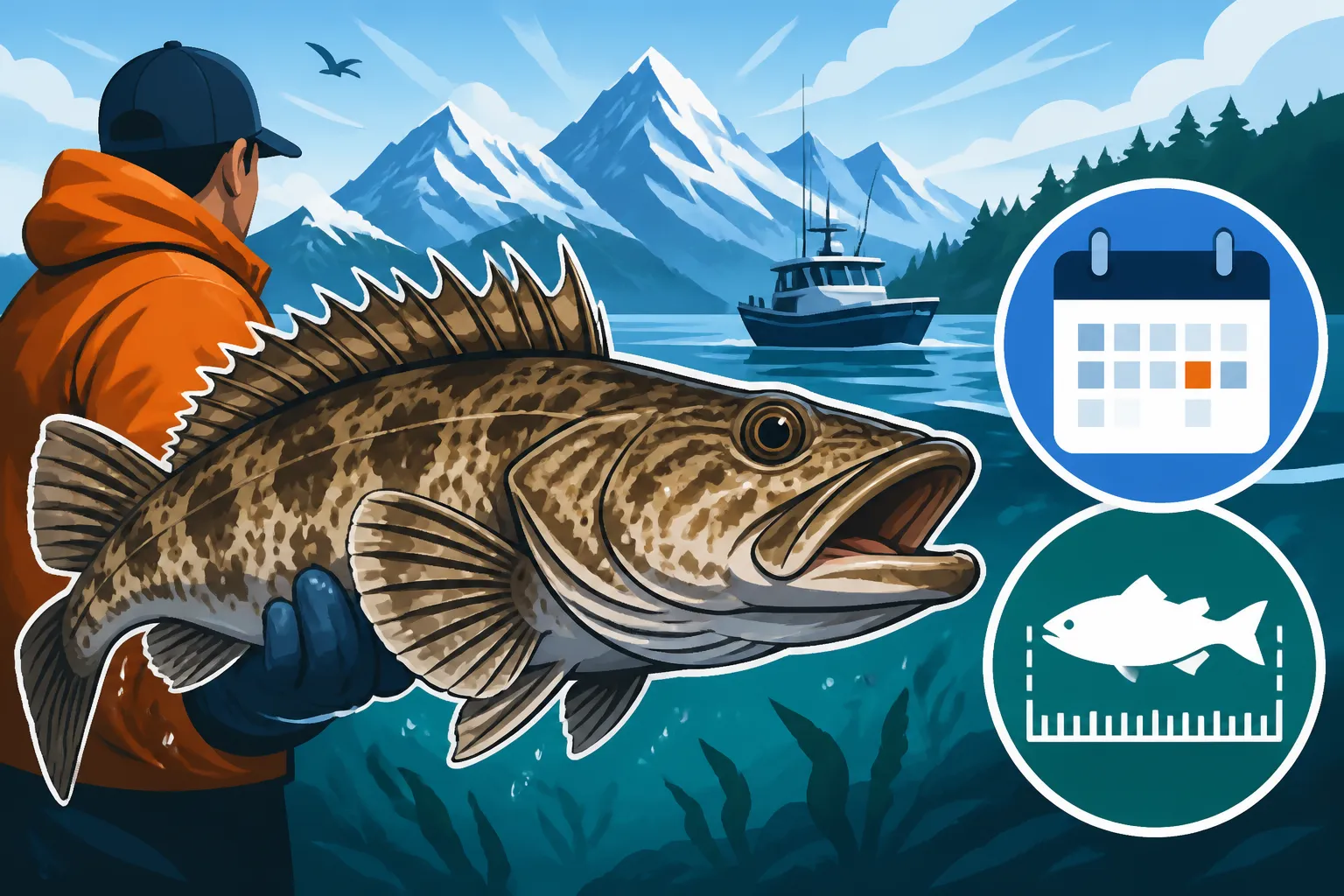
Lingcod, with their striking appearance and formidable size, are a truly iconic Alaskan sport fish. They're not actually a cod species, but rather a member of the greenling family, known for their powerful jaws, sharp teeth, and often vibrant, mottled coloration that helps them blend into rocky environments. Anglers frequently praise them not only for their aggressive fight but also for their firm, white, and exceptionally delicious meat.
Why Lingcod Are a Coveted Catch
Many anglers specifically plan their Alaska trips around the opportunity to hook into a lingcod. These fish are notorious for putting up a tremendous battle, often making powerful runs and head shakes that will test even the most experienced fisherman. Picture yourself reeling in what feels like a submerged refrigerator, only to see a prehistoric-looking fish emerge from the depths – that's the thrill of lingcod fishing! Beyond the fight, their culinary appeal is undeniable. Lingcod fillets are versatile, excellent baked, fried, or even in ceviche, making them a highly sought-after prize for any dinner table.
One of the biggest draws is the sheer size they can reach. While not as heavy as a barn door halibut, a large lingcod can easily top 40-50 pounds and measure well over 40 inches. Catching one of these monsters requires dedication, the right gear, and a bit of luck, but the reward is immeasurable. They often share habitat with other sought-after species, making them a great bonus catch during other saltwater excursions, though their specific regulations need careful attention.
Lingcod Habitat and Behavior
Lingcod are ambush predators, preferring to hide in rocky crevices, kelp forests, and around submerged structures where they can surprise unsuspecting prey. You'll typically find them in cooler, temperate waters, from shallow reefs out to depths of several hundred feet. This habitat preference means that successful lingcod fishing often involves targeting specific underwater topography, often found in areas like Prince William Sound, around Kodiak Island, or along the extensive coastline of Southeast Alaska.
Their diet consists primarily of other fish, octopus, and squid, which influences the types of lures and baits that are most effective. Knowing their preferred haunts and predatory nature is key to understanding why certain fishing techniques, like jigging or bottom fishing with large baits, are so effective. If you’re targeting lingcod, you're usually looking for rough, broken bottom structure rather than flat, sandy plains, and that can heavily influence your choice of fishing spots.
Alaska Lingcod Season: Navigating the Open Waters
When it comes to lingcod, Alaska's fishing seasons aren't a one-size-fits-all deal. Regulations are meticulously crafted by the Alaska Department of Fish and Game (ADF&G) and often vary significantly from one management area to another. This means a season that's open in Southeast Alaska might be closed in Southcentral, or have different length and bag limits. It can be a real headache, especially if you're traveling across regions or booking multiple trips!
General Season Overview by Region
Typically, the lingcod sport fishing season in Alaska generally runs from May 16 through November 30 in many areas, but this is a very broad stroke. You absolutely cannot assume this applies everywhere. For instance, in Southeast Alaska (Region A), which includes popular fishing towns like Sitka and Ketchikan, the season often aligns with this May-November window. However, in Southcentral Alaska, particularly in the Cook Inlet and Prince William Sound areas (Region G), the season might have specific opening and closing dates or even closures for certain areas to protect spawning fish or manage stock.
For example, the waters around Kodiak Island (Region H) might have their own distinct season and regulations, sometimes with variations for specific bays or areas. It's not uncommon for different waters, even within the same general region, to have slightly different rules to account for local stock health and fishing pressure. This patchwork of regulations is why your first step should always be to consult the most current ADF&G Sport Fishing Regulations booklet for the specific region you intend to fish. You can find comprehensive details in the Alaska Fishing Regulations Explained guide.
Special Considerations and Emergency Orders
The dynamic nature of fish populations and environmental factors means that even published regulations aren't set in stone. ADF&G has the authority to issue "Emergency Orders" that can alter seasons, limits, or even close fisheries entirely, sometimes with very little notice. These orders are put in place to protect fish stocks, respond to unexpectedly low returns, or to achieve management goals.
Imagine planning your dream trip to the Gulf of Alaska, booking your charter, and then finding out a week before you leave that the lingcod season has been unexpectedly shortened due to conservation concerns. It happens, and it's incredibly frustrating! This is why it's absolutely crucial to not only read the annual regulations but also to actively check for emergency orders right up until the day you launch your boat. Many local charter operators, like those in Seward or Homer, are excellent sources of up-to-the-minute information because their livelihoods depend on staying current. Checking the Alaska Fishing Emergency Orders Explained is a critical part of planning.
Alaska Lingcod Size Limits: The Rules of Retention
Beyond knowing when you can fish, knowing what you can keep is equally vital. Alaska's size limits for lingcod are designed to promote sustainable fishing practices, allowing younger fish to mature and reproduce, and sometimes protecting the largest, most prolific breeders. Get this wrong, and you could face hefty fines or even lose your fishing privileges.
Minimum and Maximum Size Restrictions
Lingcod size limits in Alaska frequently involve what's known as a "slot limit." This means you can't keep fish that are too small (to let them grow up) or too big (to protect the large, reproductively valuable individuals). The specific slot limits vary by region, but a common range you might encounter, especially in Southcentral and Southeast Alaska, is a minimum size limit of 30-35 inches and a maximum size limit of 40-55 inches.
For example, in the Prince William Sound area, regulations might state that only lingcod between 35 and 55 inches in length may be retained. This means if you catch a 30-inch lingcod, it's too small and must be released immediately. If you catch a massive 60-inch lingcod, it's too large and must also be released. The rationale behind these slot limits is sound: by protecting the smallest fish, you ensure future generations, and by protecting the largest, you maintain the robust genetic pool of the species. It also helps manage catch rates without outright closing the fishery.
Daily and Annual Bag Limits
In addition to size limits, ADF&G also imposes daily and annual bag limits on lingcod. These limits specify how many fish you can keep per day and, sometimes, how many you can keep in a calendar year, especially for non-residents. Again, these numbers are highly region-dependent.
For example, in many areas, the daily bag limit for lingcod might be one or two fish. However, there could also be an annual limit for non-resident anglers, perhaps capped at two lingcod per year, or a limit that specifies only one fish over a certain length. This annual limit is a crucial detail for visiting anglers, as it means even if you're fishing multiple times over several weeks, your total harvest is restricted. These limits help distribute the harvest among more anglers and prevent overfishing. Always consult the Alaska Fishing Limits and Bag Limits Explained for detailed information on various species.
Here's a simplified table illustrating potential lingcod regulations by general region. Please remember, these are examples and actual regulations must be verified annually with ADF&G for the specific area and year you plan to fish.
| Region | General Season (Example) | Daily Bag Limit (Example) | Annual Non-Resident Limit (Example) | Size Limit (Example) |
|---|---|---|---|---|
| Southeast Alaska (A) | May 16 – Nov 30 | 2 fish | 2 fish | 30-55 inches (slot limit) |
| Prince William Sound (G) | May 16 – Nov 30 | 1 fish | 1 fish | 35-55 inches (slot limit) |
| Kodiak Area (H) | May 16 – Nov 30 | 1 fish | 1 fish | 30-45 inches (slot limit) |
Measuring Your Catch Correctly
When you finally land that lingcod, measuring it accurately on the boat is paramount to ensure compliance with size limits. A common mistake is using a flexible tape measure on a wriggling fish, which can lead to inaccuracies. It's best to have a rigid measuring board or a tape measure affixed to a flat surface.
Lay the fish flat on its side. Measure from the tip of its snout (mouth closed) to the very end of its tail fin, ensuring the tail is squeezed together (pinched) to get the maximum length. If there's any doubt about the measurement, it's always safer to err on the side of caution and release the fish. A good rule of thumb is to measure twice, cut once – or in this case, measure twice, retain once. Having the right tools, easily accessible from a brand like Amazon, can make this process smooth and compliant.
Planning Your Lingcod Trip: Gear and Regulatory Compliance
A successful lingcod trip isn't just about showing up; it's about preparation, both in terms of equipment and your understanding of the rules. These fish require specific tackle and a diligent approach to staying legal.
Recommended Gear for Lingcod Fishing
Lingcod are powerful fish found in unforgiving environments, so your gear needs to be up to the task. You'll want a stout rod, typically a heavy action boat rod or jigging rod, capable of handling large weights and powerful fish. Pairing this with a robust conventional reel spooled with 80-100 pound braided line is a good starting point. The braided line offers superior sensitivity and strength, crucial for feeling subtle bites in deep water and muscling a big lingcod away from structure.
For terminal tackle, large, heavy jigs (often 8 oz to 16 oz or more, depending on depth and current) are extremely effective. Look for jigs designed for saltwater bottom fishing. You can also use bait rigs with large circle hooks, baited with whole herring, salmon heads, or chunks of other fish. Many anglers find specific jigs or bait setups work best in different areas, so it's always wise to ask local tackle shops in places like Seward or Homer what's currently hot. You can find a vast array of options for "Alaska Fishing Gear and Tackle Guide" needs, including specialized jigs and heavy-duty line, readily available online from retailers like Amazon. Don't forget a sturdy gaff or a large landing net with a deep basket to safely bring your catch aboard.
Staying Informed About Regulations
This cannot be stressed enough: you are responsible for knowing and adhering to the current fishing regulations for the area you are fishing. While guides and charters are knowledgeable, the ultimate responsibility rests on the individual angler.
Here's how to stay current:
- ADF&G Website: The official source for all regulations and emergency orders. They update their online resources regularly, and you can download the full regulations booklet.
- Sport Fishing Regulations Booklet: Always carry a physical copy or a downloaded PDF version on your phone. This booklet details seasons, limits, and other rules by region and species. Understanding how to read Alaska fishing regulations is a skill in itself.
- Local Tackle Shops and Marinas: These local businesses are invaluable resources. The people working there are often avid anglers themselves and are usually up-to-date on local nuances and recent emergency orders.
- Charter Captains: If you're booking an Alaska fishing charter, your captain will be an expert on the current regulations and will ensure your trip complies. However, it's still good practice to have your own understanding. Remember, some charters specifically target lingcod, so they'll be well-versed in the specifics.
Always check before you go, and check again right before your trip. Regulations for species like lingcod can change in-season due to conservation needs or changing fish abundance. Being proactive and informed will ensure you have a fantastic, legal, and stress-free lingcod fishing experience in the Last Frontier. Don't let ignorance lead to an Alaska Fishing Violations and Fines.
Disclaimer
The information provided in this guide is for general informational purposes only and is subject to change. Fishing regulations in Alaska are complex and can vary significantly by region, species, and even in-season due to emergency orders. It is the angler's sole responsibility to consult the most current Alaska Department of Fish and Game (ADF&G) regulations for the specific area and time they intend to fish before heading out on the water. Failure to do so may result in penalties.