Average Cost of a Kenai River Guide
Planning an Alaska fishing trip, especially to a legendary destination like the Kenai River, often comes with a lot of excitement—and just as much head-scratching over the budget. You’ve probably heard stories about the incredible fishing, but also whispers about the price tag that can accompany it. Getting a clear picture of the average cost of a Kenai River guide can feel like trying to catch a ghost salmon: elusive and a bit frustrating. This guide is here to demystify those costs, break down what you can expect, and help you budget for that dream Alaskan fishing adventure without any unwelcome surprises.
Understanding What Influences Kenai River Guide Costs
When you start looking into booking a guide on the Kenai River, it quickly becomes clear that there isn't one single, flat fee. The cost can swing pretty wildly depending on a whole host of factors, much like the changing tides on Cook Inlet. It’s not just about the guide; it's about the entire experience, the time of year, and what you’re hoping to reel in.
Trip Duration and Targeted Species
One of the biggest drivers of cost is how long you plan to be on the water and what kind of fish you're after. Kenai River guides typically offer a range of options, from a quick half-day excursion to multi-day adventures that cover more ground and species.
A half-day trip usually lasts about 4-5 hours, giving you a good taste of the river without committing to an entire day. These are generally the most affordable options. Full-day trips, typically 8-10 hours, offer a more comprehensive experience, allowing for travel to different sections of the river, more time on the water, and often the chance to target multiple species or ensure you hit the peak bite. Then there are multi-day packages, which might include several guided days, lodging, and sometimes even meals, scaling up significantly in price.
The species you're targeting also plays a crucial role. King salmon, for instance, are the most sought-after and often command a higher price for guiding services due to the specialized gear, techniques, and effort involved in pursuing these trophy fish. Guides pursuing these magnificent creatures might have different rates than those focusing on the prolific sockeye salmon runs, which involve different methods like "flossing." Silver salmon (coho) and the famed Kenai River rainbow trout also have their seasons and specific techniques, influencing the guide's setup and, consequently, the price. Often, guides specialize, so if you're set on a specific fish, you'll be looking for a guide with that particular expertise.
What's Included and Excluded in the Price
It's absolutely critical to understand what's bundled into the guide's quoted fee and what you'll be responsible for separately. This is where many anglers get caught off guard. A guide might offer a seemingly lower price, but then you find yourself shelling out extra for necessities.
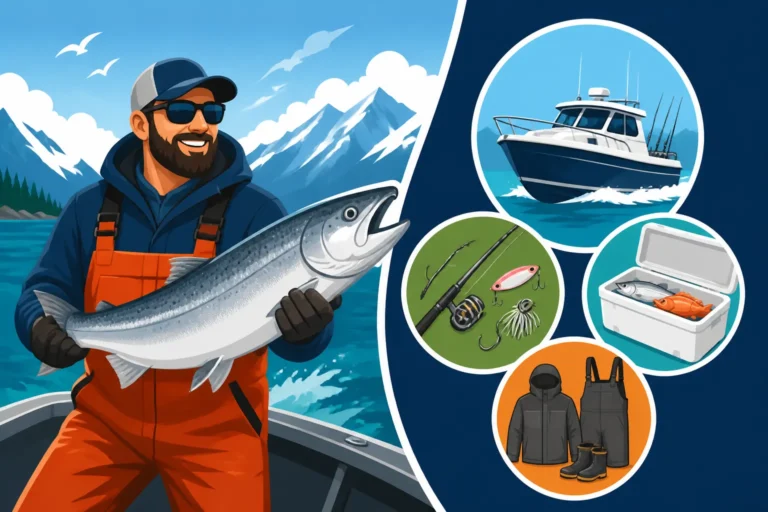
Most Kenai River guides will include the following:
- Professional Guide Services: Their expertise, knowledge of the river, and assistance with casting, rigging, and landing fish.
- Boat and Fuel: The use of their vessel, whether it's a comfortable powerboat or a quieter drift boat, along with the necessary fuel.
- Basic Fishing Gear: Rods, reels, and often a selection of terminal tackle (lures, weights, line).
- Safety Equipment: Life vests, first-aid kits, and other essential safety gear.
However, many crucial items are typically not included, and you'll need to factor these into your overall budget:
- Alaska Fishing License: Every angler aged 16 and older needs a valid Alaska Fishing License: Complete Guide. If you plan on catching King salmon, you'll also need a Do You Need a King Salmon Stamp in Alaska on top of your base license. These are required by the state and are your personal responsibility.
- Rain Gear and Waders: While some guides might have loaner gear, it's generally expected that you bring your own appropriate clothing for Alaska's unpredictable weather.
- Food and Beverages: Unless it's a full-service lodge package, you'll usually need to bring your own snacks, lunch, and drinks for the day.
- Fish Processing: After a successful day, you'll likely want your catch filleted, vacuum-sealed, and possibly frozen or shipped. Most guides do not include comprehensive processing services, though they might offer a basic fillet at the end of the trip. Specialized services for processing and shipping your fish home will be an additional cost.
- Gratuities: Tipping your guide is customary and expected in the service industry, especially for a job well done. We'll dive into this a bit more later, but it's an important part of the overall cost.
- Lodging and Transportation: Unless you've booked an all-inclusive package, your accommodation and travel to and from the Kenai Peninsula will be separate expenses.
When you're comparing options, don't just look at the guide fee itself. Ask for a detailed list of what's provided and what isn't. This transparency helps you compare apples to apples. Many reputable outfitters on platforms like FishingBooker clearly outline what their packages include, which is super helpful for planning.
Guide Experience and Reputation
Just like in any profession, experience and reputation matter, and they often come with a higher price tag. A seasoned Kenai River guide who has spent decades navigating its currents, understanding its salmon runs, and consistently putting clients on fish will typically charge more than a newer guide building their clientele.
These veteran guides often have a dedicated following and book up months, even a year, in advance. Their deep understanding of Alaska Salmon Run Timing Explained and local conditions is invaluable. They know the subtle nuances of the river, where the fish are holding based on water levels and temperatures, and the most effective techniques for that particular day. If you're looking for a top-tier experience with a near-guarantee of expert knowledge and assistance, you should expect to pay a premium. Newer guides, while potentially very skilled, might offer slightly lower rates as they establish their name and reputation. Don't discount them, though; many enthusiastic new guides are eager to prove themselves and provide excellent service.
Time of Year and Demand
Alaska fishing seasons are highly cyclical, driven by the salmon runs. This seasonality has a huge impact on guide pricing. The Kenai River sees its peak demand during the King salmon run in May-June, and especially during the sockeye salmon "combat fishing" peaks in July.
- Peak Season (mid-June to mid-August): This is when King, Sockeye, and early Silver salmon runs are in full swing, and demand for guides is at its highest. Expect prices to be at their absolute maximum during these weeks. Booking far in advance is not just recommended, it's essential, especially for prime dates.
- Shoulder Seasons (May, late August, September): May offers early King salmon and trout fishing, while late August and September see strong Silver salmon runs and some of the best rainbow trout fishing of the year. During these periods, demand might be slightly lower, and you might find a bit more flexibility in pricing or availability.
- Off-Season (October – April): Very few guides operate on the Kenai during the colder months, though some might offer ice fishing or winter steelhead trips on other drainages. If you find a guide, rates might be lower, but fishing opportunities are also more limited.
Understanding these Alaska Fishing Seasons: Month-by-Month Guide can help you plan your trip for specific species or to potentially save a little money by avoiding the absolute peak of the frenzy.
Boat Type and Amenities
The type of boat your guide uses can also influence the cost. On the Kenai River, you'll primarily encounter two main types of guided boats:
- Drift Boats: These are typically McKenzie-style drift boats, designed for silent, stealthy floats downriver. They are manually propelled (rowed) by the guide and offer a very intimate, traditional fishing experience. They usually accommodate 2-3 anglers comfortably. While often associated with fly fishing, many spin fishing guides also use them for trout and salmon.
- Powerboats: These are larger, typically 20-24 foot jet boats or similar vessels, allowing guides to cover more water quickly. They can run up and down the river against the current, offering more flexibility in moving between fishing spots. They generally accommodate 4-6 anglers.
Powerboat trips might sometimes be slightly more expensive due to higher fuel costs and maintenance, but this isn't a hard and fast rule. The overall experience and the number of anglers per trip often balance out the cost. Some guides even offer larger "combat" boats during the sockeye season to maximize space and access to the crowded fishing holes.
Average Cost Breakdown for Kenai River Guide Services
So, let's get down to brass tacks: what's the actual money we're talking about? Keep in mind these are averages and can fluctuate, but they'll give you a solid baseline for budgeting. These prices are generally per person.
| Trip Type | Targeted Species | Average Cost (Per Person) | Typical Inclusions | Notes |
|---|---|---|---|---|
| Half-Day | Rainbow Trout, Dolly Varden, Pink/Chum Salmon | $200 – $350 | Guide, boat, basic gear, safety | Less time on water, often targets non-King species. |
| Full-Day | Sockeye Salmon, Silver Salmon, Rainbow Trout | $300 – $550 | Guide, boat, basic gear, safety | Most common option, good time for variety. |
| Full-Day | King Salmon (Chinook) | $450 – $700+ | Guide, boat, specialized gear, safety | Higher demand, specialized techniques, often smaller groups. |
| Combo Day | Salmon & Halibut (off-river, e.g., Homer/Seward) | $600 – $1000+ | Varies by charter; 2 guides/boats | Requires separate ocean charter, not solely Kenai River. |
| Multi-Day Pkg. | Various species (incl. lodging) | $1500 – $4000+ (per 3-5 days) | Guide, lodging, some meals, gear, boat | Prices vary greatly by lodge quality and inclusions. |
Standard Full-Day and Half-Day Rates
For a standard full-day guided trip on the Kenai River, you can generally expect to pay anywhere from $300 to $550 per person. This typically covers your guide, the boat, basic rods and reels, and some terminal tackle. If you're targeting the highly prized King salmon, that price jumps significantly, often ranging from $450 to $700+ per person for a full day. These higher rates reflect the intense effort, specialized gear, and lower success rates sometimes associated with King salmon fishing.
Half-day trips are a bit less common for salmon, but are often available for trout or during specific slower periods. These typically fall in the $200 to $350 per person range. They're a great option if you're short on time or want to try different guides and locations.
Many guides require a minimum number of anglers to make a trip viable, so if you're a solo angler or a pair, you might be grouped with others, which is a common and fun way to meet fellow fishing enthusiasts. Platforms like FishingBooker are excellent for finding specific guide rates and checking availability for different trip lengths and target species. You can filter by location, date, and even the type of fish you want to pursue.
Specialized Trips and Packages
Beyond the standard day trips, you’ll find guides offering more specialized experiences. For example, some may offer specific trips focusing solely on Alaska Rainbow Trout Regulations in certain stretches of the river, which might have different pricing structures.
For those dreaming of a full Alaskan experience, many lodges and outfitters in towns like Soldotna and Cooper Landing offer all-inclusive multi-day packages. These often bundle several days of guided fishing, comfortable lodging, meals, and sometimes even fish processing. The cost for these packages can range from $1,500 to $4,000+ per person for a 3- to 5-day trip, depending on the luxury level of the lodge and the intensity of the fishing schedule. While a larger upfront cost, these can often simplify your planning and potentially offer value if you want a seamless, worry-free vacation. You might even find packages that combine Kenai River fishing with saltwater excursions for halibut out of nearby Homer or Seward.
Strategies for Managing Your Kenai River Guiding Budget
Let's be real, a trip to Alaska isn't cheap, and guiding services are a significant part of that investment. But there are smart ways to approach your booking to make sure you get the most bang for your buck and stay within your budget.
Booking in Advance and Considering Off-Peak Travel
This is probably the single most effective strategy for both securing your preferred guide and potentially saving some money. The best guides on the Kenai River book up incredibly fast, often 6-12 months in advance, especially for prime dates during the King and sockeye salmon runs. Booking early ensures you have your pick of reputable guides and avoids last-minute scramble pricing.
Consider traveling during the shoulder seasons. While July is the absolute peak for sockeye, late August and September offer fantastic silver salmon and trophy rainbow trout fishing, often with fewer crowds and potentially slightly lower guide rates. Early June can also be a sweet spot for Kings before the peak season surge. Fishing in these slightly less hectic times can provide a more relaxed experience and sometimes a better deal. It also generally means less "combat fishing" on popular stretches like the Russian River. Check out our guide on Best Time to Fish in Alaska for more detailed seasonal insights.
Group Bookings and Package Deals
If you're traveling with a group of friends or family, booking as a unit can often be more cost-effective. Many guides set their rates based on a boat minimum, and if you can fill the boat (typically 2-4 anglers for drift boats, 4-6 for powerboats), the per-person cost can sometimes be more favorable. It also ensures you have the boat to yourselves, which can be a more personalized experience.
As mentioned earlier, package deals from lodges are another way to manage costs. While the lump sum might seem high, calculate the individual costs of lodging, meals, and multiple days of guided fishing, and you might find that a package offers a better overall value and simplifies your logistics immensely. Always compare what's included versus booking everything à la carte.
What to Prioritize and What to DIY
Think about what aspects of the trip are most important to you. Is it catching a trophy King salmon? Or is it simply the experience of fishing the Kenai?
- Prioritize the Guide: If putting fish on the hook is your main goal, invest in a highly reputable guide with a proven track record for the species you want to catch. Read reviews on sites like FishingBooker and ask specific questions about their experience with your target fish.
- DIY Licenses and Basic Gear: Save money by purchasing your Alaska Fishing License Cost and Types online directly from the Alaska Department of Fish and Game. Bring your own rain gear, waders, and any personal snacks or drinks. These small savings add up.
- Fish Processing: While guides might offer basic filleting, extensive processing like vacuum-sealing, flash-freezing, and boxing for shipment is often an additional service provided by local processors. You can save a bit by doing some processing yourself if you have the facilities, but for maximum convenience and quality, especially for shipping, professional processors are worth the cost. Learn more about Fish Processing After an Alaska Charter to understand what's involved.
Tipping Etiquette for Kenai River Guides
Tipping is an important part of the overall cost and should be factored into your budget from the start. A good guide works incredibly hard, from preparing the boat and tackle before you arrive to cleaning up and often filleting your fish after you leave, all while ensuring your safety and trying their best to put you on fish.
The standard industry practice for tipping fishing guides in Alaska is 15-20% of the total trip cost, assuming you had a good experience and the guide worked hard. If they went above and beyond, feel free to give more! If you're on a multi-day trip with the same guide, you can tip daily or at the end of the entire trip.
Consider this scenario: If you're on a full-day King salmon trip that costs $600 per person, a 15-20% tip would be an additional $90-$120 per person. This isn't insignificant, so make sure it's part of your financial planning. Cash tips are always appreciated. For more details, check out our guide on Tipping on an Alaska Fishing Charter.
Beyond the Guide Fee: Other Costs to Consider
Even after you've nailed down your guide's fee and tip, there are several other expenses that can quickly inflate your budget if you haven't planned for them. A truly comprehensive Kenai River trip budget needs to include these realities.
Fishing Licenses and King Salmon Stamps
As mentioned, this is a non-negotiable expense. For non-residents, an Alaska Non-Resident Fishing License Guide can add a significant amount, especially if you're staying for more than a few days. For example, a 7-day non-resident license might cost around $70, and a King Salmon stamp (required to retain King salmon) can be another $10 for a single day or more for longer durations. Make sure you understand the Alaska King Salmon Stamp Requirements before you go. These costs are per person and must be purchased before you fish. Many anglers find it easiest to buy their licenses and stamps online through the Alaska Department of Fish and Game website.
Fish Processing and Shipping Home
You've landed that dream fish, now what? Unless you plan on eating it all right there in Alaska, you'll want to process and preserve it. Local fish processors are experts at filleting, vacuum-sealing, flash-freezing, and boxing your catch for travel.
- Processing Fees: These are typically charged by the pound, often ranging from $1.50 to $3.00 per pound, depending on the service level. This includes filleting, packaging, and freezing.
- Shipping Costs: If you can't carry your fish as checked luggage (which many airlines allow if properly packed and frozen), you'll need to ship it. Overnight or expedited shipping can be very expensive, often hundreds of dollars, depending on the weight and destination. Companies like FedEx or UPS, or specialized seafood shippers, can handle this. Some local processors partner with airlines or shipping companies to offer bulk rates, so ask about those options.
- Coolers/Boxes: You'll need sturdy, airline-approved insulated boxes or coolers to transport your frozen fish. These can range from $30-$100 or more.
Considering you might bring home 50-100 pounds of fish from a successful trip, these costs can easily add up to several hundred dollars. This is a crucial element of the total How Much Fish Can You Bring Home from Alaska experience.
Travel, Accommodation, and Meals
Getting to the Kenai Peninsula usually involves flying into Anchorage (ANC) and then either renting a car for a 2.5-3 hour drive to towns like Soldotna or Cooper Landing, or taking a commuter flight or bus.
- Flights: Round-trip airfare to Anchorage from the Lower 48 can vary wildly, from $400 to $1,000+ per person, depending on your origin and how far in advance you book.
- Car Rental: A rental car is almost essential for flexibility on the Kenai Peninsula, allowing you to explore different fishing spots, reach your guide, and visit local attractions. Expect daily rates of $70-$150+, especially for SUVs or trucks.
- Accommodation: Lodging options range from rustic campgrounds and budget motels to comfortable hotels, cabins, and high-end fishing lodges. A decent hotel or cabin can run from $150 to $400+ per night during peak season. Booking early can sometimes secure better rates, and exploring options on sites like Booking.com or Airbnb well in advance is highly recommended.
- Meals: Dining out in Alaska can be pricier than in many other states. If you're staying in accommodation with kitchen facilities, cooking some of your meals is a great way to save. Budget $75-$150+ per person per day for food if you plan to eat out for most meals.
Essential Gear and Supplies
While your guide provides the core fishing tackle, you'll still need appropriate clothing and personal items.
- Rain Gear: High-quality waterproof and windproof jacket and pants are non-negotiable in Alaska. Expect to spend $150-$500+ for a good set from brands like Grundéns or Simms.
- Waders and Boots: If you plan on doing any bank fishing or wading, quality breathable waders and wading boots are a must. These can cost $200-$600+. Even if you're just in a boat, waterproof boots are highly recommended.
- Layered Clothing: Alaska weather can change in an instant. Fleece, thermal underwear, and warm hats are critical.
- Miscellaneous: Sunscreen, bug spray, polarized sunglasses, a wide-brimmed hat, and a good camera are all highly recommended.
Adding these up, you can see how the "average cost of a Kenai River guide" is just one piece of a much larger, but incredibly rewarding, puzzle. Planning thoroughly, utilizing resources like FishingBooker to compare guide services and prices, and understanding all potential expenditures will ensure your Alaskan fishing adventure is everything you dreamed of and more.
Disclaimer
The information provided in this guide is for general informational purposes only and does not constitute professional advice. Fishing regulations, costs, and availability can change rapidly in Alaska. Always consult the most current Alaska Department of Fish and Game regulations and directly confirm pricing and inclusions with your chosen guide or outfitter before making any bookings or travel plans. Fishing involves inherent risks; please exercise caution and prioritize safety.