Alaska Charter Cancellation and Weather Policies
Planning that dream fishing trip to Alaska is exhilarating, but the thought of unpredictable weather throwing a wrench in your plans can quickly turn excitement into anxiety. You've invested time, money, and anticipation, and the last thing you want is a canceled charter or a day spent dodging storms instead of reeling in a trophy King salmon. This comprehensive guide is here to demystify Alaska fishing charter cancellation and weather policies, helping you understand what to expect, how to prepare, and how to protect your investment for a smoother, more enjoyable Alaskan adventure.
Understanding the Unpredictability of Alaska Weather and Its Impact on Charters
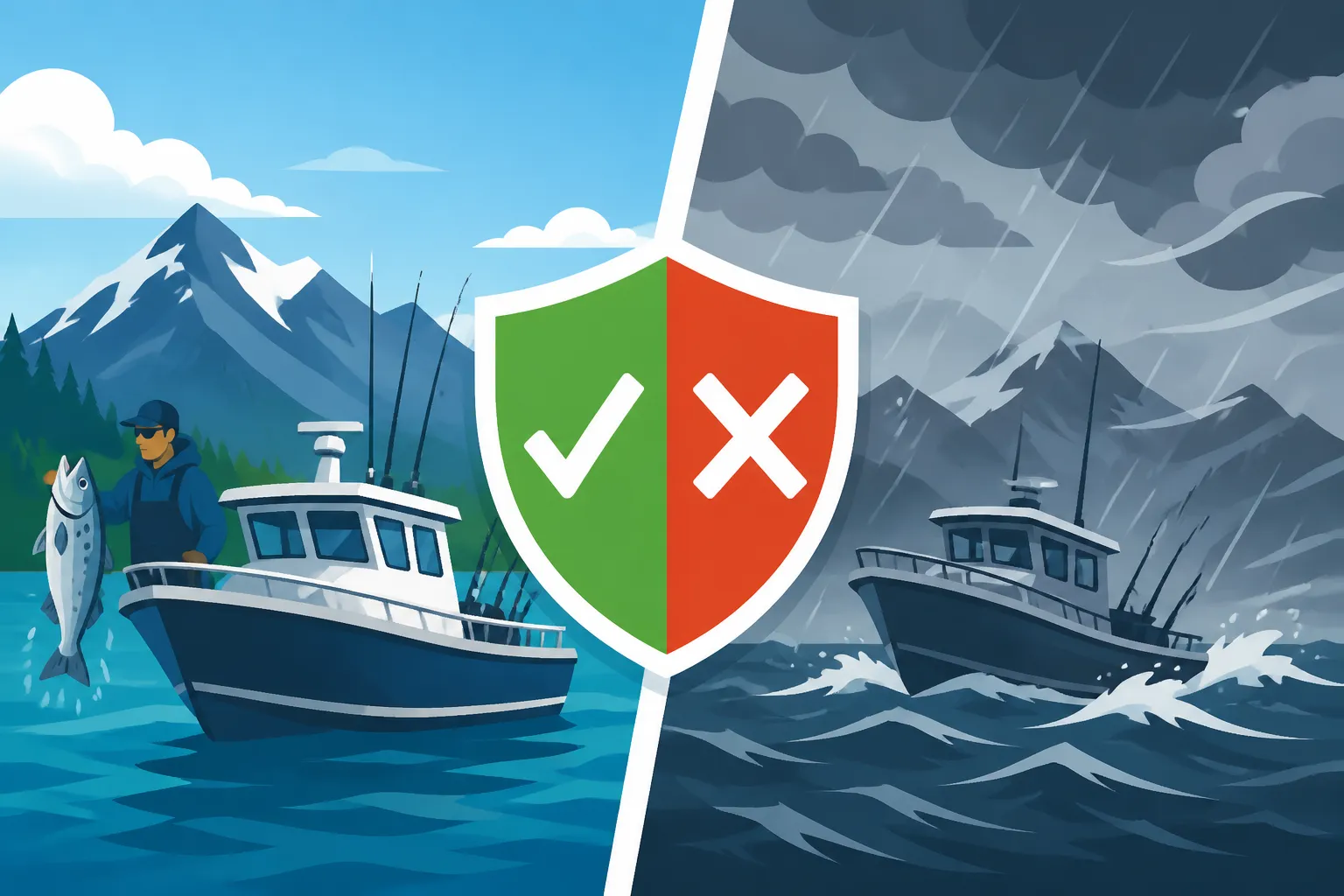
Alaska's weather is notoriously fickle, capable of shifting from glorious sunshine to driving rain or gusting winds in a matter of hours. This isn't just about comfort; it's about safety, and it's why every reputable fishing charter captain takes weather conditions very seriously. For anglers dreaming of calm waters and abundant fish, the reality of Alaska's dynamic environment can sometimes be a harsh awakening, but it's a critical factor in how charters operate.
The Myth of Predictable Summer Days in Alaska
Many visitors envision endless, mild summer days in Alaska, basking in the glow of the midnight sun. While Alaska does offer incredible long daylight hours during the peak fishing season, the weather is far from a consistent, sunny affair. Unlike tropical destinations with distinct wet and dry seasons, Alaska often experiences all four seasons in a single day. You might start your morning under clear skies, only to encounter a cold front, strong winds, and heavy rain by midday, especially in coastal areas like Seward, Homer, or Sitka.
This unpredictability isn't just a nuisance; it fundamentally impacts marine conditions. What seems like a light breeze on land can translate into significant swells and choppy seas out on Kachemak Bay or Prince William Sound. Rivers like the Kenai or Kasilof, while somewhat sheltered, can still be affected by heavy rains upstream leading to rising water levels, increased turbidity, and strong currents that make fishing difficult or unsafe. It’s a constant dance with nature, and charter operators are always monitoring forecasts, sometimes making tough calls even on what appears to be a "decent" day from shore. Expecting the unexpected is truly the Alaskan way, and understanding this helps temper expectations and appreciate the captain's judgment when conditions aren't ideal.
How Weather Factors into Fishing Conditions and Safety
For an Alaska fishing charter, weather isn't just about comfort; it's paramount to both fishing success and, more importantly, the safety of everyone onboard. High winds can make navigation treacherous, especially in narrow passages or open water, increasing the risk of seasickness and potential accidents. Rough seas can make it impossible to hold a boat over a productive fishing spot, leading to tangled lines, lost gear, and ultimately, a frustrating and unproductive outing. Visibility can drop dramatically with fog or heavy rain, posing navigational hazards.
Beyond immediate safety, weather directly influences the fish themselves. Barometric pressure changes, water temperature fluctuations, and increased turbidity from heavy rainfall can all affect fish behavior, making them less likely to bite. For instance, a sudden cold snap might push King salmon deeper or make them less aggressive. Halibut, while often found on the bottom, can be incredibly difficult to target when ocean currents become too strong due to high winds. A skilled captain isn't just looking at whether it's possible to go out; they're assessing whether it's prudent and if there's a reasonable chance for a quality fishing experience. When a captain makes a weather-related cancellation, it's almost always with your safety and best experience in mind, not out of a desire to cut their day short.
Typical Cancellation Policies: What to Expect When Booking
Booking an Alaska fishing charter is a significant commitment, often made months in advance, especially during peak seasons like July for sockeye or June for king salmon. Understanding the charter's cancellation policy before you put down a deposit is absolutely crucial. These policies are designed to protect both the angler and the charter operator, acknowledging the financial implications of last-minute changes.
Deposit Requirements and Refund Timelines
Almost all reputable Alaska fishing charters will require a deposit to secure your booking. This deposit typically ranges from 25% to 50% of the total trip cost, and sometimes even the full amount for shorter, specialized trips or when booking close to the departure date. This deposit serves as a commitment from you and ensures the charter doesn't lose income if you back out last minute, as they often turn away other potential clients once your slot is reserved.
The key to understanding refunds lies in the timeline. Most charters have a tiered cancellation policy:
- Long-range cancellation (e.g., 60-90 days out): Often results in a full refund of your deposit, minus a small administrative fee, if any.
- Mid-range cancellation (e.g., 30-60 days out): Might result in a partial refund of the deposit, or the deposit being held as credit for a future booking. Some might offer a full refund if they can rebook the slot.
- Short-range cancellation (e.g., within 30 days): Typically results in forfeiture of your deposit. This is because it becomes increasingly difficult for the charter to fill the spot on short notice, especially for multi-day trips or prime dates.
- No-shows or day-of cancellations (non-weather related): Almost always result in forfeiture of the full deposit and potentially being charged for the entire trip, depending on the terms.
Always ask for these specific timelines in writing and clarify if there are any exceptions. A reputable operator will be transparent about their policy.
Non-Weather Related Cancellations (Personal Reasons)
Life happens, and sometimes, despite your best intentions, you might need to cancel your Alaska fishing trip for personal reasons — a medical emergency, a change in travel plans, or an unexpected conflict. When this occurs, the charter's standard cancellation policy, as outlined above, usually applies. These are considered "angler-initiated" cancellations and are treated differently from "charter-initiated" cancellations due to weather or mechanical issues.
It's a tough situation for everyone. The charter operator has held that date for you, potentially turning away other paying customers, and their business depends on these bookings. For you, losing a significant deposit can be frustrating. This is where clarity upfront becomes your best friend. Some charters might be flexible if you've been a repeat customer or if they have a waitlist and can easily fill your spot, but they are not obligated to do so. Therefore, carefully reviewing the terms and considering options like travel insurance, which we'll discuss later, is paramount to mitigating personal risk when planning such a significant adventure. This is particularly true for travelers coming from far distances, where logistical challenges can quickly escalate if plans change.
The Role of Third-Party Booking Platforms
Many anglers use third-party booking platforms like FishingBooker to find and reserve Alaska fishing charters. These platforms often provide a convenient way to compare options, read reviews, and manage your booking. However, it's important to understand how they interact with the charter's cancellation policies. While these platforms facilitate the booking, the underlying cancellation policy is almost always set by the individual charter operator, not the platform itself.
FishingBooker, for example, clearly states that the cancellation policy for each trip is determined by the captain. When you book through their site, you'll see the specific cancellation terms listed on the trip page (e.g., "Flexible," "Moderate," "Strict"). These categories translate into specific deadlines for receiving a full or partial refund. If you cancel within the captain's specified window, the platform usually processes the refund according to those rules. However, in cases of dispute or if you believe the policy wasn't applied correctly, these platforms can sometimes act as a mediator. It's still crucial to read the specific policy on the captain's listing carefully, and if you have questions, contact the captain directly before booking, even if you're using a platform like FishingBooker. Remember, while the platform makes booking easier, they are generally bound by the operator's terms regarding cancellations.
Weather-Related Cancellations: When a Charter Calls It Off
This is often the most anxiety-inducing scenario for anglers: arriving in Alaska, full of anticipation, only to have your trip called off due to inclement weather. It's a common occurrence in the Last Frontier, and understanding the process, who makes the call, and your options is vital for managing expectations and avoiding disappointment.
Defining "Unsafe Conditions" and Captain's Discretion
In Alaska, the decision to cancel or shorten a trip due to weather conditions rests solely with the charter captain. This isn't just a guideline; it's a matter of law and a deeply ingrained ethical responsibility for maritime professionals. A captain's primary concern is the safety of their passengers, crew, and vessel. What constitutes "unsafe conditions" can vary, but generally includes:
- High winds: Leading to dangerous whitecaps, large swells, and difficulty maintaining control of the boat.
- Heavy fog: Severely reducing visibility, increasing the risk of collision.
- Extreme precipitation: Heavy rain or snow that hinders visibility and creates uncomfortable or dangerous conditions on deck.
- Thunderstorms/Lightning: Obvious electrical hazards on the water.
- River conditions: For river charters, extremely high or low water levels, strong currents, or debris can make fishing or navigation unsafe.
It's important to trust the captain's judgment. They are professionals with years of experience on these specific waters. What might look "fine" from the dock could be genuinely dangerous a few miles offshore or around a river bend. They are also keenly aware of their vessel's limitations and the experience level of their passengers. If a captain cancels, it's not because they don't want to fish; it's because they believe going out would compromise safety. Disputing their judgment in the moment is rarely productive and often disrespectful to their expertise.
Your Options When a Charter is Weathered Out
When a charter captain makes the difficult decision to cancel a trip due to unsafe weather, you typically have a few options, and these should be clearly outlined in their policy:
- Reschedule: The most common and often preferred option is to reschedule your trip for another available day. Many charters will bend over backward to find an open slot later in your visit or even in the same season, if possible. This works best if you have flexibility in your travel itinerary. If you've booked through a service like FishingBooker, they can often assist in coordinating rescheduling with the captain.
- Full Refund: If rescheduling isn't possible (e.g., you're leaving Alaska the next day, or the charter is fully booked), you are almost always entitled to a full refund of any deposits or payments made for the canceled trip. This is a charter-initiated cancellation, and the financial burden typically falls on the operator, not the client.
- Partial Trip/Modified Trip: In some cases, the weather might not be severe enough for a full cancellation but warrants a modified trip. This could mean fishing in a more sheltered area, switching from saltwater to a river trip (if the charter offers both), or shortening the trip duration. If a trip is significantly shortened or altered, discuss with the captain or operator if a partial refund or discount is appropriate. For instance, if you were supposed to embark on an Alaska Halibut Charter Regulations Explained, but strong winds force you into a more protected bay targeting different species, a discussion about fair compensation is warranted.
It is crucial to have a clear understanding of these options before your trip. Don't be afraid to ask your guide when you are discussing how to choose an Alaska fishing charter about their specific weather policy.
Communication Protocols During Inclement Weather
Effective communication is key when bad weather threatens your fishing plans. A professional charter operation will be proactive in reaching out to you.
- Monitoring Forecasts: Captains constantly monitor marine and local weather forecasts. If conditions look questionable for your scheduled trip, they will usually start communicating with you 24-48 hours in advance.
- Early Notification: You should expect a call, text, or email as soon as the captain determines a cancellation or modification is necessary. This allows you time to adjust your plans. They might suggest meeting to discuss options or keep you updated on hourly changes.
- Clear Information: The captain or their booking agent should clearly explain why the trip is being canceled or modified (e.g., "winds are predicted to be 30 knots with 6-foot seas in the fishing grounds, which is unsafe"). They should also clearly present your options for rescheduling or refund.
- Your Responsibility: While charters are proactive, it's also a good idea to ensure they have your correct contact information and to check your phone/email regularly as your trip approaches, especially if the forecast looks dicey. Don't hesitate to reach out to them if you haven't heard anything and are concerned. You can also monitor local weather resources like the National Weather Service for coastal Alaska or river conditions specific to your fishing area. It's part of how to read Alaska fishing regulations and current conditions.
Minimizing Your Risk and Protecting Your Investment
A trip to Alaska is often a significant investment, encompassing flights, accommodation, and the cost of the fishing charter itself. While you can't control the weather, you can take proactive steps to protect your financial investment and ensure peace of mind, even in the face of unforeseen circumstances.
The Value of Travel Insurance for Alaska Trips
This cannot be stressed enough: get travel insurance for your Alaska fishing trip. It's the single best way to protect your investment, especially if you're traveling from out of state or planning a multi-day adventure. Most standard travel insurance policies offer coverage for:
- Trip Cancellation/Interruption: If you have to cancel your trip due to a covered reason (e.g., illness, injury, death in the family, severe weather preventing travel to Alaska, job loss), travel insurance can reimburse you for non-refundable expenses, including your charter deposits, flights, and lodging.
- Weather-Related Disruptions: While most charter policies cover their own weather cancellations with a refund, travel insurance can cover your expenses (like flights or accommodation) if you can't get to Alaska due to weather events in your home city or en route, or if your entire vacation is cut short.
- Medical Emergencies: Alaska is vast and remote. Medical evacuation and treatment can be incredibly expensive.
- Lost Baggage/Gear: A common travel headache, which can be particularly frustrating if it includes your specialized fishing gear.
Look for "Cancel For Any Reason" (CFAR) policies if you want the ultimate flexibility, though these are typically more expensive and might only reimburse 50-75% of your costs. Otherwise, ensure the standard policy covers reasons that are most likely to impact your trip. The relatively small cost of a travel insurance policy is often well worth the peace of mind it provides against the high costs of an Alaska fishing trip. When you consider the Alaska Fishing Charter Cost Explained, adding insurance is a smart decision.
Asking the Right Questions Before You Book
Don't be shy! A reputable charter captain or booking agent will appreciate your thoroughness. Before you commit and pay a deposit, make sure you ask these critical questions about their policies:
- "What is your exact cancellation policy for angler-initiated cancellations? What are the deadlines for full or partial refunds?"
- "What is your policy if the captain cancels due to weather or mechanical issues? What are my options for rescheduling or a refund?"
- "How far in advance do you typically make a weather call? How will you notify me?"
- "If the weather forces a partial trip or a change in target species, how is that handled financially?"
- "Do you have a waiting list? If I cancel, is there a chance my spot could be rebooked, potentially allowing for a refund?"
- "What is your policy regarding last-minute changes to bag limits or seasons due to emergency orders? (This can impact the value of the trip, even if not canceled.)"
Get the answers in writing if possible, or at least confirm via email. This creates a paper trail should any misunderstandings arise. Platforms like FishingBooker usually display these policies, but a direct conversation adds clarity. This due diligence is part of how to book an Alaska fishing trip successfully.
Documenting Agreements and Communication
Once you've asked your questions and received answers, it's wise to keep a clear record of all communications and agreements.
- Confirmations: Save all booking confirmations, deposit receipts, and invoices.
- Email Correspondence: If you've had conversations via email regarding policies, save those emails. If a critical conversation happened over the phone, follow up with an email summarizing what was discussed and agreed upon (e.g., "Just confirming our call from today: if the trip is canceled due to weather, my deposit will be fully refunded or applied to a rescheduled date.").
- Policy Printouts: Print out the charter's written cancellation policy from their website or booking platform page (like FishingBooker) at the time of your booking. Policies can sometimes change.
- Photos/Videos: While less common for cancellations, if a trip is modified on the water, having a record of the conditions can be useful if a dispute arises later, although this is more relevant for issues like safety and comfort during the trip, not necessarily pre-trip cancellations.
Having a clear, documented timeline of your booking and policy agreements provides invaluable leverage and clarity if any issues arise. It helps avoid "he said, she said" scenarios and allows for a smoother resolution.
Navigating Disputes and Seeking Resolution
Even with the best preparation, sometimes things don't go as planned, and a disagreement might arise regarding a cancellation or refund. While most Alaska fishing charters are professional and fair, understanding the steps to take if you encounter a problem can save you a lot of stress and potential financial loss.
Steps to Take if a Disagreement Arises
If you find yourself in a situation where you believe the charter's cancellation policy wasn't honored or a refund is due that you're not receiving, approach the situation calmly and systematically:
- Review Your Documentation: Gather all your saved emails, booking confirmations, screenshots of the policy, and any other relevant records. Clearly identify the specific terms you believe were violated or misinterpreted.
- Communicate Directly and Respectfully: Contact the charter operator first. Explain your position clearly, referencing the documented policy. Avoid accusatory language; instead, focus on finding a solution. For example, "I understood from your policy that cancellations due to captain's discretion for weather would result in a full refund. Can you help me understand why this hasn't been processed?"
- Propose a Solution: Be prepared to suggest a resolution, such as a full refund, a partial refund, or a credit for a future trip if that's acceptable to you.
- Allow Time for Response: Give the operator a reasonable amount of time to respond and investigate.
Most issues can be resolved at this stage through clear, respectful communication. Remember that reputation is everything in the Alaska guiding community, and most operators will strive for a fair outcome.
When to Involve a Booking Platform or Consumer Protection
If direct communication with the charter operator doesn't yield a satisfactory resolution, or if you feel you're being unfairly treated, there are other avenues to explore:
- Third-Party Booking Platforms: If you booked through a platform like FishingBooker, contact their customer support. Provide them with all your documentation and a summary of your attempts to resolve the issue directly. Platforms often have dispute resolution processes in place and can mediate between you and the captain. They have an interest in ensuring positive customer experiences and maintaining the integrity of their platform.
- Credit Card Company: If a refund was promised but not delivered, or if you were charged for services not rendered according to the policy, you might be able to dispute the charge with your credit card company. This is usually a last resort and requires solid documentation.
- Better Business Bureau (BBB) / Consumer Protection: You can file a complaint with the Better Business Bureau if the charter is accredited, or with Alaska's consumer protection division. These avenues can provide official mediation or investigation, though results are not guaranteed and can take time.
- Online Reviews: While not a resolution tool, leaving an honest, factual review (once the situation is fully resolved or after all other avenues are exhausted) detailing your experience with the charter's cancellation policy can inform future anglers. Focus on facts rather than emotional venting.
Learning from Others' Experiences
One of the best ways to protect yourself is by researching the experiences of other anglers. Before booking, take the time to read reviews and testimonials on various platforms, including the charter's own website, Google Reviews, TripAdvisor, and booking sites like FishingBooker.
Pay particular attention to reviews that mention:
- Communication: How well did the charter communicate about changes or cancellations?
- Fairness of Policy: Do past clients comment on the fairness of the cancellation policy or how it was applied?
- Resolution of Issues: Were there any mentions of disputes and how they were resolved?
While individual negative reviews should be taken with a grain of salt (sometimes there are two sides to every story), a pattern of complaints regarding cancellation policies, lack of communication, or unfair practices is a major red flag. Conversely, a consistent stream of positive reviews, especially those praising the captain's judgment and customer service during difficult weather, indicates a reliable and trustworthy operation. This research is just as important as deciding whether to fish for Alaska King Salmon: Complete Guide or go after Alaska Halibut: Complete Guide.
Here's a quick overview of how typical charter cancellation policies might break down for different scenarios:
| Scenario | Typical Policy Outcome | Angler Responsibility |
|---|---|---|
| Angler Cancellation (90+ days out) | Full refund of deposit, sometimes minus a small admin fee. | Notify charter immediately. Confirm policy in writing. |
| Angler Cancellation (30-90 days out) | Partial refund, credit for future trip, or forfeiture of deposit (varies greatly). | Notify charter immediately. Review specific policy. Consider if rebooking is possible. |
| Angler Cancellation (<30 days out) | Deposit typically forfeited; potentially charged full trip cost if policy is strict. | Notify immediately. Understand this is a high-risk window for refunds. Travel insurance is critical here. |
| No-Show by Angler | Full deposit and potentially full trip cost forfeited. | Avoid at all costs. Communicate any issues immediately, even if it's too late for a refund. |
| Charter Cancellation (Weather) | Full refund or option to reschedule for another date. | Be flexible if possible to reschedule. Understand captain's discretion is paramount. Charter should notify proactively. |
| Charter Cancellation (Mechanical) | Full refund or option to reschedule. | Similar to weather cancellations. Charter is responsible for mechanical failures. |
| Trip Modification by Charter | Discussion for partial refund or alternative arrangement if significant changes. | Communicate expectations clearly. Discuss fair adjustment. |
| Travel Interruption (Your End) | No charter refund; may be covered by travel insurance for non-refundable expenses. | Travel insurance is your primary protection here. Charter policy doesn't cover your inability to travel. |
Booking an Alaska fishing trip is an incredible endeavor, promising memories that will last a lifetime. By thoroughly understanding charter cancellation and weather policies, asking the right questions, and taking smart precautions like travel insurance, you can significantly reduce stress and ensure your focus remains where it should be: on the thrill of fishing in the Last Frontier. Remember to also brush up on Alaska Fishing Regulations Explained and what to pack by reading our guide on What to Wear on an Alaska Fishing Charter before you go!
Disclaimer
The information provided in this guide is for general informational purposes only and does not constitute legal or financial advice. Alaska fishing charter cancellation and weather policies can vary significantly between operators and may change. Always review the specific terms and conditions directly with your chosen charter operator before making any booking or payment. We recommend purchasing comprehensive travel insurance to protect your investment.