Best Charters on the Kenai River
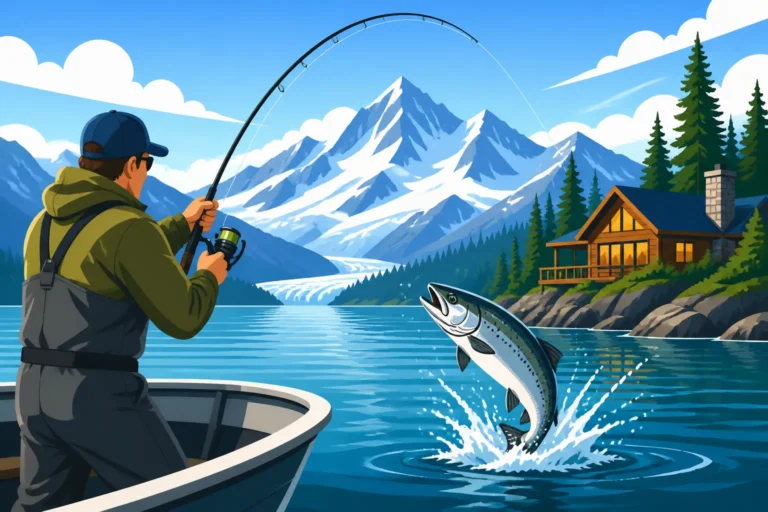
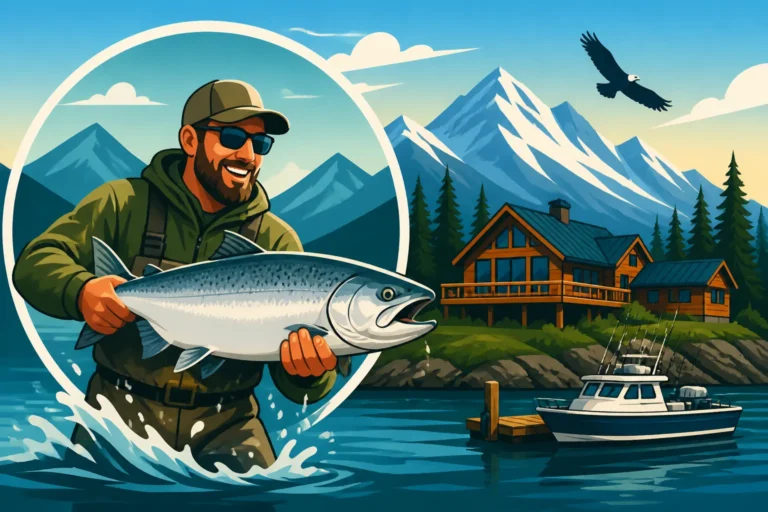
Trying to navigate the dizzying array of fishing charters on Alaska's legendary Kenai River can feel like trying to untangle a bird's nest of fishing line – incredibly frustrating and often overwhelming. With so many options promising the trip of a lifetime, how do you truly find the guide who will deliver that unforgettable Alaskan adventure? This comprehensive guide is here to cut through the noise, helping you identify the best charters to make your Kenai River fishing dreams a reality, from chasing massive King Salmon to filling your cooler with Sockeye.
Why Choose a Guided Trip on the Kenai River?
Let's be honest, the idea of DIY fishing in Alaska sounds appealing, right? The freedom, the challenge, the bragging rights. But the Kenai River isn't just any fishing hole. It's a complex, dynamic ecosystem governed by intricate rules, unpredictable fish runs, and ever-changing conditions. For many, especially those visiting from out of state or new to the area, a guided trip isn't just a luxury; it's practically a necessity for a successful and safe outing. Guides are the unsung heroes who turn potential frustration into pure fishing bliss.
Navigating Complex Regulations
One of the biggest headaches for any angler in Alaska is the sheer complexity of the fishing regulations. These aren't just suggestions; they are strictly enforced laws designed to protect the precious fisheries. What's legal today might be restricted tomorrow, especially on a river as intensely managed as the Kenai. Trying to decipher the dense Alaska fishing regulations explained booklet on your own can eat up valuable fishing time and lead to costly mistakes.
A seasoned Kenai River guide lives and breathes these rules. They're on top of every emergency order, every bag limit change, and every gear restriction. For instance, the rules for specific species, like Alaska King Salmon fishing regulations and limits or Alaska Sockeye Salmon fishing regulations and limits, can change daily based on fish counts. Guides know instantly if you need a King Salmon stamp, when bait is prohibited, or if an area has gone catch-and-release only. This local, real-time knowledge is invaluable. Imagine the peace of mind knowing your guide is handling all the regulatory nuances, allowing you to focus solely on the thrill of the catch.
Maximizing Your Catch Potential
Let's be real, you're coming to the Kenai to catch fish! While no guide can guarantee a limit every single time – that’s why it's called fishing, not catching – the right guide drastically increases your odds. They don't just know where to fish; they know when, how, and with what. They understand the intricate Alaska salmon run timing explained, the subtle currents, the depths where fish hold, and which techniques are most effective on any given day.
Picture this: you've traveled thousands of miles, you've got a limited number of days, and the Sockeye are running thick, but they're being finicky. An experienced guide knows exactly how to adapt. They might switch from back-trolling to drift fishing, or change leader lengths and fly patterns until they crack the code. They're watching the water, observing other boats, and using years of accumulated wisdom to put you right where the fish are biting. This insider knowledge, developed over countless hours on the water, simply isn't something you can replicate as a casual visitor.
Safety and Local Expertise
The Kenai River, while beautiful, is a wild Alaskan river. Water levels can fluctuate dramatically, currents can be strong, and weather can change on a dime. Beyond the fishing, safety should always be a top priority. A professional charter captain is trained in river navigation, first aid, and emergency procedures. They know the river's treacherous braids, submerged obstacles, and how to operate their vessel safely in various conditions.
Furthermore, guides offer a wealth of local expertise that extends beyond just fishing. They can recommend the best local eateries, suggest other activities for your non-fishing days, and often have fascinating stories about the area's history and wildlife. They know where the bears typically forage, how to spot eagles, and can even point out local landmarks. This added layer of local insight truly enriches your overall Alaska fishing experience, making it much more than just a day of casting.
Types of Kenai River Charters
The Kenai River caters to a wide variety of angling preferences, and charters reflect this diversity. Understanding the different types of boats and fishing styles available can help you choose the experience that best suits your group and your fishing goals. Whether you prefer a quiet float or a powerful dash to a hot spot, the Kenai has a charter for you.
Drift Boat Charters
Drift boats are the quintessential Kenai River experience for many. These specialized, shallow-draft boats are designed to be rowed or slowly motored downriver, allowing for a stealthy approach to fishing holes. They offer a more intimate and serene experience, often allowing anglers to cast into precise spots that power boats might blow past.
- Experience: Drift boats provide a tranquil day on the water, immersing you in the natural beauty of the Kenai Peninsula. You'll hear the sounds of the river, spot wildlife along the banks, and enjoy a more traditional, hands-on fishing style. It's perfect for those who prioritize the journey as much as the catch, offering a more "classic" Alaska feel. This method is particularly popular for species like Sockeye Salmon, where precise casting into holding water is key, or for targeting delicate Rainbow Trout.
- Target Species and Technique: While drift boats are versatile, they excel at targeting Sockeye and Coho (Silver) Salmon, as well as the world-famous Kenai River Rainbow Trout. Techniques typically involve back-trolling with Kwikfish or plugs for Kings, or "flossing" for Sockeye, where specific weight and leader setups allow your line to drift naturally with the current, presenting a fly or bead directly to the salmon's mouth. Fly fishing for Rainbow Trout is also very popular from a drift boat.
- Pros and Cons: The primary advantages of drift boats are their quietness, maneuverability in shallow waters, and the enhanced connection to nature they provide. They're also generally more affordable than power boat charters. However, they are slower, cover less water, and are more susceptible to wind, which can make rowing challenging for the guide. If you're hoping to quickly move between distant hot spots, a drift boat might not be the fastest option.
Power Boat Charters
Power boats, typically custom-built jet boats, are the workhorses of the lower Kenai River. These boats are equipped with powerful outboard or inboard jet motors, allowing them to traverse the river swiftly, even in shallow conditions. They are ideal for covering significant distances to chase moving fish runs or to access multiple prime fishing locations in a single trip.
- Experience: Power boat charters offer a high-octane fishing adventure. You'll cover a lot of ground, often zipping up and down the river to stay on top of active fish. These boats provide a stable platform for fishing and are often preferred for larger groups or anglers who prioritize efficiency and maximizing their time with lines in the water. They are particularly popular during the peak of the King Salmon runs, where moving quickly to intercept schools of fish can make all the difference.
- Target Species and Technique: Power boats are kings (pun intended!) for King Salmon fishing, especially on the lower Kenai River below Skilak Lake. They allow guides to perform effective back-trolling with large plugs or bait, covering vast amounts of water. They are also excellent for quickly getting to productive Sockeye and Coho spots, or even for combo trips targeting multiple species depending on the season.
- Pros and Cons: The speed and range of power boats are their biggest assets, enabling guides to adapt quickly to changing conditions and target the most productive areas. They offer a comfortable ride, often with heated cabins for colder days. On the downside, they can be noisier, potentially spooking some fish in shallower waters, and are generally more expensive due to fuel costs and boat maintenance. They also offer a less "intimate" river experience compared to a drift boat.
Specialty and Multi-Day Trips
Beyond the standard drift and power boat half-day or full-day trips, many Kenai River charters offer specialized experiences tailored to specific interests or multi-day packages for a more immersive adventure.
- Specialty Trips: These might include dedicated fly fishing trips for trout on the upper Kenai, late-season silver salmon trips, or even multi-species adventures that combine salmon and trout. Some guides focus exclusively on beginner anglers, offering more instruction, while others cater to seasoned veterans looking for specific challenges. You might find guides offering bank fishing instruction for Sockeye during the high season, or even overnight trips where you camp along the river. When you're searching platforms like FishingBooker, make sure to use their filters to find these unique offerings that truly match your desired adventure.
- Multi-Day Packages: For those who want to fully immerse themselves in the Kenai River experience, multi-day packages are a fantastic option. These often combine several days of guided fishing with lodging, meals, and sometimes even fish processing. A multi-day trip allows you to explore different sections of the river, target various species as runs progress, and truly settle into the rhythm of Alaskan life. It removes the stress of daily logistics and lets you focus on the fishing. These packages can range from rustic cabin stays to luxurious fishing lodges, offering something for every budget and comfort level.
- Personalized Experiences: Don't be afraid to reach out to charter operators directly if you have a specific vision for your trip. Many guides are happy to customize an outing, within reason and regulations, to meet your particular needs. Whether it's a family trip with young children who need extra patience, or a quest for a personal best trophy, the best charters are often those willing to go the extra mile to create a memorable experience.
Here's a quick comparison of typical Kenai River charter types:
| Feature | Drift Boat Charter | Power Boat Charter |
|---|---|---|
| Primary Appeal | Serene, intimate, traditional, stealthy | Speed, covers vast water, efficient, stable |
| Target Species | Sockeye, Coho, Rainbow Trout, smaller Kings (upper river) | King Salmon, Sockeye, Coho (lower river) |
| Typical Area | Upper and Middle Kenai River | Lower Kenai River |
| Movement | Slow drift, rowed, occasional small motor use | Fast travel, jet motor for back-trolling |
| Group Size | Generally 2-4 anglers | Generally 4-6 anglers |
| Cost | Lower to moderate | Moderate to higher |
| Experience | Quieter, more nature-focused, hands-on casting | Dynamic, more coverage, good for large water |
What to Look for in a Top Kenai River Charter
Choosing a fishing charter isn't like buying a carton of milk; it's an investment in an experience, and you want to make sure you're investing wisely. The Kenai River is full of guides, but not all are created equal. Knowing what distinguishing factors to prioritize can significantly improve your chances of booking a truly exceptional trip.
Guide Experience and Reputation
This is, arguably, the most crucial factor. A guide isn't just a boat driver; they are your mentor, your strategist, and your safety officer for the day. Their experience and reputation can make or break your trip.
- Years on the Water: Look for guides with extensive experience specifically on the Kenai River. A guide who has fished the river for 10, 15, or even 20+ years has seen it all – high water, low water, strong runs, weak runs, and every trick a salmon can pull. They understand the subtle nuances of the river that only time can teach. This deep understanding means they can adapt quickly when conditions change, knowing alternate spots or techniques when their primary plan isn't working. This is particularly important for species like King Salmon, where a guide's knowledge of holding water and subtle current breaks is paramount.
- Reviews and Testimonials: In today's digital age, online reviews are a goldmine. Websites like FishingBooker, Google Reviews, and Tripadvisor are excellent places to start. Pay attention not just to the star ratings, but to the content of the reviews. Do people consistently praise the guide's patience, instructional ability, safety consciousness, or their knack for finding fish even on tough days? Look for patterns in feedback, both positive and negative. A charter with a consistent track record of happy customers is a strong indicator of quality.
- Professionalism and Licensing: Ensure the guide and charter service are fully licensed and insured by the state of Alaska. This isn't just a formality; it speaks to their commitment to safety and adherence to regulations. A professional guide will also communicate clearly, show up on time, maintain clean and well-equipped gear, and prioritize your experience over their own ego. Don't hesitate to ask about their credentials when inquiring.
Boat and Gear Quality
While the guide's expertise is paramount, the tools they use play a significant role in your comfort, safety, and fishing success. Don't overlook the condition of the boat and the quality of the fishing gear provided.
- Well-Maintained Vessels: A safe charter starts with a well-maintained boat. Whether it's a drift boat or a power boat, it should be clean, organized, and in good working order. For power boats, this means reliable engines and modern navigation equipment. For drift boats, look for sturdy construction and comfortable seating. A guide who takes pride in their vessel usually takes pride in their entire operation. This attention to detail reflects a commitment to safety and a positive client experience.
- Quality Rods, Reels, and Tackle: The Kenai River is no place for flimsy gear. Big Alaskan salmon and trout put a serious strain on rods and reels. A reputable charter will provide high-quality, well-maintained fishing equipment suitable for the target species. This includes stout rods and reels for King Salmon, lighter setups for Sockeye and Coho, and appropriate fly rods for trout. They should also provide fresh line, sharp hooks, and a variety of proven lures and bait. It's frustrating to hook a trophy fish only to have subpar gear fail you. Ask what kind of gear they provide – brands like Lamiglas, Shimano, and G. Loomis are often preferred by serious Kenai anglers.
- Safety Equipment: Beyond fishing gear, verify that the charter provides all necessary safety equipment, including properly sized life jackets for all passengers, a first-aid kit, and emergency communication devices. Reputable guides will conduct a safety briefing before leaving the dock, ensuring everyone knows what to do in an unlikely event.
Customer Service and Communication
The best charters understand that fishing is a customer service industry. From your initial inquiry to your departure, the entire interaction should be smooth, informative, and pleasant.
- Responsive Communication: How quickly and thoroughly does the charter respond to your questions? A good charter will be prompt, clear, and helpful in their communication, both before and after booking. They should be transparent about pricing, what's included, and any expectations for the trip. This sets a positive tone for your entire experience.
- Flexibility and Personalization: While guides run a business, the top ones often demonstrate a willingness to be flexible where possible. This might mean adjusting meeting times slightly, accommodating dietary restrictions for lunch (if provided), or tailoring the day's fishing to your group's preferences and skill levels. If you have specific needs, discuss them upfront. For example, if you have young children, ask if the guide is experienced and patient with kids.
- Post-Trip Services: What happens after you catch your fish? The best Kenai River charters often go above and beyond. This could include professional fish filleting and bagging, advice on how to store and transport your catch (essential information given Alaska fish transport and shipping rules), and even recommendations for local fish processors like 10th & M Seafoods or Wildman's Seafoods for vacuum sealing and shipping your fish home. This thoughtful end-to-end service truly completes a memorable trip.
Species-Specific Charters on the Kenai River
The Kenai River is a multi-species angler's paradise, but different fish runs require different strategies and, often, different guides. While some guides are masters of all trades, many specialize in particular species. Knowing what you want to target will help you find the most effective charter.
Targeting King Salmon
The mighty King Salmon (Chinook) is the undisputed heavyweight champion of the Kenai River. These chrome-bright behemoths are what draw anglers from around the globe, making Kenai River King Salmon Fishing Guide trips incredibly popular.
- The Thrill of the Fight: King Salmon fishing is an experience unto itself. These fish are powerful, making long, drag-screaming runs that will test your tackle and your stamina. Landing a King can take significant time and effort, and a skilled guide is essential for coaching you through the fight, maneuvering the boat, and safely netting your trophy. The feeling of battling a 30, 40, or even 50+ pound King is truly an adrenaline rush unlike any other.
- Timing and Techniques: King Salmon runs typically occur in two distinct pushes: the first run from mid-May to early July, and the second run from mid-July to early August. The specific timing can vary each year, influenced by water conditions and fish counts. Guides employ techniques like back-trolling with large plugs (Kwikfish, FlatFish) or bait (cured salmon roe), drift fishing with various setups, or even casting large spinners or spoons. Each method requires precision and constant adjustment to river conditions. Understanding how to catch King Salmon in Alaska is a craft honed over years.
- Challenges and Rewards: King Salmon fishing can be challenging. Runs can be unpredictable, and regulations frequently change, sometimes closing fisheries entirely to protect wild stocks. This is where a knowledgeable guide truly shines, knowing where and how to fish effectively even during tough conditions. When you do connect with and land a Kenai King, the reward is immense – not just the fish, but the unforgettable battle and the stunning beauty of this magnificent creature. Be sure to check the Alaska King Salmon Annual Limit for Non-Residents if you're visiting from out of state.
Chasing Sockeye Salmon
If King Salmon are the heavyweights, then Sockeye Salmon (Red Salmon) are the speed demons of the Kenai, arriving in massive numbers and providing incredible action for both guided and unguided anglers.
- Abundance and Action: The Kenai River is world-famous for its Sockeye runs, especially the "combat fishing" on the Russian River. The sheer abundance of Sockeye can lead to fast-paced, limit-out fishing, making them an excellent target for those who prioritize quantity and consistent action. They are powerful fighters on lighter tackle, and their vibrant red meat is prized for its flavor. A guided Sockeye trip can be a fantastic way to learn the ropes of catching these numerous salmon without the intensity of a King Salmon trip.
- Specific Techniques for Sockeye: Sockeye salmon are primarily filter feeders in saltwater and become very aggressive once they enter freshwater. The primary technique used on the Kenai River is often referred to as "flossing" or drift fishing with a lead weight and a short leader with a small fly or bead. The goal is to drift the fly naturally into the Sockeye's mouth as they hold tight to the bottom in schools. This technique requires a good feel for the river bottom and precise casting, something a guide can teach you quickly. Check out How to Catch Sockeye Salmon in Alaska for more details.
- Peak Season and Locations: Sockeye runs on the Kenai typically peak in July, often with millions of fish pushing upriver. Popular spots include the Middle and Upper Kenai River, particularly around the confluence with the Russian River. Charters focusing on Sockeye will often use drift boats to navigate these shallower, faster sections and position anglers in prime drift lanes. These trips are often more affordable than King Salmon charters due to the sheer volume of fish and less specialized gear requirements.
Hooking Silver Salmon and Rainbow Trout
While Kings and Sockeye often steal the spotlight, the Kenai River also offers exceptional fishing for Silver Salmon (Coho) and magnificent Rainbow Trout, providing diverse angling opportunities.
- Silver Salmon Excitement: Coho Salmon typically arrive later in the summer, from August through September, providing thrilling action as the Kings and Sockeye runs begin to wane. Silver Salmon are renowned for their aggressive strikes, acrobatic jumps, and strong fights. They are often caught using spinning gear with brightly colored spinners, spoons, or plugs, as well as on flies. Guides targeting Silvers will often employ drift boat techniques, casting to structure and current seams where these aggressive feeders lie in wait.
- Trophy Rainbow Trout: The Kenai River is home to some of the largest native Rainbow Trout in the world, with fish regularly exceeding 20 inches and often pushing much larger. These trout are predators, feeding heavily on salmon eggs and flesh during and after the salmon spawns. Fall (September and October) is a prime time for trophy Rainbow Trout, as they gorge themselves on leftover salmon eggs. Fly fishing for Alaska Rainbow Trout is an incredibly rewarding experience, often involving egg patterns, flesh flies, and streamers. A dedicated trout guide will know the best stretches of the river, often on the upper, catch-and-release sections, and possess the expertise to put you on these incredible fish.
- Combo Trip Potential: Many charters, especially in late summer, will offer combo trips targeting both Silver Salmon and Rainbow Trout, or even combining Silver Salmon with smaller Sockeye. This offers a fantastic way to experience multiple facets of Kenai River fishing in one outing. Guides specializing in these species will have the appropriate lighter tackle and knowledge of where these fish congregate.
Booking Your Kenai River Charter: Tips and Tricks
Booking an Alaska fishing trip, especially on a world-renowned river like the Kenai, can be a significant undertaking. A little planning and understanding of the process can go a long way in ensuring a smooth and successful experience.
When to Book and What to Expect
Alaska's fishing season is relatively short, and the Kenai River is extremely popular. Proactive planning is key to securing your desired dates and guide.
- Book Early, Especially for Peak Season: The prime fishing windows for King and Sockeye Salmon (June-August) book up incredibly fast, often 6-12 months in advance. If you have specific dates or a particular guide in mind, don't delay. For less popular times, like early season Kings or late season Silvers/Trout, you might find openings a few months out, but "best practice" dictates booking as soon as your travel plans are firm. Platforms like FishingBooker can show you availability across multiple charters, making comparison easier when planning.
- Understanding the Salmon Runs: Research the Alaska salmon run timing explained and Best Time to Fish the Kenai River to align your trip with the species you most want to catch. Each species has its peak, and trying to catch a trophy King in September, for instance, is unlikely.
- King Salmon: Late May – Early August (peak June/July)
- Sockeye Salmon: Late June – Early August (peak July)
- Coho (Silver) Salmon: Early August – Late September
- Rainbow Trout: Year-round, but fantastic during and after salmon spawns (August – October)
- Anticipate Changing Conditions: The Kenai River is wild, and conditions can change rapidly due to weather or emergency orders. A good charter will communicate any necessary adjustments, but flexibility on your part is also important. Be prepared for rain, wind, and potentially fluctuating fishing conditions. This is part of the Alaskan adventure!
Understanding Costs and Inclusions
Charter costs on the Kenai River can vary widely depending on the species, boat type, duration, and whether you're joining a shared trip or booking a private one. Transparency about what's included in the price is crucial.
- Typical Cost Range: A half-day (4-5 hours) drift boat trip for Sockeye might range from $200-$350 per person, while a full-day (8-10 hours) power boat trip for King Salmon could run $350-$600+ per person. Private charters for a full boat will be significantly more but offer exclusivity and more flexibility.
- What's Usually Included: Most reputable Kenai River charters include the guide, the boat, all necessary fishing gear (rods, reels, tackle, bait), and basic safety equipment. Many full-day trips also include a shore lunch or snacks and non-alcoholic beverages.
- What's NOT Usually Included (and crucial to budget for):
- Fishing License and King Salmon Stamp: You are responsible for purchasing your Alaska Fishing License: Complete Guide, which is mandatory. If you plan to target King Salmon, you'll also need an Alaska King Salmon Stamp Requirements. You can often buy these online from the Alaska Department of Fish and Game website or at local tackle shops.
- Rain Gear and Layers: While some charters might have spare gear, it's best to bring your own high-quality rain gear and dress in layers. Check out What to Wear on an Alaska Fishing Charter.
- Fish Processing Beyond Filleting: While guides will often fillet your fish, vacuum sealing, freezing, and shipping your catch home typically incur additional costs from local processors.
- Gratuities: Tipping on an Alaska Fishing Charter is customary and appreciated for good service. A common guideline is 15-20% of the trip cost for the guide.
- Transportation to the Launch: Unless specified, you're usually responsible for getting to the designated meeting point.
Preparing for Your Trip
Once your charter is booked, a little preparation can make your day on the water much more comfortable and enjoyable.
- Dress in Layers: The Alaskan weather is notoriously fickle. You might start the day in sunshine and end it in a downpour. Layers are your best friend. Think moisture-wicking base layers, insulating fleeces or down, and a waterproof/windproof outer shell. Even in summer, mornings can be chilly, so a warm hat and gloves are often welcome.
- Bring Essentials: Don't forget sunscreen, sunglasses (polarized are a huge plus for spotting fish), insect repellent (especially for Sockeye season), a camera, and any personal medications. A small backpack or dry bag is useful for keeping your personal items secure.
- Communicate with Your Guide: A few days before your trip, touch base with your guide. Confirm the meeting time and location, discuss current river conditions, and ask if there's anything specific you should bring or expect. This is also a good time to reiterate your fishing goals or any physical limitations your group might have. For example, if you're not an experienced angler, let them know so they can be prepared to provide extra instruction.
Taking a guided trip on the Kenai River is an investment in an unparalleled fishing experience. By understanding the different options, knowing what to look for in a quality charter, and preparing thoroughly, you're setting yourself up for success and memories that will last a lifetime. Whether you land a monster King or fill your cooler with vibrant Sockeye, the Kenai's magic is truly best experienced with a seasoned pro at the helm.
Disclaimer
The information provided in this guide is for general informational purposes only and does not constitute professional advice. Fishing regulations, conditions, and availability of charters can change rapidly in Alaska. Always consult the official Alaska Department of Fish and Game regulations and communicate directly with your chosen charter operator for the most current and accurate information before planning your trip.