Alaska Northern Pike: Size, Season, and Where to Catch
If you've ever tried to understand the nuances of fishing for Northern Pike in Alaska, you know it can feel like trying to solve a riddle. These aggressive predators offer a unique challenge, but figuring out where they are, when they're biting, and what gear to use can be a real head-scratcher. This comprehensive guide is here to untangle all those questions, providing you with everything you need to know about targeting Alaska Northern Pike, from their impressive size and the best seasons to chase them, to the prime locations where they lurk.
Understanding Alaska's Northern Pike
Northern Pike, often called "water wolves" or "gators" by anglers, are truly fascinating fish that command respect in Alaska's freshwater systems. Their predatory nature and distinctive appearance make them a sought-after species for sport fishing, especially for those looking for a thrilling fight. Unlike the more celebrated salmon, pike offer a different kind of angling experience, one that's full of explosive strikes and powerful runs.
Physical Characteristics and Identification
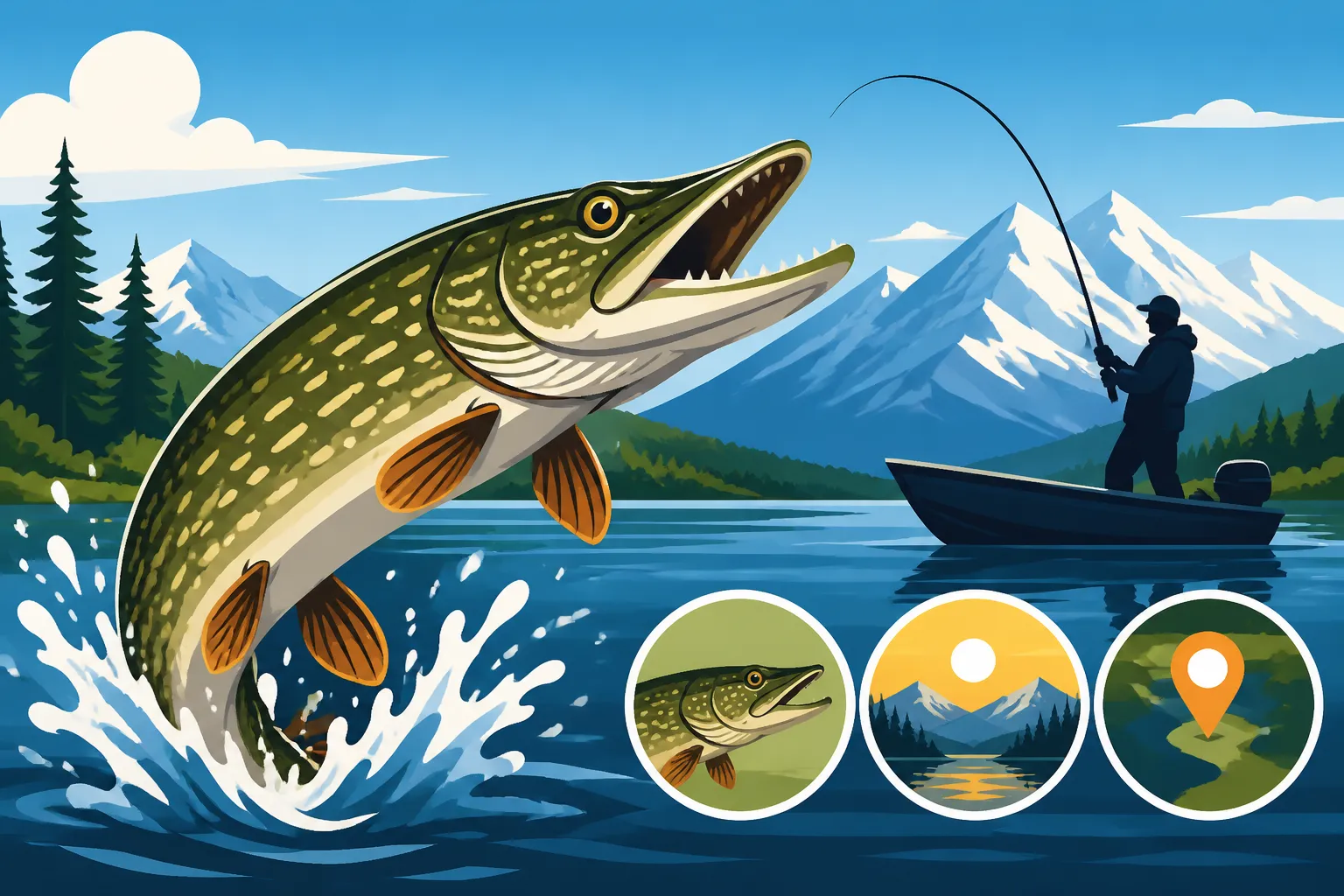
When you first see an Alaska Northern Pike, there's no mistaking it. These fish are built for ambush and aggression, and their physical traits scream predator. They possess a long, cylindrical body that is typically greenish-brown to olive on the back, fading to a lighter, often yellowish-white belly. What truly sets them apart is their distinctive pattern: irregular, bean-shaped spots or streaks of a lighter color dotting their sides. Their fins are often reddish or orange, especially the caudal (tail) fin, which is deeply forked and provides incredible bursts of speed.
The head of a Northern Pike is perhaps its most intimidating feature. It's elongated and flattened, resembling a duck's bill, giving rise to its species name, Esox lucius, which loosely translates to "water wolf." This flattened snout is packed with rows of razor-sharp, backward-slanting teeth, perfect for grasping and holding onto prey. Anglers quickly learn the importance of using a strong leader when targeting these fish to prevent being bitten off. Their eyes are set somewhat forward, providing excellent binocular vision, crucial for spotting unsuspecting prey in murky or vegetated waters. When you reel one in, you'll immediately understand why they are so revered and, frankly, a bit scary.
Biology and Behavior
Northern Pike are apex predators in many of Alaska's freshwater ecosystems, truly dominating their environment. They thrive in shallow, weedy areas of lakes, slow-moving rivers, and sloughs, where they can expertly blend into their surroundings, lying in wait to ambush unsuspecting prey. Their diet is incredibly varied and opportunistic, consisting primarily of smaller fish like juvenile salmon, trout, whitefish, and even other pike. But don't be surprised if they also snatch frogs, ducklings, or small rodents that happen to venture too close. This voracious appetite is what makes them such an exciting catch; they're not usually picky when they're on the hunt.
Their growth rate can be quite impressive, especially in waters with an abundant food supply. In Alaska, it's not uncommon to find pike reaching lengths of 30 to 40 inches, with some trophy specimens exceeding 50 inches and weighing over 20 pounds. These larger pike are formidable fighters, putting serious strain on your gear and your muscles. They spawn in shallow, vegetated areas in spring, shortly after ice-out, and can be quite aggressive during this period, though regulations often restrict fishing during their spawning window. Their life cycle and predatory behavior make them a vital, if sometimes invasive, component of the Alaska Freshwater Fish Species landscape.
When and Where to Find Northern Pike in Alaska
Fishing for Northern Pike in Alaska is an adventure that shifts with the seasons, offering distinct opportunities throughout the year. Knowing when and where to go can make all the difference between a successful trip and a frustrating one. The unique Alaskan environment provides diverse habitats for these fierce predators.
Prime Seasons for Pike Fishing
Alaska offers fantastic Northern Pike fishing opportunities during both the open-water and ice fishing seasons. Understanding these periods is key to maximizing your chances of a great catch.
- Open Water Season (Late Spring to Early Fall): The prime open-water season for Northern Pike typically kicks off shortly after ice-out, usually from late May through June. During this time, pike are often found in shallow, warm, vegetated bays as they recover from spawning and begin feeding aggressively. As summer progresses into July and August, they might move slightly deeper but will still relate heavily to weed lines, submerged structures, and creek mouths where baitfish congregate. This is often when you can find some of the most consistent action. Early fall, particularly September, can also be excellent as pike fatten up before winter, often becoming incredibly aggressive as water temperatures begin to drop. If you're planning a trip during this period, knowing the Alaska Fishing Seasons: Month-by-Month Guide can help you time it perfectly.
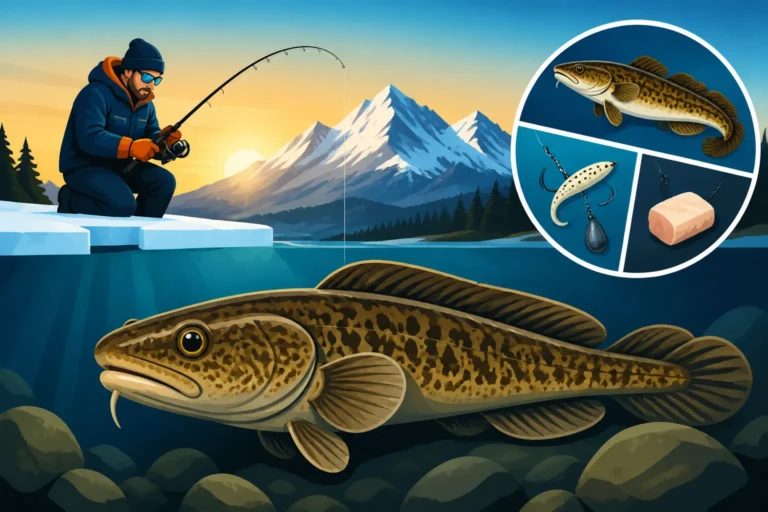
- Ice Fishing Season (Winter): For many Alaskans, winter means excellent hardwater fishing for pike. Once the lakes and sloughs are safely frozen, typically from November through March, Northern Pike become a prime target for ice anglers. During the ice fishing season, pike often remain relatively active, especially during midday, feeding on smaller fish under the ice. They tend to congregate in shallower bays with remaining weeds or near drop-offs and structural elements. Fishing through the ice requires different techniques and gear, but the reward of pulling a big pike through a hole in the ice is an unforgettable experience.
Top Northern Pike Fishing Locations
While Northern Pike are found in various parts of Alaska, they are most prevalent and often considered invasive in the Southcentral and Interior regions. This distinction is crucial because regulations can differ significantly.
- Southcentral Alaska: This region, particularly the Mat-Su Valley, is a hotspot for Northern Pike fishing. Lakes and sloughs off the road system are teeming with them. Alexander Lake, accessible by air taxi or snowmachine in winter, is renowned for its trophy pike potential. Other popular spots include the Nancy Lake State Recreation Area, where lakes like Nancy Lake, Big Lake, and Red Shirt Lake offer good opportunities. Further south, the Susitna River drainage and its various sloughs and oxbow lakes are excellent. The invasive nature of pike in this area means that in some waters, there are no bag or possession limits, and anglers are even encouraged to harvest them to protect native salmon and trout populations. You can find many great spots by exploring the Best Fishing in the Mat-Su Valley which has become synonymous with pike fishing.
- Interior Alaska: The Fairbanks area and its surrounding waterways also offer robust pike fishing. Minto Flats, a vast wetland complex near Fairbanks, is a legendary pike fishery, though it requires floatplane access or extensive boat travel. Lakes and sloughs along the Tanana River system, such as those near Nenana and Manley Hot Springs, also hold good numbers of pike. These areas often feature classic pike habitat: slow-moving, vegetated waters that allow them to thrive. The sheer remoteness of some Interior spots can also mean less fishing pressure and larger, less wary fish.
- Other Regions: While less common, pike can also be found in limited areas of Southwest Alaska, particularly in drainages that connect to the Yukon River system. However, the vast majority of accessible and productive pike fisheries are concentrated in the Mat-Su and Interior regions. It's always best to check the current Alaska Fishing Regulations Explained for the specific area you plan to fish, as rules can change rapidly, especially regarding invasive species.
Ideal Habitats Within Lakes and Rivers
Understanding where Northern Pike prefer to hang out within a given body of water is paramount to success. These fish are masters of ambush, and their habitat choices reflect this predatory strategy.
- Weed Beds and Aquatic Vegetation: This is the quintessential pike habitat. Look for dense beds of submerged grasses, lily pads, cattails, and rushes. Pike will lie perfectly still within these weeds, camouflaged by their spotted patterns, waiting for a smaller fish or unfortunate creature to swim by. The edges of weed lines, channels running through weeds, and open pockets within large weed beds are prime ambush points. In lakes like those in the Nancy Lake Recreation Area, targeting these visible structures is incredibly effective.
- Shallow Bays and Backwaters: Especially during spring and early summer, pike move into warmer, shallower bays and backwaters that are rich in vegetation and provide cover. These areas are often where baitfish seek refuge and where pike will actively hunt. During ice fishing, these same shallow, vegetated bays can be highly productive, as pike remain under the ice, often in less than 10 feet of water.
- Submerged Structure: While weeds are king, any submerged structure can attract pike. Fallen timber, brush piles, old docks, or even rock piles can provide cover and ambush points. In rivers, look for slower-moving eddies, oxbows, and sloughs that are somewhat cut off from the main current, offering a more tranquil environment where pike can conserve energy and ambush prey. Creek mouths or feeder streams entering a larger lake or river can also be excellent, as they often bring in cooler water and food.
Essential Gear and Techniques for Alaska Northern Pike
Successfully targeting Alaska Northern Pike requires the right tools and a solid understanding of how to use them. These powerful, toothy predators demand durable gear and specific fishing techniques to ensure a safe and successful catch. Forget finesse; this is about power and presentation.
Recommended Rods, Reels, and Line
When you're gearing up for Alaska Northern Pike, think "heavy-duty" and "durability." You're dealing with strong fish that have razor-sharp teeth.
- Rods: A medium-heavy to heavy-action spinning or baitcasting rod, typically 6'6" to 7'6" in length, is ideal. This rod provides the backbone needed to cast larger lures, set hooks firmly into a pike's bony mouth, and control a thrashing fish. A fast-action tip will give you the sensitivity to detect subtle strikes while still having plenty of power in the mid-section. Brands like St. Croix or Ugly Stik offer excellent options that can withstand the abuse of pike fishing.
- Reels: For spinning setups, a 3000 to 5000 series reel with a smooth drag system is recommended. If you prefer baitcasting, a robust reel designed for heavy cover applications will serve you well. A good quality reel ensures you can handle long, powerful runs and retrieve large lures without strain. Look for reels from manufacturers like Penn or Shimano, known for their reliability. You can often find excellent deals on these on Amazon, making it easy to get quality gear delivered right to your door before your trip.
- Line: Braided line is the go-to choice for pike fishing due to its incredible strength, low stretch, and abrasion resistance. A 30 to 50-pound test braided line will allow you to cast far, feel subtle bites, and muscle fish out of heavy cover. The low stretch also helps with powerful hook sets. However, the most critical component of your line setup is a steel or heavy fluorocarbon leader. Pike teeth will make quick work of monofilament or even standard braided line. A 6 to 12-inch leader of 40 to 80-pound test fluorocarbon or, even better, a multi-strand steel leader, is absolutely non-negotiable to prevent bite-offs. Without it, you're just donating lures to the pike population.
Effective Lures and Bait
Pike are opportunistic eaters, but certain presentations consistently outshine others. The key is to mimic their natural prey and appeal to their aggressive instincts.
- Spoons: Classic metal spoons are incredibly effective. Their wobbling action and flash perfectly imitate injured baitfish, triggering aggressive strikes. Iconic spoons like the Johnson Silver Minnow (especially in silver, gold, or five of diamonds pattern) or Dardevle spoons (red and white) have accounted for countless pike. Sizes ranging from 1/2 oz to 1 oz are excellent choices.
- Spinnerbaits: These lures combine flash, vibration, and a weedless design, making them perfect for fishing through heavy vegetation where pike often lurk. Blades (Colorado, willowleaf, or tandem combinations) create a lot of commotion, and the skirt adds bulk and movement. Chartreuse, white, black, and yellow are popular color choices. You can often buy multi-packs of spinnerbaits on Amazon, offering a variety of colors and weights to experiment with.
- Soft Plastics: Large swimbaits, grubs, and creature baits rigged on heavy jig heads or weighted hooks can be deadly, especially when worked slowly near cover. The realistic profile and subtle action can entice wary pike. Chartreuse, white, and natural baitfish colors are usually best.
- Topwater Lures: During warmer months, especially in low-light conditions or over shallow weed beds, topwater lures like buzzbaits, poppers, or walk-the-dog style baits can produce explosive, heart-stopping strikes. Watching a pike erupt on a surface lure is an unforgettable experience.
- Bait: While artificials are popular, live bait can be incredibly effective, especially when fishing through the ice with tip-ups. Large minnows, suckers, or even cut bait like herring (where legal) can attract big pike. Always check Alaska Fishing Regulations by Region as bait restrictions vary, particularly in salmon streams or certain freshwater areas.
Fishing Techniques for Success
Pike fishing involves active retrieval and smart presentation to entice a strike.
- Casting and Retrieving: This is the most common and versatile technique. Cast your lure (spoon, spinnerbait, swimbait) near weed lines, submerged logs, or other cover. Vary your retrieve speed – sometimes a fast, erratic retrieve triggers a chase, while other times a slow, steady retrieve with pauses is more effective. Pike often strike on the pause. Fan-cast an area thoroughly, hitting all potential ambush points.
- Jigging: Particularly effective for ice fishing, but also for open water when targeting pike suspended near structure. Drop a heavy jigging spoon or a large soft plastic on a jig head to the desired depth and work it with sharp lifts and drops. The flash and erratic movement can draw pike in from a distance. For ice fishing, many anglers use tip-ups rigged with live bait in addition to actively jigging, covering more area and offering a different presentation.
- Trolling: In larger lakes or rivers, slow trolling with large crankbaits, spoons, or even weighted swimbaits can be an efficient way to cover water and locate active pike, especially when they might be spread out. Pay attention to your fish finder for baitfish schools or structure.
- Presentation near Cover: Regardless of the technique, the golden rule for pike is to fish near cover. They are ambush predators, so your lure needs to pass close to where they might be hiding. If you're not getting snagged occasionally, you're probably not fishing close enough to where the big pike are.
| Feature | Description |
|---|---|
| Typical Size | 24-40 inches, 5-20 lbs (Trophy fish >40 inches, 20+ lbs) |
| Season (Open Water) | Late May – September (Peak: June-August) |
| Season (Ice Fishing) | November – March |
| Primary Habitat | Shallow, vegetated lake bays, slow river sloughs, backwaters, weed beds |
| Diet | Fish (salmon, trout, whitefish), frogs, ducklings, small mammals |
| Common Lures | Spoons (Johnson Silver Minnow, Dardevle), Spinnerbaits, Large Swimbaits, Topwater Plugs |
| Essential Gear | Medium-heavy to heavy rod, 3000-5000 series reel, 30-50 lb braid, steel or heavy fluorocarbon leader |
| Key Regions | Mat-Su Valley (Alexander Lake, Nancy Lake SRA), Interior (Minto Flats, Tanana River sloughs), Best Fishing Near Anchorage |
| Regulations Note | Often considered invasive in Southcentral; check Alaska Northern Pike Regulations and Limits for specific areas |
Disclaimer
The information provided in this guide is for general informational purposes only and is subject to change. Fishing regulations in Alaska are dynamic and can be altered at any time due to emergency orders or biological assessments. Always consult the most current Alaska Department of Fish and Game (ADF&G) regulations booklet or their website before planning and embarking on any fishing trip. Adherence to all local, state, and federal regulations is the responsibility of the angler.