How to Fish an Alaska Salmon Run Peak
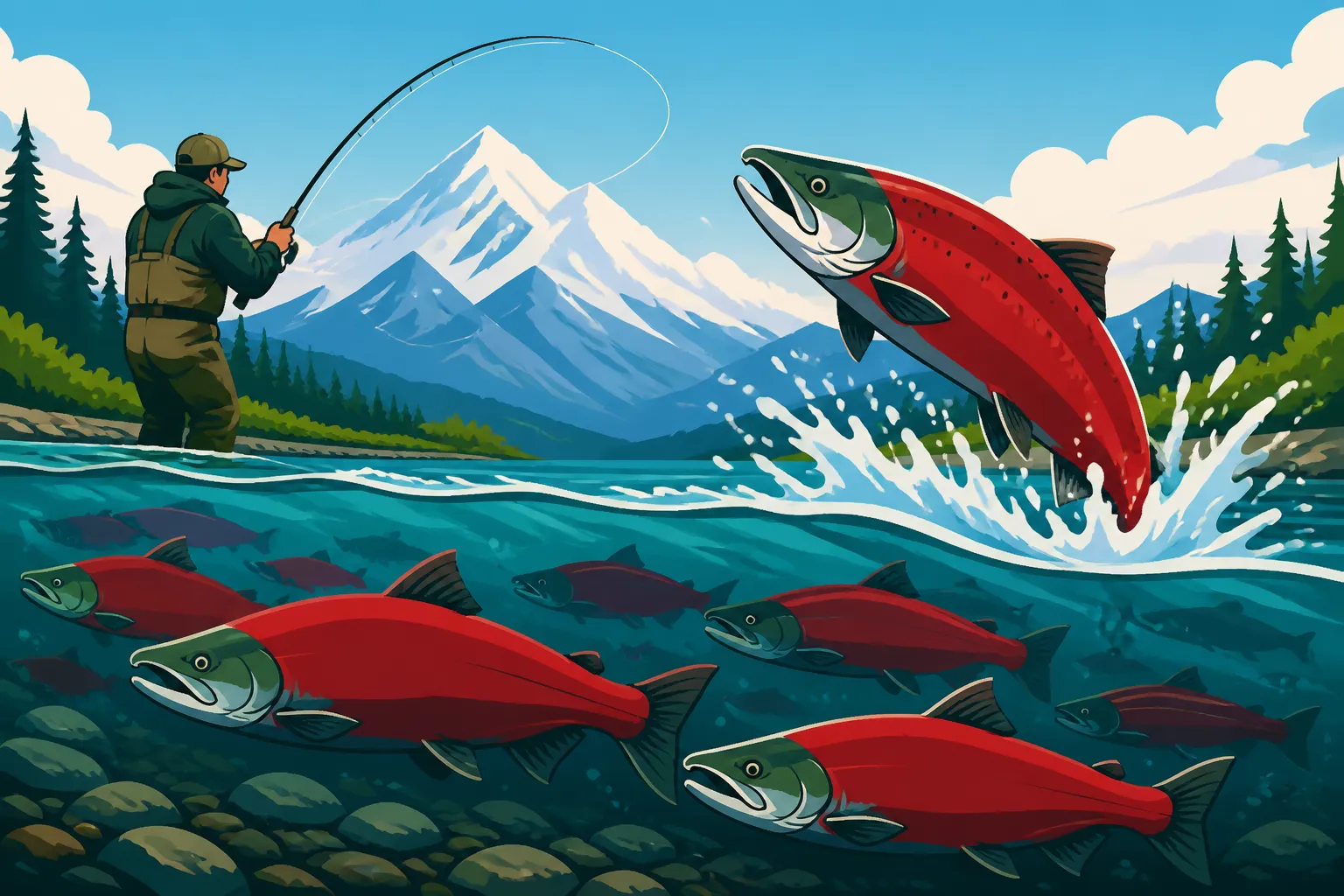
You've heard the legends, seen the photos – rivers absolutely crammed with salmon, fin-to-fin, during the peak of their run. It sounds like a dream, doesn't it? Like you could just about walk across the river on their backs and catch them with your bare hands. But then you get out there, standing shoulder-to-shoulder with dozens of other anglers, and suddenly, those fish seem to have lockjaw, swimming right past your perfectly presented lure or fly without a second glance. It's incredibly frustrating to know the fish are there in staggering numbers, yet you can't get a bite. This guide is here to demystify how to fish an Alaska salmon run peak, offering real-world strategies to help you connect with more fish when the river is boiling with them.
Understanding the Salmon Run Peak
When we talk about a "salmon run peak" in Alaska, it conjures images of endless fish. And while the numbers are indeed incredible, the reality of fishing during this time is often quite different from what many imagine. It's not always an easy pick; in fact, it can be one of the most challenging times to fish for these remarkable creatures.
Defining "Peak" and Its Variability
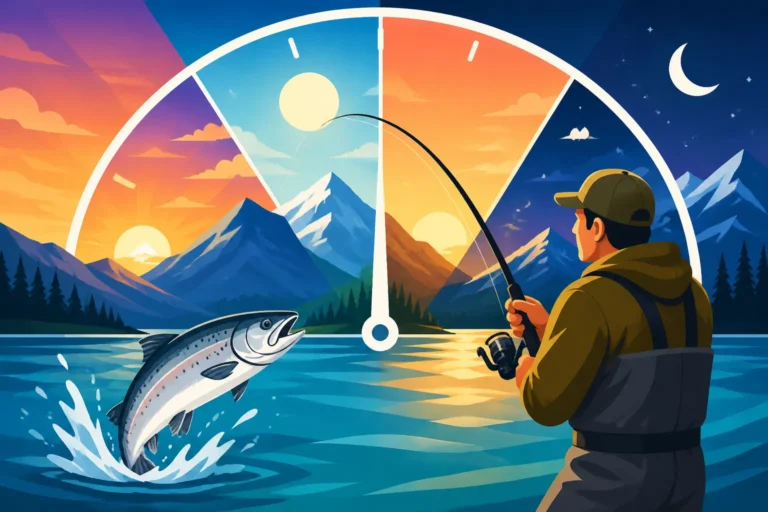
First off, what is the "peak" of a salmon run? Essentially, it's the period when the highest number of a particular salmon species is actively migrating upriver to spawn. This isn't a single, fixed day on the calendar; it's a window, often lasting a week or two, sometimes a bit longer or shorter depending on the river system and specific species. For instance, the Sockeye Salmon run on the Kenai River might peak in mid-July, but that peak can shift by several days, or even a week, year to year due to water temperatures, rainfall, and overall run strength. On the other hand, King Salmon runs in many Southcentral Alaska rivers typically peak earlier in the summer, often in June.
The variability is what makes it so tricky. One year, the fish might flood in early and hard; the next, it could be a slower, more drawn-out affair. There’s no magic algorithm to predict the exact minute the peak begins. Local reports, historical data, and especially Alaska Department of Fish and Game (ADF&G) run forecasts and emergency orders are your best friends here. Checking how to read Alaska salmon run forecasts can give you a crucial edge in planning your trip.
Why Timing is Everything and So Hard
During the peak, salmon are incredibly focused on one thing: spawning. Their biological imperative to reproduce overrides almost everything else, including their desire to feed. This is a critical distinction from fishing for them in saltwater or earlier in their freshwater migration. They are not actively looking for food; they are defending territory, navigating currents, and preparing to reproduce. This means your approach has to change drastically.
Another huge factor is pressure. When the word gets out that a run is peaking, the banks of popular rivers like the Russian River or the Kenai River can become almost impossibly crowded. This "combat fishing" environment adds another layer of challenge. Not only are the fish less interested in eating, but they are also stressed by the sheer volume of anglers, the constant splash of lines, and the overall commotion. This increased pressure can make them even warier, pushing them into less accessible parts of the river or making them extremely selective about what they’ll "strike" at, even if it's not truly a feeding strike. Understanding Alaska Salmon Run Timing Explained is essential to hit these windows, even if they come with unique challenges.
Key Strategies for Peak Salmon Fishing
Fishing a salmon run peak successfully isn't about luck; it's about precise technique, keen observation, and unwavering patience. You're trying to provoke a reaction, not necessarily a hunger strike.
Locating Prime Holding Water
Even when a river is thick with salmon, they aren't evenly distributed. They will gather in specific areas to rest, stage, or navigate particularly strong currents. Identifying these holding patterns is paramount.
- Current Seams and Eddies: Salmon, especially Sockeye and Chum, are masters of energy conservation. They'll often tuck into softer water directly adjacent to faster currents, known as seams. These are prime locations. Look for changes in water speed where a fast current meets a slower one, or where a rock or log creates a pocket of calmer water. Kings and Silvers might hold in deeper pools with a moderate current.
- Deeps and Pools: Larger, slower-moving pools offer respite from the relentless current. Salmon will congregate here, especially larger Kings and Silvers, before making their next push upstream.
- Structure: Submerged logs, rock gardens, and cut banks provide cover and current breaks. Fish will often stack up behind or alongside these features. If you can identify these subtle changes in the riverbed, you're ahead of the game. For example, on the Kasilof River, knowing where the deeper channels and gravel bars are can significantly improve your odds during the King Salmon run.
- Travel Lanes: While they rest, salmon also have distinct travel lanes they use to move upstream. These are often deeper channels or specific current lines. Watch other anglers carefully; if one spot consistently yields fish, it's likely a travel lane or a good holding spot.
You’ll want to present your offering right into these zones. This means understanding how to read the water and anticipate where fish will be conserving energy or making their move.
Mastering Your Presentation
Since salmon aren't feeding aggressively, your presentation needs to be incredibly subtle and often designed to elicit an "instinctive" bite or a territorial strike.
- Flossing (for Sockeye): This controversial but highly effective technique for Sockeye Salmon during peak runs involves a weighted leader and a small, often bare, hook. The idea is to drift the line through the school, allowing the main line to pass over the salmon's head, with the hook trailing just slightly above their mouth. As the line exits the fish's mouth, a gentle sweep of the rod sets the hook in the corner of its jaw. This isn't snagging, which is illegal in most areas; it's about precise depth and timing. The ADF&G provides clear guidelines on legal methods for sockeye, including specific leader lengths and weights.
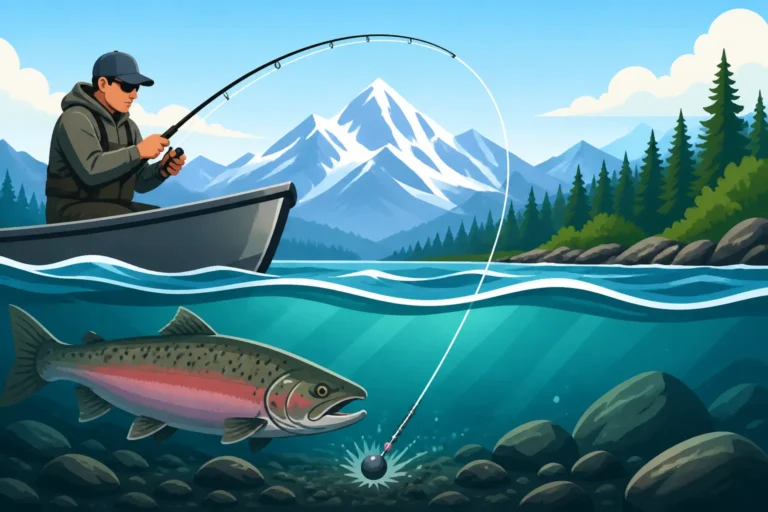
- Drift Fishing (for Kings, Silvers, Trout): For species like King Salmon or Silver Salmon, or even resident Rainbow Trout that feed on salmon eggs, drift fishing with roe bags, beads, or small lures can be very effective. The key is a dead-drift presentation, allowing your bait or lure to tumble naturally along the bottom at the same speed as the current. This often requires careful weight selection and mending your line to avoid drag. Learning how to Drift Fishing in Alaska: How-To Guide is crucial for mastering this. For Beads, which mimic salmon eggs, ensure your lead weight is positioned above the bead to allow it to drift naturally. You can find a wide array of lead weights and fluorocarbon leader material on Amazon.
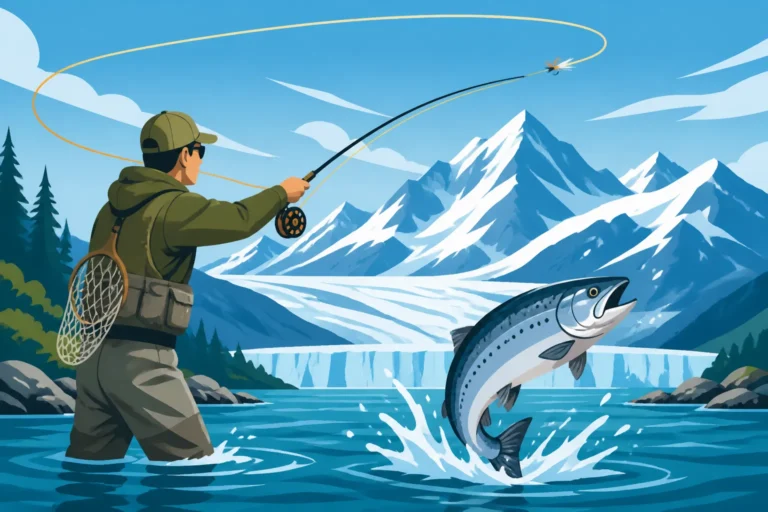
- Swinging and Stripping (for Silvers, Chums, Steelhead): For more aggressive species like Silver (Coho) Salmon or Chum Salmon, and even Steelhead (sea-run Rainbow Trout), swinging a fly or stripping a streamer across current can trigger a chase. This technique mimics a fleeing baitfish or an intruder in their territory. It requires active manipulation of the line and often works best in areas with moderate current where fish are actively moving.
- Back-Trolling and Back-Bouncing (for Kings): On larger rivers where boats are permitted, techniques like back-trolling with Kwikfish plugs or back-bouncing with heavy weights and bait (like cured salmon roe) are deadly for King Salmon. These methods keep your offering in the strike zone directly in front of staging kings for an extended period. Exploring How to Back-Bouncing in Alaska: How-To Guide or How to Back-Trolling in Alaska: How-To Guide will provide detailed instruction for boat-based anglers.
Adapting to Changing Conditions
Alaska's weather and river conditions can change on a dime, and successful peak fishing means being ready to adapt.
- Water Level and Clarity: Heavy rains can blow out a river, raising water levels and reducing clarity. When the water is high and murky, fish might push closer to the banks. You might need to use heavier weights to get your gear down, or switch to brighter, more contrasting colors for your lures to be seen. Conversely, low, clear water demands lighter lines and more subtle presentations.
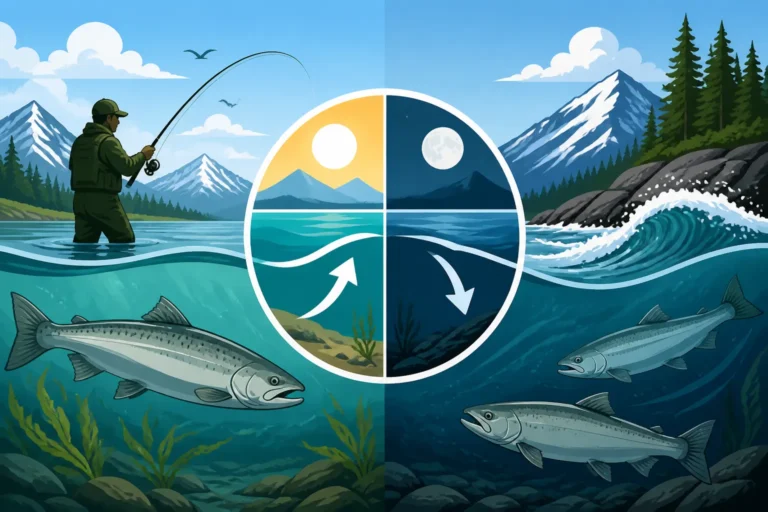
- Sunlight and Cloud Cover: On bright, sunny days, salmon can be more sensitive to direct sunlight and might hold in deeper, shadier pockets. Overcast conditions can sometimes make them more active and willing to move into shallower water.
- Crowd Management: If your chosen spot is too crowded, don't be afraid to move. Sometimes, finding a less pressured spot, even if it holds fewer fish, will lead to more success because the fish are less wary. Patience and good etiquette, like not casting over other anglers' lines, are vital.
- Emergency Orders: The Alaska Department of Fish and Game frequently issues Emergency Orders during peak runs to manage harvest and protect future stocks. These can change bag limits, open or close certain areas, or restrict gear types (e.g., single-hook rules, bait restrictions). Always check these orders daily, especially before you head out, as How Often Do Alaska Fishing Rules Change.
Essential Gear and Tackle
Having the right tools for the job is non-negotiable when facing a peak salmon run. You need gear that can handle powerful fish, withstand tough conditions, and allow for precise presentations.
Rod, Reel, and Line Choices
Your setup should match the species you're targeting and the technique you plan to employ.
- Rods: For Sockeye flossing, a fast-action, moderate-power spinning or casting rod, typically 9-10 feet long, is ideal. This length helps with line control and casting accuracy across wider rivers. For King Salmon, you'll need a much heavier setup – a sturdy, medium-heavy to heavy power rod, 8.5 to 10.5 feet, capable of handling large fish and heavy weights. Silver Salmon and Chum can often be handled with a medium-heavy rod, similar to a lighter King Salmon setup.
- Reels: For spinning gear, a robust spinning reel in the 3000-5000 series is common for Sockeye, loaded with braided line. For Kings, a heavy-duty baitcasting reel or a large spinning reel (6000-8000 series) with a strong drag is a must. Ensure your reel has a smooth, reliable drag system, as these fish will test it.
- Line: Braided line (30-50 lb test for Sockeye, 50-80 lb for Kings) is preferred for its sensitivity, strength, and lack of stretch, which aids in hook sets. Pair this with a fluorocarbon leader (20-30 lb for Sockeye, 40-60 lb for Kings) for abrasion resistance and invisibility underwater. Remember to check Alaska Fishing Limits and Bag Limits Explained for specific regulations on gear.
Effective Lures and Baits
Choosing the right lure or bait is crucial, especially when fish aren't actively feeding.
- Sockeye: For Sockeye, it's less about the lure and more about the presentation. Small, unbaited hooks (often size 2/0 to 4/0) used in conjunction with sufficient weight to get to the bottom are standard. Some anglers add a small piece of colored yarn or a single bead near the hook.
- King Salmon: Cured salmon roe is often king (pun intended!) for Chinook. Other effective options include large spinnerbaits (like a Pixie or a Vibrax), Kwikfish plugs, or large flies and streamers in systems where fly fishing is popular. Colors like chartreuse, orange, and metallic often perform well. You can find quality salmon eggs and curing kits on Amazon if you prefer to prepare your own bait.
- Silver Salmon: Coho are more aggressive and will hit a variety of offerings. Bright spinners (Blue Fox, Mepps), spoons (Little Cleo, Pixie), and twitching jigs are all excellent choices. Fly anglers often use colorful streamers like an Egg Sucking Leech or an Intruder pattern.
- Chum Salmon: Also known as Dog Salmon, Chums are strong fighters. They often respond well to bright, flashy spinners and spoons, particularly in chartreuse, pink, or metallic finishes. Large gaudy flies also work.
- Rainbow Trout/Dolly Varden: These opportunistic feeders will often follow salmon runs to feast on loose salmon eggs. Small egg patterns, beads, and flesh flies (imitating decaying salmon flesh) are highly effective.
| Species Targeted | Primary Technique | Recommended Rod Length/Action | Recommended Line (Braid/Leader) | Key Lures/Bait |
|---|---|---|---|---|
| Sockeye Salmon | Flossing/Drifting | 9-10 ft, Moderate-Fast Action | 30-40 lb Braid / 20-25 lb Fluoro | Small bare hook, beads, yarn |
| King Salmon | Back-bouncing/Drifting/Trolling | 8.5-10.5 ft, Med-Heavy to Heavy | 50-80 lb Braid / 40-60 lb Fluoro | Cured roe, Kwikfish, large spinners |
| Silver Salmon | Spin Fishing/Drifting/Swinging | 8.5-10 ft, Medium-Heavy Action | 40-50 lb Braid / 25-35 lb Fluoro | Spinners, spoons, twitching jigs, streamers |
| Chum Salmon | Spin Fishing/Swinging | 8.5-9.5 ft, Medium-Heavy Action | 40-50 lb Braid / 25-35 lb Fluoro | Bright spinners, spoons, large flies |
| Rainbow Trout | Drifting/Fly Fishing | 7-9 ft, Light to Medium Action | 10-20 lb Braid / 8-15 lb Fluoro | Egg patterns, beads, flesh flies |
Waders, Rain Gear, and Essentials
Alaska weather is famously unpredictable. Being prepared for anything will make your trip infinitely more enjoyable and successful. Check out this guide on How to Dress for Alaska Fishing.
- Waders: Breathable chest waders are essential for river fishing, allowing you to access prime spots and stay dry. Pair them with sturdy wading boots with good ankle support and felt or studded soles for traction on slippery river rocks.
- Rain Gear: A high-quality waterproof and breathable rain jacket and pants are non-negotiable. Look for Gore-Tex or similar technology. Brands like Grundéns or Simms are popular among Alaskan anglers for their durability. You can find excellent waterproof jackets and pants on Amazon.
- Layering: Dress in layers! Even in summer, mornings can be chilly, but midday sun can warm things up quickly. Synthetics or wool are best for base layers, avoiding cotton, which stays wet and cold.
- Tools: Bring a good pair of pliers for hook removal, line clippers, a measuring tape (for checking size limits), and a fillet knife if you plan to clean fish on the spot.
- Bear Spray: You are in bear country. Always carry bear spray and know how to use it. Store it in an easily accessible holster. Even in crowded areas, bears can appear, especially drawn by fish carcasses. Read up on How to Fish Safely Around Alaska Bears.
Reading the Water and Fish Behavior
Success during the peak of a salmon run often hinges on your ability to observe, interpret, and react to what the river and the fish are telling you.
Identifying Travel Lanes and Resting Pools
As mentioned before, not all water is created equal. Salmon have distinct patterns of movement and rest.
- The "Line": Often, there will be a specific current seam or depth where fish are consistently traveling. This "line" might be only a few feet wide. Watch where other anglers are casting and where they are not casting. Observe if fish are jumping or rolling in a particular channel. If you can identify this "line," you can focus your efforts and maximize your chances. For instance, on the Kenai River, especially during the Sockeye run, understanding the travel lanes near famous spots like the ferry crossing is key. You might find a detailed guide on Kenai River Sockeye Fishing Guide helpful.
- Back Eddies and Side Channels: Sometimes, particularly after a long push against the main current, salmon will duck into slower back eddies or smaller side channels to recover. These spots can offer a brief window of opportunity away from the main crush of anglers.
- Depth and Current Speed: Salmon prefer different current speeds depending on their energy levels and species. Kings often favor deeper, slower pools, while Sockeye often grind through moderate to fast currents, looking for those brief pauses in the seams. Pay attention to how fast your weight is hitting the bottom, and adjust accordingly.
Interpreting Salmon Behavior
Understanding what the salmon are doing is as important as knowing where they are.
- Jumping and Rolling: Salmon often jump and roll as they migrate. This can be a sign of their presence, but it doesn't necessarily mean they're willing to bite. Sometimes, they're just clearing their gills or repositioning. However, consistent jumping in a specific area can confirm a travel lane or holding spot.
- "Gliding" vs. "Finning": Actively moving fish might be more receptive to a presentation designed to trigger a reaction. Fish that are merely "finning" in place, holding tight to the bottom, might require a more subtle, precise drift.
- Reaction Strikes: When salmon are not feeding, you're often aiming for a "reaction strike." This means your lure or fly might brush against them, or briefly annoy them, causing them to mouth it or swat at it. This is why a sharp hook and a quick hook-set are crucial. Many times, you won't feel a distinct "bite," but rather a slight hesitation or an unusual pressure on your line.
- Dullness and Bruising: Salmon that have been in freshwater for a while will start to show signs of spawning: their colors will darken, and they might develop bruising or fin damage. These fish are typically less responsive to lures and flies, as their focus is entirely on reproduction. Targeting fresher, brighter fish that have just entered the river usually yields better results.
Safety First: Crowds and Bears
Fishing during a peak run isn't just about fish; it's also about managing your environment.
- Angler Etiquette: In crowded areas, respect is key. Maintain your casting lane, avoid cutting off other anglers, and be patient. If you're on a boat, give bank anglers ample space. Knowing the common courtesies, especially in popular spots like the Russian River during the Sockeye run, makes the experience better for everyone.
- Bear Awareness: Alaska is bear country, and salmon runs are a major draw for both black and brown bears. Always be aware of your surroundings, make noise as you move, and never leave fish waste or food scraps exposed. If you encounter a bear, know how to react calmly and safely. Carrying bear spray is a must, and understanding bear behavior can prevent dangerous encounters.
Fishing an Alaska salmon run peak is an experience unlike any other. It’s a challenge, a spectacle, and a true test of an angler's skill and patience. By understanding the unique behaviors of these powerful fish, adapting your techniques to their non-feeding instincts, and preparing for the dynamic Alaskan environment, you'll be well on your way to a memorable and successful trip.
Disclaimer
Please note that fishing regulations in Alaska can change frequently due to emergency orders and conservation efforts. Always consult the latest Alaska Department of Fish and Game regulations before heading out on your fishing trip. The information provided here is for general guidance only and should not be considered a substitute for official regulations.