How to Catch Lingcod in Alaska
If you've ever battled a monstrous fish that pulls like a freight train and seems to fight all the way to the boat, chances are you might have tangled with an Alaska lingcod. These toothy behemoths are legendary for their aggressive strikes and formidable strength, making them a bucket-list species for many anglers. But let's be honest, trying to figure out the best way to target these deep-dwelling predators can feel like trying to solve a puzzle in the fog. This guide is here to cut through the confusion and equip you with the knowledge and tactics you need to successfully reel in some impressive Alaska lingcod.
Understanding the Elusive Lingcod
Lingcod are truly unique characters of the Alaskan deep, often mistaken for other species due to their mottled, camouflaged appearance. Knowing a bit about their biology and behavior is your first step toward cracking the code on how to catch them consistently. These aren't your typical schooling fish; they're ambush predators with a serious attitude.
Lingcod Identification and Characteristics
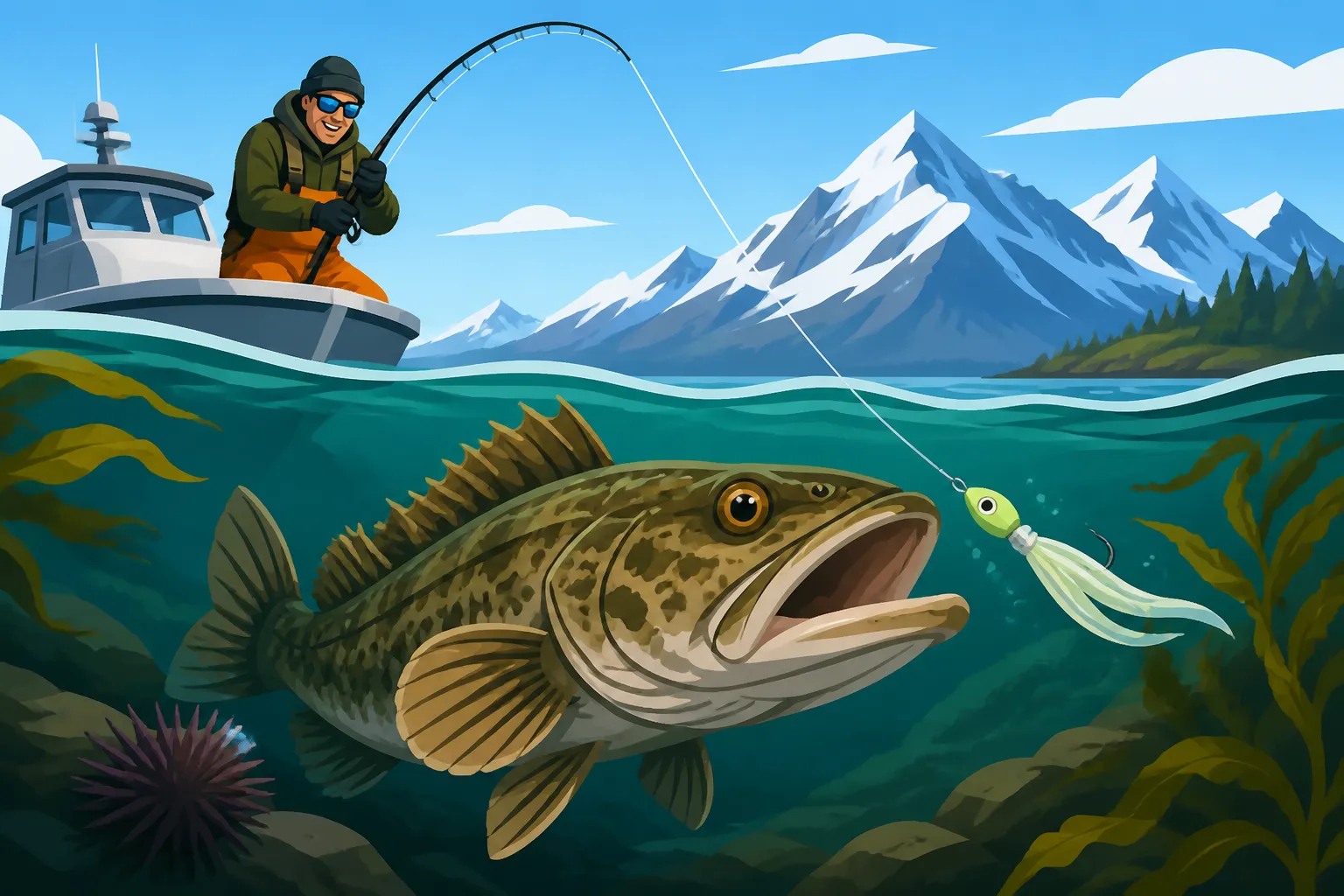
Lingcod (Ophiodon elongatus) are not actually true cod; they belong to the greenling family. They're easily recognizable by their elongated bodies, large mouths packed with sharp, conical teeth, and a continuous dorsal fin that runs almost the entire length of their back. Their color varies wildly, from dark gray or brown to green or blue, often with darker blotches or spots, allowing them to blend seamlessly with rocky underwater environments. Some folks even call them "bucketmouths" because of their massive jaws. They can grow surprisingly large, with mature individuals often weighing 20 to 50 pounds, and some absolute monsters pushing well over 80 pounds. Their sheer size and aggressive nature are what make them such a thrilling catch, but that powerful jaw also means you need to be extra careful when handling them at the boat.
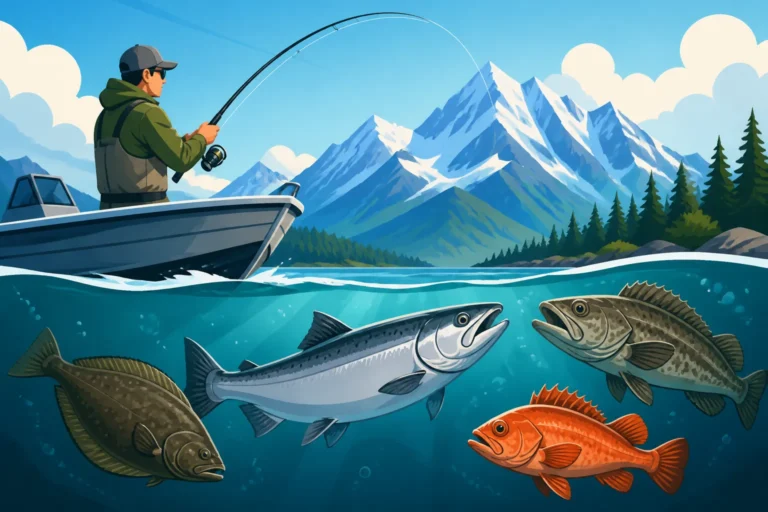
When you're out on the water, especially if you're targeting other bottom fish like halibut or rockfish, it's not uncommon for a lingcod to surprise you. You might hook into something that feels like a heavy halibut, only to find a green-mouthed, prehistoric-looking lingcod staring back at you. Pay close attention to their jaw structure and the single, long dorsal fin; this will help you distinguish them from other species you might encounter. Understanding their appearance is crucial, not just for bragging rights, but also for ensuring you're adhering to the specific Lingcod Fishing Regulations and Limits for Alaska.
Preferred Habitats and Behavior
Lingcod are master ambush predators, preferring to lie in wait on the seafloor, camouflaged against rocky ledges, reefs, pinnacles, and kelp forests. They are particularly fond of areas with strong currents that bring food directly to them. You'll rarely find them over soft, sandy bottoms unless they're transiting between rocky structures. They typically inhabit depths ranging from 50 to 400 feet, but can be found shallower or deeper depending on the time of year and the availability of prey. Their diet consists almost entirely of other fish and crustaceans, including small rockfish, herring, cod, and even smaller lingcod. This aggressive predatory nature means they're always on the lookout for a meal, which is great news for anglers presenting tempting lures or baits.
Their territorial behavior is another key aspect. Once a lingcod establishes a prime ambush spot, it will defend it fiercely. This means if you catch one lingcod in a particular spot, there's a good chance another one, or a series of them, might be holding nearby, ready to move into the vacated territory. Often, you'll find them right on the edge of sharp drop-offs or at the base of underwater peaks where currents swirl and concentrate baitfish. Identifying these types of structures using your boat's sonar is paramount to finding success. Don't be afraid to make multiple passes over a promising piece of structure, as a lingcod might just need a little coaxing to strike.
Lingcod Season and Regulations Overview
Alaska's lingcod season and regulations can vary significantly by region, and they are frequently subject to emergency orders, just like salmon or halibut. Generally, lingcod fishing opens in May or June and continues through the summer and fall, with some areas extending into winter. However, specific bag limits, size restrictions, and annual limits are imposed to ensure sustainable populations. For example, in certain areas, there might be a daily bag limit of one or two lingcod, often with a minimum size limit and sometimes a maximum size limit, similar to the reverse slot limits seen in halibut fisheries. It's absolutely critical to check the most current Alaska Fishing Regulations Explained for the specific area you plan to fish before heading out.
A good example of how regulations can impact your trip is the common practice of targeting lingcod alongside halibut. While you might be focused on landing a "barn door" halibut, you need to be aware of the distinct rules for lingcod. The Alaska Department of Fish and Game (ADF&G) updates their regulations regularly, and staying on top of these changes is a must. Many anglers also appreciate that certain areas have specific rules for retention of rockfish, which share similar habitats with lingcod, emphasizing the need for tools like deepwater release devices if you're catching and releasing. Ensure you know the rules for the management area you'll be fishing, whether it's Southcentral Alaska or Southeast Alaska.
Best Times and Locations for Lingcod
Timing and location are everything when it comes to successful lingcod fishing. These robust predators are present year-round, but there are definitely prime windows and specific types of underwater terrain where you'll have the best chance of encountering them. It’s not just about being in Alaska; it’s about being in the right part of Alaska at the right time.
Peak Seasons for Lingcod Fishing
While you can technically catch lingcod year-round in some areas, the peak season for recreational anglers typically aligns with the warmer months when baitfish are abundant and lingcod are actively feeding. This usually means late spring through early fall, roughly from May to September. During this period, lingcod are often more aggressive and found in more accessible depths. As the water warms, their metabolism increases, and they become highly opportunistic feeders, making them more likely to strike a well-presented lure or bait.
- Spring (May-June): As the season opens, lingcod are coming out of their post-spawn period and are hungry. This can be a fantastic time, especially in areas where baitfish like herring are congregating. The fish might still be a bit deeper, but they are often very aggressive. This also often coincides with the initial push of King Salmon in Alaska, so it can be a great time for a multi-species trip.
- Summer (July-August): This is generally considered the prime time. Lingcod are abundant, actively feeding, and often found closer to shore on prominent rock structures. The weather is usually more cooperative, making boat travel and fishing more comfortable. If you're looking for the Best Time to Catch Lingcod in Alaska, these months are usually it.
- Fall (September-October): Fishing can remain excellent into the fall, especially for larger fish as they bulk up for winter. As water temperatures start to drop, some lingcod may begin to move deeper, but many remain accessible. These months can offer some of the most consistent trophy fishing, provided you hit the right spots before winter truly sets in.
Top Lingcod Hotspots in Alaska
Lingcod are distributed throughout Alaska's coastal waters, but certain regions are legendary for their consistent lingcod action and trophy-sized fish. If you're planning a trip specifically for these hard-fighting fish, these areas should definitely be on your radar.
- Southeast Alaska: Areas around Sitka, Juneau, and Ketchikan are phenomenal lingcod destinations. The complex, rocky seafloor, deep fjords, and strong currents provide ideal habitat. Charters operating out of these communities often know exactly where to find the biggest "lumps" and pinnacles holding these monsters. Many anglers heading to Sitka for salmon or halibut will specifically ask their charter captain to target lingcod for a day, recognizing the incredible fighting experience they offer.
- Southcentral Alaska (Gulf of Alaska): The waters off Seward and Homer are also major hotspots. The outer coastlines, submerged reefs, and offshore islands in the Gulf of Alaska provide prime lingcod territory. Areas like the Barren Islands near Homer or the waters around Montague Island out of Seward are particularly productive. When you're considering a trip, checking out a Homer Alaska Fishing Guide or a Seward Alaska Fishing Guide might give you specific insights into local lingcod opportunities.
- Kodiak Island: This vast island offers some truly remote and productive lingcod grounds, especially on its outer coastlines exposed to the Pacific. If you're looking for a wilderness experience with the chance at truly massive lingcod, Kodiak is a serious contender.
Reading the Bottom: Structure and Depths
Successfully locating lingcod isn't just about being in a general hotspot; it's about pinpointing the specific underwater structures they call home. These fish are masters of camouflage and ambush, so they're always going to be associated with hard bottom structure. Your boat's electronics, particularly a good sonar or fish finder, are your best friends here.
Look for sharp pinnacles that rise off the seafloor, rocky reefs, submerged rockpiles, and ledges. Lingcod will often sit right on top of these structures or along their steepest edges, waiting for prey to swim by. Depth is also important, typically between 50 and 400 feet, but they'll adjust based on light levels, bait availability, and water temperature. Don't be afraid to fish around these structures from different angles and depths. Sometimes, a subtle change in current or light penetration can make one side of a rockpile far more productive than another.
When you identify a promising piece of structure on your sonar, mark it on your GPS. Then, make repeated drifts over and around it. Pay attention to how the current affects your drift and adjust your boat position accordingly. Lingcod will hug the bottom, so you need to be presenting your lure or bait right in their wheelhouse. If you see signs of baitfish congregating around these structures on your sonar, that's an even better indicator that lingcod might be lurking nearby. Remember, fishing these areas often means you're also in prime territory for yelloweye and other rockfish species, so understanding Alaska Rockfish Retention and Release Rules is important.
Gear and Tackle Essentials for Lingcod
Taming a lingcod requires gear that can stand up to their brute force. These fish don't just nibble; they smash lures and fight dirty. If your tackle isn't up to snuff, you'll be telling a heartbreaking story about "the one that got away."
Heavy-Duty Rods and Reels
When it comes to lingcod, think heavy-duty. You need a setup that can handle powerful strikes, deep dives, and the sheer weight of a large fish, often compounded by significant lead weights.
- Rods: Look for a stout, fast-action rod in the 7 to 8.5-foot range, rated for 50-100 pound braided line. A moderate-fast action can also work well, offering a bit more forgiveness but still plenty of backbone. The rod needs enough sensitivity in the tip to detect subtle bites at depth, but massive lifting power to pull a reluctant lingcod off the bottom. Many anglers prefer conventional rods for their sheer power and control, though heavy-duty spinning gear can also be effective. Brands like Ugly Stik or Penn offer solid, affordable options that can take a beating.
- Reels: Pair your heavy rod with a robust conventional reel capable of holding at least 300 yards of 65-80 pound braided line. Look for models with strong drags, durable gears, and a high retrieve ratio to efficiently bring up weight and fish from deep water. Lever drag or star drag reels from reputable manufacturers like Shimano, Daiwa, or Penn are excellent choices. A high-quality reel with smooth drag is absolutely crucial, as a lingcod will test every component.
It’s easy to underestimate the power of these fish until you hook into one. A weak reel or an underpowered rod will lead to quick fatigue and potentially a lost fish. Investing in quality gear here isn't just about landing more fish; it's about having a more enjoyable and less frustrating experience on the water.
Line, Leaders, and Terminal Tackle
The line and terminal tackle you choose are the direct connection to your lingcod, so don't skimp here. This is where many battles are won or lost.
- Main Line: Braided line is the overwhelming choice for lingcod fishing due to its zero stretch, incredible strength-to-diameter ratio, and sensitivity. This sensitivity allows you to feel even the lightest taps at depths of hundreds of feet. Opt for 65-80 pound test braided line. The thinner diameter also helps cut through current, reducing the amount of weight needed to reach the bottom.
- Leaders: Lingcod have notoriously sharp teeth and often chew through lighter monofilament. You need a heavy-duty leader, typically 80-150 pound test monofilament or fluorocarbon, at least 4-6 feet long. Some anglers even use steel leaders or sections of heavy cable leader, especially if they are losing rigs to bite-offs. Attach your leader to your main line with a strong knot like a FG knot or a Bimini twist to a swivel.
- Swivels and Snaps: Use heavy-duty, ball-bearing swivels (rated 200+ lbs) to prevent line twist, especially when jigging or using rotating lures. Robust snaps for quickly changing lures are also very helpful.
- Weights: Depending on depth and current, you'll need significant lead weights, often 8-24 ounces, to get your presentation to the bottom and keep it there. Pyramid sinkers, cannonball sinkers, or bank sinkers are common. A good rule of thumb is to use enough weight so you can maintain bottom contact without your line being swept too far away by the current.
Lures and Baits That Lingcod Can't Resist
Lingcod are not picky eaters, but some presentations are far more effective than others at enticing them to strike. Your goal is to imitate their natural prey or trigger their aggressive, territorial instincts.
- Jigs: Heavy metal jigs are probably the most popular and effective lures for lingcod. Think large, weighty jigs in the 8-24 ounce range. Popular styles include knife jigs, diamond jigs, or butterfly jigs. Colors like glow-in-the-dark, chrome, blue, pink, or green are often excellent. Tipping jigs with a strip of bait or a grub can significantly increase their appeal. For a wide selection of effective jigs, you can always check out options on Amazon, where many anglers find their go-to lingcod tackle.
- Soft Plastics: Large swimbaits and grub tails, often 8-12 inches long, rigged on heavy jig heads (4-12 oz) are deadly. The pulsating tail action combined with the jig head's thumping motion is irresistible. Colors like white, chartreuse, motor oil, or dark patterns imitating rockfish are productive. Again, browsing Amazon for brands like Berkley or Z-Man can provide excellent choices.
- Live Bait: If legal and available, live bait is arguably the most effective presentation. Small rockfish (if legal to use as bait), herring, or even small salmon are irresistible to lingcod. Rig them with a large, strong circle hook (8/0 to 12/0) through the nose or back, allowing them to swim naturally.
- Cut Bait: Large chunks of oily fish like herring, salmon, or even pieces of octopus can be highly effective when rigged on a leadhead jig or a sturdy bait rig. The scent trail can draw lingcod in from a distance.
| Gear Category | Specific Item | Recommended Specs | Notes |
|---|---|---|---|
| Rod | Conventional/Spinning | 7-8.5 ft, 50-100 lb line rating, Fast/Moderate-Fast action | Heavy backbone for lifting, sensitive tip. |
| Reel | Conventional | 300+ yds 65-80 lb braid, strong drag, durable gears | High retrieve ratio helps when fighting deep. |
| Main Line | Braided Line | 65-80 lb test | Zero stretch for sensitivity, smaller diameter for current resistance. |
| Leader | Monofilament/Fluorocarbon | 80-150 lb test, 4-6 ft length | Crucial for abrasion resistance against sharp teeth and rocks. |
| Swivels | Ball-bearing | 200+ lb rating | Prevents line twist from jigging and fighting. |
| Weights | Pyramid/Cannonball/Bank | 8-24 oz (adjust for depth/current) | Essential for maintaining bottom contact. |
| Lures | Metal Jigs | 8-24 oz, Knife/Diamond/Butterfly style | Glow, chrome, blue, pink, green are popular colors. |
| Soft Plastics | Swimbaits/Grubs | 8-12 inch, on 4-12 oz jig heads | White, chartreuse, motor oil, dark patterns. |
| Hooks (Bait) | Circle Hooks | 8/0 – 12/0, strong wire | Promotes lip hooks, easier release, less damage to fish. |
Proven Techniques for Lingcod
Lingcod are aggressive, but they're also often found in challenging, snag-prone environments. Employing the right techniques is key to successfully tempting them and bringing them to the boat without losing all your tackle. It's a balance of aggression and finesse.
Effective Jigging Strategies
Jigging is arguably the most popular and effective method for catching lingcod in Alaska. It allows you to actively work your lure, mimicking a wounded baitfish or a territorial intruder, which can trigger strong reaction strikes.
The basic premise is to drop your heavy metal jig or soft plastic presentation down to the bottom. Once you feel your weight hit, reel up a few feet to clear any snags on the immediate seafloor. Then, the action begins. A common technique involves a series of strong lifts (2-5 feet) followed by a controlled drop, allowing the jig to flutter back down. It's during this drop or on the subsequent lift that a lingcod will often strike. Vary the speed and intensity of your jigs until you find what the fish are responding to. Sometimes a slow, methodical lift and drop is best, while other times a rapid, aggressive jigging motion is the ticket.
Always maintain slack-free line as your jig drops; this is critical for detecting subtle bites. Lingcod can sometimes just "mouthing" the lure without a full smash. If you feel any unusual weight or a slight hesitation during the drop, set the hook immediately! You'll often find that the biggest lingcod are hiding right on the structure, so keep your offering close to the bottom, but just off it enough to avoid constant snagging. If you're drifting, make sure your jig hits the bottom periodically to stay in the strike zone. This technique is also very effective when learning how to catch rockfish in Alaska, as they share similar habitats and predatory instincts.
Bait Fishing for Lingcod
While jigs are fantastic, sometimes the fish just want a real meal. Bait fishing, whether with live or cut bait, can be incredibly effective, especially on slower days or when targeting less aggressive fish.
- Live Bait Rigging: If you're using live bait like herring or a small rockfish, a simple setup works best. Use a heavy-duty circle hook (8/0 to 12/0) snelled directly to your heavy leader. Attach a heavy sinker (8-24 oz) on a slider or dropper loop above your hook, ensuring the bait can swim freely a few feet off the bottom. Drop it down, find the bottom, and then reel up just enough to keep the bait from getting snagged. The natural movement of live bait is often irresistible to a hungry lingcod.
- Cut Bait Presentations: For cut bait, like a large chunk of herring or squid, you can rig it on the same heavy circle hook setup or even tip a jig with it. The scent trail created by cut bait can be a major attractor, especially in areas with current. Let the bait soak for a few minutes, then lift and drop it a few feet to redistribute the scent and attract attention. When a lingcod takes a bait, especially on a circle hook, resist the urge to violently set the hook. Instead, simply reel down until the line comes tight and lift your rod, allowing the circle hook to do its job and securely lodge in the corner of the fish's mouth. This is a great way to ensure a clean hookset and easier release if necessary.
Remember that bait restrictions in Alaska can change frequently. Always check if specific bait types are legal in the waters you're fishing. For instance, certain areas might have rules against using specific species as bait.
Drift Fishing and Trolling Approaches
Depending on the specific fishing grounds and conditions, drift fishing and even slow trolling can be excellent strategies for covering more ground and finding active lingcod.
- Drift Fishing: This technique involves letting the boat drift with the current or wind over a promising piece of structure while your lure or bait maintains contact with the bottom. It's a highly effective way to prospect new areas or cover large, productive reefs. As you drift, constantly adjust your line length to keep your bait or jig in the strike zone, lifting and dropping to give it action. Your boat's speed of drift will dictate how much weight you need and how actively you need to work your lure. If the drift is too fast, you might need to use a sea anchor or simply make shorter drifts over precise targets.
- Slow Trolling: While less common than jigging or drifting, slow trolling can be effective, especially for locating scattered lingcod or covering vast areas of complex structure. Heavy jigs, large swimbaits, or even diving plugs (if they can reach sufficient depths) can be trolled slowly along contour lines or over underwater pinnacles. This technique often requires specialized downriggers or heavy weights to keep your lure at the desired depth. The key is to troll at speeds slow enough to allow your lure to work effectively and for a lingcod to ambush it. This method can also be productive when you're targeting other species like salmon or halibut but want a chance at a bonus lingcod.
No matter which technique you employ, the goal is always the same: get your offering into the lingcod's strike zone, make it look appealing, and be ready for a bone-jarring strike. These fish are not shy, and when they commit, they commit hard.
Handling and Conservation of Lingcod
So, you've battled a bruiser lingcod to the surface – congratulations! But the fight isn't over yet. Proper handling at the boat, adherence to regulations, and mindful conservation practices are crucial for the health of the fishery and for ensuring your catch makes it to the dinner table in prime condition.
Proper Landing and Handling
Bringing a lingcod into the boat can be tricky. Their sharp teeth, powerful jaws, and tendency to thrash violently require caution.
- Landing Gear: A sturdy, large-hoop net is your safest bet for landing lingcod, especially smaller ones. For larger fish, a gaff can be used, but aim for the head to minimize damage to the meat if you intend to keep it. Many experienced anglers also use a fish gripper or a large pair of pliers to firmly hold their lower jaw, providing control while keeping hands away from the teeth.
- Handling on Deck: Once in the boat, lingcod often continue to thrash. It's wise to have a designated area where the fish can be secured to prevent it from flopping around, potentially injuring anglers or damaging gear. If you're keeping the fish, dispatch it quickly and humanely. If you plan to release it, handle it as little as possible. Always support its body horizontally and avoid holding it by the jaw vertically, as this can damage its spine and internal organs, especially with larger fish.
- Safety First: Those teeth are no joke. Always be mindful of the business end of a lingcod. Keep your fingers clear, and if you're reaching into its mouth to retrieve a hook, use long-nosed pliers or a de-hooking tool.
Remember, conservation is paramount. If you're targeting specific Alaska fish species and happen to catch an undersized lingcod or one you intend to release, follow best practices for catch and release. This includes minimizing air exposure and using appropriate release methods.
Filleting and Processing Your Catch
Lingcod offers some of the best-tasting white fish in Alaskan waters, with firm, flaky meat that holds up well to various cooking methods. Proper processing starts immediately after landing.
- Bleeding and Icing: If you plan to keep your lingcod, bleeding it immediately after dispatching will significantly improve the quality and taste of the meat. A quick cut to the gills or artery will allow the blood to drain. Then, get the fish on ice as quickly as possible. A slushy ice bath (ice and saltwater) is ideal for rapidly cooling the fish and preserving its freshness.
- Filleting: Lingcod are relatively straightforward to fillet, but their thick skin and robust bone structure require a sharp, sturdy fillet knife. Start by making a cut behind the pectoral fin down to the backbone, then run your knife along the backbone towards the tail. Peel the fillet off the ribs and then skin it. The meat is usually white, but some lingcod can have vibrant blue-green flesh due to a pigment in their diet, which disappears when cooked. Don't be alarmed; it's perfectly safe and delicious!
- Packaging and Storage: Once filleted, rinse the meat in clean, cold water, pat it dry, and then package it for freezing. Vacuum sealing is the gold standard for long-term storage, preventing freezer burn and maintaining quality. If vacuum sealing isn't an option, use freezer bags, removing as much air as possible. Label your packages with the date and species. Many charters or local fish processing facilities in towns like Homer or Seward offer services to fillet, vacuum seal, and even flash-freeze your catch, ensuring it's ready for your journey home. Learn more about Alaska Fish Processing and Shipping Home Rules to ensure your delicious catch makes it back safely.
Conservation and Deepwater Release
Alaskan fisheries are managed for sustainability, and your role as an angler is critical in maintaining healthy lingcod populations. Adhering to regulations and practicing responsible fishing helps ensure these magnificent fish will be around for future generations.
- Knowing the Rules: Always check current regulations regarding bag limits, size restrictions, and season dates for lingcod in your specific fishing area. These rules are in place for a reason and can change without much notice, especially in dynamic fisheries. Staying informed through the ADF&G website or local charter operations is a must. For detailed information, you might refer to sources like "How to Read Alaska Fishing Regulations."
- Deepwater Release Devices: Lingcod, like many other deepwater species such as yelloweye rockfish, are highly susceptible to barotrauma when brought up from deep water. This means gases expand in their swim bladder, causing their stomach to protrude from their mouth and making it difficult for them to swim back down. If you catch a lingcod you intend to release from depths greater than 60 feet, using a deepwater release device is not just recommended, it's often legally required or strongly encouraged. These devices, which can be as simple as a weighted hook or specialized cages, rapidly return the fish to depth, allowing its swim bladder to recompress and significantly increasing its survival rate.
- Minimize Stress: When practicing catch and release, minimize the time the fish spends out of the water. Have your camera ready, take a quick photo, and get it back into the water as soon as possible. Avoid dragging the fish onto rough surfaces that can remove its protective slime coat. By taking these extra steps, you contribute directly to the health of Alaska's incredible lingcod fishery.
Disclaimer
Please be aware that fishing regulations in Alaska can change frequently due to conservation efforts and stock assessments. Always consult the most current Alaska Department of Fish and Game (ADF&G) regulations before planning your fishing trip to ensure compliance. This guide provides general information and recommendations, but it is the angler's responsibility to know and follow all applicable rules and emergency orders.