Alaska Arctic Grayling Regulations and Limits
Alaska's Arctic Grayling are truly special, with their iridescent fins and spirited fight in cold, clear waters. However, navigating the specific regulations and limits for these beautiful fish can feel like trying to read a map in a blizzard – confusing and prone to missteps. This comprehensive guide is here to untangle the complexities, ensuring you understand exactly what you need to know before you cast a line for Arctic Grayling in Alaska's pristine waterways.
Understanding Alaska's Arctic Grayling Regulations
Fishing for Arctic Grayling in Alaska is a unique experience, offering a glimpse into some of the state's most remote and beautiful environments. However, to ensure these fish continue to thrive, the Alaska Department of Fish and Game (ADF&G) has put in place a detailed set of regulations. These rules are designed to manage harvest, protect spawning populations, and maintain the delicate balance of these coldwater ecosystems. Ignoring them, even accidentally, can lead to stiff penalties and undermine conservation efforts.
General Statewide Rules for Grayling
While Alaska is vast and its fishing regulations can vary significantly from one river to the next, there are some fundamental principles that generally apply to Arctic Grayling across the state. Typically, grayling fishing is permitted year-round in many areas, but the specifics regarding bag limits and size restrictions are what truly demand your attention. Most often, you'll find regulations that aim to protect the larger, older grayling, which are crucial for spawning. This usually translates into smaller daily bag limits, and sometimes even catch-and-release requirements for fish exceeding a certain length. It's not uncommon to see a regulation like "5 grayling, 10 inches or less," meaning you can keep five fish as long as none of them measure over ten inches. This approach helps ensure that the prime breeding stock remains in the water to reproduce, sustaining the fishery for future generations. Always remember that these general rules are a starting point, and specific locations might have even stricter requirements.
Regional and Waterbody-Specific Regulations
Here's where things can get a bit more nuanced and where many anglers get tripped up. Alaska's immense size means that regulations are often tailored to specific regions, and sometimes even to individual lakes or stretches of river. For example, the rules for Arctic Grayling in the Interior region, which includes popular spots like the Chena River or the Tangle Lakes, might be completely different from those in the Arctic-Yukon-Kuskokwim region. Factors like population health, fishing pressure, and conservation concerns all play a role in shaping these localized rules.
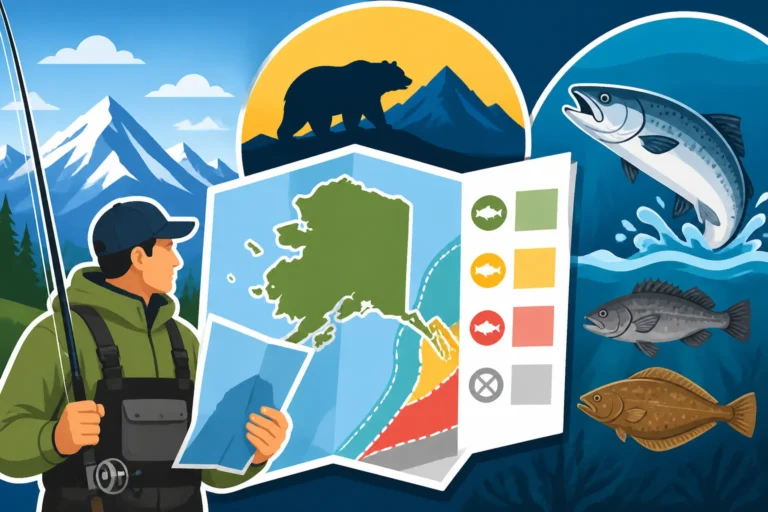
Imagine planning a trip to the Denali Highway region, famous for its numerous grayling streams and lakes. You might find that one lake has a liberal bag limit, while a stream just a few miles away might be entirely catch-and-release. This granular approach is critical for effective management but places the responsibility squarely on the angler to do their homework. This is why it's absolutely vital to consult the current Alaska Fishing Regulations Explained booklet – you can often find a digital copy online or pick up a physical one at tackle shops. Furthermore, the ADF&G frequently issues Alaska Fishing Emergency Orders Explained, especially during challenging seasons, which can instantly change bag limits, open or close fisheries, or alter gear restrictions. Always check these updates before heading out, as they supersede the printed regulations.
Essential Limits for Arctic Grayling Anglers
Understanding the specific limits for Arctic Grayling isn't just about avoiding a fine; it's about being a responsible steward of Alaska's precious fisheries. These limits are carefully calculated to ensure sustainable populations, balancing recreational opportunities with conservation needs.
Daily Bag and Possession Limits
The concepts of daily bag limits and possession limits are foundational to Alaska's fishing regulations. The daily bag limit refers to the maximum number of fish of a particular species you can keep in a single day. So, if the daily bag limit for Arctic Grayling is five fish, that's the most you can harvest from midnight to midnight. The possession limit, on the other hand, refers to the maximum number of fish you can have in your possession at any given time, whether it's in your cooler, at your campsite, or in your freezer back home. For grayling, the possession limit is often the same as the daily bag limit, but not always. Sometimes, especially in remote areas or during multi-day trips, the possession limit might be two or three times the daily limit, allowing you to accumulate fish over several days of fishing, provided you didn't exceed the daily limit on any single day. This distinction is crucial, particularly if you're on an extended trip or planning to process your catch.
For example, many popular grayling waters in the Interior, like those found along the Denali Highway or near Fairbanks, might have a daily bag limit of 5 grayling, only one of which can be over 12 inches. The possession limit would then typically match this. It's always best to be precise. If you're using a fishing app on your phone, double-check the details or consult the official ADF&G regulations.
Here's a simplified look at common Arctic Grayling limits you might encounter:
| Location Type | Daily Bag Limit (often combined w/ possession) | Size Restrictions | Common Gear Restrictions |
|---|---|---|---|
| General Statewide (default) | 5 grayling | None explicitly, but check local rules | None, but check local rules |
| Interior Lakes & Streams | 5 grayling | Often "1 over 12 inches," others under 12 inches | Artificial lures only, fly-fishing only |
| Arctic-Yukon-Kuskokwim | 10 grayling | Typically none, but check specific waterbody | None, but check local rules |
| Special Management Waters | Catch-and-release only | All grayling must be released | Artificial lures, single barbless hooks |
Note: This table is for illustrative purposes only. Always consult the most current official Alaska Fishing Regulations Explained for the specific waterbody you plan to fish.
Size Restrictions and Protected Slot Limits
Size restrictions for Arctic Grayling are a common conservation tool used by ADF&G. Because larger grayling are typically older and have had more opportunities to spawn, protecting them helps maintain a healthy breeding population. You'll frequently encounter regulations like "no more than one grayling over 12 inches may be retained" or "all grayling between 12 and 18 inches must be released." These are known as slot limits.
A protected slot limit means that fish within a specific size range must be released unharmed, while you can keep fish that are either smaller or larger than that slot (up to your daily bag limit). For example, a regulation might state a daily bag limit of 2 grayling, with a protected slot of 12-18 inches. This means if you catch a 15-inch grayling, you must release it. You could, however, keep two grayling that are under 12 inches, or perhaps one under 12 inches and one over 18 inches, depending on the exact wording. These regulations are particularly important in easily accessible areas or those with high fishing pressure, like some parts of the Glenn Highway or the Richardson Highway corridor, where consistent angler effort could quickly deplete the larger, more robust fish if not managed carefully. Always carry a measuring tape with you to ensure you're in compliance.
Gear and Bait Restrictions for Grayling
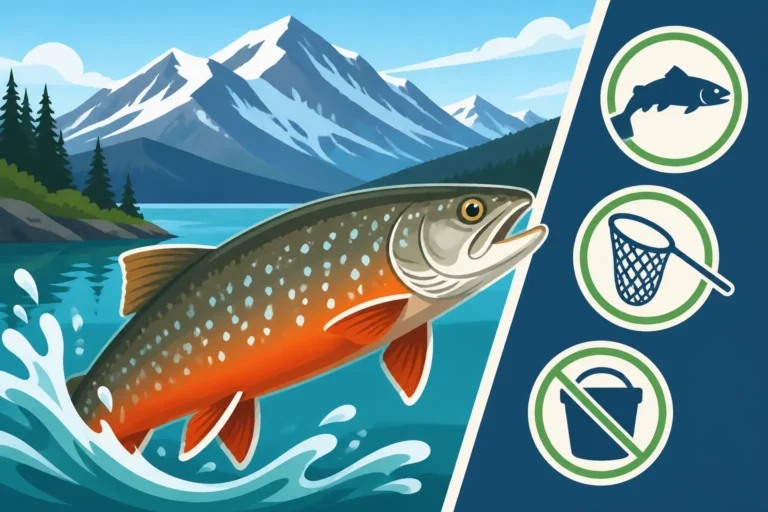
Beyond bag and size limits, fishing for Arctic Grayling often comes with specific restrictions on the type of gear and bait you can use. Many of the best grayling waters, particularly those prized for their pristine conditions and large fish, are designated as "artificial lures only" or even "fly-fishing only" areas. The reasoning behind these rules is simple: to minimize harm to fish, especially those that are caught and released. Bait, while effective, can lead to deeply hooked fish, significantly reducing their chances of survival after release.
You might also find rules specifying the use of Alaska Barbless Hook Requirements in certain areas. Barbless hooks make it much easier to remove a hook from a fish's mouth quickly and with minimal damage, which is crucial when practicing catch-and-release. For instance, many designated "quality waters" in the Interior, known for their abundant grayling and trout, will often require artificial lures and barbless hooks. Always check the "Methods and Means" section for the specific area you're fishing in the regulations booklet. If you're purchasing gear from a large retailer like Amazon or a local tackle shop, make sure your hooks meet these specific requirements. Bringing the wrong type of bait or a barbed hook into a restricted area isn't just a minor infraction; it's a serious violation that can result in fines and even confiscation of your gear. If you're unsure, default to artificial lures and barbless hooks – it's often the safest bet for grayling. For more on what's allowed, check out our guide on Alaska Bait Restrictions Explained.
Conservation and Responsible Fishing Practices for Arctic Grayling
Fishing in Alaska is a privilege, and with that privilege comes the responsibility to ensure that future generations can enjoy the same incredible experiences. This is especially true when targeting a species like the Arctic Grayling, which, while widespread, can be vulnerable to overfishing in specific, popular locations.
Catch-and-Release Best Practices
Many grayling fisheries, especially those with generous populations of larger fish, thrive because anglers practice thoughtful catch-and-release. When you're required to release grayling, or choose to do so, doing it correctly makes all the difference. The primary goal is to minimize stress and physical injury to the fish. Here are some key practices:
- Handle with care: Wet your hands before touching the fish. Dry hands can remove the grayling's protective slime coat, making it susceptible to disease.
- Minimize air exposure: Keep the fish in the water as much as possible. A grayling out of water is like you holding your breath – they can't breathe. Aim for quick photos, if any, with the fish still in or just above the water.
- Use appropriate tools: A pair of needle-nose pliers or a hemostat (you can find good ones on Amazon) is invaluable for quickly and cleanly removing hooks.
- Barbless hooks: As mentioned, these are a game-changer for catch-and-release. If your hook has a barb, simply crimp it down with pliers.
- Support the fish: If the fish needs a moment to recover before swimming off, hold it gently in the water, facing upstream, until it can swim strongly on its own.
Practicing these techniques not only benefits the fish but also enhances the quality of the fishery for everyone. It aligns with the spirit of Alaska Catch-and-Release Best Practices that anglers uphold across the state.
Reading and Interpreting the Regulations Booklet
The official Alaska Sport Fishing Regulations booklet is your Bible when fishing in Alaska. It contains all the detailed, legally binding rules for every region and many specific waterbodies. Many experienced anglers still get confused, so don't feel bad if it seems complex at first!
Here's how to approach it:
- Get the current edition: Regulations change annually. Ensure you have the latest version. You can usually download a PDF from the ADF&G website or pick up a physical copy at most sporting goods stores or license vendors.
- Understand the structure: The booklet is typically divided by region (Southcentral, Interior, Southeast, etc.). Find the section corresponding to where you plan to fish.
- Locate your waterbody: Within each regional section, look for specific rivers, lakes, or drainage areas. The rules for a named river will always supersede the general regional rules.
- Check for "Methods and Means": This section details gear restrictions, bait allowances, and any special hook requirements.
- Look for "Emergency Orders": Crucially, always check for current emergency orders. These are often posted online on the ADF&G website, social media, or through a dedicated hotline. They can change regulations overnight due to conservation concerns, weak runs, or other factors. For a deeper dive, our article on How to Read Alaska Fishing Regulations offers invaluable tips. It’s also wise to check the "Alaska Interior Fishing Regulations Summary" if you're targeting grayling in that vast region, as many of the best grayling spots are located there.
Planning Your Arctic Grayling Fishing Trip
A successful Arctic Grayling fishing trip to Alaska involves more than just knowing the regulations; it requires careful planning to maximize your chances of success and ensure you have all the necessary components in place.
Where to Find Arctic Grayling in Alaska
Arctic Grayling are true indicators of clean, cold water. They thrive in the clear, pristine streams and lakes of Interior and Arctic Alaska. While they aren't typically found in saltwater, you can find them in numerous freshwater systems across the central and northern parts of the state.
Some of the most popular and productive areas include:
- The Denali Highway Corridor: This gravel highway, open seasonally, offers access to countless small streams and lakes teeming with grayling. It's a classic road-system grayling destination.
- The Chena River: Near Fairbanks, the Chena River and its tributaries are excellent for grayling, often with special "artificial lures only" or "fly-fishing only" sections.
- Tangle Lakes: Located off the Denali Highway, this system of interconnected lakes and streams is renowned for its sizable grayling.
- Brooks Range and Remote Northern Rivers: For the adventurous, fly-in trips to remote rivers in the Arctic provide unparalleled opportunities for trophy grayling in stunning wilderness settings.
- Streams along the Steese Highway and Dalton Highway: These northern roads also offer numerous access points to grayling habitat.
If you're wondering about the specific fish themselves, our guide on Alaska Arctic Grayling: Facts and Fishing Tips can give you a deeper understanding of this incredible species. For a broader view of where to cast your line, be sure to explore our article on Best Fishing Spots in Alaska.
Necessary Licenses and Stamps
Before you even think about packing your tackle box, you absolutely need a valid Alaska fishing license. This is non-negotiable for anyone aged 16 or older, whether you're a resident or a non-resident. Licensing fees go directly toward funding conservation efforts, research, and management of Alaska's fisheries, so it's an investment in the future of the sport.
For Arctic Grayling, you generally won't need any additional stamps beyond your base fishing license. Unlike King Salmon, which sometimes require a separate Alaska King Salmon Stamp Requirements, grayling fisheries typically don't have such endorsements. However, always double-check this when you purchase your license, as regulations can change. You can easily purchase your Alaska Fishing License: Complete Guide online through the ADF&G website or from authorized vendors, including many sporting goods stores and grocery stores across the state. For non-residents, understanding the different options like a 1-day, 3-day, 7-day, or annual license can save you money, so check out our detailed guide on the Alaska Non-Resident Fishing License Guide.
Make sure your license is easily accessible while you're fishing. Many anglers keep a digital copy on their phone, but it's wise to have a printed copy as a backup, especially in remote areas where cell service is non-existent. Having all your documentation in order is the first step to a hassle-free and enjoyable grayling adventure in Alaska.
Disclaimer
Please note that fishing regulations in Alaska are subject to change without notice due to emergency orders and annual updates from the Alaska Department of Fish and Game (ADF&G). While this guide provides comprehensive information, it is essential to consult the most current official ADF&G regulations booklet and check for any emergency orders for the specific area you plan to fish before heading out. Failure to comply with regulations can result in significant fines and penalties.