How to Choose an Alaska Fishing Lodge
Trying to pick the perfect Alaska fishing lodge can feel like searching for a needle in a haystack, especially when you're dreaming of that once-in-a-lifetime trip. With countless options ranging from luxurious fly-in destinations to cozy riverside cabins, it’s easy to get overwhelmed and worried you might make the wrong choice. This comprehensive guide will help you cut through the noise, understand the different types of lodges, and equip you with the knowledge to select the perfect Alaskan fishing adventure tailored just for you.
Understanding Your Alaska Fishing Lodge Preferences
Before you even start looking at brochures or websites, the most crucial step is to sit down and honestly assess what you want out of your Alaskan fishing trip. This isn't just about catching fish; it's about the entire experience, from the moment you wake up to the evening campfire stories. Getting clear on these preferences will drastically narrow down your options and help you find a lodge that truly fits your vision.
Defining Your Fishing Goals
What kind of angler are you, and what are you hoping to achieve on the water? Alaska offers such an incredible diversity of fishing experiences that your targets should really guide your lodge choice. Are you a hardcore trophy hunter, dreaming of battling a massive King Salmon or wrestling a "barn door" Halibut? Or perhaps you're a fly-fishing purist, yearning for the solitude of a remote stream where you can cast dry flies for wild Rainbow Trout or sleek Arctic Grayling. Maybe you're a family looking for a fun, accessible trip where everyone can catch a plentiful Sockeye Salmon.
Each of these goals points to a different type of lodge and location. For instance, if your heart is set on King Salmon, you'll want to focus on lodges on rivers like the Kenai, Kasilof, or Nushagak during their respective runs. If deep-sea Halibut is the prize, coastal towns like Homer, Seward, or Sitka will be your prime hunting grounds, and you'll need a lodge that partners with reliable saltwater charters. Don't forget to think about your skill level too. Some lodges cater to absolute beginners, while others might be geared towards seasoned anglers looking for a challenging, unguided experience. Knowing what you want to catch and how you want to catch it is the first, most important filter. A great starting point is understanding the Alaska Fishing Seasons: Month-by-Month Guide to align your trip with peak runs for your target species.
Budget Considerations
Let's be realistic: an Alaska fishing trip can be a significant investment, and lodges vary widely in price. From rustic, no-frills camps that offer basic lodging and access to fishing, to ultra-luxury, all-inclusive resorts with gourmet chefs, private guides, and floatplane transfers, there's a huge spectrum. Before you get too excited about a specific lodge, establish a comfortable budget range. What are you willing to spend per person for the entire package, including flights, lodging, guiding, food, and fish processing?
When comparing costs, always look closely at what's included and what's extra. Some lodges might seem cheaper upfront but then tack on costs for gear, flies, meals, non-alcoholic beverages, and fish processing. Others are truly "all-inclusive," covering almost everything except your travel to Alaska, fishing licenses, and guide tips. Remember, a more remote fly-in lodge will almost always be more expensive due to the logistics of getting supplies and guests in and out. Consider if your budget allows for a truly remote experience or if a lodge on the road system makes more financial sense. You might find our guide on Alaska Fishing Charter Cost Explained useful for breaking down typical expenses.
Group Size and Composition
Are you planning a solo adventure to find some peace and quiet, a romantic getaway for two, a lively trip with a group of friends, or a family vacation with kids? The size and composition of your group will heavily influence the best lodge choice. Some lodges are intimate, with only a few cabins and a focus on personalized service, which might be perfect for couples or small groups. Others are larger operations, capable of hosting bigger parties and offering a wider range of activities beyond just fishing, which could be ideal for families.
If you're traveling with children, look for lodges that specifically cater to families, perhaps offering shorter fishing excursions, non-fishing activities, or kid-friendly menus. If it's a corporate retreat or a large group of buddies, you might need a lodge that can accommodate everyone together and offer multiple guides for different fishing preferences. Shared accommodations can sometimes be more budget-friendly, while private cabins or suites offer more privacy. Think about the dynamics of your group and what kind of environment would make everyone most comfortable and happy.
Types of Alaska Fishing Lodges
Alaska's vast landscape and diverse fisheries mean there's a fishing lodge for almost every taste and budget. Understanding the distinct characteristics of each type can help you zero in on the experience that best suits your desires. It's not just about where you sleep, but the entire logistical and atmospheric package that comes with it.
Wilderness Fly-Out Lodges
For many, the quintessential Alaska fishing dream involves a wilderness fly-out lodge. These are typically located in truly remote areas, often inaccessible by road, requiring a floatplane or small bush plane to reach. Think of lodges nestled deep in the Bristol Bay region, on the banks of pristine rivers like the Nushagak, Naknek, or Alagnak, or tucked away in the vastness of the Interior.
The allure of these lodges lies in their exclusivity and unparalleled access to untouched fisheries. You’ll often be the only group on a given stretch of river, fishing for truly wild salmon and trout without seeing another soul. Days usually involve fly-outs to different rivers or lakes each morning, maximizing your fishing opportunities across various pristine waters. The experience is often all-inclusive, encompassing bush plane transfers, lodging, gourmet meals, experienced guides, and sometimes even gear. However, this remoteness and exclusivity come at a premium price. You'll likely pay more, but for many, the solitude, breathtaking scenery, and incredible fishing pressure-free fishing are well worth the investment. Our Alaska Fly-In Fishing Lodges Guide provides a deeper dive into these unique operations.
Road System Lodges and Resorts
If the idea of flying into the bush feels a bit too daunting or expensive, or if you prefer the convenience of being able to drive to your destination, road system lodges are a fantastic option. These lodges are found along Alaska's accessible road network, primarily on the Kenai Peninsula (around towns like Soldotna, Cooper Landing, and Sterling) and near major cities like Anchorage or Fairbanks. They offer a blend of accessibility and excellent fishing, often on world-famous rivers.
Lodges on the Kenai River, for example, allow guests easy access to prolific Sockeye, Coho, and King Salmon runs, as well as superb Rainbow Trout fishing. They might offer a more resort-like feel, with amenities like full-service restaurants, gift shops, and a variety of lodging styles from cabins to motel rooms. While you might encounter more anglers on the water compared to a remote fly-out, the fishing can still be phenomenal, and the cost is generally more approachable. These lodges often provide guided river trips in drift boats or powerboats, and some also arrange day trips for saltwater fishing out of nearby coastal towns like Homer or Seward. This type of lodge is great for those who want a memorable fishing experience without venturing too far off the beaten path, offering a comfortable base from which to explore the surrounding areas.
Saltwater Lodges and Remote Outposts
For anglers whose primary target is the ocean's bounty—think massive Halibut, hard-fighting Lingcod, tasty Rockfish, and aggressive ocean-run King and Silver Salmon—a saltwater lodge is the way to go. These operations are typically located in coastal communities or on remote islands along Alaska’s extensive coastline, from Southeast Alaska (Ketchikan, Sitka, Juneau) to Prince William Sound (Seward, Valdez, Whittier) and the Kenai Peninsula (Homer).
Saltwater lodges specialize in daily boat charters that head out into the ocean. The boats are typically larger, designed for comfortable ocean fishing, and equipped with all the necessary gear for bottom fishing, jigging, or trolling. Many lodges will have their own fleet of charter boats and experienced captains. Accommodation can range from charming waterfront cabins to more upscale hotel-style rooms. The focus is squarely on the daily ocean excursions, often returning to the lodge for fresh seafood dinners and fish processing facilities. If you dream of landing a colossal Halibut or filling your cooler with a variety of delicious ocean fish, these lodges provide the perfect base. They often offer combo trips where you can target both salmon and halibut in the same day, maximizing your saltwater adventure. Our comprehensive Alaska Halibut Charter Regulations Explained guide is a must-read if you're eyeing this specific type of fishing.
Key Factors to Evaluate When Choosing
Once you have a general idea of your preferences and the type of lodge you're leaning towards, it’s time to get into the nitty-gritty details. Not all lodges are created equal, and understanding what separates a good lodge from a truly great one will be essential in making your final decision. This is where diligent research and asking the right questions really pay off.
Guide Expertise and Staff
Your fishing guides will be the most critical component of your daily experience. A great guide can turn a slow day into a memorable one, teaching you new techniques, sharing local knowledge, and ensuring your safety. A less experienced or less enthusiastic guide can dampen even the best fishing conditions. When choosing a lodge, inquire about the experience level of their guides. How long have they been guiding in Alaska, and specifically in that particular area or river system? Are they passionate about teaching, or are they more focused on simply putting you on fish?
A good lodge will employ a team of seasoned, licensed professionals who are not only expert anglers but also excellent communicators and safety-conscious individuals. Some lodges rotate guides, while others assign you a dedicated guide for your entire stay. Also, consider the overall staff. Are they friendly, attentive, and helpful? From the lodge manager to the kitchen staff, everyone plays a role in your overall experience. Read reviews carefully, as comments about guides and staff often reveal the true character of a lodge. Websites like FishingBooker often include reviews that specifically mention guide performance, which can be incredibly insightful.
Accommodations and Amenities
While the primary reason for your trip is fishing, where you rest and relax after a long day on the water profoundly impacts your overall enjoyment. Lodge accommodations can range from rustic, shared bunkhouses to private, luxury cabins with all the comforts of home. Think about what level of comfort you desire. Do you need a private bathroom? Is a comfortable bed and a warm shower sufficient, or do you expect high-end furnishings, daily housekeeping, and perhaps a hot tub or sauna?
Beyond the rooms themselves, consider the general amenities. Is there a comfortable common area for socializing? Do they have Wi-Fi (and do you even want it on a wilderness trip)? What about laundry facilities? Some lodges offer additional perks like gear drying rooms, on-site tackle shops, or even massage services. If you have specific dietary needs or preferences, inquire about the kitchen and meal service. Will they accommodate allergies or provide options for picky eaters? These details, while seemingly small, contribute significantly to your comfort and satisfaction throughout your stay.
Inclusions, Exclusions, and Logistics
This is where many anglers get tripped up and face unexpected costs. Always get a detailed breakdown of what is and isn't included in the lodge package. Common inclusions typically cover lodging, meals, daily guided fishing, and sometimes local transfers. However, what's often not included can add up quickly.
Common Exclusions to Watch For:
- Flights: Airfare to Alaska and sometimes even regional flights to the lodge's nearest airstrip.
- Fishing Licenses and Stamps: You'll almost always need to purchase your own Alaska Fishing License: Complete Guide and potentially special stamps, like a King Salmon Stamp.
- Gear and Tackle: While some lodges provide rods, reels, and basic tackle, others expect you to bring your own or charge a rental fee. Be sure to clarify if you need to consult an Alaska Fishing Gear and Tackle Guide.
- Alcoholic Beverages: Most lodges operate on a "bring your own" policy or have an honor bar.
- Gratuities: Tipping your guides and lodge staff is customary and expected. Factor this into your budget.
- Fish Processing and Shipping: While lodges often have facilities for filleting and freezing your catch, the cost of vacuum-sealing, boxing, and shipping your fish home is usually separate.
- Emergency Orders/Fuel Surcharges: Occasionally, lodges may need to adjust fishing plans due to emergency fishery closures or impose fuel surcharges if gas prices spike dramatically.
Understanding these details upfront will prevent unpleasant surprises. Don't hesitate to ask for a written list of everything included. It's important to also clarify what happens if bad weather prevents fishing or flying. Do they offer alternative activities, or is there a partial refund policy? The more clarity you have on logistics, the smoother your trip planning will be.
Reputation and Reviews
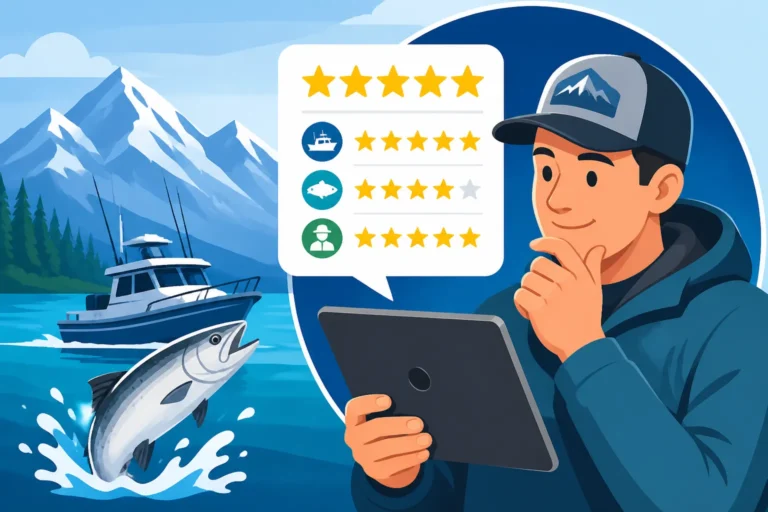
In today's connected world, a lodge's reputation is openly available, and it's something you absolutely must investigate. Start by looking at their online presence: their website, social media, and third-party review sites. Pay attention to consistent themes in positive and negative reviews. Do people rave about the guides but complain about the food? Or is the fishing incredible but the accommodations outdated?
Look beyond just the star rating. Read actual comments and stories. How does the lodge respond to negative feedback? A professional and empathetic response can speak volumes about their commitment to guest satisfaction. Seek out photos and videos from recent guests – sometimes these offer a more realistic view than professionally shot marketing materials. Ask for references from past clients, especially if you're considering a higher-end or less-known operation. Platforms like FishingBooker are excellent resources for checking verified reviews from past guests, giving you an unbiased perspective on their experiences. This due diligence will help you gauge the overall quality and reliability of the lodge.
Booking Your Dream Alaska Fishing Lodge
You've done your research, you know what you're looking for, and now it's time to secure your spot. Booking an Alaska fishing lodge isn't like booking a hotel room; there are specific considerations to keep in mind to ensure you get the trip you've been dreaming of.
When to Book
Alaska's fishing season, particularly for prime salmon runs and halibut, is relatively short, typically running from May through September. The most popular times, such as the peak King Salmon runs in June or the Sockeye runs in July, book up incredibly fast. Many of the best lodges and guides are booked a year or more in advance, especially for desirable dates.
General Booking Timeline:
- 12-18 Months Out: Ideal for securing spots at top-tier, exclusive fly-out lodges or during peak season for specific species. This is especially true if you have a large group or specific dates in mind.
- 6-12 Months Out: Still a good window for many road-system lodges and saltwater charters, giving you a decent selection of dates and guides.
- Under 6 Months Out: You might still find openings, especially for shoulder seasons (late May, early September) or if you're flexible with your dates. However, your choices will be more limited, and you might have to compromise on your first-choice lodge or specific fishing goals.
The bottom line: don't procrastinate! The sooner you can commit, the better your chances of securing your ideal Alaska fishing lodge experience. Consider reading our guide on the Best Time to Book an Alaska Fishing Trip for more detailed planning advice.
Essential Questions to Ask
Before you put down that deposit, arm yourself with a list of specific questions to ask the lodge representative. This ensures clarity and helps manage expectations.
Here's a table of essential questions to guide your conversation:
| Category | Key Questions to Ask |
|---|---|
| Fishing | What species will we target during our specific dates? What fishing techniques are primarily used? What is your typical daily fishing schedule? What happens if fishing is slow or regulations change (emergency orders)? Do you provide all gear? |
| Guides | How experienced are your guides in this specific area? Will we have a dedicated guide, or will they rotate? What is the guide-to-client ratio? |
| Logistics | What is included in the package price (lodging, meals, guided trips, transfers)? What is NOT included (licenses, tips, alcohol, fish processing/shipping, gear rental)? What is your cancellation/refund policy? |
| Accommodations | What type of lodging will we have (private cabin, shared room)? What amenities are in the rooms/cabins (private bath, Wi-Fi)? Are there communal areas? What are the meal arrangements? Can you accommodate dietary restrictions? |
| References | Can you provide recent references from past guests? |
Asking these questions directly will give you a clear understanding of what to expect and help you compare different lodges effectively. Don't be shy; reputable lodges welcome these inquiries as it helps them ensure a good fit for their guests. Websites like FishingBooker are a great way to start gathering information on various lodges and their offerings before you even pick up the phone.
Disclaimer
Please note that fishing regulations, seasons, and conditions in Alaska can change rapidly due to emergency orders by the Alaska Department of Fish and Game. Always verify current regulations and forecasts directly with the lodge and the ADF&G website before and during your trip. This guide is for informational purposes only and does not constitute professional advice.