How to Ship Your Catch Home from Alaska
There's nothing quite like the thrill of reeling in a magnificent King Salmon or wrestling a "barn door" Halibut in Alaska. You’ve worked hard for your catch, the adrenaline is pumping, and the cooler is full – but then the reality sets in: how on earth do you get this prized Alaskan bounty home? The thought of navigating airline rules, specialized shipping, and keeping your fish fresh can quickly turn that triumphant feeling into a logistical headache. This comprehensive guide is here to walk you through every step of shipping your precious catch home from Alaska, ensuring it arrives just as perfectly as it left the Last Frontier.
The Initial Steps After the Catch: From Boat to Processor
The journey of your fish from the cold Alaskan waters to your dinner plate starts long before it ever sees a shipping label. The care you give it immediately after the catch, and the processor you choose, are absolutely critical for maintaining its quality.
Field Dressing and Initial Care on the Boat
This is where the magic (or tragedy) begins. The moment that beautiful fish hits the deck, its fate, in terms of quality, is largely in your hands. Many seasoned anglers will tell you that the first few minutes are the most important for preserving taste and texture.
First and foremost, you need to bleed your fish immediately. This sounds a bit gruesome, but it's essential. When a fish dies, lactic acid builds up in its muscles, and its blood can permeate the flesh, leading to a "fishy" taste and softer texture. By cutting the gills or severing the caudal artery (the artery along the underside of the tail, just before the tail fin), you allow the heart to pump most of the blood out of the fish. You'll see a noticeable difference in the meat; it will be whiter and firmer. After bleeding, if possible, you should gut the fish. This removes organs that can spoil quickly and contaminate the flesh. Some charters handle this for you, but it’s always good to be prepared or at least aware of the process.
Once bled and gutted, the fish needs to be chilled down as quickly as possible. This means getting it on ice, preferably in a slurry of ice and saltwater, which pulls heat from the fish more efficiently than just ice alone. Never let your fish sit in the sun or on a warm deck. The colder you keep it, the slower bacterial growth will be, and the better your fish will taste when it reaches your kitchen. For those serious about their catch, carrying a good, sturdy cooler packed with ice on the charter is a non-negotiable step. Understanding these initial steps is key to ensuring that your hard-won fillets are delicious, not just edible.
Choosing a Reputable Fish Processor
After a long day on the water, you're exhausted, maybe a little wet, and probably dreaming of that comfortable lodge bed. The last thing you want to do is worry about filleting dozens of pounds of fish. That's where a good fish processor comes in. Alaska is dotted with excellent processors, especially in major fishing hubs like Homer, Seward, Sitka, and Juneau. But not all processors are created equal, and choosing the right one can make all the difference in how your fish arrives home.
When you're looking for a processor, don't be afraid to ask questions. How quickly do they process fish? What are their freezing methods (flash freezing is ideal)? Do they vacuum seal? What are their packaging and shipping options? A reputable processor will be transparent about their procedures and costs. Many fishing charters, especially those found through platforms like FishingBooker, will often have established relationships with local processors and can recommend reliable options or even handle the drop-off for you, which is a huge convenience. They understand that getting your catch processed efficiently is part of the overall fishing experience.
You'll generally drop off your fish, discuss your preferred cuts (fillets, steaks, portions), and then they'll take it from there. Most processors aim for a quick turnaround, often processing your fish within 24-48 hours, especially during peak season. They'll then flash freeze your fish to preserve its quality, vacuum seal it to prevent freezer burn, and prepare it for shipment. This professional handling ensures that the quality you worked so hard to preserve on the boat continues all the way to your final destination.
Understanding Processing Options: Fillets, Steaks, Portions
When you drop your fish off at the processor, you'll have some decisions to make about how you want it cut. This isn't just about personal preference; it also affects how efficiently your fish packs and ships.
- Fillets: This is arguably the most popular option. The fish is deboned and cut into skin-on or skin-off fillets. For larger fish like King Salmon or Halibut, these can be quite substantial. Fillets are versatile for cooking and relatively easy to pack, though large ones can be awkward in smaller boxes. You might want to specify if you prefer skin-on (which offers more protection during freezing and cooking) or skin-off.
- Steaks: Often preferred for larger, thicker fish like Halibut, steaks are cross-sections of the fish, usually cut about 1-2 inches thick, leaving the bone in the center. These are fantastic for grilling or broiling. Steaks take up more space per pound than fillets but can be more convenient for some cooking methods.
- Portions: This is often the most practical choice for shipping, especially if you have a lot of fish. The processor will take your fillets or steaks and cut them down into individual meal-sized portions, typically 6-10 ounces each. These smaller, uniform pieces vacuum-seal beautifully and pack like a dream into shipping boxes, maximizing space and making it incredibly easy for you to thaw just what you need for a meal without waste. For species like Sockeye Salmon, smaller fillets might just be portioned without further cutting.
Most processors will vacuum seal your chosen cuts. This step is critical because it removes air, preventing freezer burn and extending the shelf life of your frozen fish. They'll usually label each package with the species and weight, which is incredibly helpful when you're rummaging through your freezer back home. Be sure to discuss these options with your chosen processor and factor in how you typically cook fish and the size of your household.
Navigating the Shipping Logistics: Your Options for Getting Fish Home
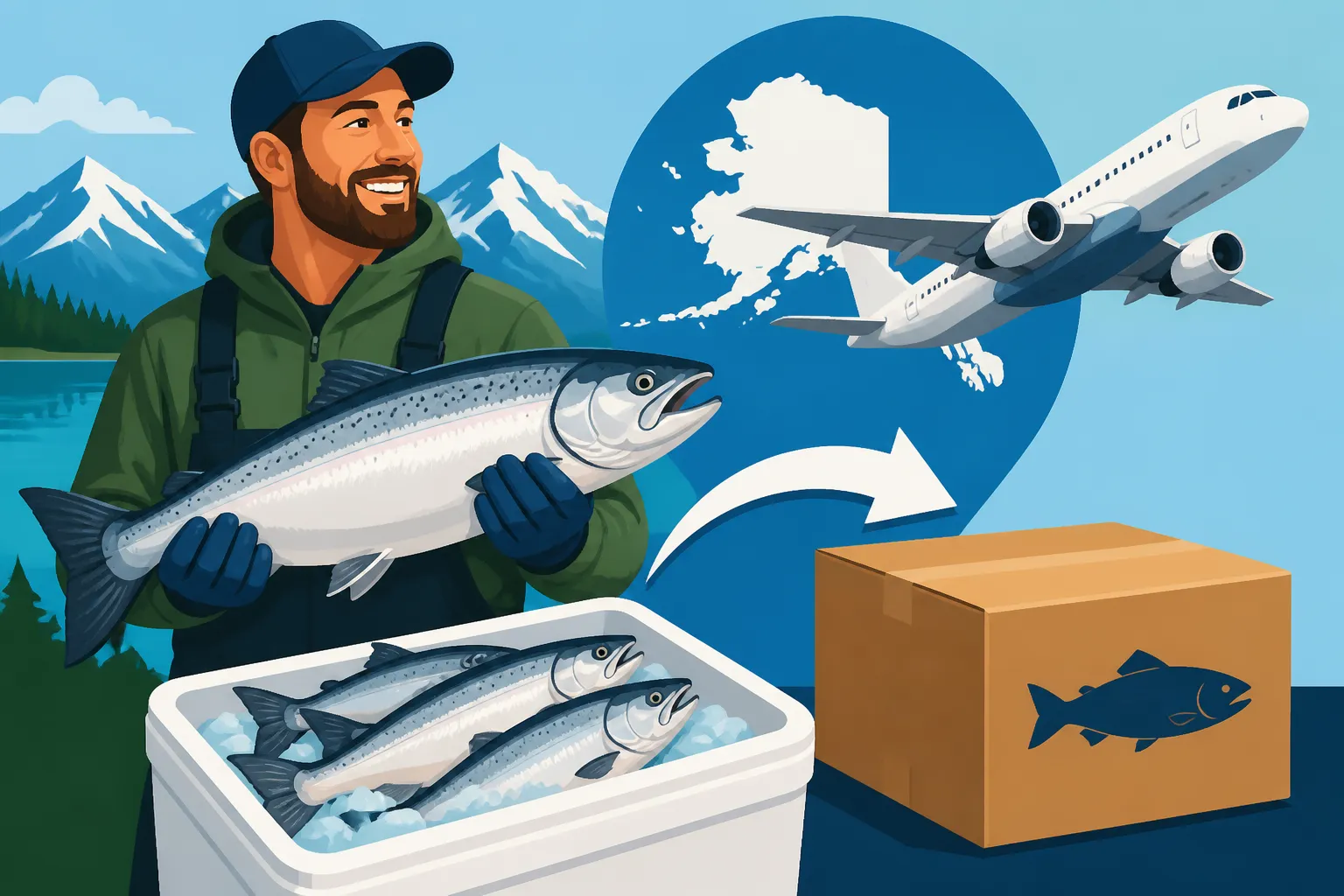
Once your fish is professionally processed and frozen solid, the next hurdle is getting it from Alaska to your home. You have a few primary options, each with its own set of advantages, disadvantages, and cost implications.
Shipping via Air Cargo
For many anglers, especially those flying out of remote areas or with a substantial catch, air cargo is the go-to method. Major airlines like Alaska Airlines Cargo and Ravn Alaska Cargo offer dedicated cargo services.
How it works: You drop your frozen, properly packed fish at the airline's cargo facility, usually at the airport. They treat it like freight. It flies on passenger planes (in the cargo hold) or dedicated cargo flights. You provide the recipient's name and contact information, and they pick it up at their destination airport's cargo facility.
Pros:
- Speed: Air cargo is usually the fastest way to get your fish home, often arriving within 24-48 hours, especially to major hubs.
- Capacity: You can ship large quantities of fish, often exceeding the limits for checked baggage.
- Reliability: Cargo services are experienced in handling perishables.
Cons:
- Cost: This can be the most expensive option, with rates based on weight, dimensions, and destination. Expect prices to be a significant portion of your overall trip cost, especially for smaller amounts of fish.
- Logistics: You or your recipient need to pick up the fish at the cargo facility, which might be separate from the passenger terminal and have specific operating hours. This requires coordination.
- Temperature Control: While the cargo hold is generally cool, extreme delays or tarmac time in hot climates can sometimes be a concern.
When considering air cargo, it's vital to research specific airline requirements for shipping perishables. They'll have guidelines on packaging (usually sturdy insulated boxes) and weight limits per box. Always confirm the pickup procedures at your destination airport. Sometimes, for locations not directly served by air cargo, you might combine air cargo to a hub with a courier service for the final leg.
Shipping via Courier Services
Companies like FedEx and UPS also offer excellent options for shipping perishable goods, including frozen fish. This can be a more convenient door-to-door solution, especially for those who don't want the hassle of airport pickup.
How it works: You can typically drop off your properly packed and frozen fish at a FedEx or UPS shipping center, or even arrange for a pickup (though pickup for perishables can have specific rules). You'll select an expedited service, usually Overnight or 2-Day Air, to ensure the fish stays frozen.
Pros:
- Convenience: Door-to-door delivery eliminates the need for airport pickup.
- Tracking: Robust tracking systems allow you to monitor your shipment's progress.
- Accessibility: Many drop-off points are available beyond airports.
Cons:
- Cost: Similar to air cargo, expedited courier services can be expensive, particularly for heavy or bulky shipments.
- Packaging Standards: FedEx and UPS have strict guidelines for shipping perishables, often requiring specific cooler types and packing materials. Using dry ice requires special labeling and adherence to regulations.
- Time-in-Transit: While expedited, it's still usually 1-2 days, and any unforeseen delays can impact the frozen state of your fish, particularly if you're shipping to a warmer climate.
Before choosing a courier, visit their websites or call customer service to understand their specific "perishable" shipping policies. This includes acceptable packaging, dry ice limits, and labeling requirements. Mislabeling or improper packing can lead to delays or rejection of your shipment. Remember, for a successful shipment, your fish must be frozen solid before you hand it over.
Checking Your Catch as Baggage
For many vacationing anglers, especially those without an enormous haul, checking their fish as baggage is often the most cost-effective and straightforward method.
How it works: Your professionally processed, frozen, and packaged fish is treated as a piece of checked luggage. You check it at the airline counter when you check your other bags.
Pros:
- Cost-Effective: Often cheaper than dedicated cargo or courier services, especially if it counts as one of your allowed checked bags. Even with oversized or overweight fees, it can still be less expensive.
- Simplicity: No separate drop-off or pickup at cargo facilities; it travels with you.
Cons:
- Weight Limits: Airlines have strict weight limits (typically 50 lbs per bag for economy, sometimes 70 lbs for business/first class or elite status). Exceeding these incurs hefty overweight fees.
- Bag Limits: Your fish box counts towards your total number of checked bags, potentially limiting other luggage.
- Size Restrictions: While most fish boxes fit, excessively large ones might be considered oversized and incur additional fees.
- Potential for Delay: If your luggage is delayed, your fish is delayed, which can lead to thawing if the delay is significant.
- Temperature Control: The cargo hold of a passenger plane is generally cold, but not freezing. Your fish needs to be frozen solid and well-insulated to withstand potential delays or time on hot tarmacs.
Key Requirements for Checked Fish:
- Frozen Solid: This is non-negotiable. If it's not frozen solid, the airline might refuse it.
- Sturdy, Leak-Proof Container: A high-quality insulated fish box or cooler is essential. It must be leak-proof, and many airlines specifically forbid Styrofoam coolers as standalone containers due to their fragility. Hard-sided coolers or sturdy wax-coated boxes are generally preferred.
- No Melted Ice: Any ice must be gel packs or dry ice. Regular ice will melt and leak, causing problems for other luggage and the airline. If using dry ice, you must declare it, as there are specific regulations (usually weight limits and proper ventilation).
Always check your specific airline's baggage policy for perishables and frozen fish before you fly. This information can usually be found on their website. For example, some airlines like Alaska Airlines are very experienced with fish transport, given the volume from the state, and have clear guidelines. This often proves to be the easiest option for getting a portion of your delicious catch home without breaking the bank.
Packaging Your Prized Catch for the Journey
Proper packaging is the unsung hero of successful fish transportation. All the careful bleeding, gutting, chilling, and professional processing can be undone if your fish isn't packed correctly for its journey. The goal is simple: keep it frozen solid until it reaches its destination.
The Importance of Proper Insulated Packaging
Think of your fish package as a tiny, personal freezer vault. Its mission is to withstand temperature fluctuations, jostling, and the sheer passage of time without compromising the quality of your catch. This starts with excellent insulation.
- Hard-Sided Coolers: These are often the best choice for checked baggage or if you plan to reuse them. Brands like Yeti, RTIC, or even robust Igloo coolers offer superior insulation and durability. They can be expensive, but they protect your fish incredibly well. Just be mindful of their empty weight, as this contributes to your total baggage weight.
- Wax-Coated Fish Boxes: These sturdy, insulated cardboard boxes are commonly used by Alaskan fish processors. They consist of a cardboard exterior with a wax coating and often a dense Styrofoam liner. They are designed for one-time use, are relatively lightweight, and meet most airline and shipping company requirements for perishables.
- High-Density Styrofoam Coolers: While some airlines or couriers may accept these when adequately reinforced and placed inside a sturdy cardboard box, they are generally too fragile on their own. If a processor uses one, ensure it's taped securely and potentially reinforced.
Regardless of the type, the key is sufficient insulation. The thicker the walls of your cooler or box, the better it will maintain temperature. Ensure the lid fits snugly and is sealed properly with heavy-duty packing tape. The goal is to create a barrier against ambient heat.
Freezing and Ice Packs: Keeping It Cold
A cold box is only as good as what's inside it keeping things cold. Your fish must be frozen solid – rock hard – when it goes into the package.
- Freezing: Professional processors will flash freeze your fish to an ultra-low temperature, which is ideal. If you're packing your own fish (perhaps from a personal use fishery), ensure it's been in a deep freezer for at least 24-48 hours.
- Dry Ice: This is the king of cold. Dry ice (solid carbon dioxide) is much colder than water ice (-109.3°F or -78.5°C) and sublimates (turns directly into gas) rather than melts, so no messy water. It's fantastic for keeping things frozen for extended periods. However, it's a hazardous material and requires specific handling:
- Ventilation: It releases CO2 gas, so your container must be vented (not airtight) to prevent pressure buildup. Processors use boxes designed for this.
- Handling: Always wear gloves when handling dry ice to prevent frostbite.
- Quantity: Airlines and couriers have strict limits on the amount of dry ice allowed (often 5.5 lbs or 2.5 kg per package for passenger flights). It also needs to be clearly labeled.
- Gel Packs: These non-toxic, reusable ice packs are another excellent option, especially for checked baggage where dry ice might be too much hassle or restricted. They stay frozen longer than regular ice and don't create liquid water. Freeze them solid before packing.
- Layering: Pack your frozen fish tightly within the insulated container. Minimize air pockets, which can act as insulators and allow heat transfer. Place gel packs or dry ice on top and bottom of the fish, or interspersed if possible.
- Newspaper/Bubble Wrap: Some people add crumpled newspaper or bubble wrap to fill any remaining voids in the box, providing a bit of extra insulation and preventing the contents from shifting.
Most Alaskan processors are experts at packing fish for travel and will use appropriate materials. Trust their judgment, but also feel free to ask questions about their methods.
Labeling and Documentation
Clear and accurate labeling is crucial for ensuring your fish reaches its destination without a hitch. It's not just about the address; it's about communicating important information to handlers.
- Contact Information: This seems obvious, but double-check that your full name, destination address, and a reliable phone number are clearly printed on the outside of the box. Include both your contact information and the recipient's if different.
- "Perishable" or "Frozen Seafood" Labels: These labels alert handlers to the time-sensitive nature of the contents, encouraging careful and prompt handling. Most processors will affix these.
- Dry Ice Labels: If you're using dry ice, a UN1845 label (indicating dry ice) and the net weight of the dry ice must be clearly visible. This is a federal regulation. Your processor will handle this, but it's good to be aware.
- Harvest Record Card: While not for shipping, if you caught King Salmon or other species requiring recording on your Alaska Harvest Record Card, make sure that's filled out correctly before you leave the state. You can learn more about the Alaska Harvest Record Card Explained to ensure compliance.
There are generally no special permits needed for personal sport-caught fish being shipped within the United States. However, if you are shipping internationally, the rules become significantly more complex, involving customs declarations, health certificates, and potential import duties, so be sure to investigate those requirements well in advance. For the vast majority of anglers heading back to the lower 48, clear labeling and proper dry ice declaration are the main points.
Cost Considerations and Planning Ahead
Getting your Alaskan catch home is part of the overall adventure, but it's important to be realistic about the costs involved. Many first-timers are surprised by the expense, so budgeting for it in advance is key.
Breaking Down the Costs: Processing, Packaging, and Shipping
The total cost to get your fish home isn't just one number; it's a combination of several factors. Let's look at the typical breakdown:
- Processing Fees: Processors usually charge by the pound (pre-processed weight) for filleting, vacuum sealing, and freezing. Prices can range from $1.50 to $3.00 per pound, sometimes more for specialty cuts or smaller operations.
- Packaging Materials: This includes the insulated box, dry ice, and gel packs. Many processors include a basic box in their per-pound fee, but upgraded coolers or extra dry ice will add to the cost. A standard wax-coated fish box might be $20-$40 on its own.
- Shipping Costs: This is often the largest variable.
- Air Cargo: Highly variable by weight, destination, and airline. Expect anywhere from $2.00 to $5.00+ per pound. A 50-pound box could easily cost $100-$250 or more.
- Courier Services (FedEx/UPS): Again, depends heavily on speed, weight, dimensions, and distance. Overnight delivery for a 50-pound box could range from $150 to $400+.
- Checked Baggage: This is often the most economical. If your box is within standard weight (e.g., 50 lbs) and bag limits, it might just be the cost of a standard checked bag ($30-$50 per bag). If it's overweight (e.g., 51-70 lbs), an overweight fee could be $100-$200. Oversized fees can also apply.
To give you a clearer picture, here's a hypothetical cost comparison for shipping a 50-pound box of processed salmon from Anchorage, AK to Chicago, IL:
| Service Type | Processing (per lb) | Packaging (box/dry ice) | Shipping Cost (50 lb) | Estimated Total Cost | Notes |
|---|---|---|---|---|---|
| Checked Baggage | $2.00 | $25 | $50 (standard bag fee) | $175 | Assumes within weight limits; often best value. |
| Air Cargo | $2.00 | $35 | $150 ($3/lb) | $285 | Faster, reliable, airport pickup required. |
| FedEx 2-Day Air | $2.00 | $40 | $250 ($5/lb) | $390 | Door-to-door, but higher cost. |
Prices are estimates and can vary significantly based on location, season, specific processor, and current fuel surcharges.
You can see how quickly the costs add up. For example, a 50-pound catch, processed, packaged, and shipped via air cargo, might cost you well over $250-300 on top of your fishing trip expenses. If you catch 100 pounds, double that! It's a significant investment, but for many, the joy of enjoying Alaskan wild-caught fish throughout the year is priceless.
Planning Your Trip with Shipping in Mind
Don't let shipping be an afterthought. Integrating it into your trip planning can save you stress, time, and money.
- Budgeting: Allocate a specific portion of your trip budget for fish processing and shipping. If you're wondering, "How Much Is an Alaska Fishing Charter," remember to factor in this additional cost beyond the charter itself.
- Research Processors: Before you even arrive, identify reputable fish processors in the area you'll be fishing. For example, if you're fishing out of Seward, look up Seward-based processors. If your charter operator doesn't recommend one, ask around. Confirm their hours, services, and current pricing.
- Understand Your Charter's Policy: Many fishing charters will assist with fish handling post-trip. Ask them about their practices. Do they fillet on board? Do they transport to a local processor? Knowing what's included and what's extra can help you plan. You can ask "How Charters Handle Your Alaska Catch" when you book, or consult resources like "What to Expect on an Alaska Fishing Charter."
- Flight Schedules: If you plan to check your fish as baggage, ensure your return flight schedule allows for minimal layovers, especially long ones in warm climates. Direct flights are ideal. Give yourself plenty of time at the airport to check in your fish box.
- Coordinate Pickup: If using air cargo or courier services, make sure someone reliable is available at the destination to pick up the fish promptly. Missed pickups can lead to additional storage fees or, worse, thawed fish.
Considering these logistical details upfront, perhaps even when you're still looking into "How to Book an Alaska Fishing Trip," will help ensure that your fantastic Alaskan fishing experience extends all the way to your dinner table back home. Booking platforms like FishingBooker can help you find charters that are well-versed in these logistics and can guide you through the process, making it less daunting.
Common Pitfalls and How to Avoid Them
Even with meticulous planning, things can go awry. Alaska is wild and unpredictable, and sometimes, so are travel logistics. Being aware of potential problems can help you sidestep common frustrations.
Avoiding Missed Connections and Delays
One of the biggest anxieties about shipping perishable goods is the fear of delays. A missed flight connection for your fish box, or a prolonged tarmac wait, can mean the difference between perfectly frozen fillets and a thawed, potentially spoiled mess.
- Book Direct Flights (if possible): For checked baggage, a direct flight home for you and your fish is always the safest bet. Less handling means less chance of misplacement and quicker transit time.
- Buffer Time for Air Cargo: If using air cargo, ensure your pickup person at the destination has flexibility. Flights can be delayed, and cargo facilities might not always operate on a strict schedule. Give them a wide window for pickup.
- Track Your Shipment: Utilize the tracking numbers provided by air cargo or courier services. Monitor your fish's journey closely, and be proactive in calling if you notice an unexpected delay.
- Overpack for Resilience: Even if your shipment is expected to be quick, pack as if it might be delayed. Use extra dry ice or gel packs, and ensure the insulation is top-notch. A few extra pounds of dry ice can be worth its weight in gold if your fish sits for an extra 12 hours.
Remember, while airlines and couriers do their best, they handle millions of packages. Your proactive tracking and robust packaging are your best defenses against the unexpected.
Navigating Emergency Orders and Bag Limits
Alaska's fisheries are dynamically managed, meaning regulations can change mid-season via "emergency orders" based on fish returns. This can unexpectedly impact your catch and, consequently, your shipping plans.
- Stay Informed: Before and during your trip, regularly check the Alaska Department of Fish and Game (ADF&G) website or use their emergency order hotline/app. Your charter guide will also be a primary source of information. These orders can close fisheries, reduce bag limits, or change legal gear. Understanding "How to Check Alaska Emergency Orders Before Fishing" is paramount.
- Flexibility is Key: If a King Salmon fishery unexpectedly closes, or the Halibut limits change, your planned trophy catch might be smaller than anticipated. Don't let it ruin your trip; adapt and enjoy the other fantastic fishing opportunities Alaska offers, like Sockeye Salmon or Pacific Cod.
- Understand Bag and Possession Limits: Be absolutely clear on the "Alaska Fishing Limits and Bag Limits Explained" for the species you're targeting. These limits dictate how much fish you can legally keep and possess. If you accidentally exceed these limits, not only could you face fines, but the excess fish will be confiscated, impacting your freezer stock back home. Always err on the side of caution and adhere strictly to regulations.
- Processing Adjustments: If limits change, your processor can adjust accordingly. They are well-versed in these fluctuations. Just be transparent with them about your catch.
Unexpected regulatory changes are a part of fishing in Alaska's wild, robust, but sensitive ecosystem. Being prepared for them mentally, and understanding how they impact your take-home fish, will save you a lot of heartache.
Ensuring Quality from Catch to Kitchen
The ultimate goal is to enjoy that incredible Alaskan flavor long after your trip. Every step, from the initial bleed to the final thaw, contributes to this.
- Rapid Freezing: Ensure your processor uses flash freezing or a similar rapid freezing method. Slow freezing creates larger ice crystals that can damage cell structure, leading to a mushier texture upon thawing.
- Vacuum Sealing: Reiterate the importance of vacuum sealing with your processor. Air is the enemy of frozen fish, leading to freezer burn. Properly vacuum-sealed fish can last much longer in your home freezer – up to a year or more for some species, though typically 6-9 months is a good target for peak quality.
- Proper Home Freezer Storage: Once your fish arrives home, immediately transfer it to your freezer. A dedicated deep freezer (chest or upright) that maintains a consistent temperature of 0°F (-18°C) or colder is ideal. Avoid frequently opened refrigerator freezers, as temperature fluctuations can degrade quality over time.
- Thawing Methods: When it's time to cook, thaw your fish slowly in the refrigerator overnight. For quicker thawing, place the vacuum-sealed package in a bowl of cold water (never hot!). Rapid thawing in warm water or a microwave can negatively impact texture and flavor.
Following these practices ensures that when you finally cook that magnificent piece of Alaskan fish, it will be as close to fresh-caught quality as possible, bringing back all those wonderful memories of your adventure in the Last Frontier.
Disclaimer
Please note that fishing regulations, shipping costs, and airline policies can change frequently. This guide provides general information and best practices. Always verify the latest regulations with the Alaska Department of Fish and Game (ADF&G), confirm shipping requirements with your chosen airline or courier, and discuss processing options directly with your selected fish processor prior to your trip. We are not responsible for any changes or discrepancies that may occur.