Best Alaska Charters for First-Timers
Embarking on your first fishing trip to Alaska can feel like navigating a dense, uncharted forest – exciting, yes, but also a little intimidating when you're not sure where to start. Many first-timers worry about everything from what gear to bring to whether they'll even catch a fish. This guide is designed to cut through that confusion, helping you identify and book the perfect Alaska fishing charter for an unforgettable debut.
Understanding What Makes a Great First-Timer Fishing Charter in Alaska
For those new to the wild and wonderful world of Alaskan angling, the sheer scale and variety can be overwhelming. You've heard the legends of massive halibut and chrome-bright salmon, but how do you actually get there and, more importantly, catch them? A great first-timer charter isn't just about having a boat and some rods; it's about providing a supportive, educational, and fun experience that eases you into the adventure.
A key factor is the guide's demeanor and patience. For a first-timer, a gruff, impatient guide can ruin the experience. You want someone who understands that you might not know the difference between a sockeye and a silver salmon, or how to properly set a hook. They should be enthusiastic about teaching, explaining the nuances of the technique, the local ecosystem, and even the history of the area. Imagine yourself on the deck of a boat in Kachemak Bay, the mountains towering around you, and your guide calmly walking you through the steps of jigging for halibut – that's the kind of experience you're after. They should be ready to re-tie knots, untangle lines, and offer encouragement, all while maintaining a safe and enjoyable environment.
Another crucial element is inclusivity regarding gear and preparation. Most first-timers don't own heavy-duty saltwater rods, specialized reels, or a tackle box full of Alaskan-specific lures. The best charters for novices provide all the necessary fishing equipment, from rods and reels to bait and tackle. They should also offer essential safety gear like life vests and provide a clear packing list for personal items. You shouldn't have to stress about buying expensive equipment you might only use once. Just show up with your Alaska Fishing License: Complete Guide, appropriate clothing, and a good attitude, and let the professionals handle the rest.
Finally, clear communication about expectations is paramount. Fishing in Alaska, while often prolific, is still fishing. There are no guarantees. A reputable charter will be upfront about typical catch rates, current Alaska Fishing Regulations Explained, and any potential challenges like weather or specific species closures. They'll manage your expectations regarding bag limits and what's realistically achievable on your trip. This transparency prevents disappointment and ensures you appreciate the entire experience, not just the number of fish in the cooler. Finding a charter that prioritizes your comfort and enjoyment over just "catching fish" will lead to a far more satisfying first adventure.
Top Destinations and Target Species for Your Inaugural Alaska Fishing Trip
Choosing where to go and what to fish for is one of the most exciting, yet potentially daunting, decisions for an Alaska fishing debut. The state is vast, and different regions offer unique experiences. For first-timers, accessibility, diverse opportunities, and reliable fishing are usually key considerations.
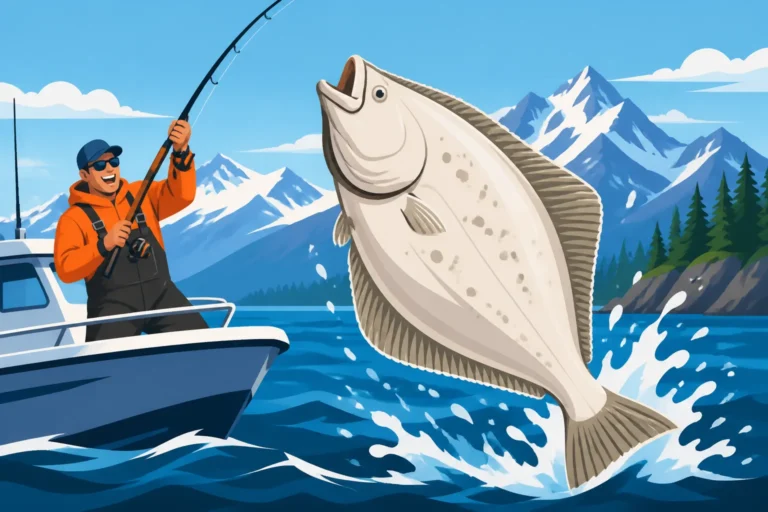
Homer, Alaska, often called the "Halibut Fishing Capital of the World," is an excellent starting point. Its location on Kachemak Bay provides relatively calm waters, which can be a huge comfort for those prone to seasickness. Homer boasts a robust charter fleet specializing in halibut, and these trips are generally very beginner-friendly. Halibut fishing involves dropping bait to the bottom and waiting for a bite, with the main challenge being reeling in these powerful "barn doors" once hooked. Many Homer charters also offer "combo" trips where you can target halibut for part of the day and then switch to salmon or rockfish, giving you a taste of different types of fishing. This variety makes it a fantastic spot for a comprehensive introduction to Alaskan saltwater angling.
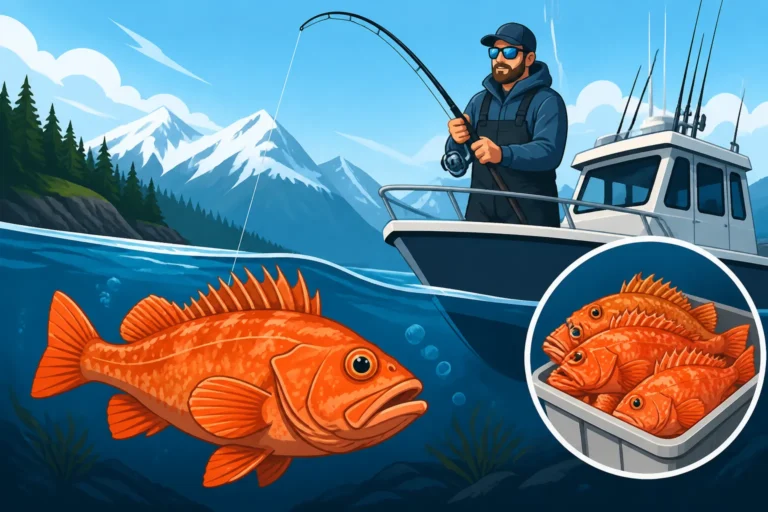
Another fantastic option is Seward, Alaska, nestled on Resurrection Bay. Seward is known for its stunning scenery, deep fjords, and a vibrant fishing community. Charters out of Seward frequently target a mix of halibut, King Salmon (Chinook), Silver Salmon (Coho), and various species of rockfish and lingcod. The benefit here is the sheer diversity of fish available and the stunning backdrop of the Kenai Fjords National Park. Many tours offer combo packages, which means you might spend the morning jigging for rockfish in rocky depths and the afternoon trolling for salmon. This constant action and varied fishing techniques keep things engaging for beginners. It's also relatively accessible via a scenic drive from Anchorage.
If river fishing captures your imagination, the Kenai Peninsula offers unparalleled opportunities, especially around towns like Soldotna or Cooper Landing. While river fishing can be a bit more technical than saltwater bottom fishing, many guides specialize in teaching novices the ropes for species like sockeye salmon or rainbow trout. The Kenai River Fishing: Complete Guide is famous worldwide for its prolific salmon runs. Guided drift boat trips are common, providing a comfortable way to navigate the rivers while your guide instructs you on techniques like "flipping" for sockeye or back-bouncing for king salmon. While King Salmon fishing can be challenging and heavily regulated, catching a bright red sockeye in a pristine Alaskan river is an iconic experience, and there are many charters designed for those new to the sport.
| Destination | Primary Species | Typical Trip Type | Beginner Friendliness | Notes |
|---|---|---|---|---|
| Homer | Halibut, Salmon, Rockfish | Full/Half-day, Combo | Very High | Calm waters, iconic halibut fishing. |
| Seward | Halibut, Salmon, Rockfish, Lingcod | Full-day, Combo | High | Diverse species, scenic fjord fishing. |
| Kenai River | Sockeye, King, Silver Salmon, Trout | Drift boat, Guided | Medium-High | River experience, specific techniques. |
| Ketchikan | King, Silver, Pink Salmon, Halibut | Full/Half-day, Combo | High | Southeast charm, consistent salmon. |
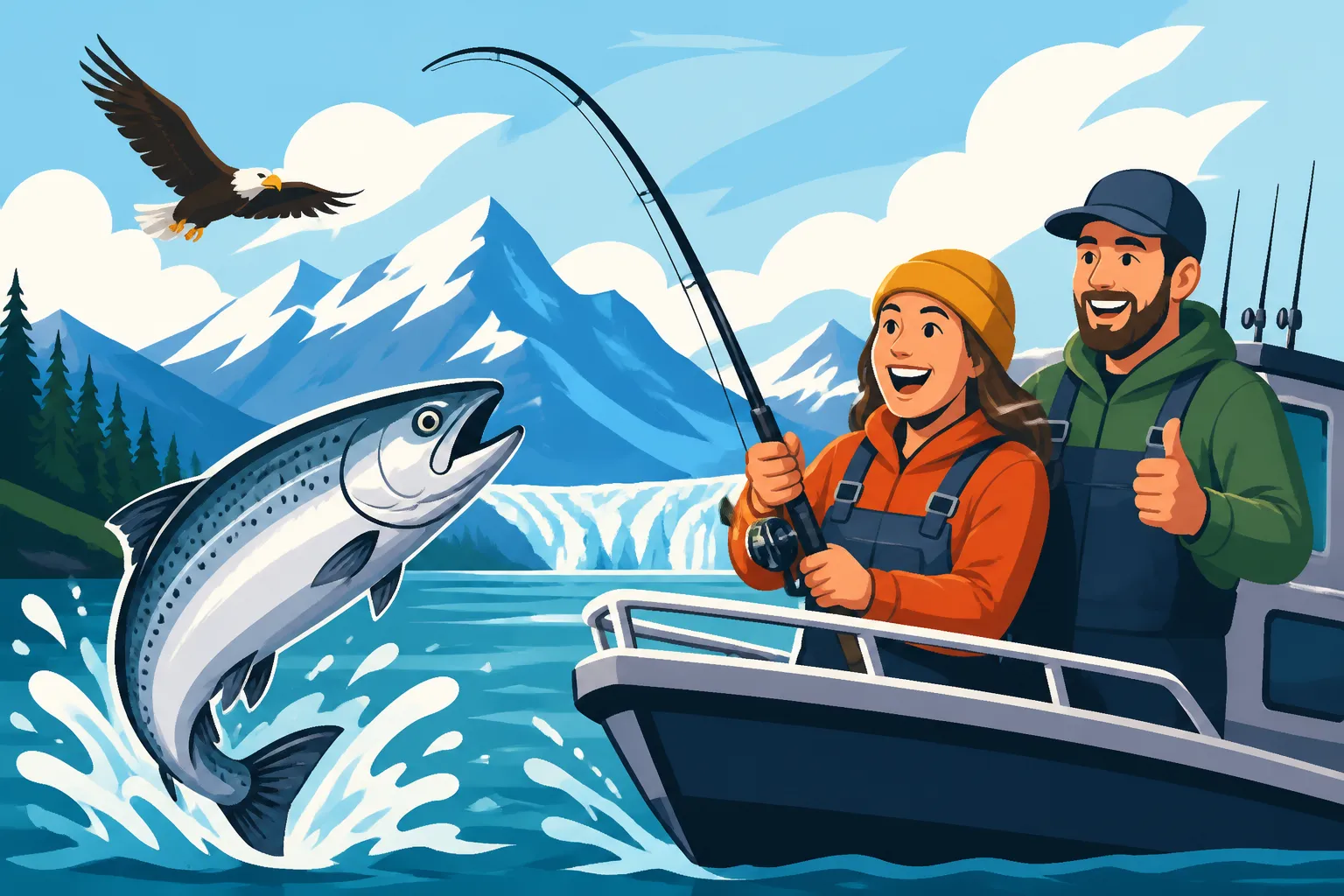
When considering species, Halibut is often a top choice for first-timers due to its size, fighting ability, and delicious meat, making it a very rewarding catch. Silver Salmon (Coho) are also fantastic for beginners; they are aggressive biters and put up a spirited fight on lighter tackle, offering plenty of action. If you're hoping to experience the legendary sockeye salmon runs, be prepared for a more specialized technique, but the sheer numbers during peak season can make for an exhilarating trip. Many first-timers find that choosing a charter with a good reputation for beginner support, regardless of the exact species targeted, is the most important step. When you're ready to start looking, sites like FishingBooker allow you to browse by location, target species, and even filter for amenities that are perfect for beginners.
Essential Questions to Ask and What to Expect from Your First Charter
Once you've narrowed down a region and a species or two that pique your interest, the next step is finding and booking the right charter. This is where asking the right questions becomes invaluable, ensuring there are no surprises when you step aboard. Think of it as interviewing your potential guide to make sure their style aligns with your first-timer needs.
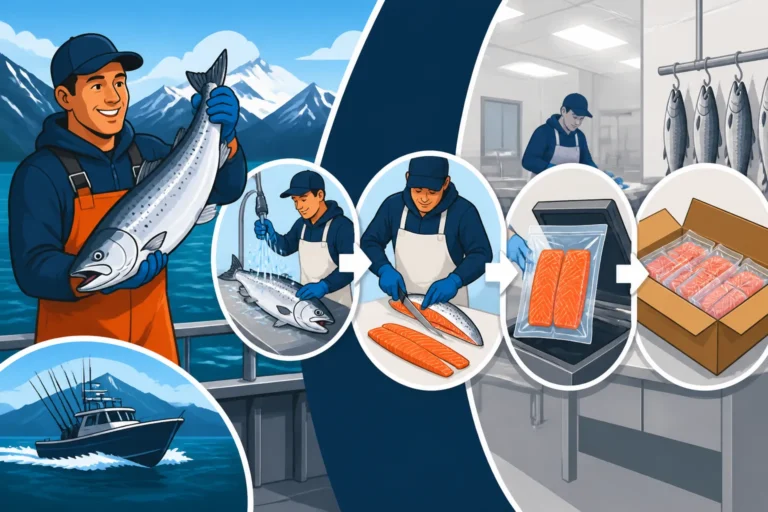
Before you commit, always inquire about what exactly is included in the charter price. This might seem obvious, but details vary widely. Does the price cover all fishing gear (rods, reels, tackle, bait)? Are snacks and drinks provided, or should you bring your own? Will the crew handle basic fish processing, like filleting your catch at the end of the day? Some charters offer full-service processing, including vacuum-sealing and freezing, while others expect you to take your whole fish to a local processor. Understanding these details upfront helps you budget and prepare. Don't forget to ask about items not included, such as your Alaska Fishing License Cost and Types, a Do You Need a King Salmon Stamp in Alaska if targeting those mighty Chinook, or common gratuities for the crew.
Another critical area is the guide's experience with novice anglers and the typical group size. For your first time, a boat crammed with expert anglers who are focused solely on bagging their limit might not be the most welcoming environment. Look for charters that specifically market themselves as "family-friendly" or "beginner-oriented." Ask about the guide-to-angler ratio and whether the crew is accustomed to providing hands-on instruction. A smaller group size often means more personalized attention and less pressure. Also, inquire about the boat type – larger vessels generally offer more stability in rougher waters, which can be a comfort for those new to ocean fishing.
Finally, always understand the cancellation policy, especially regarding weather. Alaska weather can be famously unpredictable, and safety should always be the top priority. Reputable charters will have clear policies for cancellations due to unsafe conditions, offering rescheduling or refunds. It’s also wise to ask about what happens if you get seasick – while unlikely to result in a refund, knowing the procedure for early returns can set your mind at ease. Many first-timers find comfort in using online booking platforms like FishingBooker, where these details are often clearly outlined and easily comparable between different operators, and you can read reviews specifically mentioning guide patience and beginner experiences.
Practical Tips for Maximizing Your First Alaskan Fishing Experience
You've picked your destination, decided on a species, and booked a great charter. Now, let's talk about how to make sure your first Alaska fishing trip is not just good, but truly memorable. A little preparation and the right mindset can elevate your experience from good to absolutely fantastic.
Layering is your best friend when it comes to Alaskan weather. Even on a sunny summer day, conditions can change rapidly from warm and calm to cool and breezy, especially on the water. Start with a moisture-wicking base layer, add an insulating fleece or down layer, and top it off with a high-quality, waterproof and windproof outer shell. Don't forget waterproof pants! There's nothing worse than being cold and wet miles from shore. Check out our guide on What to Wear on an Alaska Fishing Charter for more detailed advice. Good waterproof boots are also essential. Many charter boats will have spare rain gear, but it's always better to bring your own for comfort and fit.
Manage your expectations and embrace the journey. Fishing is inherently unpredictable. While Alaska offers some of the best fishing in the world, there are no guarantees every time you drop a line. Focus on the experience: the stunning scenery, the thrill of the bite, the camaraderie with your fellow anglers, and the invaluable lessons from your guide. Even if the fish aren't biting like crazy, you're still in one of the most beautiful places on Earth. Consider booking a trip during the Best Time to Fish in Alaska for your target species, but remember that nature has its own schedule.
Don't shy away from asking questions, even if they feel silly. Your guide is there to help, and they often enjoy sharing their knowledge. This is your learning opportunity! Want to know why they use a certain lure, or how to tell a male from a female salmon? Ask away. Understanding the "why" behind the techniques can deepen your appreciation for the sport. This interaction also often leads to better results, as you'll be more engaged and attuned to what's happening.
Finally, take advantage of services that simplify your trip logistics. From purchasing your Alaska Fishing License: Complete Guide online before you arrive to understanding how your catch will be handled. Most reputable charters will offer or recommend services for processing, vacuum-sealing, freezing, and even shipping your fish home. Knowing these steps in advance saves you stress at the end of a long day of fishing. Booking well in advance is crucial, especially for the popular summer months. Online booking platforms such as FishingBooker offer convenient ways to secure your spot and compare different operators. Remember to budget for a gratuity for your hard-working crew – Tipping on an Alaska Fishing Charter is customary and greatly appreciated for good service.
Disclaimer
The information provided in this guide is for general informational purposes only and should not be considered legal or professional advice. Fishing regulations in Alaska are subject to change, often with little notice, via emergency orders issued by the Alaska Department of Fish and Game. Always consult the official ADF&G regulations booklet and any current emergency orders before fishing. It is your responsibility to understand and adhere to all applicable rules and regulations.