Where Do Alaska Sheefish Live
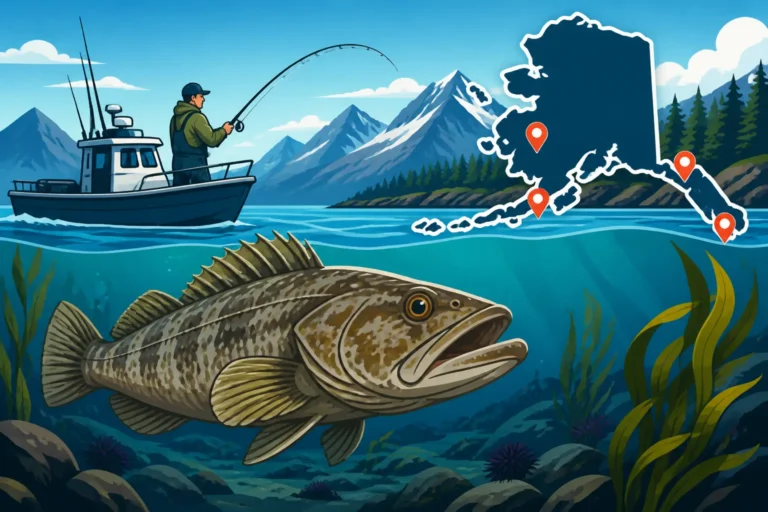
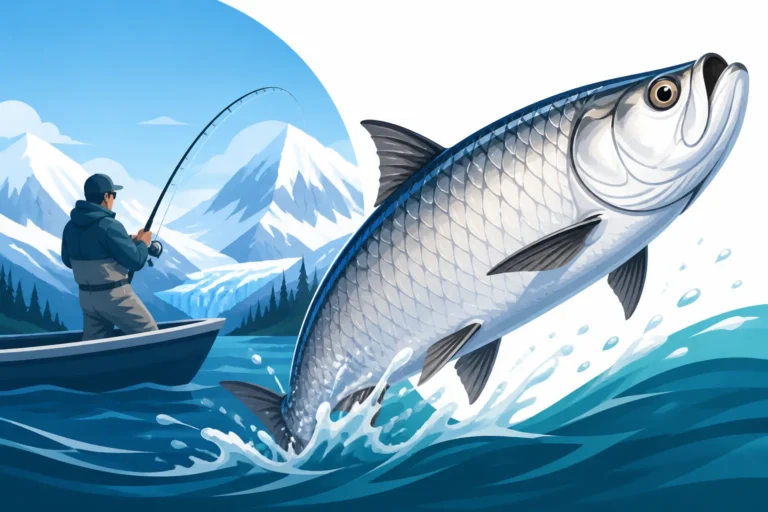
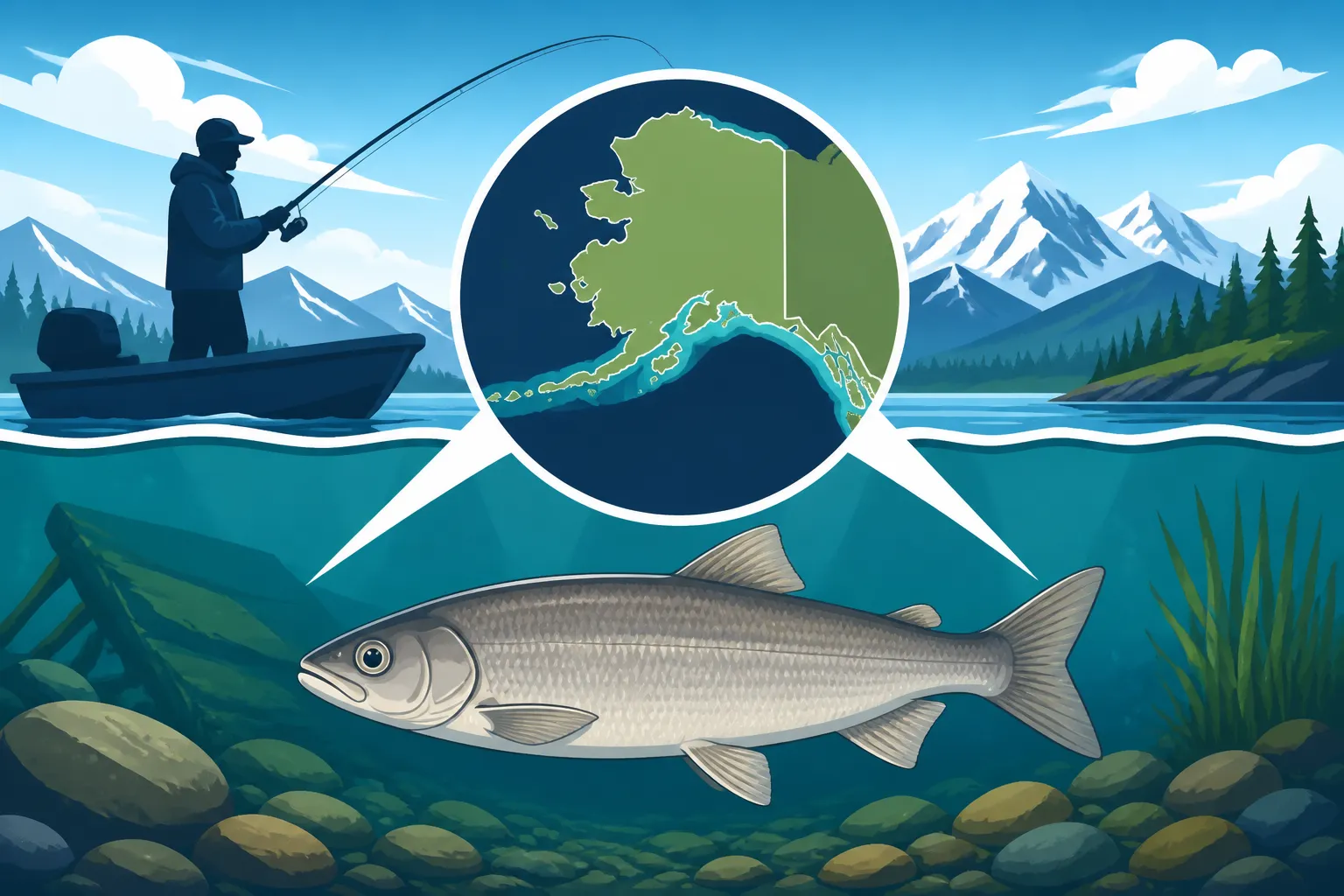
The mighty Sheefish, often called the "Tarpon of the North," is one of Alaska's most enigmatic and thrilling freshwater predators. If you've ever dreamt of battling one of these powerful, silver-flashing giants, you're probably wondering where on earth to find them. Unlike salmon or halibut that draw crowds to familiar coastal towns and river mouths, Sheefish inhabit a more specific, often remote, corner of the Last Frontier. This guide will take a deep dive into the precise habitats, seasonal movements, and key regions where these incredible fish live, helping you plan your ultimate Sheefish adventure.
Understanding Sheefish: The "Tarpon of the North"
Before we delve into their specific addresses, let's get acquainted with what makes the Sheefish such a remarkable creature. Knowing a bit about their biology and behavior will greatly assist you in understanding why they choose the habitats they do and how best to target them.
What Makes Sheefish Unique?
Sheefish, scientifically known as Stenodus leucichthys, are part of the whitefish family, but don't let that fool you into thinking they're docile bottom-feeders. These fish are apex predators in their ecosystems, boasting a streamlined, muscular body and a powerful tail that allows them to explode through the water after prey. Their iridescent silver scales, large mouth, and aggressive feeding habits earn them their famous nickname, drawing parallels to the saltwater tarpon.
Anglers pursue Sheefish not just for their size, which can exceed 50 pounds, but for their incredible fighting prowess. When hooked, a Sheefish will often launch itself into aerial acrobatics or make powerful, drag-screaming runs, leaving even seasoned anglers breathless. What's more, Sheefish are native to Alaska and parts of northern Canada and Russia, making them a truly unique northern species that isn't found in the lower 48 states. Their elusive nature, combined with the often remote locations required to find them, adds to the mystique and challenge, setting them apart from other more commonly targeted species. You won't typically find Sheefish near popular destinations like the Kenai River for salmon, for example.
Sheefish Life Cycle and Adaptations
Sheefish have a fascinating life cycle that dictates their movements and preferred habitats throughout the year. Most Sheefish populations in Alaska are anadromous, meaning they spend most of their lives in freshwater but can migrate to brackish (slightly salty) estuaries or lower river systems to feed before returning upstream to spawn. However, some populations are entirely freshwater resident, completing their entire life cycle within vast lake systems and their tributaries.
They are long-lived fish, sometimes surviving for over 20 years, and grow slowly. This longevity makes proper management and catch-and-release practices crucial for sustainable fisheries. Spawning typically occurs in late summer or early fall in the clear, gravelly headwaters of rivers or their tributaries, often far upstream from their primary feeding grounds. After spawning, adults migrate back downstream to large rivers or lakes, where they spend the winter in deeper waters. In the spring and summer, they are highly migratory, following schools of baitfish like Arctic cisco, whitefish, and salmon smolt. These migrations are key to understanding where and when to find them, as Sheefish are always on the move, chasing their next meal.
Primary Habitats: Rivers and Lakes Across Alaska
The vastness of Alaska means Sheefish have plenty of room to roam, but their distribution isn't uniform. They are predominantly found in the western and northern regions of the state, in expansive river systems and large, interconnected lakes.
Major River Systems Known for Sheefish
When you talk about Sheefish, a few legendary river systems immediately come to mind. These are the lifeblood of Sheefish populations, providing the necessary spawning grounds, feeding areas, and overwintering habitats.
- Yukon River Drainage: The mighty Yukon River is arguably the most significant Sheefish habitat in Alaska. This colossal river system, one of the longest in North America, provides an immense network of mainstem river, sloughs, and tributaries that Sheefish utilize. From its upper reaches down to the Bering Sea, the Yukon supports healthy populations. Anglers often focus on the middle and lower Yukon River sections, particularly around communities like Galena, Tanana, and Fort Yukon, where Sheefish gather to feed on salmon smolt and other forage fish during summer. The vastness of this system means Sheefish can be quite spread out, but consistent patterns emerge during their feeding migrations.
- Kuskokwim River Drainage: South of the Yukon, the Kuskokwim River system is another stronghold for Sheefish. Similar to the Yukon, the Kuskokwim is a large, turbid river that empties into the Bering Sea. Its numerous tributaries and associated lakes, like the vast Kuskokwim Bay, offer critical habitat. Areas around Bethel and upriver from it are known for Sheefish. These systems offer productive fishing from late spring through early fall, often peaking when salmon smolt are migrating out or adult Sheefish are making their pre-spawning runs. Access to these remote rivers typically involves bush planes or riverboats, adding to the adventure.
- Kobuk River System: Heading north into the Arctic, the Kobuk River is a jewel for Sheefish anglers. Originating in the Brooks Range and flowing westward into Kotzebue Sound, the Kobuk is famous for its large Sheefish. The clear waters of the upper Kobuk and its tributaries are crucial spawning grounds, while the lower river and the estuary provide rich feeding opportunities. Towns like Ambler and Kotzebue are common jump-off points for anglers seeking the Kobuk's Sheefish. The fishing here can be spectacular, especially during the summer months when Sheefish are actively feeding and migrating.
- Selawik River System: Closely linked to the Kobuk is the Selawik River, which also drains into Kotzebue Sound. The Selawik system is notable for its connection to Selawik Lake, one of the largest freshwater lakes in Alaska. This lake acts as a massive feeding and overwintering ground for Sheefish, which then migrate into the river system for spawning. The Selawik offers excellent opportunities for both river and lake fishing, often with a unique combination of native fish.
Key Lakes and Estuaries Where Sheefish Thrive
While rivers are vital for migration and spawning, several large lakes and brackish estuaries serve as critical feeding and overwintering zones for Sheefish.
- Selawik Lake: This massive, shallow lake, part of the Selawik National Wildlife Refuge, is one of the most important Sheefish habitats in Alaska. It acts as a primary nursery and feeding ground for Sheefish that utilize the Selawik River system. The lake's abundant forage fish, particularly Arctic cisco, draw in large numbers of Sheefish, making it a prime location for targeting them during the open water season and through the ice.
- Kotzebue Sound and Estuaries: The large, brackish waters of Kotzebue Sound, where the Kobuk and Selawik Rivers empty, are crucial feeding grounds for many anadromous Sheefish populations. These nutrient-rich estuaries provide a buffet of baitfish that Sheefish gorge on before heading back upstream. While not a "fishing spot" in the traditional sense, understanding its role as a feeding hub explains why Sheefish are so robust in the surrounding river systems.
- Other Large Lakes in Western/Northern Alaska: Throughout the vast Yukon and Kuskokwim drainages, countless large lakes and interconnected sloughs serve as significant Sheefish habitats, especially for resident populations. These lakes provide stable environments, deep overwintering holes, and consistent food sources, allowing Sheefish to thrive away from the main river currents. Specific names might not be widely known outside local communities, but they are integral to the broader Sheefish ecosystem.
Seasonal Movements and Preferred Conditions
Sheefish are highly migratory, and their location can change dramatically throughout the year based on their biological needs: spawning, feeding, and overwintering. Knowing these patterns is crucial for successful angling.
Spawning Migrations and Summer Feeding Grounds
Sheefish undertake significant migrations. In late summer and early fall (typically August and September), mature Sheefish begin their arduous journey upstream to their natal spawning grounds. These grounds are often in the clear, shallow, gravelly sections of upper tributaries, sometimes hundreds of miles from the main river or lake systems. During this migration, they can be found concentrated in certain areas, offering prime fishing opportunities. This is when anglers often intercept them in rivers like the Kobuk or Selawik, as the fish are actively moving.
During the spring and summer (May through July), after recovering from spawning, Sheefish disperse into their feeding grounds. This is when they are most actively chasing baitfish. They often inhabit the lower to middle sections of large rivers, vast lake systems, and occasionally brackish estuaries. They follow the movements of their prey, which largely consist of smaller whitefish, juvenile salmon (smolt), and Arctic cisco. Anglers targeting Sheefish during this time will look for them in areas where these baitfish are abundant, such as current breaks, eddies, deeper pools, and the mouths of tributaries flowing into larger systems.
Overwintering Areas and Ice Fishing Opportunities
When the harsh Alaskan winter sets in and rivers begin to freeze, Sheefish retreat to deeper, more stable environments to overwinter. They typically move to the deepest pools of large rivers or the expansive, deep basins of large lakes. Here, they conserve energy, remaining relatively inactive, though they will still feed opportunistically.
This overwintering behavior creates fantastic ice fishing opportunities for dedicated anglers. Places like Selawik Lake and deeper sections of the Yukon and Kuskokwim rivers become prime ice fishing destinations. Anglers will typically target these deep holes, often using sonar to locate schools of Sheefish. While they might be less aggressive under the ice, a well-presented jig or bait can still elicit a strike from these cold-water predators. Ice fishing for Sheefish is a unique Alaskan experience, often requiring snowmachines or small planes to reach remote locations.
Water Characteristics Sheefish Prefer
Sheefish are quite particular about their aquatic environment. They thrive in large, often turbid (murky) rivers and clear to tannin-stained lakes.
- Temperature: They prefer cooler water temperatures, generally ranging from 35°F to 60°F (2°C to 15°C). This is why they are found in northern latitudes and often move to deeper waters during warmer periods or in winter.
- Clarity: While they can tolerate and even thrive in the turbid mainstems of rivers like the Yukon and Kuskokwim, they often prefer clearer water when actively feeding and certainly use clearwater tributaries for spawning. They use their keen eyesight and lateral line system to hunt in varying conditions.
- Current: In rivers, Sheefish are often found in areas with moderate to slow currents, especially near current breaks, eddies, and seams where they can ambush prey without expending too much energy. They also use deeper channels and holes where they can escape strong flows. In lakes, they'll patrol open water, often near drop-offs or submerged structures where baitfish congregate.
Specific Geographic Regions for Sheefish Fishing
Now that we know where Sheefish generally live and how they move, let's look at specific regions that stand out as premier Sheefish destinations. Access to these areas can vary widely, from roadside fishing (rarely for Sheefish) to remote fly-in lodges.
Western Alaska Sheefish Hotspots
Western Alaska is synonymous with Sheefish. The vast drainages here hold the largest and most robust populations.
- Yukon River Corridor: This region, encompassing much of the main Yukon River, offers some of the most consistent Sheefish fishing. Major hubs include Galena, a small city along the river, and the surrounding network of sloughs and tributaries. During summer, particularly late July and August, Sheefish often stack up in these areas, feeding heavily on salmon smolt migrating to the ocean. Anglers often fish from boats, drifting or trolling large spoons and plugs. For those looking to experience authentic Alaska, remote villages accessible by air provide unique opportunities to fish this majestic river.
- Kuskokwim River Valley: Similar to the Yukon, the Kuskokwim offers excellent Sheefish fishing, especially in its middle to lower reaches. Bethel is a common entry point for those exploring the Kuskokwim. The river's numerous clearwater tributaries that flow into the main stem can be excellent for targeting Sheefish as they stage or migrate. Because of the sheer size of these rivers, fishing success often depends on knowing local patterns or hiring an experienced guide who understands the movements of the fish within these complex systems. You might find guides offering multi-day trips specifically for species like Sheefish, alongside other species like salmon.
Northwestern Alaska's Pristine Waters
For a truly wild Sheefish experience, the northwestern part of the state, above the Arctic Circle, is unparalleled. This region offers pristine wilderness and often trophy-sized Sheefish.
- Kobuk and Selawik River Systems: These rivers, flowing into Kotzebue Sound, are legendary for their Sheefish. The village of Ambler on the Kobuk River is a well-known base for Sheefish anglers. Access is typically via bush plane from Kotzebue. The fishing season here is relatively short but intense, generally from late June through September. During this window, Sheefish are actively feeding in the lower river sections and estuaries before moving upstream for spawning. The remote nature of these rivers means you'll often have vast stretches of water to yourself, and the scenery is breathtaking. Selawik Lake, in particular, offers fantastic ice fishing during the winter months, drawing dedicated anglers from across the state.
- Noatak River: While less famous than the Kobuk or Selawik for Sheefish, the Noatak, another major river flowing into Kotzebue Sound, also supports populations. It's an incredibly wild river, and fishing here is usually part of a broader wilderness adventure. The fish populations are healthy, but due to its remoteness and lack of established services, it's generally reserved for experienced, self-sufficient anglers or those with specialized fly-out trips.
Other Potential (Though Less Common) Sheefish Locations
While the vast majority of Sheefish are concentrated in the Western and Northwestern regions, there are a few other peripheral areas where they might occasionally be found.
- Norton Sound Drainages: Rivers flowing into Norton Sound, south of Kotzebue Sound and north of the Yukon Delta, can also hold Sheefish populations, though typically smaller or less numerous than the major systems. These are even more remote and less frequently targeted by sport anglers.
- Southern Sheefish: Extremely rarely, Sheefish have been reported in drainages further south, such as those flowing into Cook Inlet. However, these are isolated incidents and not indicative of established, fishable populations. If you're looking for a Sheefish, stick to their core strongholds in Western and Northwestern Alaska.
Remember that fishing in many of these remote Alaskan locations often requires careful planning, appropriate gear (which you can often find readily available on Amazon for preparation), and sometimes the assistance of experienced outfitters. Knowing How to Choose an Alaska Fishing Charter or understanding the nuances of Guided vs Unguided Fishing in Alaska is vital for such trips.
Overview of Key Sheefish Habitats and Seasons
To help consolidate where and when to find these magnificent fish, here's a quick reference table:
| River/Lake System | Primary Location | Typical Season (Peak) | Habitat Type (Summer) | Key Characteristics |
|---|---|---|---|---|
| Yukon River | Western Alaska | June – September | Large, turbid river | Vast, strong currents, abundant baitfish migrations |
| Kuskokwim River | Western Alaska | June – September | Large, turbid river | Many tributaries, access from Bethel |
| Kobuk River | Northwestern Alaska | July – September | Clear river, estuary | Trophy potential, pristine wilderness, bush plane access |
| Selawik River | Northwestern Alaska | July – September | Clear river, estuary | Connects to Selawik Lake, great for ice fishing |
| Selawik Lake | Northwestern Alaska | June – September (Open); October – April (Ice) | Large, shallow lake | Key feeding and overwintering grounds |
| Kotzebue Sound Estuaries | Northwestern Alaska | July – August | Brackish estuaries | Rich feeding grounds, confluence of rivers |
Knowing Alaska Fishing Seasons: Month-by-Month Guide can give you an even more comprehensive picture of when various species are active across the state, including Sheefish. If you're considering a trip, you'll also want to look into Alaska Fishing Regulations Explained for specific bag limits and rules that might apply to Sheefish in your chosen region. Don't forget, Do You Need a King Salmon Stamp in Alaska is a different regulation, specifically for King Salmon, but understanding license requirements for all species is critical. Make sure to get your general Alaska Fishing License: Complete Guide before you head out. Understanding Alaska Fishing Limits and Bag Limits Explained for Sheefish and other species will ensure you're compliant. For those adventurous enough to explore, reading How to Read Alaska Fishing Regulations will be your best friend!
Ultimately, Sheefish are a testament to Alaska's wild, untamed nature. Their presence in these remote, powerful river systems and vast lakes offers a fishing experience unlike any other, connecting anglers to the very heart of the Last Frontier.
Disclaimer
Fishing in Alaska can be inherently risky due to changing weather conditions, wildlife encounters, and remote locations. Always prioritize safety, inform others of your travel plans, and be prepared for emergencies. Regulations, seasons, and fish populations can change rapidly due to emergency orders from the Alaska Department of Fish and Game. Always check the latest regulations before heading out. This guide provides general information and should not replace official sources or professional advice.