Alaska Dolly Varden: Facts and Fishing Tips
One of the most common frustrations for anglers heading to Alaska is identifying the various species, especially when you encounter a vibrant, spotted fish that looks like a trout but isn't quite a rainbow. Often, you've just hooked into a beautiful Dolly Varden, a fascinating and often overlooked char. This comprehensive guide will peel back the layers on this incredible Alaskan fish, giving you all the facts and fishing tips you need to confidently target and appreciate the Dolly Varden.
Unraveling the Mystery: What Exactly is a Dolly Varden?
For many newcomers to Alaska's rich fisheries, the Dolly Varden can be a bit of an enigma. They're often confused with their close cousin, the Arctic Char, or even with various trout species, leading to honest mistakes and missed opportunities. But once you get to know the Dolly Varden, you'll find they are a distinct and incredibly rewarding fish to pursue, known for their aggressive strikes and stunning coloration.
Physical Characteristics and Identification
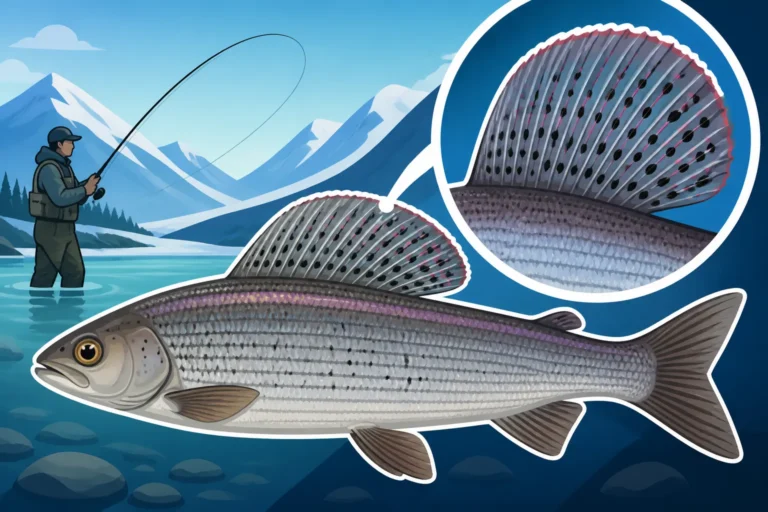
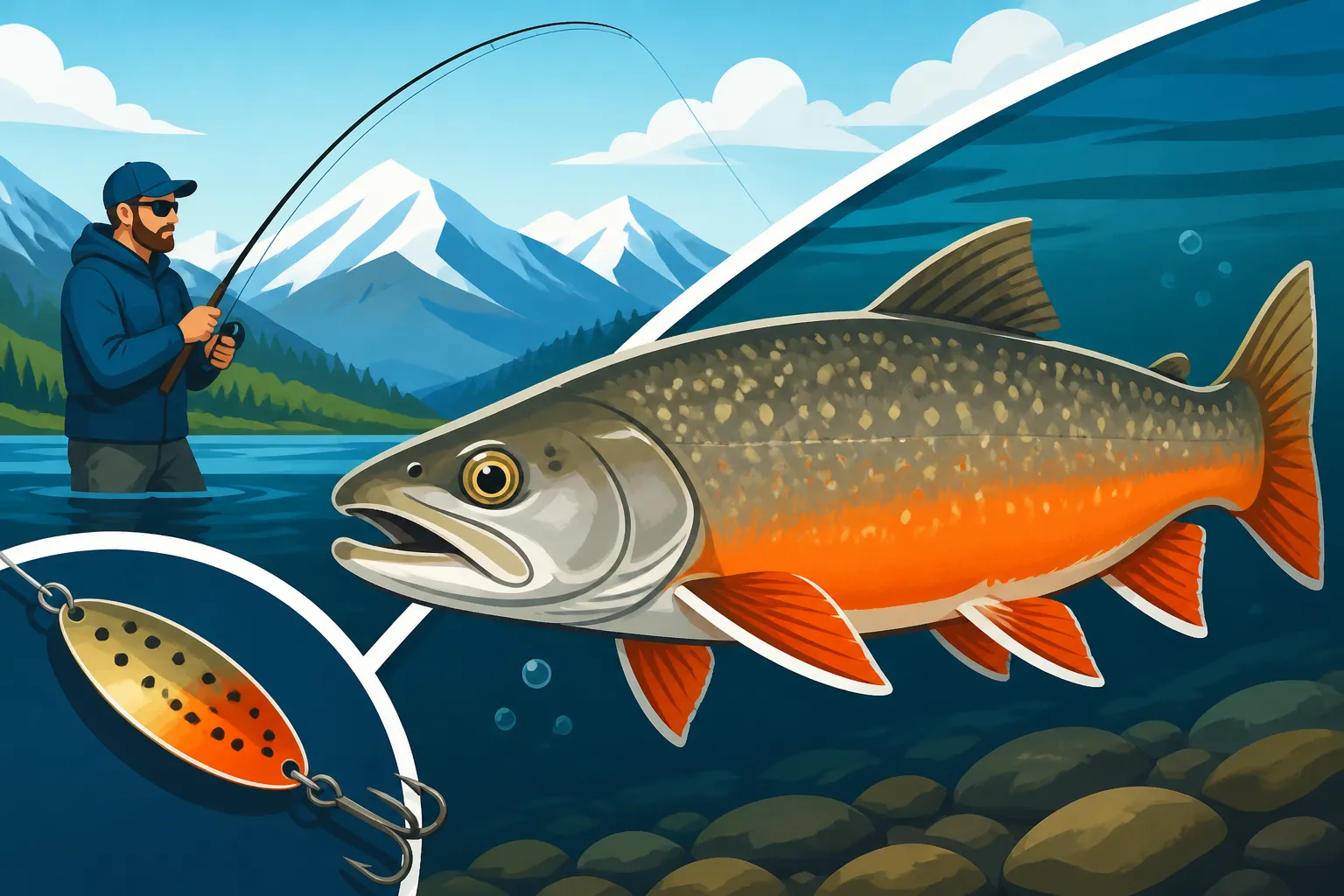
The Dolly Varden (scientific name Salvelinus malma) is a member of the char family, not the trout family, which is an important distinction to make. While they share many characteristics with trout, like a streamlined body and dorsal fin, their specific markings set them apart. Dolly Varden typically have a dark body color, ranging from olive green to brownish, adorned with numerous light spots. These spots can be pink, red, or yellowish-orange and are usually larger than the pupil of the eye. A key identifier is the absence of spots on the dorsal fin, a feature that distinguishes them from many trout species. They also possess a white or cream-colored leading edge on their pectoral, pelvic, and anal fins, often bordered by a dark line.
Their mouths are generally large, extending back beyond the eye, a characteristic that hints at their predatory nature. As they approach spawning, their colors become even more vibrant, with males developing a kype (hooked jaw) and an intensified red-orange hue on their bellies. This transformation is truly a sight to behold, showcasing the wild beauty of Alaska's aquatic life. Understanding these nuances is crucial, especially when you're trying to differentiate them from other species that might share the same waters. Knowing these traits also helps in adhering to specific regulations, as bag limits can vary between similar-looking species.
Life Cycle and Behavior
Dolly Varden exhibit a fascinating array of life histories, broadly categorized into anadromous (sea-run) and resident (freshwater) populations. The anadromous Dolly Varden spend a significant portion of their lives in saltwater, feeding voraciously in estuaries and coastal waters, much like salmon, before returning to freshwater streams to spawn. These sea-run Dollies tend to be larger, sometimes reaching impressive sizes of over 20 inches, thanks to the abundant food sources in the ocean. They are opportunists, often following salmon runs into rivers, feasting on salmon eggs, and smolt, which significantly contributes to their growth. This behavior makes them a popular target for anglers during salmon seasons.
Resident Dolly Varden, on the other hand, complete their entire life cycle within freshwater systems, residing in lakes, rivers, and streams. These fish are typically smaller but no less aggressive, adapting to the food availability in their specific environment. Both types typically spawn in the fall, constructing redds (nests) in gravel beds where females deposit their eggs. Unlike Pacific salmon, Dolly Varden are iteroparous, meaning they can spawn multiple times throughout their lives, contributing significantly to the health and stability of their populations. Their adaptability to both freshwater and saltwater environments, coupled with their opportunistic feeding habits, makes them a resilient and widespread species across Alaska's diverse aquatic landscapes.
Where to Find Dolly Varden in Alaska's Wild Waters
Alaska is a vast state, and Dolly Varden are found in many different corners of it, from coastal inlets to remote interior streams. Knowing their preferred habitats can dramatically increase your chances of a successful outing. They are highly adaptable, occupying a wide range of aquatic environments, which is part of what makes them such an intriguing fish to pursue.
Coastal and Anadromous Populations
For many anglers, the pursuit of anadromous Dolly Varden is a thrilling experience. These sea-run fish are particularly prevalent in Southcentral and Southeast Alaska, where they thrive in systems connected to the Pacific Ocean. Places like Prince William Sound, Cook Inlet, and the rivers flowing into these vast bodies of water are prime locations. In Southeast Alaska, virtually any stream or river system that hosts salmon runs will also have a healthy population of sea-run Dollies. You'll find them congregated in estuaries, river mouths, and the lower sections of rivers as they transition between salt and freshwater.
They are often found shadowing migrating salmon, eager to capitalize on any loose eggs, dead salmon carcasses, or even salmon fry. This makes them a fantastic bonus catch for salmon anglers, particularly during the late summer and fall. Imagine standing on a gravel bar along the Kenai Peninsula, casting for silver salmon, and suddenly your line goes taut with the aggressive pull of a brightly colored Dolly Varden! They are a testament to the rich biodiversity of these coastal systems. When exploring these areas, keep an eye on tide charts, as Dolly Varden movements can often be influenced by the ebb and flow of saltwater.
Resident Freshwater Populations
While the sea-run Dollies often steal the spotlight, Alaska's interior and non-anadromous freshwater systems also hold thriving resident populations. These fish inhabit countless lakes, rivers, and streams throughout the state, often in areas far removed from the ocean. You can find them in the crystal-clear waters of the Bristol Bay region, in the remote lakes of the Arctic, and even in many of the roadside accessible streams across the Southcentral region.
Resident Dolly Varden tend to be smaller than their sea-run counterparts, typically ranging from 8 to 16 inches, but they offer incredible sport on light tackle. They prefer cold, clear water with ample cover, such as submerged logs, undercut banks, and deep pools. Rivers like the Russian River and its tributaries, often celebrated for their sockeye salmon, also hold good numbers of resident Dolly Varden, providing year-round fishing opportunities for those willing to brave the colder months. Many of these fish spend their lives in nutrient-rich lakes, migrating into tributary streams to spawn. If you're looking for a quieter, more solitary fishing experience away from the bustling salmon runs, exploring some of Alaska's less-traveled freshwater systems for resident Dollies can be incredibly rewarding.
Prime Seasons for Dolly Varden Fishing
Understanding the seasonal movements and feeding habits of Dolly Varden is paramount to a successful fishing trip. Like many Alaskan fish, their behavior is heavily influenced by the presence of salmon runs, water temperatures, and their own spawning cycles. Knowing "Alaska Fishing Seasons: Month-by-Month Guide" can certainly help paint a broader picture of fishing opportunities across the state.
Spring and Early Summer Opportunities
As the Alaskan landscape thaws and spring arrives, Dolly Varden, particularly the anadromous populations, begin their migratory journeys. In late spring (May to early June), you'll often find sea-run Dollies moving out of overwintering lakes and rivers, making their way towards the coast. During this time, they are hungry and eager to feed after a long winter. Fishing the outflows of lakes and the lower sections of rivers that connect to the ocean can be very productive. They're often targeting salmon smolt and other small baitfish, preparing for their ocean feeding escapades.
By early summer (June to early July), as the first salmon runs begin to trickle in, Dolly Varden will be found staging in estuaries and the mouths of rivers, waiting for the bounty to arrive. This can be an excellent time to target them with small spinners, spoons, or even baitfish patterns on a fly rod. The water is often still cold and clear, and the fish are typically bright and full of fight. This period offers a great chance to catch them before the full intensity of the salmon runs draws massive crowds, providing a more relaxed fishing experience.
Fall Feeding Frenzy and Spawning Runs
Without a doubt, late summer and fall (August through October) offer some of the most spectacular Dolly Varden fishing in Alaska. This is when the anadromous Dollies return to freshwater in droves, following the massive salmon runs upstream. They are in prime condition, having gorged themselves in the ocean, and their primary focus shifts to pre-spawn feeding and eventually, spawning. This period is often referred to as the "egg bite," as Dolly Varden gorge themselves on the abundant salmon eggs that become dislodged from redds or are simply drifting downstream.
Areas below salmon spawning beds, deep pools, and gravelly runs are hotspots. Imagine seeing thousands of sockeye or pink salmon spawning, and just downstream, eager Dolly Varden line up, ready to snatch any errant egg. It's a true feeding frenzy. Resident Dolly Varden also become incredibly active during this time, fattening up for winter. The vibrant colors of the fall foliage often mirror the intense reds and oranges developing on the male Dollies as they prepare to spawn. This season is also critical for understanding "Alaska Salmon Run Timing Explained", as Dolly Varden activity is so closely tied to it.
Effective Fishing Techniques and Gear for Dolly Varden
Dolly Varden are aggressive and opportunistic feeders, which means they can be caught using a variety of techniques. Whether you prefer the elegance of fly fishing or the straightforward approach of spin fishing, there's a method that will work for you. Having the right "Alaska Fishing Gear and Tackle Guide" is crucial for any species, and Dollies are no exception.
Fly Fishing for Dolly Varden
Fly fishing for Dolly Varden is incredibly rewarding, offering a dynamic and engaging experience. They are highly responsive to various fly patterns, especially those mimicking their natural food sources. During the spring and early summer, when Dollies are keying in on smolt, streamer patterns like Flesh Flies, Sculpzillas, or even a simple Woolly Bugger in olive, black, or white can be incredibly effective. Cast these across currents and strip them back, imitating a fleeing baitfish.
As the salmon runs intensify in late summer and fall, switch to egg patterns. The Alaska-renowned Glo Bug or other bead patterns that imitate salmon eggs are absolute game-changers. Dead-drifting these patterns behind spawning salmon is a highly effective, almost hypnotic technique. You'll often feel a subtle tap rather than a violent strike when a Dolly picks up an egg. Pay close attention to your indicator! For those looking for a different challenge, small flesh flies or even parr patterns can entice larger Dollies looking for an easy meal. Fly rods in the 5-7 weight range, paired with a floating line and a 9-foot leader tapering to 3X-5X tippet, are typically perfect for these fish. If you're just getting into it, consider checking out resources like "How to Fly Fish in Alaska" for broader tips.
Spin Fishing for Dolly Varden
Spin fishing is an equally effective and often more accessible method for catching Dolly Varden, especially for beginners or those who prefer a simpler setup. Light to medium-light action spinning rods (6-7 feet) paired with a reel spooled with 6-10 lb test monofilament or braided line are ideal.
Small spinners are classic Dolly Varden medicine. Brands like Mepps and Rooster Tail in sizes #1-#3, with silver, gold, or brass blades, often tipped with bright orange or chartreuse, can be deadly. Cast them upstream or across the current and retrieve just fast enough to get the blade spinning, allowing it to swing through likely holding water. Small spoons, such as the Pixee Spoon or the Little Cleo, in similar colors and sizes, are also excellent choices, especially in deeper pools or faster currents. They mimic wounded baitfish beautifully.
For the fall egg bite, drift fishing with a single salmon egg imitation or a cluster of cured salmon eggs can be incredibly productive. Use a small split shot or an unweighted drift bobber to get your offering down to the fish without hindering its natural drift. Small jig heads tipped with a rubber worm or grub in white, pink, or chartreuse can also work wonders, especially when jigged slowly near the bottom. Always remember to check local "Alaska Bait Restrictions Explained" before heading out, as some areas may prohibit bait.
Essential Tackle and Lures
Beyond the basic rod and reel, a few key pieces of tackle will make your Dolly Varden fishing more successful.
| Category | Recommended Items | Notes |
|---|---|---|
| Rods/Reels | Light to Medium-Light Spinning Rod (6-7 ft), 5-7 wt Fly Rod | Matched with appropriate reels and line (6-10 lb mono/braid for spin, floating line for fly). |
| Lures | Small Spinners (Mepps, Rooster Tail #1-3), Small Spoons (Pixee, Little Cleo), Small Jigs (1/8-1/4 oz) | Colors: Silver, gold, brass, orange, chartreuse, white, pink. |
| Flies | Egg patterns (Glo Bug, beads), Streamers (Woolly Bugger, Sculpzilla, Flesh Flies), Parr/Smolt Imitations | Colors: Orange, red, pink, chartreuse for eggs; olive, black, white, tan for streamers. |
| Terminal Tackle | Split Shot, Swivels, Leaders (4-8 lb fluorocarbon for spin, 3X-5X tippet for fly), Small Hooks (size 4-8) | Always have extra! Fluorocarbon leaders are less visible in clear water. |
| Bait | Cured Salmon Eggs, Small Pieces of Herring (where allowed) | Check regulations carefully for bait use. |
| Accessories | Forceps/Pliers (for hook removal), Waders (chest waders are often best), Rain Gear, Landing Net | A small, rubberized landing net is great for protecting fish. Good rain gear is essential for "How to Dress for Alaska Fishing." |
When packing your tackle box, think variety. Dollies can be picky on certain days, and having a range of options allows you to experiment. For leaders, fluorocarbon is often preferred over monofilament for its reduced visibility in Alaska's typically clear waters, making a difference in challenging conditions. You can find a wide selection of these essential items on platforms like Amazon to get prepared before your trip. Don't forget a good pair of polarized sunglasses, not just for eye protection, but to spot those elusive fish in the water!
Understanding Dolly Varden Regulations and Conservation
Fishing in Alaska isn't just about catching fish; it's also about respecting the resource and ensuring its sustainability for future generations. This is especially true for species like Dolly Varden, which play a crucial role in the ecosystem. Familiarizing yourself with "Alaska Fishing Regulations Explained" is non-negotiable before you ever cast a line.
Bag and Possession Limits
The Alaska Department of Fish and Game (ADF&G) sets specific regulations for Dolly Varden, which can vary significantly depending on the region and even the specific body of water. These limits are designed to manage populations effectively and respond to local conditions. For instance, in some areas of Southcentral Alaska, the daily bag limit for Dolly Varden might be 10 fish, with a possession limit of 20, while in other regions or specific drainages, it could be much lower, or even catch-and-release only.
It's critical to always consult the most current Alaska Sport Fishing Regulations booklet for the specific region you plan to fish. These booklets are updated annually and are available online through the ADF&G website or at most sporting goods stores and license vendors throughout Alaska. Pay close attention to any special provisions or emergency orders that might be in effect, as these can change daily based on fish escapement goals or environmental factors. For example, some systems might have gear restrictions or closed waters during certain times of the year to protect spawning fish. Understanding "Alaska Fishing Limits and Bag Limits Explained" for your specific location is not just good practice, it's the law.
Catch-and-Release Best Practices
While Dolly Varden can be excellent table fare, many anglers choose to practice catch-and-release, particularly for larger, older fish that are vital for spawning. If you do plan to release a Dolly Varden, employing proper techniques is essential to maximize the fish's survival rate.
- Minimize Fight Time: Bring the fish in as quickly as possible to reduce stress and exhaustion. Prolonged fights can deplete their energy reserves.
- Handle with Care: Keep the fish in the water as much as possible. If you must remove it for a quick photo, wet your hands thoroughly beforehand. Never hold a fish by the gills or by squeezing its belly. Support its weight horizontally, ideally with one hand under the tail and the other supporting its head/body.
- Use Barbless Hooks: Barbless hooks, or hooks with pinched barbs, make hook removal much easier and cause less damage to the fish's mouth. Many Alaskan regulations require barbless hooks in certain waters anyway.
- Quick Hook Removal: Use forceps or pliers to quickly and gently remove the hook. If the fish is deeply hooked and removal would cause significant damage, it's often best to cut the line as close to the hook as possible.
- Revive Properly: If the fish seems lethargic, hold it gently in the water, facing upstream into the current, allowing water to flow over its gills. Move it back and forth slightly to help oxygenate its blood. Only release it when it can swim away under its own power.
Practicing these "Alaska Catch-and-Release Best Practices" ensures that the beautiful Dolly Varden population remains robust and healthy for years to come. It’s a small effort that makes a huge difference in conservation.
Dolly Varden vs. Arctic Char: A Common Confusion
It's a common scenario on an Alaskan river: you land a beautiful, spotted char, and the debate immediately starts. Is it a Dolly Varden or an Arctic Char? Even experienced anglers can sometimes struggle with this, and for good reason—they are incredibly similar! However, there are some key distinctions that, once understood, can help you tell these two magnificent species apart. In fact, for a deeper dive, consider reading "Alaska Dolly Varden vs Arctic Char".
Key Differences in Appearance
While both Dolly Varden and Arctic Char (Salvelinus alpinus) are members of the Salvelinus genus (the chars), there are subtle but consistent differences in their appearance, especially in their spots and overall body shape.
- Spots: Dolly Varden typically have smaller, less numerous spots than Arctic Char. Their spots are usually pink, red, or yellowish, and tend to be scattered more randomly over their sides. Arctic Char, on the other hand, often boast larger, more prominent spots that can range from white to pink to brilliant red, and are frequently concentrated more towards the lateral line.
- Body Shape: While both are streamlined, Arctic Char can sometimes appear a bit more torpedo-shaped or robust, especially when mature. Dolly Varden often have a slightly more slender profile. This isn't a hard-and-fast rule, as body shape can vary with age and diet, but it's a general observation.
- Tail Fin: A subtle but often reliable clue is the tail fin. Dolly Varden usually have a less forked tail fin compared to Arctic Char, which often have a distinctly more forked caudal fin, particularly as juveniles. This becomes less pronounced in older, larger fish of both species.
- Leading Fin Edges: Both species can exhibit the white leading edges on their fins, but it's generally more pronounced and consistent on the Dolly Varden, often bordered by a distinct dark line.
It's important to remember that these differences can be nuanced, and coloration can vary dramatically depending on the fish's habitat, diet, and spawning readiness. For example, a spawning male Dolly Varden will have brilliant red hues that might resemble a char.
Habitat and Behavioral Distinctions
Beyond physical looks, the preferred habitats and typical behaviors of Dolly Varden and Arctic Char also offer clues to their identity.
- Geographic Range: While there's significant overlap, Arctic Char tend to be more dominant in the truly northern and Arctic regions of Alaska, inhabiting colder, clearer, often oligotrophic (nutrient-poor) lakes and rivers. Dolly Varden have a broader distribution, found extensively in Southcentral and Southeast Alaska, and extending further south along the Pacific coast. While you can find both in the same river system, especially further north, the prevalence tends to shift with latitude.
- Anadromy: Both species can be anadromous, but sea-run Arctic Char are primarily found in the far northern and western parts of the state, often undertaking extensive migrations into the Bering Sea or Arctic Ocean. Anadromous Dolly Varden are common throughout Southcentral and Southeast Alaska's Pacific drainages.
- Dietary Habits: Both are opportunistic predators, but Dolly Varden are particularly well-known for their habit of following salmon runs and consuming salmon eggs and smolt. While Arctic Char will also eat eggs, their diet often includes a broader range of aquatic insects, smaller fish, and zooplankton, especially in their resident lake forms.
- Water Temperature Preference: Arctic Char are generally more adapted to colder, more pristine environments. Dolly Varden are a bit more tolerant of varying temperatures but still prefer cold, well-oxygenated water.
In many cases, the specific location you are fishing can be the most reliable indicator. If you're in a salmon-rich river system in Southcentral Alaska, especially during a salmon run, you're almost certainly catching Dolly Varden. If you're in a remote, pristine lake system further north, you have a higher chance of encountering Arctic Char. When in doubt, it's always best to assume you have a Dolly Varden for regulatory purposes, as char regulations can be more restrictive in some areas due to their slower growth rates and specific habitat needs.
Disclaimer
The information provided in this guide is for general informational purposes only and does not constitute legal or professional advice. Fishing regulations in Alaska are subject to change by the Alaska Department of Fish and Game (ADF&G) and can vary significantly by region, species, and time of year. Always consult the most current official ADF&G regulations booklet and any in-season emergency orders for the specific area you plan to fish before engaging in any fishing activities. Adherence to all local, state, and federal laws is the sole responsibility of the angler.