Best Alaska Combo Fishing Charter
Planning an Alaska fishing trip can feel like trying to choose just one dessert from a baker's dozen – everything looks incredible, but you know you can't have it all. Many anglers dream of catching multiple legendary Alaskan species but worry about juggling different trips, locations, and precious vacation time. This comprehensive guide is here to help you navigate the world of Alaska combo fishing charters, showing you how to maximize your experience by targeting several of Alaska's most sought-after fish in a single, unforgettable adventure.
What is an Alaska Combo Fishing Charter?
Let's face it, when you come to Alaska, you're not just hoping to catch one type of fish; you're often dreaming of a diverse haul. An Alaska combo fishing charter is designed precisely for this desire, offering anglers the unique opportunity to target two or more distinct species, or experience different fishing environments, within a single day or multi-day trip. Instead of dedicating an entire day to just halibut, or just salmon, a combo charter allows you to switch gears and pursue a variety of angling experiences.
Defining the Experience
A combo charter isn't just about catching fish; it's about the versatility and efficiency of your fishing day. Imagine starting your morning in the saltwater depths, reeling in hard-fighting halibut, then transitioning in the afternoon to a calmer bay or river mouth to cast for silver salmon. This dynamic approach means you get more bang for your buck and more diverse stories to tell. It's particularly popular for those with limited time in Alaska who want to sample as much of the world-class fishing as possible. Think of it as a fishing smorgasbord, allowing you to taste a bit of everything without feeling rushed or like you missed out.
These charters are typically offered by experienced operators who have specialized boats and knowledge of local waters, tides, and fish movements that allow for successful transitions between different target species or locations. They're often equipped with the specific gear and bait needed for each part of the trip, saving you the hassle of bringing specialized tackle for multiple species.
Typical Combinations
When you're looking at combo charters, you'll see a few common pairings that really stand out because of fish availability and geographical convenience. The most popular combinations leverage Alaska's rich coastal waters, which often host both anadromous salmon species migrating to rivers and resident saltwater species like halibut and rockfish.
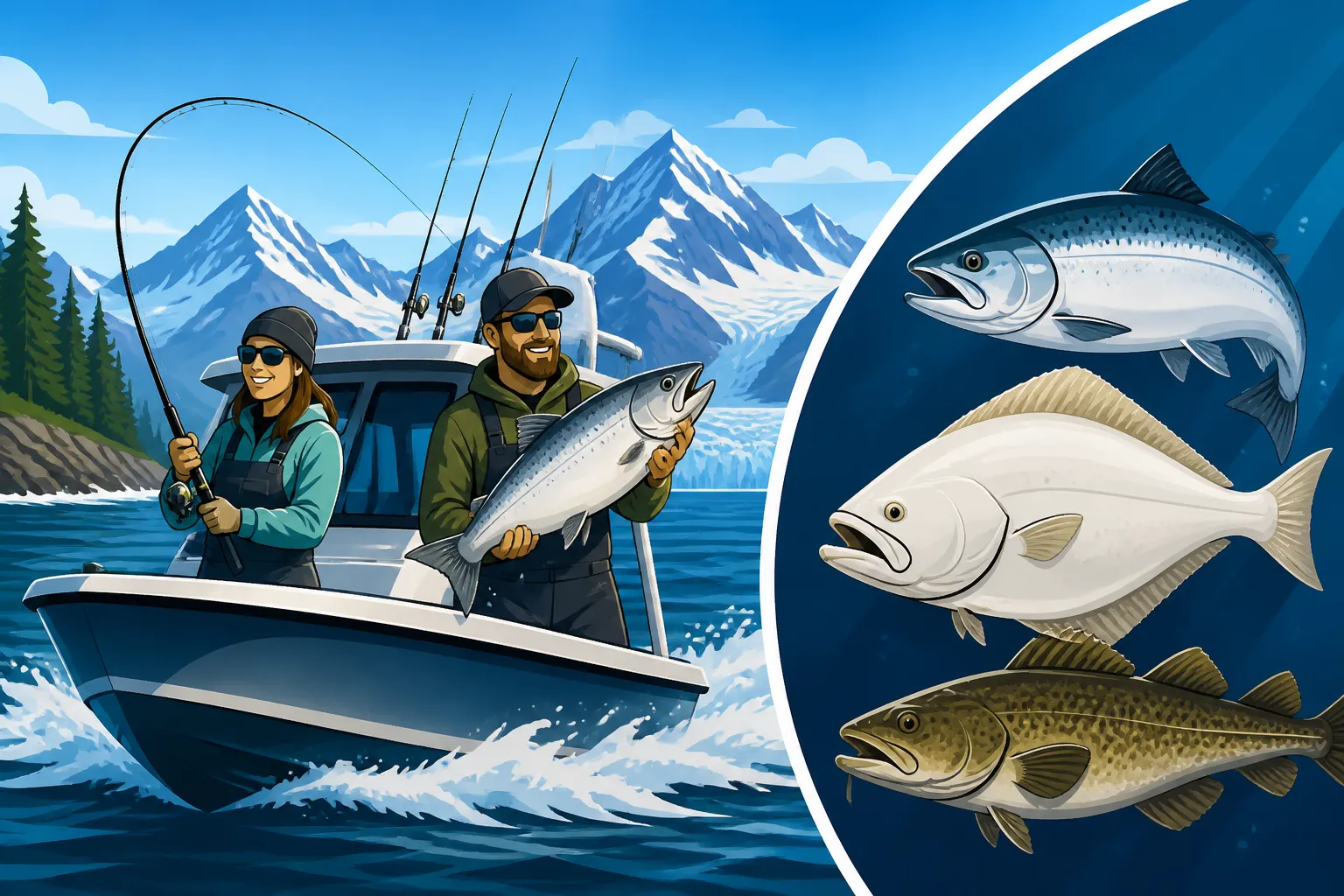
For instance, the quintessential Alaska combo is often a salmon and halibut trip. You might start deep-dropping for giant halibut, then move to shallower waters or a nearby river mouth to troll or mooch for king or silver salmon. Other popular combinations might involve targeting a different salmon species, like sockeye, in a freshwater river section, combined with a saltwater trip for bottom fish. The specific combinations offered will heavily depend on the season and the fishing location you choose, as different areas excel in different types of fishing at various times of the year.
Why Choose a Combo Charter?
Deciding on a fishing trip in Alaska can be overwhelming. You hear tales of enormous halibut, ferocious king salmon, and acrobatic silver salmon, and you naturally want a piece of it all. This is where combo charters shine, addressing that very dilemma with practical benefits, though it's important to also acknowledge potential trade-offs.
Maximizing Your Time and Species
One of the biggest frustrations for visitors to Alaska is the sheer abundance of incredible fishing opportunities coupled with limited vacation time. You’ve traveled all this way, and you want to experience as much as possible! A combo charter is your golden ticket to truly maximizing your angling adventure. Instead of dedicating an entire day to just one species, only to wonder what it would have been like to chase another, a combo trip allows you to target multiple species in a single outing.
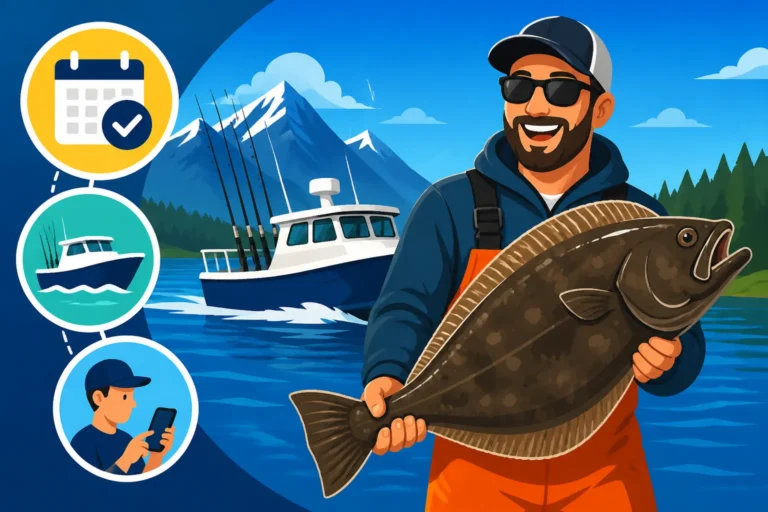
Imagine landing a hefty halibut in the morning off the coast of Homer, then transitioning to casting for energetic silver salmon in the protected waters of Kachemak Bay in the afternoon. This dual experience not only broadens your fishing horizons but also significantly increases your chances of returning home with a diverse cooler full of fish. For many, it's about checking off multiple bucket list items in one fell swoop, ensuring that every minute on the water is packed with potential action and varied thrills. This efficiency is especially valuable if you're only in an area for a few days, allowing you to sample the best of both worlds without feeling like you missed out.
Cost-Effectiveness
At first glance, combo charters might seem a bit pricier than a single-species trip. However, when you break down the logistics and consider the overall value, they can often be a surprisingly cost-effective solution. If you were to book two separate full-day charters – one for halibut and one for salmon – you'd be paying for two boat trips, two sets of fuel, and two guide fees. A combo charter, while longer, consolidates these costs into a single outing.
Think about the time saved on travel between different launch points or fishing grounds, the single booking process, and the convenience of having all the necessary gear provided by one outfit for both types of fishing. This streamlined approach can lead to significant savings compared to arranging multiple individual charters. Plus, if you book through platforms like FishingBooker, you can often compare prices and what's included in various combo packages to find the best deal that fits your budget and fishing aspirations. It's about getting more diverse fishing experiences for a potentially lower overall investment of both money and precious vacation time.
Potential Drawbacks
While combo charters are fantastic for variety, they aren't without a few potential downsides that it's good to be aware of. The main one is that you might not get as much dedicated time on any one species compared to a full-day, single-species trip. If your absolute, unwavering goal is to catch a "barn door" halibut and nothing else matters, a combo trip where you only spend half a day deep-dropping might not offer the same focused pursuit as a full 8-10 hour halibut-specific excursion.
Another consideration is the travel time involved in switching between different fishing grounds or techniques. While efficient, transitioning from deep-sea halibut grounds to a shallower salmon trolling area takes time out of your fishing day that could otherwise be spent with a line in the water. Weather can also be a factor; if conditions are perfect for halibut but rough for salmon, or vice versa, the "combo" aspect might be compromised, potentially leading to a less productive experience for one of the target species. It's a balance: trading specialized focus for diverse opportunity.
Types of Combo Charters Available
Alaska is vast, and its fishing opportunities are incredibly diverse. This means combo charters come in various flavors, each catering to different angling preferences and geographical specialties. Understanding the most common types can help you narrow down your choices and find the perfect fit for your Alaskan adventure.
Salmon and Halibut Combos
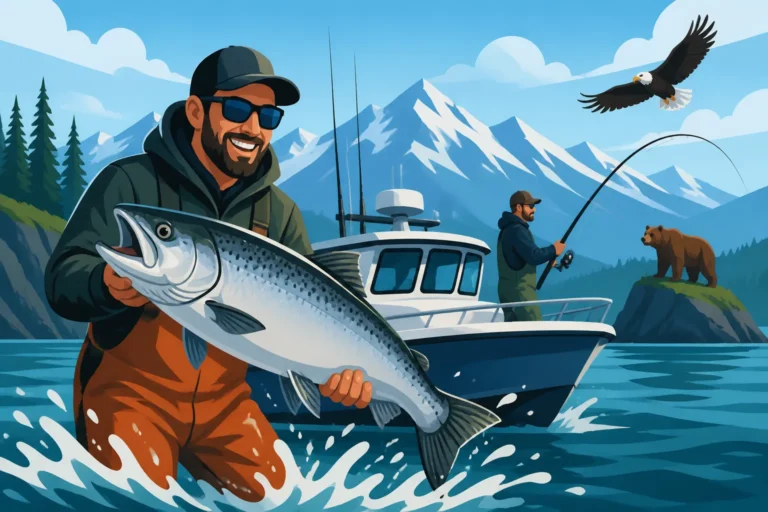
This is hands down the most popular and iconic combo charter in Alaska, and for good reason. Both salmon and halibut are immensely popular sport fish, and many coastal towns, especially those in Southcentral Alaska like Homer, Seward, and Valdez, offer fantastic opportunities for both. Imagine the thrill of battling a hard-running King Salmon (Chinook) or a high-jumping Silver Salmon (Coho) in the morning, followed by the deep, powerful fight of a barn-door halibut in the afternoon.
These trips typically involve heading out into the open ocean or larger bays for halibut, often using heavy gear for bottom fishing or jigging. Then, the charter boat will move to a different area, perhaps a protected cove, a river mouth, or an area known for salmon schools, to switch to trolling, mooching, or even casting for salmon. The guides are experts at timing these transitions, maximizing your chances for both species. It's truly a quintessential Alaska experience, often allowing you to bring home two distinct, delicious types of fish. When considering the best time to fish in Alaska, many anglers aim for the overlap in halibut and salmon seasons for these very trips.
Salmon and Rockfish/Lingcod Combos
While halibut gets a lot of the spotlight, Alaska's waters are also teeming with other incredible bottom fish, particularly various species of rockfish and the formidable lingcod. These fish provide excellent sport and table fare, and they often inhabit similar rocky structures to where halibut might be found, making them a natural combo partner. You'll often find these offered alongside or as an alternative to halibut, especially in areas where rockfish populations are robust, like Prince William Sound or Southeast Alaska.
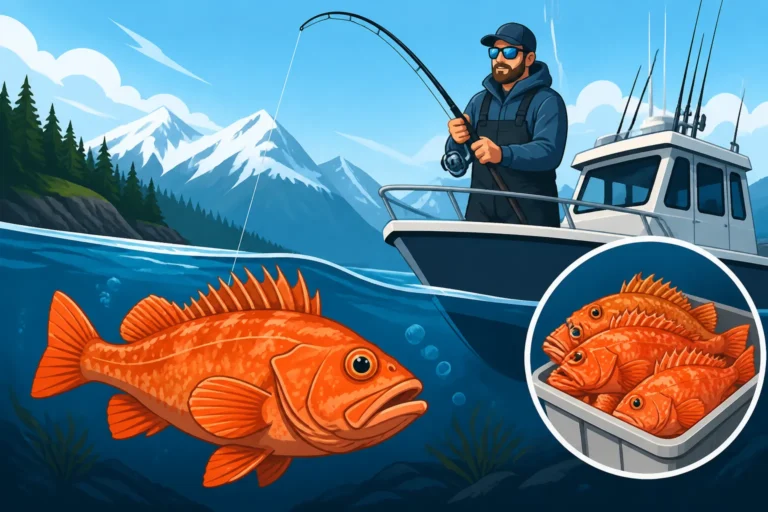
A charter might begin by targeting salmon, perhaps trolling near shore or at a river entrance, and then shift gears to jigging or bait fishing over reefs and rocky pinnacles for rockfish and lingcod. Rockfish, like the vibrant yelloweye or chunky black rockfish, offer a steady bite and make for excellent fillets. Lingcod are aggressive predators that can grow quite large, providing an intense fight. These combos can be a great option if you want to diversify your saltwater catch even further beyond just salmon and halibut, or if you're looking for an alternative when halibut limits are tighter. Remember to check Alaska Rockfish Deepwater Release Device Rules, as these are often required when fishing for bottom fish.
Freshwater and Saltwater Combos
This type of combo charter offers the ultimate diversity, allowing you to experience both the tranquil beauty of Alaska's rivers and the vastness of its ocean. While less common to find explicitly marketed as a single-day package due to logistical complexities, some multi-day packages or custom trips can be arranged to include both. You might spend a day or two targeting Sockeye Salmon on the Kenai River with a drift boat guide, and then head out of Seward for a day of halibut and silver salmon fishing in Resurrection Bay.
These experiences are often provided by lodges or specialized outfitters that have access to both river guides and ocean-going vessels. It’s a fantastic way to witness the stunning contrasts of Alaska's landscapes and fisheries. You might go from wading a pristine river for Rainbow Trout or Dolly Varden, to fighting King Salmon in a larger river, and then out to the big water for saltwater species. This truly allows for a comprehensive Alaskan fishing adventure, touching on many of the species found in Alaska Fish Species Guide. This type of combo requires more planning and usually a larger budget, but the breadth of experience is unparalleled.
| Combo Type | Primary Species Targeted | Typical Locations | Experience Level | Key Benefit |
|---|---|---|---|---|
| Salmon & Halibut | King, Silver, Sockeye Salmon; Pacific Halibut | Homer, Seward, Valdez, Sitka, Ketchikan | All Levels | Iconic Alaskan experience, diverse fillets, high probability of success. |
| Salmon & Rockfish/Lingcod | King, Silver, Sockeye Salmon; Yelloweye, Black Rockfish, Lingcod | Seward, Sitka, Prince William Sound, Southeast Alaska | Intermediate | Excellent alternative to halibut, aggressive bites, great eating fish. |
| Freshwater & Saltwater | Salmon (all species), Rainbow Trout, Dolly Varden; Halibut, Rockfish | Kenai Peninsula (e.g., Kenai River, Homer/Seward), Bristol Bay (fly-out options) | Intermediate-Expert | Ultimate diversity, contrasting environments, comprehensive Alaska experience. |
How to Pick the Best Combo Charter for You
Choosing the perfect combo charter in Alaska isn't just about finding the first available boat. It's about aligning the trip with your personal fishing goals, your group's dynamic, and the practicalities of your travel plans. Taking a little time to consider these factors upfront will ensure you book an adventure that truly lives up to your expectations.
Considering Your Target Species
The first and most crucial step in selecting a combo charter is to clearly define what fish you absolutely, positively want to catch. Are you dreaming of the brutal fight of an Alaska King Salmon Fishing Regulations and Limits, or the immense size of an Alaska Halibut? Perhaps you're keen on the acrobatic leaps of a Silver Salmon (Coho) and the consistent action of rockfish. Not all combos are created equal, and not all locations excel at all species simultaneously.
If King Salmon and Halibut are your top two, then you'll want to focus on charters that specifically offer strong opportunities for both, likely around peak King Salmon Run Timing (typically May-July) and when Halibut are abundant. If you're more interested in high-volume action and delicious fillets, a Silver Salmon and Rockfish combo might be more up your alley, usually thriving later in the summer. Don't be shy about asking charter operators directly about their typical success rates for each species on their combo trips during your planned travel dates. A good charter company will be transparent about what's realistically achievable.
Assessing Your Group's Needs and Skill Levels
Fishing trips are often shared experiences, and the best combo charter will cater not just to your individual desires but to everyone in your party. Think about the varying skill levels, physical capabilities, and expectations within your group. Is it a family trip with young children who might prefer more consistent action over long waits for trophy fish? Or is it a group of seasoned anglers looking for a challenging deep-sea battle?
For instance, if you're bringing kids or beginners, a combo that focuses on slightly less strenuous fishing, like trolling for salmon combined with some jigging for rockfish, might be more enjoyable than an all-day deep drop for halibut which can be physically demanding. Consider if anyone in your group is prone to seasickness, as a full day on the open ocean might be more challenging than a trip that includes some time in protected waters or on a river. Discussing these factors openly with your group and with potential charter operators is key. A reputable outfitter will be able to suggest the best Alaska fishing charters for families, ensuring everyone has a memorable and comfortable experience.
Location, Location, Location
In Alaska, where you fish can be just as important as when you fish, especially for combo trips. Different regions and towns specialize in different types of fishing and offer distinct combo opportunities. For example, Homer is often lauded as the "Halibut Fishing Capital of the World," and many charters there will expertly combine halibut with salmon fishing in Kachemak Bay. Seward, on the other hand, is a fantastic jumping-off point for deep-sea halibut, lingcod, and rockfish, often combined with trolling for salmon in Resurrection Bay.
Southeast Alaska towns like Sitka and Ketchikan are legendary for their salmon runs and also offer incredible bottom fishing. If you're looking for a combination that includes river fishing, you might focus on areas on the Kenai Peninsula, where you can find guides for the Kenai River for salmon and trout, along with proximity to saltwater ports. Understanding the geographical specialties and the logistics of getting to and from these fishing hubs is vital. Your choice of fishing location will directly influence the types of combo charters available and the species you're most likely to encounter. Exploring options for the Best Fishing Spots in Alaska can give you a better idea of where to focus your search.
Booking Your Alaska Combo Charter
Once you've decided on the type of combo charter and where you want to fish, the next step is securing your spot. Booking an Alaskan fishing trip, especially a popular combo charter, requires some strategic planning.
When and How to Book
Alaska's fishing season is relatively short, intense, and incredibly popular. The prime months for combo charters, especially those involving King Salmon and Halibut, are typically June, July, and August. This means that prime dates and the best guides book up incredibly fast, sometimes a year or more in advance. If you have specific dates in mind or are traveling with a large group, booking as early as possible is absolutely essential. Don's risk disappointment by waiting until the last minute.
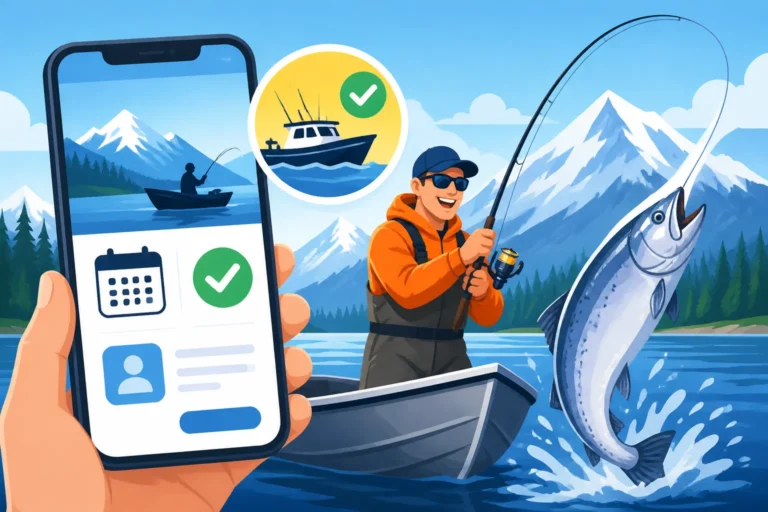
Many reputable charter companies have their calendars open well in advance. You can often book directly through their websites, or utilize online booking platforms like FishingBooker, which can give you a wide array of options and allow you to compare different operators and their available dates. These platforms can also provide reviews from previous anglers, giving you insights into the charter's reputation and quality. Don't forget to ask about their deposit and cancellation policies, especially given Alaska's unpredictable weather.
What to Ask Your Charter Operator
Before you commit to a booking, having a list of questions ready for your potential charter operator is a smart move. This ensures clarity, helps manage expectations, and confirms that the charter aligns with your vision of the perfect fishing day. Don't be afraid to ask detailed questions; a professional operator will appreciate your thoroughness.
Here are some key questions to consider:
- "What specific species are we most likely to target on a combo trip during my chosen dates?"
- "How is the time typically split between the different types of fishing (e.g., half-day halibut, half-day salmon)?"
- "What kind of gear and tackle do you provide for each species? Is it suitable for trophy fish?" (Refer to Alaska Fishing Gear and Tackle Guide for context.)
- "What is your policy if weather conditions make one part of the combo unsafe or unproductive?"
- "What's included in the price? Does it cover fish cleaning, processing, or a King Salmon Stamp if needed?" (This can vary, so clarifying the Alaska Fishing Charter Cost Explained is important.)
- "How many other anglers will be on the boat? Is this a private or shared charter?"
- "What are the current Alaska Halibut Daily Limit for Charter Anglers and salmon bag limits for the dates I'm interested in?" Emergency Orders can change these in-season.
Clear communication upfront helps avoid any surprises and sets the stage for a smooth and enjoyable trip. For a deeper dive into vetting, read How to Choose an Alaska Fishing Charter.
Preparing for Your Trip
Once your combo charter is booked, it’s time to start preparing so you can make the most of your adventure. Alaska's weather is famously fickle, often swinging from bright sunshine to chilly rain in a matter of hours, even in summer. Layering is critical! Think waterproof outer layers, warm fleece or wool mid-layers, and moisture-wicking base layers. Good waterproof boots are also a must. You can find more detailed advice in articles like How to Dress for Alaska Fishing.
Beyond clothing, consider motion sickness medication if you're prone to seasickness, even if part of your trip is in calmer waters. Bring sunglasses, sunscreen, a hat, and a camera to capture those unforgettable moments. While most charters provide all the necessary fishing gear, you might want to bring your preferred pair of fishing gloves. Finally, don't forget to purchase your Alaska Fishing License: Complete Guide and any necessary King Salmon Stamps before you head out. Your charter operator can advise on what’s needed, but it’s ultimately your responsibility. Being prepared allows you to focus entirely on the thrill of the catch!
Disclaimer
The information provided in this guide is for general informational purposes only and does not constitute professional advice. Alaska fishing regulations, seasons, and bag limits are subject to change, often with little notice, due to emergency orders issued by the Alaska Department of Fish and Game. Always consult the most current Alaska Fishing Regulations Explained and check for emergency orders before planning and embarking on any fishing trip. Fishing carries inherent risks, and it is the responsibility of each individual to ensure their own safety and comply with all applicable laws and regulations.