Alaska Emergency Order Hotline and App Explained
Few things are as frustrating as meticulously planning an epic Alaska fishing trip, only to discover that the regulations you studied weeks ago have changed overnight. Alaska's fisheries are incredibly dynamic, and what was legal yesterday might be closed today due to conservation concerns or shifting fish runs. This guide is here to shed light on how to navigate these sudden shifts, specifically focusing on the Alaska Department of Fish and Game's (ADF&G) crucial emergency order hotline and its convenient mobile app, ensuring you're always in the know and ready to adapt.
Understanding Alaska Emergency Orders
Imagine waking up eager for a day of fishing, only to hear whispers that the river you planned to hit is now closed to your target species. This scenario isn't just a hypothetical nightmare; it's a very real possibility when fishing in Alaska. Emergency Orders (EOs) are a critical tool the Alaska Department of Fish and Game uses to manage fisheries in real-time, responding to biological needs, environmental changes, or even unexpected fish abundance. They are the frontline defense for preserving Alaska's precious natural resources, but they can certainly throw a wrench into even the best-laid plans.
What Are Emergency Orders and Why Do They Happen?
At its core, an emergency order is a regulatory change issued by the ADF&G that supersedes the published fishing regulations booklet. Think of it as an immediate, temporary amendment to the rulebook. These orders aren't arbitrary; they are the result of biologists and fishery managers constantly monitoring fish stocks across the state. The reasons for issuing an emergency order are usually tied directly to the health of the fish population or the sustainability of the fishery.
For example, if a specific salmon run, like the early-season King Salmon returning to the Kenai River, is projected to fall below escapement goals (the minimum number of fish needed to successfully spawn and sustain the population), ADF&G might issue an emergency order to close the fishery, reduce bag limits, or impose gear restrictions (like single-hook, unbaited lures only). This immediate action is vital to ensure enough fish make it upstream to spawn, safeguarding the future of the species. Similarly, an unexpectedly strong return of Sockeye Salmon might lead to an emergency order expanding bag limits or opening areas previously closed, offering anglers more opportunity. These changes can happen with little advance warning, sometimes just hours before they take effect, making vigilance absolutely essential for any angler. Understanding why Alaska closes King Salmon fisheries or implements other restrictions can help you appreciate their necessity.
The Immediate Impact on Your Fishing Trip
The impact of an emergency order on your planned fishing adventure can range from a minor inconvenience to a complete overhaul of your itinerary. For instance, if you've planned a week-long trip to the Kasilof River specifically for King Salmon, an emergency order closing that fishery could mean you need to pivot entirely. You might have to switch to targeting a different species, move to a different river, or even cut your trip short if your primary target is unavailable.
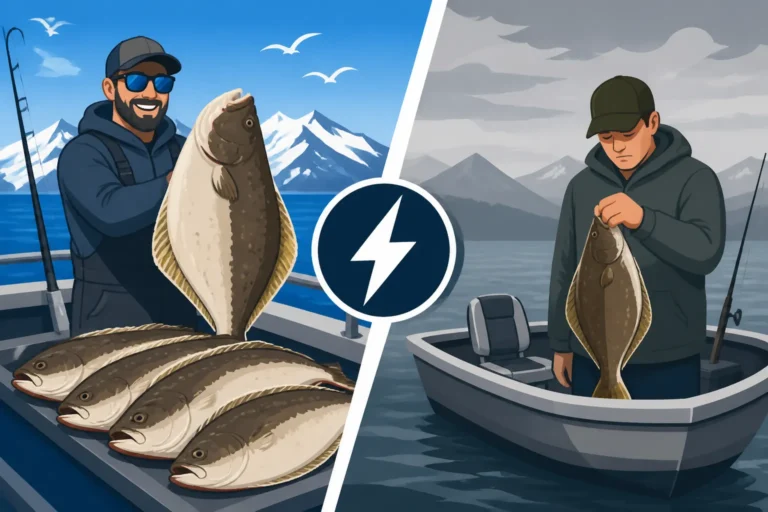
Beyond full closures, EOs often alter specific regulations. You might find that the daily bag limit for Halibut is suddenly reduced from two fish to one, or that the legal fishing hours for a certain stream are shortened. Gear restrictions are also common; a river that typically allows bait might suddenly become "artificial lures only" to reduce incidental mortality of fish not being targeted. Missing these critical updates can lead to frustrating encounters with law enforcement, citations, and even fines, completely derailing the joy of your trip. It's not just about knowing the standard Alaska Fishing Regulations Explained; it's about staying current with the ever-changing landscape. Imagine trying to use bait on the Russian River for Sockeye when an EO has just made it flies-only – a quick check could save your entire day.
Navigating the Alaska Department of Fish and Game (ADF&G) Tools
Staying on top of these dynamic regulations can feel like a full-time job, especially if you're traveling from out of state or moving between different fishing regions. Thankfully, the ADF&G provides several invaluable tools to help anglers remain informed and compliant. These resources are designed to deliver real-time information directly to you, minimizing the chances of an unexpected regulatory surprise.
The ADF&G Emergency Order Hotline: Your Direct Line
Before smartphones were ubiquitous, the emergency order hotline was, and still is, a cornerstone for staying informed. This telephone service provides pre-recorded messages detailing the latest regulatory changes for specific regions and fisheries. While it might seem a bit old-school, it remains an incredibly reliable source, especially for those who might not have consistent internet access in remote areas or prefer direct audio updates.
To use it effectively, you typically call a main statewide number, which then directs you to various regional hotlines or specific fishery updates. For instance, there might be a dedicated line for the Kenai Peninsula, another for Southcentral, and so on. The messages are usually clear and concise, detailing what has changed, where the change applies, when it takes effect, and why it was implemented. Before heading out each day, particularly if you're targeting sensitive species like King Salmon or fishing in heavily managed areas, making a quick call to the relevant regional hotline is a smart move. It’s a good habit to incorporate into your morning routine, right after that first cup of coffee. This ensures you're fishing legally and responsibly, protecting both yourself and Alaska's precious fish stocks. Always double-check where to find Alaska Emergency Order Announcements, as the specific numbers can sometimes be updated.
The ADF&G Mobile App: Real-Time Updates in Your Pocket
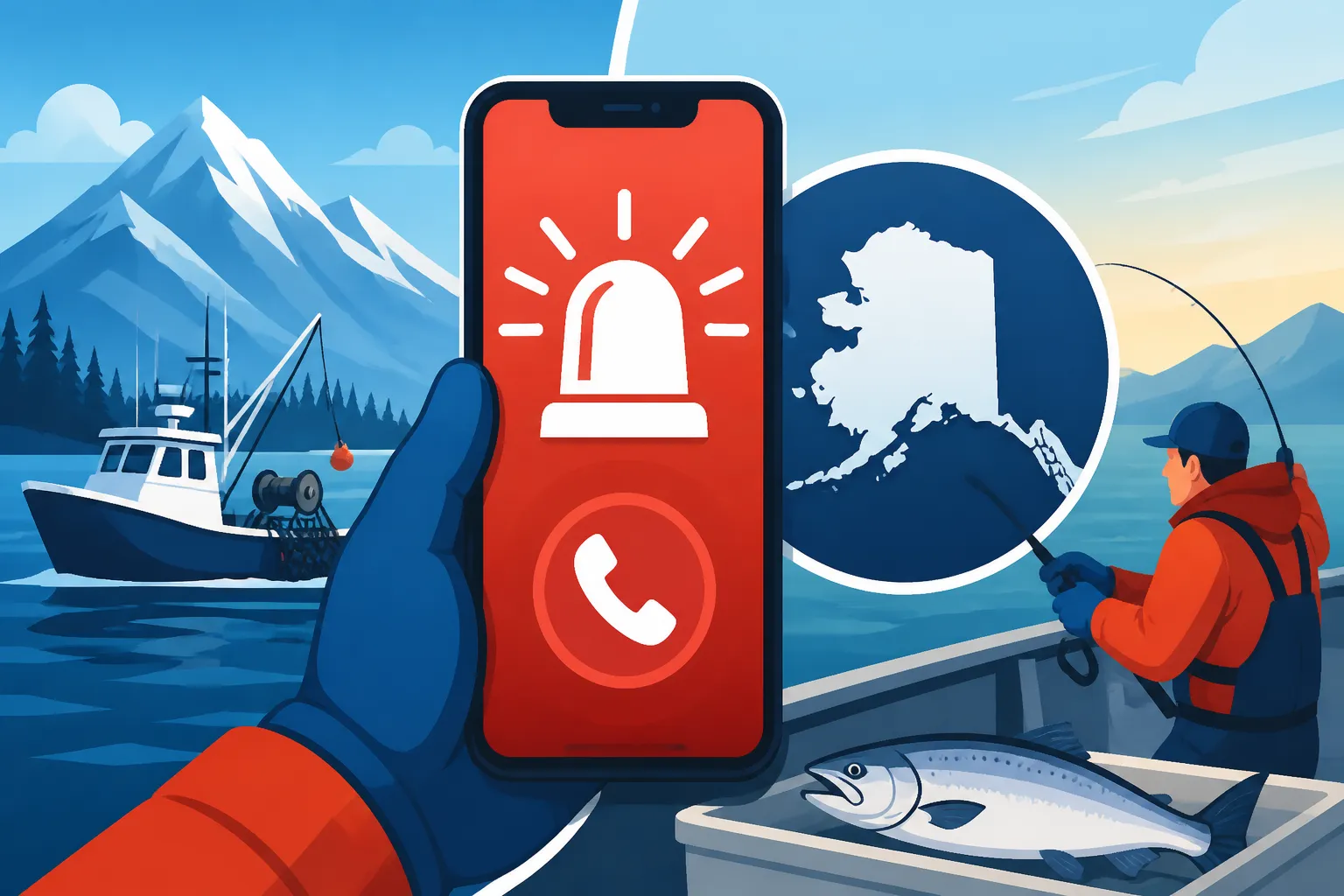
In today's digital age, the ADF&G has stepped up its game with a dedicated mobile application, designed to bring emergency order notifications directly to your smartphone. This app is a game-changer for many anglers, offering a convenient and immediate way to receive updates, often with push notifications that alert you the moment a new order is issued.
The app typically features a user-friendly interface where you can select specific regions or fisheries you're interested in, ensuring you only receive alerts relevant to your plans. It often includes links to the full text of emergency orders, detailed maps, and even summaries of current regulations. Imagine being on the road heading to the Kenai River and getting a push notification that the Sockeye Salmon limit has just been increased – talk about a morale boost! Or, conversely, a notification that an area has closed due to low returns, allowing you to adjust your plans proactively instead of arriving at a closed fishery. The convenience of having these updates literally in your pocket, even in areas with spotty cell service (as long as you download updates when you do have service), makes the ADF&G app an indispensable tool for any serious angler in Alaska. It effectively answers the question of How Often Do Alaska Fishing Rules Change by providing immediate updates.
Other Reliable Sources for Updates
While the hotline and app are your primary and most immediate sources for emergency order information, it's wise to cast a wider net when seeking regulatory updates. The official ADF&G website is an excellent resource, often hosting a dedicated section for emergency orders with searchable archives and clear explanations. This is particularly useful for looking up details or historical orders.
Beyond digital tools, don't underestimate the value of local expertise. Tackle shops in towns like Soldotna, Seward, or Homer are often buzzing with the latest fishing news, including recent emergency orders. The folks working there are usually local anglers themselves, and they often have bulletin boards or even verbal updates about what's open, what's closed, and what the current hot bite is. Similarly, reputable Alaska Fishing Charters and guides are legally obligated to know and adhere to all regulations, including emergency orders. They often receive direct communications from ADF&G or are constantly checking the official sources. If you're using a guide, they should be your first point of contact for day-of regulatory changes, ensuring a smooth and compliant fishing experience. Combining these resources gives you a robust system for staying informed.
Practical Tips for Staying Compliant and Prepared
Alaska's ever-changing fisheries demand a flexible mindset and a proactive approach to regulation compliance. It's not enough to simply know about the hotline and app; you need to integrate them into your fishing routine. Being prepared for sudden changes is part of the adventure, and with the right habits, you can minimize surprises and maximize your time on the water.
Integrating Emergency Orders into Your Trip Planning
The key to navigating Alaska's dynamic regulations is constant vigilance, starting long before you even cast a line. When you're in the initial stages of planning your trip, consult the official ADF&G website and look at past emergency orders for your target areas and species. This can give you a sense of historical trends and what kinds of changes might be likely. For example, if you're planning an August trip for Silver Salmon, look back at how those fisheries were managed in previous years.
Once your trip is booked, make it a habit to check the ADF&G app or hotline regularly, especially in the week or two leading up to your departure. This allows you time to adjust reservations or re-strategize if a major change occurs. Even after you arrive in Alaska, make checking for EOs a daily ritual – perhaps over breakfast or the evening before your next fishing day. Many anglers carry a printout or screenshot of the current regulations for their specific area, but remember, these can become outdated quickly. Always verify with the app or hotline. This diligent approach is critical to staying within Alaska Fishing Limits and Bag Limits Explained.
What to Do When an Emergency Order Changes Your Plans
So, you've done everything right, but an emergency order still throws a curveball. Don't panic! Flexibility is an angler's best friend in Alaska. If your primary target fishery closes, consider these alternatives:
- Shift Species: Is there another species running in the area? If King Salmon are closed, perhaps Sockeye or Rainbow Trout are still open and biting. Adjusting your gear and technique for a different fish can still salvage a great day on the water. Learn how to catch King Salmon in Alaska, but also be ready to switch to how to catch Sockeye Salmon in Alaska.
- Move Locations: Alaska is vast! If the Kenai River has an emergency closure, maybe the Kasilof River or a nearby lake is still open. Research alternative fishing spots in Alaska that are within driving distance or a short flight. Having a Plan B or C for different regions can be invaluable. The Best Fishing Spots in Alaska are numerous, so always have options.
- Explore Different Activities: If fishing isn't an option, Alaska offers incredible opportunities for hiking, wildlife viewing, flightseeing, or even exploring local towns like Homer or Seward. Sometimes, a "fishing trip" turns into a broader "Alaska adventure," and that's perfectly okay.
- Connect with Local Experts: Reach out to your booked charter, local tackle shops, or other guides. They are often the first to know about alternative opportunities or areas that are still producing. Their local knowledge can guide you to productive waters that might not be immediately obvious.
It's about embracing the challenge and finding a new path to adventure, rather than letting a regulation change ruin your entire experience.
Essential Gear for Staying Connected
In this day and age, a smartphone is as crucial as your fishing rod for an Alaska fishing trip, especially for accessing the ADF&G app and staying in touch. But good cell service isn't guaranteed in all of Alaska's wild reaches. Here are some gear recommendations to keep you connected and informed:
- Reliable Smartphone: This is your primary portal to the ADF&G app. Make sure it's fully charged each day.
- Portable Power Bank: A high-capacity power bank is an absolute must-have. You'll be using your phone for navigation, photos, and, of course, checking emergency orders. Running out of juice in the middle of nowhere is not fun. Many excellent options are available on Amazon that can charge your phone multiple times over.
- Waterproof Phone Case: Alaska weather can be unpredictable, and being around water, rain, and fish slime means your phone is constantly at risk. A good waterproof case, like those from brands such as OtterBox or LifeProof, bought conveniently from Amazon, will protect your device.
- Satellite Communicator (for remote trips): If you're venturing into truly remote areas without cell service, a satellite communicator (like a Garmin inReach or Zoleo) is essential, not just for emergency orders (though some have limited messaging capabilities for quick checks) but primarily for safety and communication with the outside world. While these won't stream the ADF&G app, they provide a lifeline.
- Regional Maps (physical or offline digital): Always have a backup! If your phone dies or you lose service, a good old-fashioned map can help you find alternative spots or navigate. Download offline maps to your phone beforehand from apps like Gaia GPS or Google Maps.
Being equipped with these tools ensures that even when you're deep in the wilderness, you have the means to stay informed and safe.
Comparing ADF&G Information Tools
To help you decide which tool is best for what situation, here’s a quick comparison of the ADF&G Emergency Order Hotline and the mobile app:
| Feature | ADF&G Emergency Order Hotline | ADF&G Mobile App |
|---|---|---|
| Accessibility | Phone call required, regional numbers may vary | Smartphone required, internet access for initial download/updates |
| Real-Time Updates | Generally updated quickly, but requires active checking | Push notifications for instant alerts |
| Information Format | Audio recording (concise summary) | Text, links to full orders, maps, detailed regulations |
| Ease of Use | Simple, direct listening | User-friendly interface, customizable region alerts |
| Offline Capability | None (requires phone service to call) | Limited (requires internet for updates, but can view downloaded info offline) |
| Data Usage | Minimal (voice call) | Requires data for downloads and updates |
| Best For | Remote areas with phone service but no internet, quick audio checks, backup method | Daily updates, detailed reading, visual learners, proactive alerts |
This table highlights that while both tools serve the same purpose, they each have strengths that make them valuable in different situations. For example, if you’re out on a boat with spotty data but good cell signal, the hotline might be your best bet. Conversely, if you're planning your trip from home, the app provides a comprehensive overview. Some anglers find downloading fishing apps from Amazon to be a useful complement to the official ADF&G app, offering additional mapping or fish identification features.
Disclaimer
The information provided in this guide is intended for general informational purposes only and is not a substitute for checking current, official Alaska Department of Fish and Game regulations and emergency orders. Fishing regulations in Alaska are subject to change without notice. Always consult the official ADF&G website, mobile app, or hotline before engaging in any fishing activity. Non-compliance with regulations can result in fines, penalties, and forfeiture of catch and gear.