Best Charters in Kodiak Alaska
Planning a fishing trip to Kodiak, Alaska, can feel overwhelming. You dream of landing that trophy halibut or a feisty king salmon, but figuring out which charter to trust with your precious angling adventure in such a vast and wild place can be a daunting task. This comprehensive guide is here to walk you through everything you need to know to pick the perfect Kodiak fishing charter, ensuring your trip to the "Emerald Isle" is nothing short of spectacular.
Why Choose Kodiak for Your Fishing Adventure
Kodiak Island, often called the "Emerald Isle" due to its lush green landscape, offers an unparalleled fishing experience that truly sets it apart from other Alaskan destinations. This isn't just another fishing town; it's a unique blend of rugged wilderness, abundant marine life, and a rich historical tapestry that dates back to Russian colonial times. Anglers are drawn here not only for the incredible fishing but also for the immersive Alaskan adventure.
Untamed Wilderness and Abundant Fisheries
The sheer wildness of Kodiak is what captivates many. The island boasts a diverse ecosystem, from dense forests to dramatic coastlines, all teeming with wildlife both on land and in its surrounding waters. When you’re out on a charter, it's not uncommon to spot sea otters, Stellar sea lions, puffins, and even Kodiak brown bears on the distant shorelines. This immersion in nature enhances every fishing trip. The waters around Kodiak are renowned for their robust populations of Pacific halibut, all five species of Pacific salmon, lingcod, and various rockfish, making it a prime destination for a variety of angling pursuits.
The island's isolation means less fishing pressure in many areas compared to more easily accessible parts of Alaska. This often translates to healthier fish stocks and a greater chance of a memorable catch. The complexity of its coastline, with numerous bays, inlets, and offshore reefs, provides a multitude of fishing grounds, ensuring that skilled captains can almost always find a productive spot, even when weather patterns shift. This deep connection to the wild heart of Alaska is a core part of the Kodiak fishing appeal.
Diverse Fishing Opportunities
Kodiak truly shines in its versatility for anglers. Whether you dream of a deep-sea battle with a massive halibut or the thrill of salmon tearing through river currents, Kodiak has it all. The options range from saltwater charters targeting pelagic species to freshwater excursions into the island's many rivers and streams. This variety means you can tailor your trip to your specific fishing preferences, or even combine multiple experiences into one unforgettable vacation.
Imagine spending one day battling a barn-door halibut offshore, feeling the immense power of the ocean, and the next, casting flies for vibrant rainbow trout in a remote stream only accessible by floatplane. Kodiak makes these dreams a reality. Many charters offer combo trips that allow you to pursue multiple species in a single day or over several days, maximizing your chances of a diverse catch. This diversity is why Kodiak is a fantastic choice for both seasoned anglers looking for new challenges and families seeking a memorable, varied outdoor experience.
Key Factors When Choosing a Kodiak Charter
Selecting the right Kodiak fishing charter is crucial for a successful and enjoyable trip. It’s not just about finding an available boat; it’s about aligning your expectations with what the charter offers, ensuring safety, and getting the most value for your hard-earned money. Don't rush this decision, as the right choice can make all the difference.
Researching Reputable Operators
The first step in finding a great charter is thorough research. Start by looking for established operators with a proven track record. Online reviews on platforms like Google, TripAdvisor, and specialized fishing booking sites such as FishingBooker can offer valuable insights into other anglers' experiences. Pay close attention to consistency in positive feedback regarding the captain's expertise, the crew's professionalism, and the condition of the boat and gear. A charter that has been operating for many years often indicates reliability and a deep understanding of local waters.
Beyond online reviews, word-of-mouth recommendations from fellow anglers or even local tourism boards can be incredibly helpful. Don't hesitate to contact the charter directly with questions before booking. A reputable operator will be transparent about their services, pricing, and safety protocols. They should also be able to provide clear details about their vessel, fishing techniques, and what you can realistically expect to catch during your trip. Asking about their contingency plans for bad weather is also a smart move, as Alaska's conditions can change rapidly.
Understanding Charter Specializations
Not all fishing charters are created equal, and many specialize in certain species or techniques. Some Kodiak charters are renowned for their pursuit of monster halibut in the deep offshore waters, while others focus on exhilarating salmon runs in nearshore areas or river systems. It's vital to clarify what a charter primarily targets to ensure it matches your angling goals. If your dream is to hook a trophy King Salmon, you wouldn't want to book a charter that primarily focuses on rockfish, no matter how good their reviews are.
Consider if you want a dedicated trip for a specific fish, or if a combo trip (e.g., halibut and salmon) is more appealing. Some charters are set up for deep-dropping for lingcod and rockfish, requiring specialized gear and knowledge of specific bottom structures. Others might offer fly-out trips to remote lakes and rivers for rainbow trout or sockeye salmon. Understanding these specializations is key. Make sure to discuss your target species and desired fishing style when inquiring about a trip, and confirm that the charter is well-equipped and experienced in those specific pursuits. You might find more detailed information by looking into what different operators highlight on their websites or by reading about the "Best Salmon Fishing Guides in Alaska" or "Best Halibut Charters in Alaska" for broader context.
Safety and Equipment Standards
Your safety on the water is paramount, especially in the often unpredictable Alaskan environment. A top-tier Kodiak fishing charter will always prioritize safety, adhering to all U.S. Coast Guard regulations and maintaining their vessels to the highest standards. This includes having up-to-date safety equipment such as life rafts, EPIRBs (Emergency Position Indicating Radio Beacons), first-aid kits, and proper communication systems. A well-maintained boat with modern electronics for navigation and fish-finding is also a strong indicator of a professional operation.
Beyond safety gear, the quality of the fishing equipment provided makes a huge difference. High-quality rods, reels, lines, and tackle not only increase your chances of landing fish but also prevent frustrating equipment failures. Ask about the brands of gear they use and whether it's regularly inspected and replaced. A good charter will provide appropriate gear for the target species and conditions, meaning sturdy rods and reels for halibut, and lighter, more sensitive setups for salmon. Don't hesitate to inquire about the condition of their gear. After all, you don't want to lose the fish of a lifetime because of a rusty reel or frayed line.
Types of Fishing Charters in Kodiak
Kodiak's diverse waters support a variety of fishing experiences, and charters have adapted to cater to these different pursuits. Understanding the main types of charters available will help you narrow down your choices and select the adventure that best suits your angling dreams.
Saltwater Bottom Fishing Charters
Saltwater bottom fishing charters are incredibly popular in Kodiak, primarily targeting the mighty Pacific halibut. These trips typically involve heading offshore, sometimes many miles, to deep ocean waters where these flatfish lurk. The experience often includes heavy-duty tackle, substantial lead weights, and bait such as herring or salmon scraps, or large jigs to entice a strike. The battle with a large halibut can be physically demanding but incredibly rewarding, making it a bucket-list experience for many anglers.
Beyond halibut, these charters also target a variety of rockfish, including the prized yelloweye, lingcod, and sometimes even Pacific cod. Lingcod are particularly aggressive and offer a thrilling fight, often found in rocky, reef-like structures. Charters specializing in bottom fishing will know the best offshore banks and pinnacles where these species congregate. You can expect a good captain to use fish finders and GPS to precisely locate prime fishing grounds. These trips require sturdy boats capable of handling ocean swells, and they are perfect for those who want to bring home a substantial amount of delicious white meat. Remember to check out specific regulations for species like halibut, as there are often size and bag limits to adhere to, which you can learn more about in the "Alaska Halibut Charter Regulations Explained" article.
Salmon Trolling and Back-Bouncing Charters
For many, Alaska fishing means salmon, and Kodiak delivers with all five species of Pacific salmon making their way to its waters at various times of the year. Saltwater salmon charters typically involve trolling, where lures or bait are pulled behind the boat at varying depths, often using downriggers to target specific depths where salmon are feeding. This technique is highly effective for catching King (Chinook) and Coho (Silver) salmon as they migrate along the coast or stage near river mouths before their spawning runs.
River salmon charters, especially during peak runs, might employ techniques like back-bouncing or drift fishing. Back-bouncing involves slowly drifting bait or lures along the river bottom, while drift fishing allows a natural presentation of bait or artificial flies. These methods are particularly effective for Sockeye (Red) and Pink (Humpy) salmon as they make their upstream journey. Charters that focus on river salmon will typically operate smaller, agile boats like drift boats or jet boats, allowing access to prime river sections. Being knowledgeable about "Alaska Salmon Run Timing Explained" can greatly enhance your chances of hitting the peak of the run.
Combination and Multi-Day Charters
For those who want to experience the full spectrum of Kodiak's fishing potential, combination charters are an excellent choice. These trips are designed to target multiple species, often blending a morning of halibut fishing with an afternoon of salmon trolling, or a day of deep-sea fishing with a day of freshwater angling via a fly-out trip. This offers a diverse experience and maximizes your chances of catching a variety of fish. Many anglers opt for these trips to get the best of both worlds, ensuring a full freezer and a wide range of fishing stories.
Multi-day charters are also available, often including lodging at a fishing lodge or designated accommodations. These extended trips allow for more flexibility, giving you more time on the water and the ability to adjust plans based on weather or fish activity. A multi-day charter might take you to more remote fishing grounds, away from any potential crowds, offering a truly wild Alaskan experience. When considering these options, inquire about the itinerary, what species are typically targeted, and if accommodation and meals are included. Such trips can be a fantastic way to fully immerse yourself in the Kodiak fishing scene and are often detailed on sites like FishingBooker where you can compare various packages.
Highly-Rated Kodiak Charter Operators
While I cannot definitively crown a single "best" charter (as that depends heavily on individual preferences and specific trip goals), I can highlight some highly-regarded operators in Kodiak known for their experience, professionalism, and commitment to providing excellent fishing experiences. These operators consistently receive positive feedback from anglers and are excellent choices to start your research.
Premier Halibut and Salmon Specialists
When it comes to targeting the big ones—halibut and salmon—Kodiak has some truly seasoned captains. Many of these operators have spent decades navigating Kodiak's complex waters, giving them an intimate knowledge of prime fishing grounds, seasonal patterns, and effective techniques. They typically run well-equipped boats designed for comfort and safety in open ocean conditions, often capable of accommodating small groups or private charters.
For instance, companies like Kodiak Custom Charters or Hickory Ridge Charters are often praised for their focus on a quality experience, offering both halibut and salmon trips. They typically provide high-end gear and experienced deckhands to assist anglers of all skill levels. Anglers frequently commend these types of charters for their dedication to finding fish, their friendly approach, and their ability to help even novice fishermen land impressive catches. These premier specialists understand the art of bottom fishing for "barn doors" and the nuances of trolling for migrating Chinook and Coho salmon. If you're looking for a serious angling adventure with a focus on trophy fish, these types of operations are definitely worth exploring further, and you can often find detailed reviews and booking options on platforms like FishingBooker.
Family-Friendly and Combo Trip Providers
Not every fishing trip is about chasing the next record-breaker; sometimes it's about making memories with family and friends. Kodiak also hosts charters that excel in providing enjoyable, less strenuous, and often more diverse experiences perfect for families, beginners, or mixed groups with varying angling interests. These charters often prioritize comfort, a relaxed atmosphere, and the opportunity to catch a variety of species, ensuring everyone on board has a good time.
Operators like Kodiak Deep Sea Fishing or Island King Charters often receive accolades for their welcoming environment and flexibility. They might offer shorter trips, focus on areas closer to shore, or specialize in combo trips that allow anglers to try their hand at different types of fishing, such as a half-day halibut and a half-day salmon. These charters are typically patient with children and new anglers, providing guidance and assistance as needed. They understand that a successful trip isn't just about the size of the catch, but the overall experience. When planning a trip with mixed skill levels or younger participants, look for charters that explicitly mention their family-friendly approach and adaptability.
Remote and Fly-Out Fishing Options
For the adventurous angler seeking a truly remote and immersive Alaskan experience, Kodiak offers incredible fly-out fishing opportunities. These charters typically involve a floatplane ride to pristine, secluded lakes and rivers across Kodiak Island or even nearby smaller islands. This allows access to untouched fisheries where the chances of encountering other anglers are slim, and the wildlife viewing opportunities are phenomenal.
Companies specializing in these types of trips, such as some of the larger fishing lodges on Kodiak or specific air charter services that partner with fishing guides, can arrange unforgettable excursions. They often target wild rainbow trout, Dolly Varden, and sockeye salmon in their spawning rivers. The experience is about more than just catching fish; it's about the journey to an isolated wilderness, the stunning scenery, and the solitude. These trips require a different level of planning and can be more expensive due to the air travel involved, but for those seeking an authentic wilderness angling adventure, they are unparalleled. Remember to discuss all logistics, gear, and safety precautions thoroughly when considering a remote fly-out trip, as they can be more physically demanding and require specific preparations, perhaps as outlined in "What to Bring on an Alaska Fishing Charter".
Preparing for Your Kodiak Fishing Trip
Once you've chosen your charter, the next step is to ensure you're fully prepared for your Kodiak adventure. Alaska's weather can be notoriously fickle, and being well-equipped will make your trip far more enjoyable, regardless of what the skies decide to do.
What to Pack and Wear
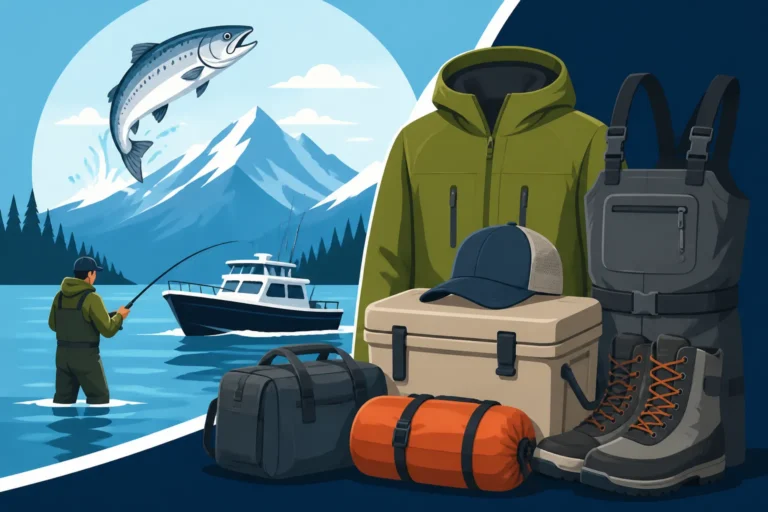
Packing smart for Alaska fishing is essential. Layering is the golden rule, as temperatures can fluctuate dramatically throughout the day and depending on whether you're on the open ocean or a sheltered river. Start with a moisture-wicking base layer, add a warm fleece or wool mid-layer, and top it off with waterproof and windproof outerwear. This is non-negotiable! Rain gear, including waterproof pants and jacket, will be your best friend. Even on a sunny day, sea spray or a sudden shower can leave you drenched.
Footwear should be waterproof and comfortable, such as Xtratuf boots or sturdy hiking boots. Don't forget a warm hat, gloves or fingerless fishing gloves, sunglasses to reduce glare on the water, and sunscreen. Even on cloudy days, UV rays can be intense, especially reflective off the water. A small waterproof bag or backpack to keep personal items like cameras, phones, and snacks dry is also a good idea. Many charters will provide the necessary fishing gear, but it's always wise to confirm this upfront. For more detailed packing advice, you might find the "Alaska Fishing Gear and Tackle Guide" helpful.
Licensing and Regulations
Before you even step foot on the boat, ensuring you have the correct fishing license and any necessary stamps is paramount. All non-residents and most residents over the age of 16 require an Alaska sport fishing license. If you plan to target King Salmon, you will also need a separate King Salmon stamp. These can often be purchased online through the Alaska Department of Fish and Game website, or at local sporting goods stores in Kodiak. It's advisable to purchase your license well in advance to avoid any last-minute hassle.
Beyond the license, it’s critical to be aware of Alaska's specific fishing regulations, which can be complex and change frequently, especially through emergency orders. These rules dictate bag limits, size restrictions, specific gear requirements (like single barbless hooks in certain areas), and closed seasons for particular species or locations. Your charter captain will be knowledgeable about the current regulations for the areas they fish, but as an angler, it's ultimately your responsibility to know and follow the rules. Familiarize yourself with resources like the "Alaska Fishing Regulations Explained" and "Alaska Fishing Emergency Orders Explained" to stay informed.
Managing Your Catch and Fish Processing
One of the most exciting parts of an Alaska fishing trip is bringing home your hard-earned catch. Before your trip, understand how your chosen charter handles fish processing. Most reputable charters will include basic fish processing services, such as filleting and bagging your fish onboard, but this can vary. Some might partner with local processors who can custom-cut, vacuum-seal, and freeze your fish, preparing it for safe transport home.
If you plan to ship your fish, inquire about the options available in Kodiak. Many fish processors on the island, like Kodiak Fish Processors or Island Seafoods, offer shipping services to the lower 48 states, packing your frozen fillets in airline-approved cooler boxes. This is a significant cost to factor into your trip budget. Be sure to understand the "Alaska Fish Transport and Shipping Rules" to avoid any issues. Discuss these details with your charter beforehand so you have a clear plan for your valuable catch, ensuring it arrives home in prime condition, ready for your freezer and dinner plate.
Cost and Booking Considerations for Kodiak Charters
Understanding the financial aspects and booking process for Kodiak fishing charters is essential for planning a successful trip without unexpected surprises. Alaska fishing can be an investment, but with careful planning, it's an incredibly worthwhile one.
Typical Charter Costs
The cost of a Kodiak fishing charter can vary widely depending on several factors: the duration of the trip (half-day, full-day, multi-day), the type of fishing (halibut, salmon, combo, fly-out), the size of the boat, and whether it's a private or shared charter. Generally, a full-day halibut or salmon charter in Kodiak can range from $300 to $600 per person for a shared trip. Private charters, which offer more flexibility and exclusivity, will naturally be more expensive, potentially ranging from $1,500 to $3,000 or more for the boat.
Multi-day packages, especially those that include lodging, meals, and multiple days of guided fishing, will be significantly higher, often starting from $1,500-$2,000 per person for a short package and climbing to several thousand for week-long, all-inclusive lodge experiences. These costs usually cover the boat, guide, fishing gear, and basic fish filleting. What's typically not included are your fishing license and King Salmon stamp, gratuities for the crew, specialized fish processing (like vacuum sealing and shipping), and personal items like snacks or drinks. It's always a good idea to get a clear breakdown of costs and inclusions from the charter operator, or consult guides like "Alaska Fishing Charter Cost Explained" and "How Much Is a Fishing Charter in Kodiak, Alaska" for more detailed averages.
Booking in Advance and Deposits
Kodiak is a popular fishing destination, especially during peak salmon and halibut seasons (typically May through September). To secure your preferred dates and charter, it is highly recommended to book your trip several months, or even up to a year, in advance. The best and most reputable charters often fill up quickly, particularly for prime summer dates. If you're planning a trip for late spring or early fall, you might have a bit more flexibility, but early booking is still advisable.
Most charters will require a non-refundable deposit to hold your reservation, with the remaining balance due closer to the trip date. This deposit can range from 25% to 50% of the total trip cost. Always read the cancellation policy carefully before paying any deposit. Understand their terms regarding weather cancellations, group size changes, and refunds. Given the unpredictability of Alaskan weather, a charter's policy on weather-related cancellations is particularly important. Many charters have a policy that if they cancel due to unsafe conditions, you'll receive a full refund or the option to rebook. However, if you cancel, you may forfeit your deposit. Reputable booking sites like FishingBooker will also clearly outline these terms.
Tipping Etiquette
Tipping your charter captain and crew is customary in the fishing industry, much like in other service sectors. It's a way to show appreciation for their hard work, expertise, and dedication to ensuring you have a successful and enjoyable trip. The general guideline for tipping a fishing charter in Alaska is 15-20% of the total trip cost, based on the quality of service provided. This percentage is usually applied to the cost of the trip itself, not including your license or fish processing fees.
For example, on a $500 per person charter, a 15-20% tip would be $75-$100. If you felt the service was exceptional, you might consider tipping more. The tip is typically given to the captain at the end of the trip, and they will usually share it with the deckhand(s). While tips are not mandatory, they are a significant part of a crew's income and reflect your satisfaction. If you're unsure, don't hesitate to discretely ask the charter operator or a local what is customary. You can find more comprehensive advice on "Tipping on an Alaska Fishing Charter".
Disclaimer
The information provided in this guide is for general informational purposes only and does not constitute professional advice. Alaska fishing regulations, conditions, and charter availability can change frequently. Always consult the latest regulations from the Alaska Department of Fish and Game and communicate directly with your chosen charter operator to confirm all details before making travel plans. Fishing in Alaska's wilderness carries inherent risks, and personal safety should always be your top priority.