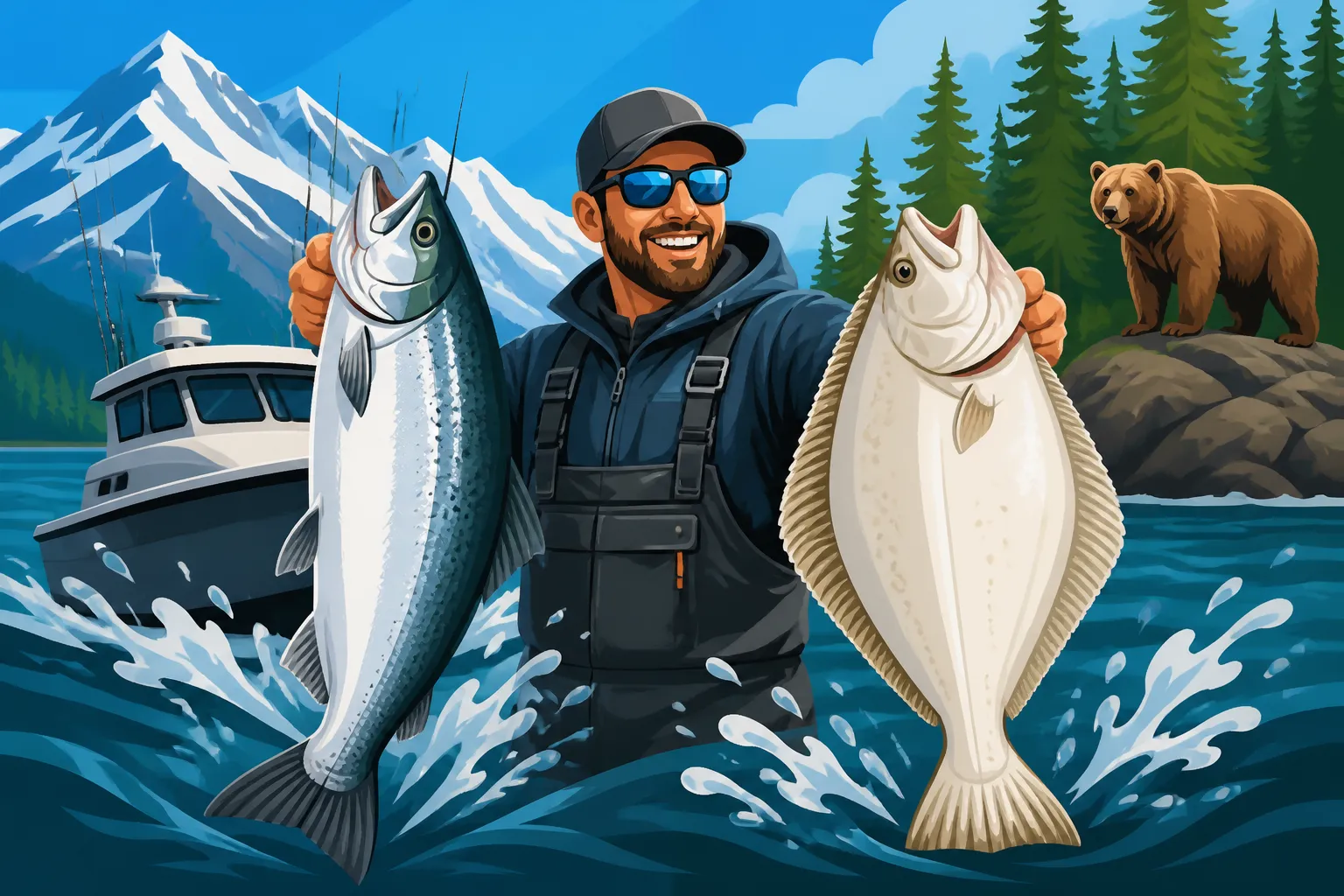
Alaska Combo Salmon and Halibut Charters
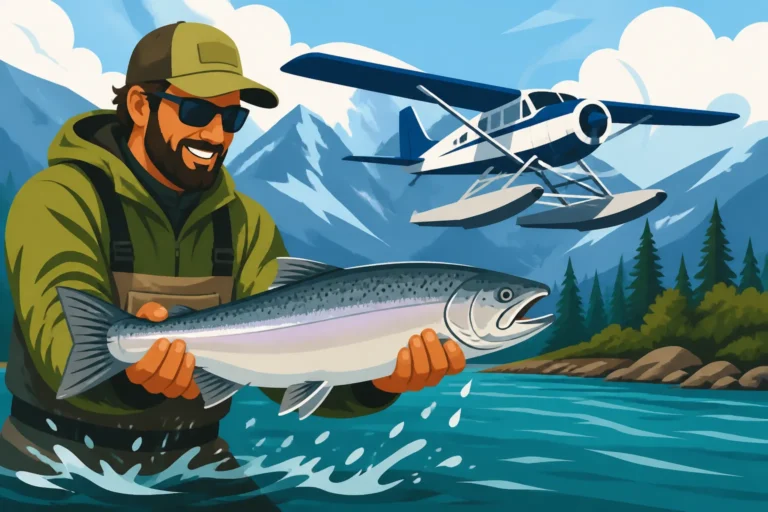
Trying to decide between the thrill of battling a giant King Salmon or the brute strength of a barn-door Halibut can feel like a genuine dilemma when planning your precious Alaska fishing trip. Many folks arrive in the Last Frontier with dreams of catching both, but worry about limited time or how to juggle different types of fishing. That's where Alaska combo salmon and halibut charters come in, offering a fantastic solution to experience the best of both worlds without the logistical headaches, and this guide will walk you through everything you need to know to make the most of it.
Why Choose a Combo Salmon and Halibut Charter?
Let's be real, you've probably traveled a long way to get to Alaska, and every moment on the water is precious. The idea of having to pick just one type of fishing can feel like leaving a significant part of the experience on the table. This is exactly why combo charters have become so popular – they're designed to give you a taste of the incredible diversity Alaska's waters have to offer in one fell swoop.
Maximizing Your Alaskan Fishing Experience
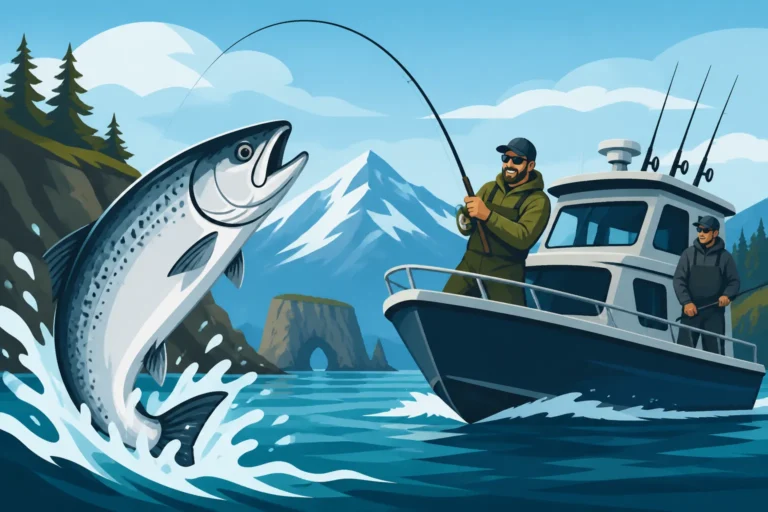
Imagine spending your morning reeling in hard-fighting salmon and then, after a quick change of tactics, dropping lines for enormous halibut in the afternoon. It’s an angler's dream, isn’t it? Alaska is home to five species of Pacific salmon, each with its own fight and flavor, alongside the colossal Pacific Halibut, known for its sheer size and delicious white meat. Trying to fit both into a limited vacation often means separate bookings, different departure points, and more travel time, which can quickly eat into your precious fishing hours.
A combo charter neatly bundles these experiences, allowing you to target multiple bucket-list species within a single trip. You get to witness the varied techniques required for each, from the precise trolling or drifting needed for salmon to the deep-water jigging or bait fishing for halibut. This variety not only keeps things exciting but also gives you a broader appreciation for the rich fishing cultures and ecosystems of Alaska. It’s a truly immersive way to experience the state’s world-renowned fisheries.
The Efficiency and Convenience Factor
One of the biggest frustrations when planning a multi-species fishing trip can be the logistical nightmare. Do you need different gear? Which boat is set up for what? How do you coordinate travel between different fishing grounds or even different towns? Combo charters are the answer to these worries, streamlining your adventure into a hassle-free package.
A reputable combo charter will have all the specialized equipment on board for both salmon and halibut, meaning you don't have to worry about bringing multiple rods, reels, or tackle boxes. The captain and crew are seasoned professionals who know the prime spots for each species and how to transition seamlessly between them. They handle everything from navigating the waters to baiting hooks and netting your fish. This allows you to focus purely on the fishing and enjoying the stunning Alaskan scenery, rather than stressing over the details. Plus, it often means less time commuting and more time with lines in the water. For many travelers, especially those on a tight schedule or unfamiliar with the vast Alaskan landscape, this convenience is invaluable, turning what could be a complex itinerary into a smooth, unforgettable day on the water.
Understanding the Combo Charter Experience
So, what does a typical combo salmon and halibut charter actually look like? It's not just two separate trips crammed into one, but a thoughtfully designed experience that leverages local knowledge and optimal timing to give you the best shot at both species.
Typical Itineraries and Durations
Combo charters usually operate as full-day excursions, often running anywhere from 8 to 12 hours, depending on the specific location and what species are running strong. The longer duration is essential to allow for travel to different fishing grounds – salmon often prefer shallower, inshore waters or river mouths, while halibut typically reside in deeper offshore areas.
- Morning Salmon Focus: Many charters will start the day targeting salmon, often just as the sun is rising, when salmon can be particularly active. You might spend the first few hours trolling with downriggers, back-bouncing, or even drift fishing, depending on the specific salmon species and local conditions. The action can be fast and furious, providing an exhilarating start to your day.
- Transition to Halibut: After a few successful salmon hook-ups, or when the salmon bite slows, the captain will usually make the run to the deeper halibut grounds. This transition often includes a scenic boat ride, giving you a chance to relax, refuel, and take in the stunning Alaskan coastline.
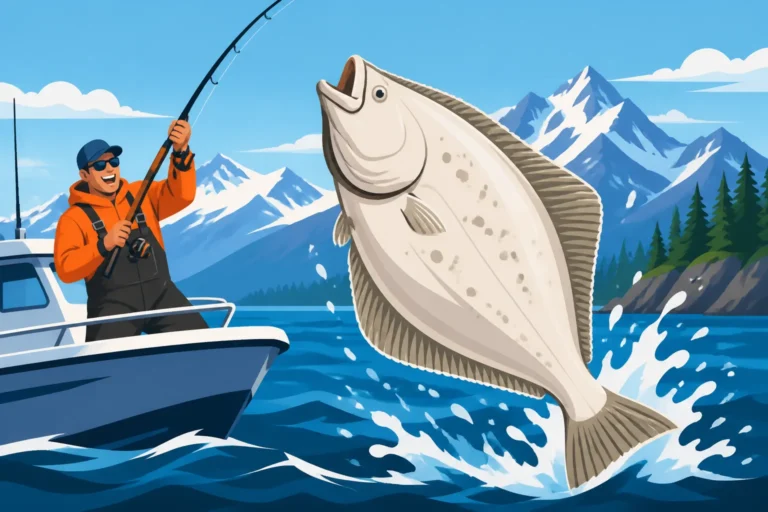
- Afternoon Halibut Hunt: Once on the halibut grounds, the fishing technique changes dramatically. Heavy gear is deployed, and you'll be dropping baits or jigs down hundreds of feet to the ocean floor. The wait can sometimes be patient, but the strike of a large halibut is unmistakable – a powerful, deep pull that tests your strength and stamina.
Some charters might even offer multi-day packages that allow for even more in-depth exploration or a greater chance to hit peak runs for both species. When you're looking to book, sites like FishingBooker can offer a range of options and help you compare itineraries from different operators, giving you a clear picture of what to expect.
What Gear and Techniques to Expect
You might wonder if you need to be an expert in multiple fishing methods for a combo trip. Not at all! That's the beauty of a guided charter – the crew provides all the specialized gear and expertise.
- Salmon Gear and Techniques:
- Trolling: This is a common method, especially in saltwater, using downriggers to get lures (like flashers and hootchies, or even cured herring) to specific depths. The boat moves slowly, presenting the bait to cruising salmon.
- Drift Fishing/Back-Bouncing: For river systems or tidal zones, drift fishing with bait (like cured salmon eggs) or artificial lures is popular. Back-bouncing involves keeping your line almost vertical as the boat drifts, bouncing a weight along the bottom.
- Spin Fishing/Casting: Sometimes, especially for coho (silver) salmon, casting spoons or spinners can be effective in certain areas.
The rods are typically medium to heavy action, designed to handle the powerful runs of salmon, especially a big King Salmon.
- Halibut Gear and Techniques:
- Bottom Fishing/Jigging: This is the primary method for halibut. You'll use stout, heavy-duty rods and reels spooled with strong braided line. Large circle hooks are often baited with herring, octopus, or chunks of salmon. Jigs, sometimes weighing a pound or more, are also popular, adorned with large plastic grubs or squid imitations.
- The Drop: The technique involves dropping your bait or jig all the way to the bottom, sometimes hundreds of feet down. Once there, you either let it sit, gently bounce it, or jig it with strong upward jerks to attract halibut.
Halibut can be found anywhere from 50 to 800 feet deep, requiring specialized equipment to manage the depths and the sheer power of these flatfish. The gear is heavy, designed to withstand the immense fight of a large "barn door" halibut. The crew will demonstrate exactly what to do and will be there to assist you every step of the way. Learning How to Catch Halibut in Alaska and How to Catch King Salmon in Alaska will definitely give you a leg up, but your captain will be the ultimate guide!
| Location | Primary Salmon Species | Halibut Abundance | Best Months (Combo) | Typical Charter Duration |
|---|---|---|---|---|
| Homer | King, Coho (late season) | High | June – August | Full-Day (8-10 hrs) |
| Seward | King, Coho, Pink | High | June – September | Full-Day (8-12 hrs) |
| Sitka | King, Coho, Sockeye (nearby) | High | May – September | Full-Day (8-10 hrs) |
| Valdez | Pink, Chum, Silver | Medium | July – August | Full-Day (8-10 hrs) |
| Ketchikan | King, Coho, Pink | Medium | June – September | Full-Day (8-10 hrs) |
Key Considerations Before Booking Your Combo Charter
Booking an Alaska fishing trip is a significant investment, and you want to make sure you get it right, especially when you're combining the pursuit of two iconic species. There are several factors to weigh to ensure your combo charter meets your expectations.
Choosing the Right Location and Season
Alaska is vast, and fishing opportunities vary greatly by region and time of year. For combo charters, coastal towns that offer access to both salmon runs and deep-sea halibut grounds are your best bet.
- Homer: Often called the "Halibut Fishing Capital of the World," Homer is an obvious choice for combining halibut with salmon, particularly King Salmon in early summer and Coho (silver) salmon later in the season. The waters of Kachemak Bay and Cook Inlet are rich fishing grounds.
- Seward: Located on Resurrection Bay, Seward is another premier destination offering fantastic halibut fishing along with robust runs of King, Coho, and Pink Salmon. The nearby gulf waters are legendary for their halibut. Check out our Seward Alaska Fishing Guide for more details.
- Sitka: In Southeast Alaska, Sitka provides incredible opportunities for both King and Coho Salmon, along with excellent halibut fishing. The protected waters and offshore currents make it a productive and scenic choice.
- Ketchikan and Juneau: These Southeast Alaska hubs also offer combo charters, typically focusing on King and Coho salmon alongside good halibut opportunities in the surrounding fjords and channels.
Timing is crucial. While halibut season is generally long (May through September), salmon runs are more specific. For the best combo action, aim for June through August. This period generally overlaps with strong King and Sockeye salmon runs, followed by Coho in late July and August, while halibut are consistently available. Trying to hit specific salmon species can be tricky, so it's always wise to check the Alaska Salmon Run Timing Explained and consult with charter operators about current conditions and forecasts.
Charter Vessel and Captain Expertise
The quality of your combo charter experience hinges directly on the vessel and, more importantly, the captain and crew. Don't just pick the cheapest option; do your homework.
- Safety First: Ensure the charter is fully licensed and insured, and that the vessel is well-maintained and equipped with all necessary safety gear (life rafts, PFDs, first-aid, communications). A good captain will conduct a safety briefing before departure.
- Experience and Reputation: Look for captains with years of experience specifically running combo trips in the area you plan to fish. They should have an intimate understanding of local currents, tides, and fish behavior for both salmon and halibut. Websites like FishingBooker allow you to read reviews from previous customers, giving you a real sense of a captain's track record, personality, and success rate. A captain who understands the nuances of Alaska Halibut Charter Regulations Explained and how they might affect your trip is invaluable.
- Boat Comfort and Amenities: Consider the size and type of boat. Larger, more stable vessels offer a smoother ride in open waters, which is a plus when targeting halibut. Some boats offer heated cabins, private heads (restrooms), and plenty of deck space, which can make a long day much more comfortable, especially in Alaska's often unpredictable weather. Don't hesitate to ask about these amenities when booking.
Understanding Costs and Inclusions
Alaska fishing charters aren't cheap, but they offer incredible value for the experience. It’s vital to understand what your booking fee covers and what additional expenses you might incur.
- What's Typically Included:
- Boat and Crew: The cost of the vessel, fuel, and the expertise of your captain and deckhands.
- Fishing Gear: Rods, reels, tackle, and bait for both salmon and halibut. High-quality gear is usually provided.
- Basic Fish Processing: Often, the crew will gut and fillet your fish on board or back at the dock.
- Potential Additional Costs:
- Alaska Fishing License: Complete Guide: Everyone 16 years or older needs one. Non-residents will pay more, and you can purchase them online or at most tackle shops and sporting goods stores in Alaska.
- Do You Need a King Salmon Stamp in Alaska: If you plan to target King Salmon, a special stamp is required in addition to your regular license. This is critical for complying with Alaska King Salmon Fishing Regulations and Limits.
- Gratuities: It's customary to tip your captain and crew. A typical tip is 15-20% of the charter cost, depending on the service. See our guide on Tipping on an Alaska Fishing Charter for more.
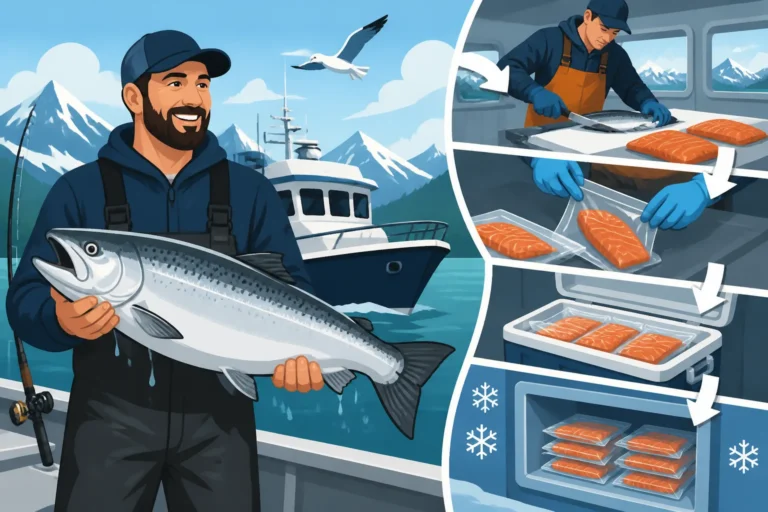
- Fish Processing Upgrades: While basic filleting is often included, professional vacuum sealing, freezing, and shipping services are usually extra. These services are invaluable if you plan to bring a lot of fish home.
- Food and Drink: Some charters provide snacks and non-alcoholic beverages, but it's always wise to bring your own, especially for a full-day trip.
- Rain Gear and Warm Clothing: While some charters may have limited sets available, it’s best to bring your own appropriate attire.
Always get a clear breakdown of costs when you book your trip to avoid any surprises. A transparent charter company will be happy to answer all your questions about pricing and what to expect financially.
What You'll Catch: Species and Limits
One of the most exciting aspects of an Alaska combo salmon and halibut charter is the potential variety in your cooler! However, understanding the specific species and their respective regulations is key to a successful and legal trip.
Salmon Species You Might Encounter
During a combo trip, especially in the prime summer months, you have the chance to hook into several different types of Pacific Salmon. Each offers a unique fight and culinary experience.
- King Salmon (Chinook): The largest and most coveted of the Pacific salmon, kings are renowned for their powerful runs and incredible fighting ability. They typically run from late May through July. You'll need an Alaska King Salmon Stamp Requirements if you plan to target them.
- Sockeye Salmon (Red): Famous for their vibrant red flesh and intense flavor, sockeye are incredibly strong swimmers. Their runs typically peak from late June through July, often found in large schools near river mouths. They are notoriously challenging to catch on conventional gear in saltwater, but charters will know the best techniques.
- Coho Salmon (Silver): Known for their acrobatic jumps and aggressive strikes, coho salmon provide thrilling sport. Their runs typically start in mid-July and peak in August and September. They are often targeted by trolling or casting spinners.
- Pink Salmon (Humpy): The most abundant salmon species, pinks run primarily in even-numbered years (though some run annually). They are smaller but offer consistent action, making them a great option for families or beginners. They usually peak in late July and August.
- Chum Salmon (Dog): Larger than pinks and known for their distinctive "dog-like" teeth during spawning, chum salmon also provide a good fight. Their runs often overlap with sockeye and pinks.
Your captain will be attuned to which species are running strong in specific areas based on the time of year and current conditions. They'll adjust tactics to give you the best chance at success. Always consult the Alaska Fishing Regulations Explained to be aware of daily and annual bag limits, which can change frequently based on conservation efforts.
Halibut: The "Barn Door" and "Chicken" Dilemma
Halibut fishing is a beast of its own, and you'll quickly learn the lingo of "chickens" and "barn doors." The experience of reeling in one of these magnificent flatfish is truly unforgettable.
- Chicken Halibut: These are the smaller, typically younger halibut, often weighing between 10-40 pounds. While still a substantial fish, they are called "chickens" by Alaskans and are highly prized for their tender, flaky white meat. They are generally easier to handle and are more commonly retained within the often-strict size and bag limits.
- Barn Door Halibut: This term refers to the truly massive halibut, often exceeding 100 pounds, with some reaching well over 300 pounds. These are the fish of legends, putting up an incredible fight that can last for a significant time. Landing one requires teamwork, strength, and often a harpoon or flying gaff to bring it onboard safely. While exciting, there are often specific Alaska Halibut Charter Reverse Slot Limit rules or other regulations that affect retention of these very large fish. For example, in many areas, charter anglers are subject to a one-fish daily bag limit with a maximum size restriction, or a reverse slot limit where only fish under a certain size or over a certain larger size can be kept.
- Bag Limits and Size Restrictions: Halibut regulations are among the most complex and frequently adjusted in Alaska, especially for charter operations. They can vary by region, time of year, and even day of the week (e.g., Thursday closures in some areas). For instance, the Gulf of Alaska typically imposes a one-fish daily bag limit for charter anglers, often with a size restriction (e.g., under 40 inches, or over 80 inches, known as the "reverse slot limit"). It's absolutely crucial that you listen carefully to your captain and crew regarding the current Alaska Halibut Daily Limit for Charter Anglers and any specific size regulations on the day of your trip. They are the experts on the ground (or water!) and know the exact rules you need to follow to ensure a legal and responsible catch.
Preparing for Your Alaska Combo Fishing Adventure
A successful fishing trip in Alaska isn't just about what happens on the boat; it's also about how well you prepare. Being ready for Alaska's unique conditions will make your experience far more enjoyable.
Essential Packing List and Apparel
Alaska's weather is famously unpredictable. You can experience all four seasons in a single day, regardless of when you visit. Layers are not just a suggestion; they are a necessity.
- Layering System:
- Base Layer: Moisture-wicking material (synthetic or merino wool) to keep sweat away from your skin. Avoid cotton, which stays wet and makes you cold.
- Mid-Layer: Fleece jacket or down vest for insulation.
- Outer Layer: A waterproof and windproof jacket and pants (rain gear) are non-negotiable. Quality rain gear can be the difference between a miserable trip and a comfortable one. Check out our guide on What to Wear on an Alaska Fishing Charter.
- Headwear: A warm beanie or wool hat is crucial, as is a baseball cap for sun protection.
- Gloves: Waterproof and insulated gloves for warmth and grip, especially when handling fish.
- Footwear: Waterproof, non-slip boots (like XTRATUFS, a local favorite) are ideal. Even on a boat, decks can be wet and slippery. Wool socks are a must.
- Sun Protection: Sunglasses (polarized are best for spotting fish), sunscreen, and lip balm are important, even on cloudy days, due to UV reflection off the water.
- Personal Items: Any medications, seasickness remedies, camera (waterproof if possible), and a small waterproof bag for electronics.
- Food and Drink: While some charters provide snacks, it's always a good idea to bring your own water bottle, sandwiches, and energy-boosting snacks to keep you going through a long day of fishing.
Licenses, Stamps, and Regulations
This is probably the most critical pre-trip item, and one that trips up many visitors. Failing to have the correct paperwork can result in hefty fines or even a confiscated catch.
- Alaska Fishing License: Every angler aged 16 or older needs an Alaska fishing license. Non-residents can purchase licenses for specific durations (1-day, 3-day, 7-day, 14-day, or annual). The easiest way to get one is online through the Alaska Department of Fish and Game (ADF&G) website before your trip, or you can purchase one from various vendors in Alaska. Make sure you understand the Alaska Non-Resident Fishing License Guide.
- King Salmon Stamp: If there's even a chance you'll target King Salmon, you must purchase a King Salmon Stamp in addition to your regular fishing license. This stamp is required for retention of any King Salmon you catch, regardless of size. The cost varies for residents and non-residents.
- Harvest Record Card: This comes with your fishing license and is essential for recording specific species you catch, most notably King Salmon and Halibut (in certain regions or for specific programs). You must record your catch immediately upon retention. Failing to properly fill out and maintain your harvest record card is a common violation. Make sure you know how to Fill Out an Alaska Harvest Record Card.
- Review Regulations: Before your trip, take some time to review the current Alaska Fishing Regulations. These are available online from ADF&G, and most charter operators will have booklets or summaries. Regulations, especially bag limits and size restrictions, can change rapidly due to emergency orders based on fish returns. Your captain will always provide the most up-to-date information on the day of your trip, but a basic understanding helps.
It's your responsibility to know and follow the rules. Your charter captain and crew are there to guide you, but the ultimate accountability rests with the individual angler.
Making the Most of Your Combo Charter
You've planned, you've packed, and you're finally on the water. Now, how do you ensure this incredible opportunity turns into a truly unforgettable Alaskan adventure?
Onboard Etiquette and Safety
A fishing charter is a shared experience, and good etiquette goes a long way in making it enjoyable for everyone. Safety, of course, is paramount.
- Listen to Your Captain and Crew: This cannot be stressed enough. They are the experts, familiar with the waters, the fish, and the regulations. Their instructions are for your safety and to maximize your fishing success. Whether it's how to hold your rod, where to stand, or what to do when a fish strikes, follow their lead without hesitation.
- Respect Other Anglers: On a shared charter, you'll be fishing alongside other people. Be mindful of casting space, tangles, and celebrating catches without overshadowing others. Cooperation often leads to a better experience for all.
- Manage Your Space: Boats can get crowded. Keep your gear stowed neatly and don't spread out more than necessary. This also helps prevent tripping hazards.
- Alcohol Consumption: While a celebratory beverage might be fine, excessive alcohol consumption is a safety risk and generally frowned upon. This is an active fishing trip, not a party boat.
- Seasickness: If you're prone to motion sickness, take preventative measures before you board the boat. Once you're out there, it's often too late. Dramamine or patches can be lifesavers.
Remember, safety briefings are mandatory for a reason. Pay attention to the location of life jackets, emergency exits, and other safety equipment. Alaska's waters can be unforgiving, so respecting the marine environment and safety protocols is essential.
Fish Care and Post-Trip Processing
Once you've successfully landed your prized salmon and halibut, the work isn't over. Proper fish care ensures your catch makes it home in the best possible condition for the dinner table.
- Onboard Care: Most charter boats will have large fish holds or coolers where your catch is immediately put on ice. This rapid cooling is critical to maintaining flesh quality. Some crews will also bleed fish quickly upon landing, which improves the taste and appearance of the meat.
- Dockside Filleting and Packaging: Back at the dock, the crew will typically gut and rough-fillet your fish. Some charters include this as part of the service, while others may charge a small fee for more extensive processing. You'll then have options for further processing.
- Professional Processing Services: Unless you plan to cook all your fish immediately, you'll want to utilize professional fish processing services. These facilities, common in major fishing towns like Homer, Seward, and Anchorage, specialize in:
- Portioning: Cutting your fillets into convenient, meal-sized portions.
- Vacuum Sealing: Removing air to prevent freezer burn, extending the shelf life of your fish for months.
- Freezing: Flash-freezing your fish solid, ready for transport.
- Shipping: Packaging your frozen fish in insulated, airline-approved boxes and arranging for shipping to your home. This is often an additional cost but a worthwhile investment to protect your valuable catch. Read more about Fish Processing After an Alaska Charter.
- Transporting Your Catch: If you're flying home, be aware of airline regulations for transporting frozen seafood. It must be frozen solid and properly packaged. Insulated fish boxes designed for air travel are available at most processing facilities. Ensure your fish will stay frozen until you reach your final destination. Consider bringing an extra duffel bag for clothes to make room in your luggage for a smaller box of fillets, or plan to ship it all. Knowing How Much Fish Can You Bring Home from Alaska is also important.
Enjoying your hard-earned Alaskan seafood for months after your trip is one of the best parts of the experience, so don't skimp on proper fish care and processing!
Disclaimer
The information provided in this guide is for general informational purposes only and is not intended as legal or professional advice. Alaska fishing regulations are subject to change frequently due to emergency orders issued by the Alaska Department of Fish and Game (ADF&G). It is the sole responsibility of each angler to consult the most current ADF&G regulations, emergency orders, and obtain all necessary licenses and stamps before fishing. Always prioritize safety and follow the instructions of your licensed charter captain and crew.