Alaska Two-Fish Halibut Charter Rule Explained
It’s a common scenario: you’re dreaming of that epic Alaska halibut trip, picturing massive barn doors, and then you hear whispers about a "two-fish halibut charter rule." This can be incredibly confusing because, for many guided trips, the reality is often quite different. This guide will cut through the noise, explaining the actual daily bag limits, size restrictions, and other critical regulations you absolutely need to know before you ever step foot on an Alaska halibut charter.
The Common Confusion: Is There Really a Two-Fish Halibut Charter Rule in Alaska?
Let’s be honest, trying to make sense of Alaska fishing regulations can feel like navigating a maze blindfolded. You hear one thing from a buddy, read something else online, and then your charter captain tells you a third. The idea of a "two-fish halibut charter rule" often crops up, and it's easy to see why anglers get tangled up. Is it a misunderstanding, an outdated rule, or something specific to certain areas? We’re going to clear that right up.
The Source of the "Two-Fish" Question
The confusion around a "two-fish" limit for halibut charters often stems from a few places. Historically, some areas or types of fishing might have allowed for two halibut per angler, which could lead to older information circulating. More commonly, though, the idea of a two-fish limit comes from knowing that un-guided anglers (those fishing from their own or a rented private boat, not operating under a sport fishing guide's license) in certain parts of Alaska can sometimes keep two halibut per day.
Imagine you're scrolling through social media, and you see someone's uncle posing with two decent-sized halibut from his private boat out of Seward. Naturally, if you're planning a charter trip, you'd assume you'd be entitled to the same. This discrepancy between private boat rules and charter rules is a significant source of angler frustration and misunderstanding. It's not uncommon for visitors to arrive expecting a particular limit, only to find the rules are different for their guided experience. The goal here is to bridge that information gap.
The Current Reality for Guided Anglers
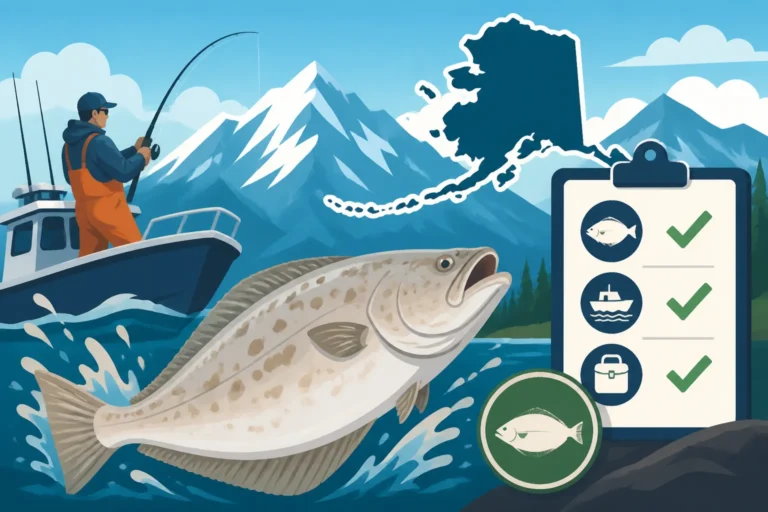
When it comes to chartered halibut trips in the most popular fishing areas like Southcentral Alaska (International Pacific Halibut Commission or IPHC Area 3A, which includes hotspots like Homer and Seward) and Southeast Alaska (IPHC Area 2C, including Juneau and Sitka), the general rule is much more restrictive. For the 2024 season, charter anglers in these primary regions are typically limited to one halibut per person per day. This is a significant departure from what some might expect or what un-guided anglers might be allowed.
Beyond the one-fish daily limit, there are almost always additional stipulations, such as "reverse slot limits" and specific "closed days" where halibut retention is prohibited for charter clients. This isn't about punishing charter guests; it's a critical conservation measure designed to manage the overall halibut harvest sustainably across all user groups—sport, commercial, and subsistence. So, while the "two-fish halibut charter rule" might not be accurate for most modern charter operations, understanding why and what the actual rules are is paramount for a successful and legal trip. You can dive deeper into the general guidelines by reading our comprehensive guide on Alaska Halibut Charter Regulations Explained.
Delving Deep into Current Alaska Halibut Charter Regulations
Once you understand that the "two-fish" idea often refers to un-guided fishing, it's time to dig into the actual regulations that apply to charter anglers. These rules are designed to balance angler opportunity with the long-term health of the halibut fishery, and they can be quite detailed.
Daily Bag Limits and Reverse Slot Rules
For guided anglers in key regions like IPHC Area 3A (Southcentral, encompassing famous spots like Homer, Seward, and Valdez) and IPHC Area 2C (Southeast, covering areas like Sitka, Juneau, and Ketchikan), the daily bag limit for halibut is typically one fish per person. This isn't just a simple one-and-done rule, though. It almost always comes with a specific "reverse slot limit."
A reverse slot limit means that while you can keep one halibut, it must fall within certain size parameters. For instance, in Area 3A during 2024, the rule for charter anglers is often one halibut of any size OR one halibut that is no more than 40 inches in length, depending on the specific date and overall harvest data. These rules are designed to protect the very largest, most reproductively valuable halibut (often the big females) while also protecting smaller, juvenile fish. It's a tricky balance, but it aims to ensure healthy spawning stock and future generations of halibut. The specifics can vary year-to-year and even within a season, so staying current is vital. Our guide on Alaska Halibut Size Limit Explained offers even more details.
Seasonal and Weekly Restrictions
Beyond daily bag and slot limits, charter halibut fishing in Alaska is often subject to seasonal and weekly restrictions. One of the most common and impactful restrictions is the presence of closed days. For example, in recent years, it has been common for charter anglers in IPHC Area 2C (Southeast) and IPHC Area 3A (Southcentral) to be prohibited from retaining halibut on Thursdays. This means if your charter trip falls on a Thursday, you might still fish for halibut, but you won't be able to keep any. Charters will often pivot to other species like salmon or rockfish on these days, making for a fun "combo" trip, but it's crucial to know in advance.
These closed days are a direct tool used by fishery managers to control the total harvest of halibut. By reducing the number of days charters can retain fish, they can keep the overall catch within established quotas. It’s not just Thursdays either; sometimes additional closure days or even full week closures might be implemented depending on harvest rates and forecasts. Being aware of these weekly and seasonal nuances is key to managing your expectations for your trip. For more specific information, check out our article on Alaska Halibut Thursday Closure Explained.
Understanding Regional Variances
Alaska is a massive state, and its fishing regulations reflect that diversity. What applies to a charter out of Homer in Southcentral Alaska might be different from a charter operating near Ketchikan in Southeast Alaska. The International Pacific Halibut Commission (IPHC) divides the North Pacific into various management areas, and Alaska falls predominantly into Areas 2C (Southeast) and 3A (Southcentral). Each of these areas can have its own specific set of regulations regarding daily limits, reverse slot limits, and closed days.
For example, while both 2C and 3A might have a one-fish daily limit for charter anglers, the exact slot dimensions might differ. There can also be variations in how annual limits are applied, especially for non-residents. Furthermore, some less-frequented areas or specific local waters might have unique rules. Your charter captain will be an expert on the regulations for their specific operating area, but it's always wise for you, the angler, to have a basic understanding of these regional differences. Always confirm the specific rules for the IPHC area your charter operates in. Our guide to Alaska Halibut Bag Limits Explained provides a broader overview of these regional variations.
Practicalities and Planning Your Charter Halibut Trip
Knowing the regulations is one thing, but understanding how they impact your actual fishing trip is another. This isn't just about avoiding fines; it's about maximizing your enjoyment and ensuring you have realistic expectations for your Alaska adventure.
How Charters Adapt to Regulations
Alaska charter operators are masters at navigating the ever-changing regulatory landscape. They live and breathe these rules, and their business depends on adhering to them while still providing a fantastic experience for their clients. Because of the common one-fish daily limit and potential closed days for halibut, many charters offer "combo trips." On a combo trip, you might spend part of the day targeting halibut and then switch gears to pursue different species like salmon (Kings, Sockeye, Coho), rockfish, or lingcod. This is especially common on halibut-closed days.
A good charter company will be transparent about the current regulations and how they plan to structure your trip around them. Don't be afraid to ask questions before you book! Inquire about their typical itinerary on days with halibut restrictions, and what alternative species you might target. Some charters specialize in halibut, while others are renowned for their multi-species capabilities. Understanding their approach will help you choose a charter that aligns with your fishing goals. If you're pondering a mix of species, our article Alaska Combo Salmon and Halibut Charters can give you some excellent insights.
What Anglers Need to Know Before They Go
The best advice for any Alaska fishing trip, especially for halibut, is to be prepared and stay informed. Regulations can and do change, sometimes with very little notice, through what are called "Emergency Orders" issued by the Alaska Department of Fish and Game (ADF&G). These orders can modify bag limits, slot limits, or even close fisheries entirely if conservation concerns arise or harvest quotas are met prematurely.
Before your trip, make it a point to:
- Confirm with your charter: A week or two before your departure, reach out to your charter captain or booking agent to get the absolute latest on the regulations for your specific fishing date and area.
- Check ADF&G website: Familiarize yourself with how to check current emergency orders for the region you'll be fishing in. The ADF&G website is the official source for these updates. Our guide on How to Read Alaska Fishing Regulations can help you decipher the legal jargon.
- Pack appropriately: Regardless of the fish you're targeting, Alaska weather can be unpredictable. Layers, rain gear, and waterproof boots are always a good idea. Even on a boat, you'll appreciate being comfortable.
Knowing the rules beforehand and being flexible will greatly enhance your enjoyment, even if Mother Nature or an emergency order throws a curveball.
Recording Your Catch and Compliance
Properly recording your catch is a crucial part of legal and ethical fishing in Alaska, especially for species like halibut. All sport-caught halibut retained by a charter client must be immediately recorded on the charter boat's IPHC logbook. This logbook is a legally required document that tracks the number, weight, and sometimes length of halibut caught by charter anglers. Your captain or deckhand will handle this process, but it's good to be aware of it.
Additionally, non-resident anglers are often required to obtain an Alaska Harvest Record Card Explained if they are fishing for certain species, including King Salmon. While halibut are typically recorded by the charter directly, always check if any other species you might target on a combo trip require personal recording. Accurate reporting is vital for fishery management, ensuring that harvest data is precise and future seasons can be managed effectively. Any violation of these rules can result in significant fines and penalties, so always defer to your captain’s guidance on board.
Why These Rules Exist: Conservation and Sustainable Fishing
It's easy to get frustrated by complex regulations, but understanding why these rules are in place can help shift your perspective. Alaska's fishing resources are incredibly valuable, both ecologically and economically, and careful management is crucial to protect them for future generations.
The Role of the International Pacific Halibut Commission (IPHC)
The International Pacific Halibut Commission (IPHC) is a truly fascinating organization. Established by a treaty between the United States and Canada in 1923, its sole purpose is the conservation and management of Pacific halibut stocks. This isn't just a local or state agency; it's an international body responsible for setting overall catch limits (quotas) for the entire stock across both countries.
The IPHC conducts extensive research, stock assessments, and data collection to determine the health of the halibut population. Based on their scientific findings, they recommend total allowable catch (TAC) limits for various management areas. These recommendations are then adopted and implemented by national agencies, like NOAA Fisheries in the U.S. and Fisheries and Oceans Canada. This international cooperation is critical because halibut are highly migratory and don't recognize national borders. The regulations you encounter on your Alaska charter are a direct result of these high-level scientific and management decisions aimed at ensuring the long-term sustainability of this iconic fish.
Balancing Sport, Commercial, and Subsistence Fisheries
One of the biggest challenges in managing Alaska's fisheries is balancing the diverse needs of different user groups. Pacific halibut is sought after by multiple sectors:
- Commercial Fisheries: Large-scale operations that supply halibut to markets around the world. These fisheries have strict quotas and individualized fishing rights.
- Sport Fisheries: Anglers, both resident and non-resident, who fish for recreation and often to take home a prized catch. This includes both guided charter anglers and un-guided private boaters.
- Subsistence Fisheries: Alaska Native communities and rural residents who rely on halibut as a traditional food source for their sustenance and cultural practices.
Each of these groups has different needs, impacts, and historical claims to the resource. The regulations, including daily limits, slot limits, and closed days for charter anglers, are often the result of complex negotiations and allocations designed to distribute the limited harvestable quota among these competing interests. When you see a "one-fish" limit on your charter, or a Thursday closure, it's not arbitrary. It's often a direct outcome of a carefully calculated effort to ensure that the sport fishery stays within its allocated share of the total catch, leaving enough for other users and, most importantly, for the halibut population to thrive. Understanding these dynamics helps paint a clearer picture of why Alaska Fishing Limits and Bag Limits Explained are so intricate.
| Feature | Alaska Halibut Charter Regulation (Typical for 2C/3A, 2024) | Un-Guided Angler Regulation (Example, for 3A) |
|---|---|---|
| Daily Bag Limit | 1 Halibut per person | 2 Halibut per person |
| Size Limit | Often a reverse slot limit (e.g., one fish under 40 inches) | Often specific size limits (e.g., no size limit on the first fish, second fish must be under a certain length) |
| Closed Days | Common (e.g., Thursdays, sometimes Wednesdays) | Generally no closed days |
| Annual Limit | Typically 2 halibut total for non-residents (Area 3A) | Varies, often higher annual limits or none |
| Recording | Charter captain/crew records in IPHC logbook | Angler is responsible for recording on harvest card (if applicable) and complying |
| Why Different? | Conservation, allocation to commercial/subsistence, higher harvest pressure from charters | Less direct pressure on overall quota, different management goals |
Disclaimer
Please remember that fishing regulations in Alaska are subject to change, sometimes even within a season due to emergency orders. Always consult the most current regulations published by the Alaska Department of Fish and Game (ADF&G) and the International Pacific Halibut Commission (IPHC) before you head out. Your charter captain will also be an invaluable source of up-to-date information.